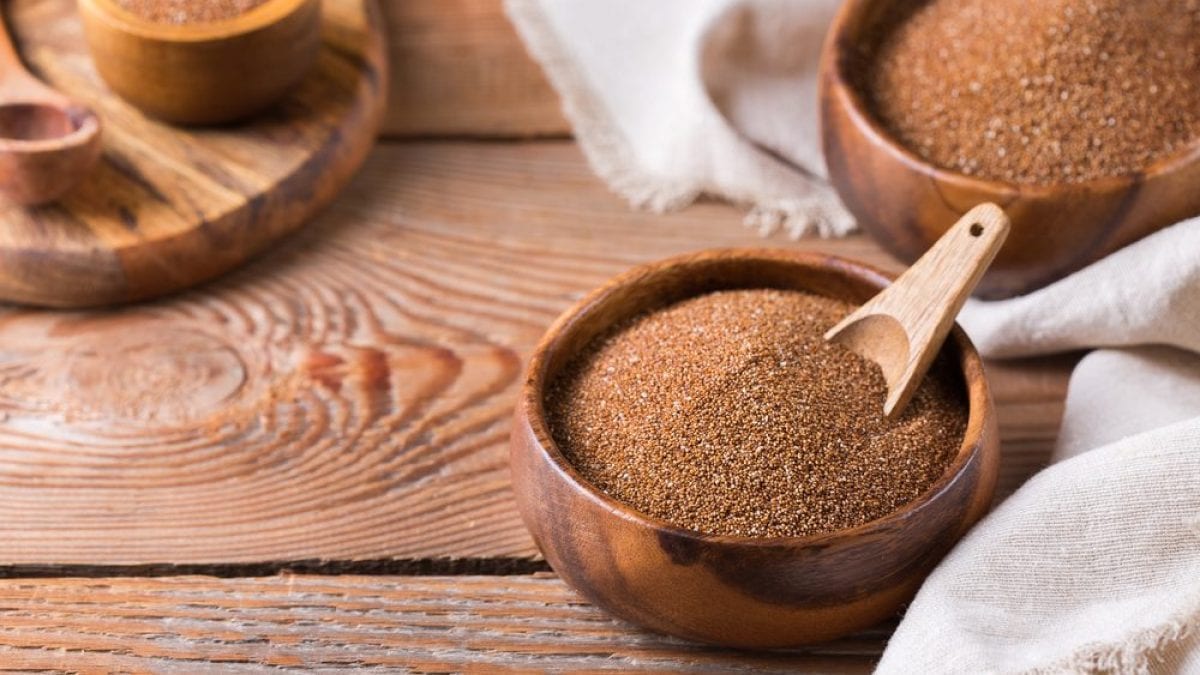
You may not have heard of it because it's not yet widespread in the West, but make a note of this name because it will be increasingly present in the diet of the future. We're talking about teff, a tiny gluten-free grain native to Ethiopia and Eritrea with a distinctive flavor and very rich nutritional properties. Teff's origins appear to be very ancient: some of its seeds were even found in the Great Pyramid of Ramesses. In fact, it's a widely used product in Africa, especially in the north of the continent, also because it's a true powerhouse of proteins that help give a feeling of satiety.
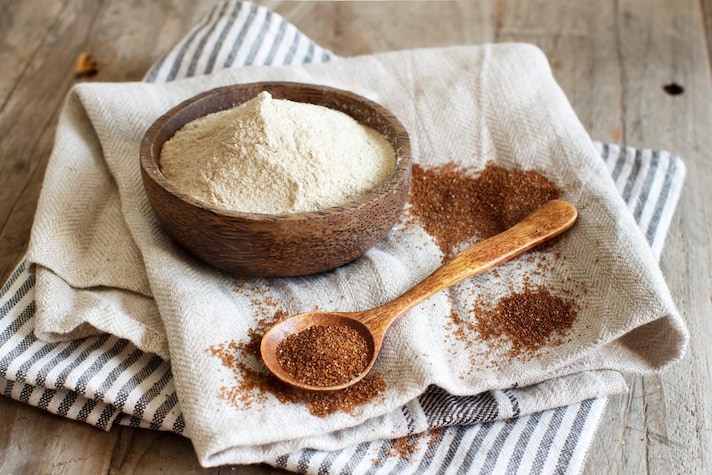
An excellent source of fiber and essential amino acids, as well as having a very low glycemic index, teff is consumed both as grains (cooked or raw) and transformed into gluten-free flour used to make various traditional dishes, particularly the Ethiopian bread called injera. It's not yet widespread in the West, but it's an excellent alternative to traditional flour because treff flour can be used to make everything from pasta to biscuits. Today, you can find teff for sale online or in physical stores specializing in natural and organic products.
What is Teff?
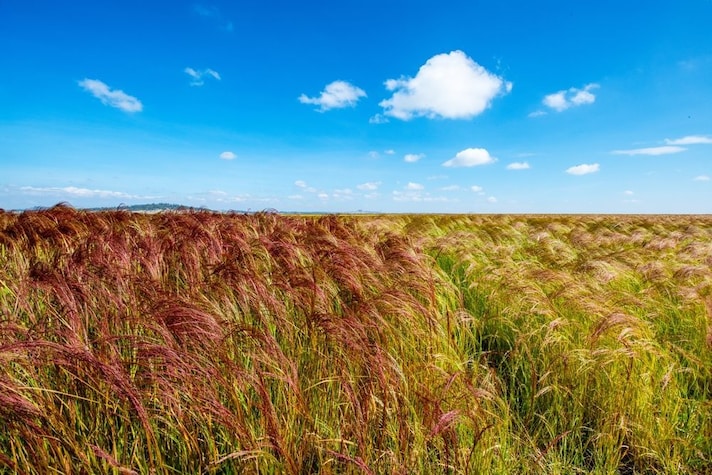
Teff is a cereal grain belonging to the Gramineae family and is considered the smallest cereal in the world: its grain has a diameter of about 0.8 millimeters, and 150 teff grains are needed to make it the size of a wheat grain. Even its name reflects its small size: it derives from the word teffa, which in Amharic (the official language of Ethiopia) means lost; in fact, teff is so small that it risks being lost precisely because of its miniscule size.
The grain is native to Northeast Africa and Southwest Arabia: its first findings date back to 4,000 BC in Ethiopia. Even today, Ethiopia, along with Eritrea, is the country that consumes and produces it the most. The treff grain looks almost similar to a poppy seed; it can be dark in color or ivory, a version considered more valuable. Its flavor is very delicate, sweetish, with an aftertaste reminiscent of walnuts.
Teff's Properties
Teff is a valuable food thanks to its nutrients, which make it particularly beneficial for the human body. The cereal is particularly rich in calcium, essential amino acids, and fiber, but above all, it is a true protein powerhouse: it contains between 12 and 14 grams per 100 grams of food.
Teff is a good source of calcium, potassium, and complex carbohydrates, but above all, it has a very low glycemic index, making it suitable for diabetics, dieters, and those who participate in heavy exercise. In fact, it has a high nutritional value, which is why it is considered a good dietary supplement. Easily digestible, teff's many benefits include controlling hunger pangs, promoting bowel regularity, regulating blood sugar levels, and acting as an antioxidant on tissues and organs.
How to Use Teff in Cooking
Teff is a versatile food that can be used in many ways in the kitchen. The seeds can be eaten raw, in place of traditional seeds, walnuts, pine nuts, or peanuts. Remember that teff seeds have a delicate, sweet flavor, but the darker the seed, the more intense the flavor.
Alternatively, you can also cook teff seeds by placing them in hot water at a 2:1 ratio (i.e., 2 parts water to 1 part grain). Once cooked, it pairs very well with legumes, especially beans and chickpeas, and with tofu. It also lends itself to being used in rich soups or as an accompaniment to vegetable or meat dishes.
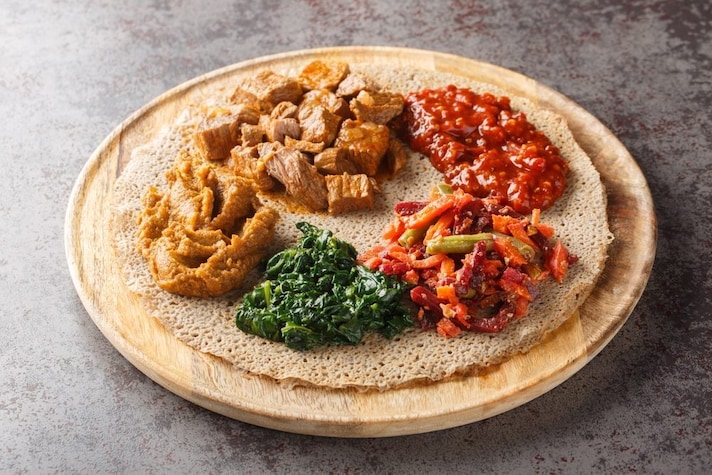
The most common way you can find and use teff is ground and made into flour, which is essential in Eritrean, Ethiopian, and Somali cuisine for making injera, an unleavened bread that resembles a flatbread in shape but has a spongier texture that makes it more like a crepe.
Teff flour is also perfect for use in more Western recipes. It's ideal for making desserts like cookies, cakes, or pancakes, or for savory recipes like pizza and pasta. Teff pasta is especially delicious and pairs well with white meat ragùs, vegetable sauces, and Mediterranean flavors like olives, capers, and datterini tomatoes.

