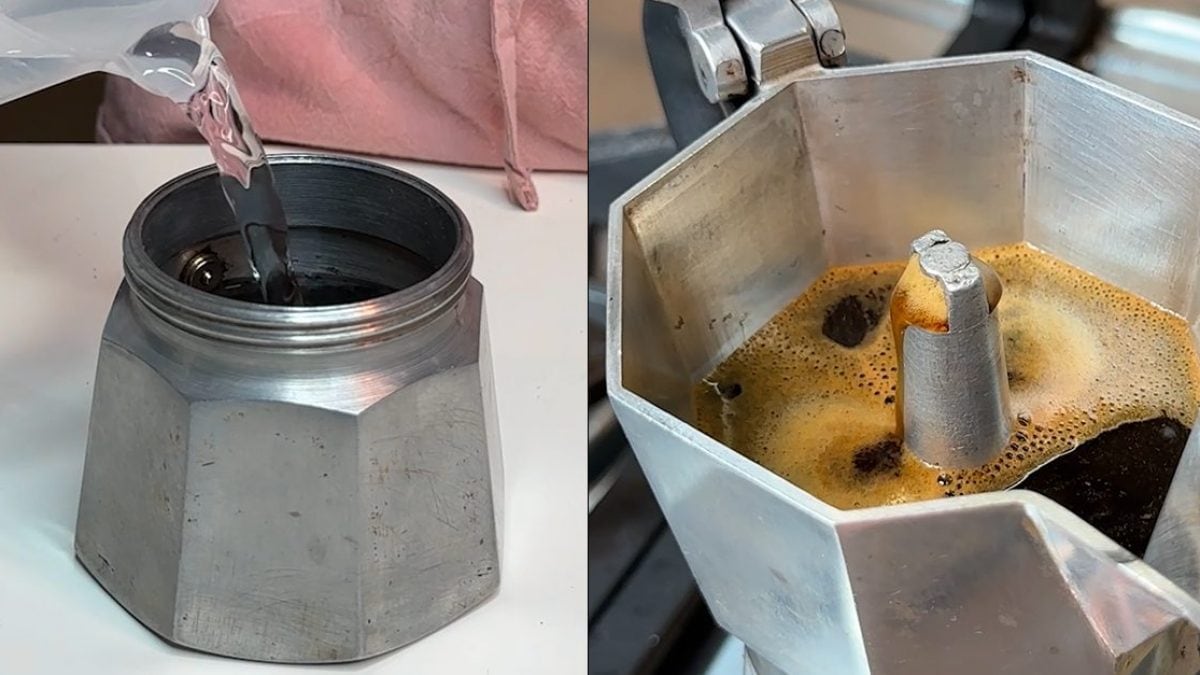
Often overlooked, water is actually one of the key elements for making good coffee with a moka pot: its quality significantly affects the final flavor of the drink, influencing the extraction of aromas and coffee compounds. Water acts as a solvent, extracting essential oils, acids, and other substances from the ground coffee that give the drink its characteristic aroma and flavor. Good-quality water allows for a balanced coffee, without metallic notes or off-flavors. But what should the water be like for a moka pot? Can you use tap water, or is bottled water absolutely necessary?
What Should The Water For The Moka Pot Be Like?
Choosing the right water for your moka pot can make a big difference in the final taste of your coffee. The ideal water for your moka pot should be:
- Not very mineralized. Excessive mineralization can leave deposits in the moka pot and alter the flavor of the coffee.
- Slightly acidic. A slightly acidic pH favors the extraction of coffee aromas.
- Fresh, or at least not stale. Fresh water enhances the flavor of the coffee and ensures a more intense aroma: avoid using water that's been sitting in the carafe for days.
Why is water so important? As we were saying, water is the solvent that allows the aromas and compounds of coffee to be extracted: good quality water enhances the characteristics of the coffee, while water rich in impurities can alter its taste and aroma. Good quality water, combined with freshly ground coffee and a well-cleaned moka pot, will allow you to enjoy an aromatic and intense coffee.

What Are The Best Options?
The characteristics listed are clearly indicative, because it is almost impossible to scientifically control all of these parameters. However, based on the indications, to prepare your coffee at its best you can choose:
- Filtered water. This is the most recommended choice, as it removes most impurities and chlorine, improving the flavor of the coffee.
- Natural mineral water. If you choose bottled water, opt for one with a low fixed residue and a slightly acidic pH.
- Spring water. If you have access to a source of fresh, clean water, you can use it. Just make sure it's drinkable and free of pollutants.

Which Water Should Never Be Used for a Moka Pot?
There are some options you should preferably avoid and others you should never choose. The reasons are varied, but they all relate not only to the final result—the flavor of your coffee—but also to the moka pot itself.
- Unfiltered tap water. Tap water may contain chlorine and other substances that can alter the taste of coffee. If you decide to use it, always use a filter jug.
- Distilled water. Distilled water lacks minerals and can make coffee taste flat and lack character.
- Carbonated water. The bubbles in carbonated water can affect the extraction of the coffee and alter its flavor.
;Resize,width=767;)
