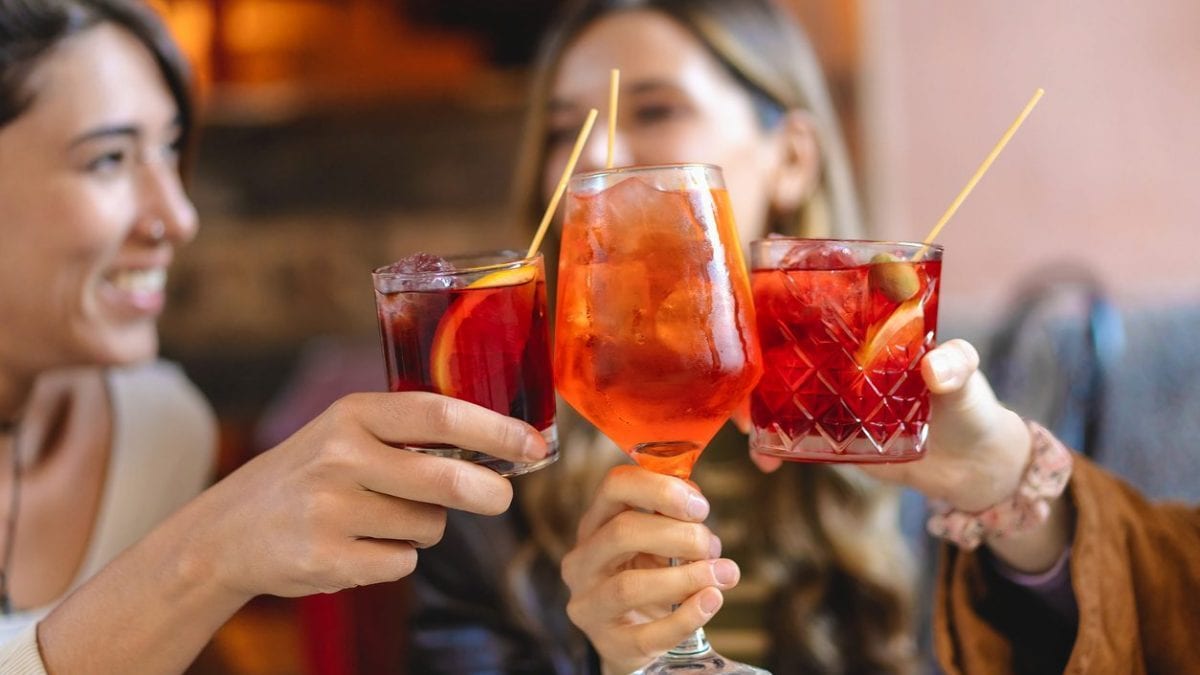
The world of alcoholic beverages is undergoing a revolution. While in the past the choice was between a glass of water and a glass of wine or whisky, today the panorama has been enriched by an entire category of drinks: low-alcohol or completely non-alcoholic beverages, protagonists of the trend known as zebra striping. This phenomenon, increasingly widespread among the new generations, consists of alternating alcoholic and non-alcoholic drinks during the same evening. This strategy not only promotes better hydration, but also helps the body metabolize alcohol more gradually, reducing the risk of drunkenness. But how widespread is this practice? What is its origin? And above all, is it catching on in other parts of the world? Let's delve deeper into this interesting evolution of mindful drinking.
What is Zebra Striping?
The term "zebra striping" appears to have British roots and appeared between 2023 and 2024. Although the name is recent, the concept of alternating alcoholic and non-alcoholic drinks is by no means new. In the past, it was recommended to alternate alcohol intake with water to keep the body hydrated. What makes zebra striping unique today is the wide range of no- or low-alcohol products, making this practice not only healthy but also tasty and satisfying.

According to the latest Distill report from global beverage giant Diageo, zebra striping is set to become one of the top trends of the late 20s. With an increasingly rich market of no-low- alcohol labels , consumers are finding innovative, quality solutions that allow them to enjoy socializing without compromising their physical well-being. The question remains: is this trend driven by a desire to drink more healthily or simply by improved offerings? Many bars are making great strides in offering non-alcoholic drinks that now rival (and often surpass) their "colleagues" on alcohol-rich menus. It wouldn't be so absurd, then, for young and old to alternate drinking for pure enjoyment and not out of any hypothetical concern for their health.
The report's data, however, speaks clearly: zebra striping is particularly popular among the under-24s, especially in the UK. Generation Z, characterized by a "sober and curious" approach, demonstrates a growing focus on a balanced lifestyle. According to a survey conducted by the British consultancy firm Kam, 80% of young Britons regularly alternate between alcoholic and non-alcoholic drinks when out and about. This approach contrasts with the 66% recorded among older generations.
The phenomenon isn't limited to the United Kingdom. In the United States, for example, events and venues dedicated to no-holds-barred drinks are proliferating, aided by growing awareness of the risks associated with excessive alcohol. In Australia and some European regions, such as Scandinavia, this practice is also on the rise, driven by a culture of responsible drinking.
In Italy, there's a major "limitation" with wine: they're a nation of wine drinkers, and it's more difficult to alternate between alcohol-free beverages when that's the first choice, as there are no alcohol-free wines (at least for now) legally accepted. Even when they do, we'll have the problem of taste: the trend, however, is fueled by the increasing quality of this type of beverage. Abroad, the trend is much more advanced: in Great Britain and the United States, zebra striping is now very common; in Japan, responsible drinking is actually becoming a problem because the government receives too little money from alcohol excise taxes. More similar to Italy are Spain and France, which share a drinking culture, but even there, the trend is on the rise.
;Resize,width=767;)
