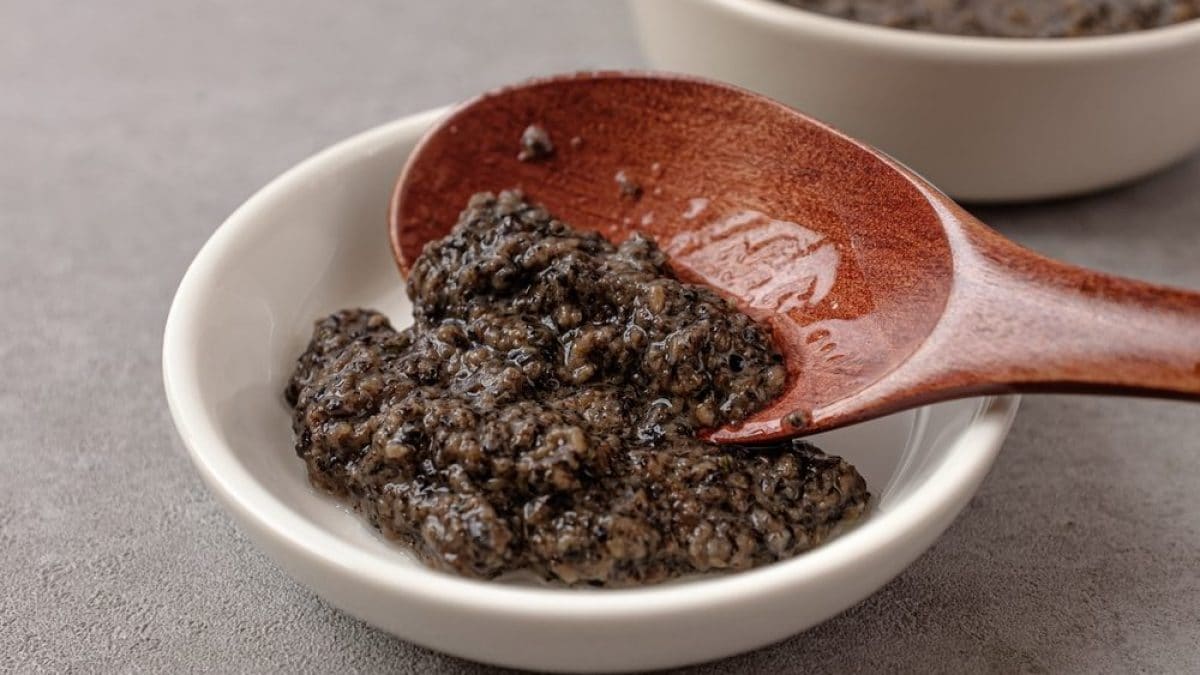
Truffles are one of the rarest, most precious, and most expensive products of the earth: highly perishable after harvest, difficult to find and harvest because they grow underground, and a single piece can fetch astronomical prices on the market. So how is it possible that there are dozens of truffle-infused products on the market, even on the shelves of your local supermarket? From oils to mayonnaise, from butters to cheeses, even sauces and creams, there are countless products containing truffles.
The doubt arises from their cost, often very affordable, compared to a product that in reality is not affordable, indeed it is considered a rather luxurious food and the consequent question is legitimate: are there really truffles inside these products? Let's specifically analyze the most popular products, truffle creams and sauces, marketed both by companies famous for the trade and production of truffles and by brands specialized in the production of sauces in general.
What's really in these sauces? Often, it's not truffle but an artificial compound that mimics its smell and flavor. This is used because truffle sauces last longer, cost less (both in terms of sales and production), and last longer, thus satisfying the foreign market as well. But what is this compound? Is it safe for your health? Does this mean all truffle sauces are some kind of "cheat"? The truth, as always, lies somewhere in the middle: let's discover the secrets behind truffle sauces because all that glitters is not gold, but don't be overly discouraged either.
What Does Truffle Sauce Really Contain?
If you're a discerning consumer, you've probably wondered at least once: is there really truffle in truffle sauce? You were right, because the answer is: not always. Sauces and products claiming to contain truffles may not actually contain this ingredient. Even when it is present, remember, we're still talking about negligible quantities. In high-end creams, the best-case scenario is 5% or even 10%, but it's almost always less than 1%.
So how is it possible that the smell and taste are exactly those of truffles? The truth is that the truffle smell and distinctive taste are due to the presence of an artificial component that mimics the truffle aroma but is created in a laboratory, sometimes simply added to these products to intensify the minimal presence of real truffle, often present in place of the mushroom. The compound is called bismethylthiomethane, a substance naturally present in truffles and responsible for their intense smell and flavor. Why not get it directly from there, then? The problem is that extracting it from truffles is very expensive, and so research has discovered how to produce the same substance in the laboratory at very low cost.

Thus, artificial bismethylthiomethane was born, and not without a stir, since it is extracted and processed from petroleum particles. Yes, you read that right, petroleum: this compound is responsible for the truffle aroma in sauces, and while it may seem incredible, every single particle of the substance contains all 40 truffle aromas. Although it is a petroleum derivative, don't be alarmed: bismethylthiomethane is not harmful to your health and is completely legal, but, due to lacking and still unclear legislation, it can mislead less experienced consumers and also damage the companies that actually offer truffle-based products, at a significantly higher market price.
The oil particle actually has a slightly different flavor on the palate than the identical, but natural, particle found in truffles: when you notice an excessively persistent truffle flavor and a slightly artificial smell in your mouth, it means there's too much bismethylthiomethane and too little truffle in the jar you bought. However, the difference is very subtle, and unless you're an expert truffle taster, it's almost impossible to taste the difference, unless you're using a very low-quality cream.
This compound is found not only in oils and creams but in all truffle-based products: various cheeses, risottos, and ready-made pastas are full of bismethylthiomethane, and not only that, because it's very common to add other ingredients to "mask" the absence of real truffles. For example, in all truffle creams and products, you'll find the presence of mushrooms, olives, and other compounds seemingly "out of place" with respect to your purchase because these products are able to absorb bismethylthiomethane, diluting its odor.
But don't worry, there are also truffle sauces with natural flavors, where the artificial substance is absent or used minimally only to give a boost of smell and flavour: you can certainly distinguish them by the selling price, which is much higher than that of a truffle sauce based on artificial flavours, but if you want further safety all you have to do is learn to read the label carefully.

Remember that you'll never find the word "bismethylthiomethane," a difficult word that could discourage purchases: the compound is "hidden" under the generic term "flavorings." Usually, if "natural" isn't listed, it's likely artificial flavorings. The best creams have few ingredients, especially flavorings at the end of the list: when they're listed at the end, it means there's a lower presence of bismethylthiomethane because by law, when the percentage isn't indicated, the list must follow a decreasing order of the presence of that ingredient.
Is Truffle Sauce With Artificial Flavors Bad For You?
In light of what has been discovered, it's natural to ask the question about the safety of truffle sauces and all other similar products: are they safe to consume, or is there any risk in eating them? As always, the product itself isn't harmful; it's basically harmless. What makes the difference is how aware you are when purchasing it and how often you consume it.
The presence of artificial flavors isn't inherently negative; in fact, they're found practically everywhere—furaneol is used for strawberries, allylpropyl disulfide for onions, and apiol for parsley, to name just a few—they're essential to the food industry and are the result of significant scientific research. Without artificial compounds, many everyday consumer products wouldn't reach our tables.
There are excellent truffle sauces with small amounts of artificial flavorings, used to give the truffle cream the necessary boost, but still of great quality. There are also inferior products; it's all about learning to recognize them. To be enjoyed at its best, truffles must be raw, fresh, and eaten within a few hours of extraction. However they are processed, they will never be the same. But if you like truffle cream, that's no problem. Continue to buy and enjoy it, taking care to moderate your consumption and always look for the highest-quality product with the greatest possible presence of "real" truffle.
;Resize,width=767;)
