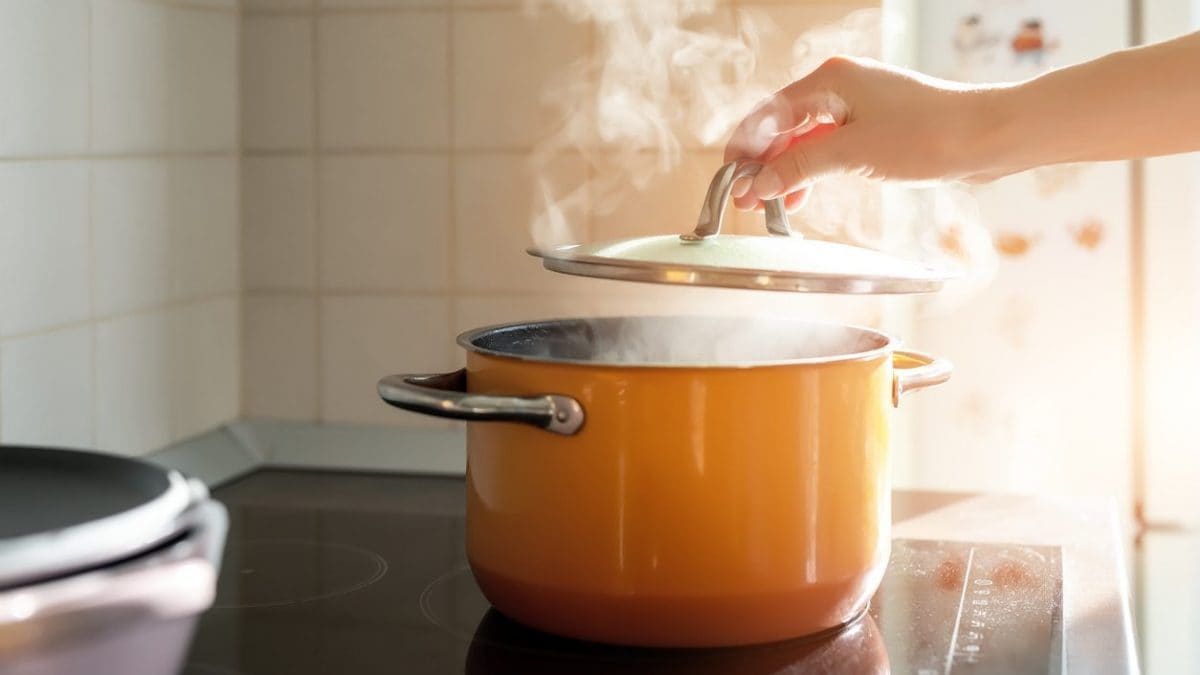
In the kitchen, even the smallest gestures can make a difference, and even the most obvious ones can improve a recipe or make it a complete disaster. This is the case, for example, with the use of a lid, a highly underrated tool that raises many questions, especially regarding how, if, and when to use it.
Using a lid to cover your cooking isn't a random decision: it has a specific purpose, primarily to retain heat and prevent it from escaping, resulting in a stable temperature and more even cooking. It also helps speed up certain processes, such as heating water. For this very reason, however, cooking with a lid isn't suitable for all recipes, as in some cases it could backfire and ruin your cooking. What foods and dishes benefit from using a lid, and when should you avoid using it to avoid ruining the recipe? Here's a guide to help you avoid mistakes.
Never Use a Lid With Pasta and Rice (Except When Boiling Water)

Let's start with main dishes: in this case, the lid is only useful for speeding up the boiling process, and is therefore very useful because, by keeping the heat inside the pot, it speeds up the process and heats the water much faster. However, when it comes to cooking pasta with its sauce or stirring a risotto, the lid is strictly forbidden: when you cover the pot, in fact, all the cooking moisture remains inside, which impedes and slows both the browning and the cooking process; both rice and pasta cooked in the pan, on the other hand, need to "breathe" to reach the right consistency. Furthermore, when cooking pasta, the lid should also be removed to prevent the starches, which form the typical foam, from creating annoying spills.
When It Comes to Meat, It Depends on Cut and Type of Cooking

Regarding meat, there's no general rule: whether or not to use a lid depends on the type of cut and, above all, the cooking method you intend to use. In general, remember that a lid is helpful for all recipes that contain liquids, such as braising, meat in sauce, and stews, because it helps maintain maximum hydration of the food and the sauce in the pot and is essential for keeping the meat tender, especially during long cooking times. Just be careful to check the cooking process regularly so as not to overcook everything with excessive moisture. Don't use a lid, however, if you're grilling, roasting, or frying: its presence would hinder evaporation and risk compromising the golden crust we so desire.
Fish, Mussels and Clams

Fish: here too, the use of a lid depends on the type of preparation and cooking. The same rule applies as for meat, so stewing requires a lid to help maintain the amount of moisture inside the pot; however, avoid using a lid for cooking in foil, grilling, and frying. Mussels and clams are a different matter: in these cases, a lid is always necessary, because a few minutes on high heat will suffice, and the steam retained by the lid will do its job, opening your mollusks.
What About Vegetables?

To cook vegetables perfectly, you don't always need a lid; again, it depends on the consistency of the vegetable you're cooking. Firmer vegetables, such as potatoes and carrots, love the heat created under a lid because it allows them to soften without drying out. Furthermore, the cooking time, which is generally longer, is shortened by using a lid. If, on the other hand, you're cooking vegetables that are particularly absorbent and naturally watery, such as mushrooms, you shouldn't use a lid because the trapped steam would make them soft, causing them to lose flavor and consistency. The same goes for many green vegetables, such as spinach and chard, which need to breathe during cooking: if you keep them covered, their bright color fades and they become dark, mushy, and unappealing.
Always Use a Lid When It Comes to Soups and Broths

Soups, broths, and cream soups — but also stews, as we mentioned—are the perfect recipes for using a lid. In fact, it's always recommended for these types of dishes. Why? Using a lid, especially for long, low-heat cooking like these, is essential for maintaining the heat inside the pot and preventing the ingredients and the liquid from evaporating completely. Furthermore, a well-covered pot ensures that the ingredients cook evenly, without drying out too much, and that they all turn out soft, juicy, and flavorful.
Never Use a Lid While Frying or Sautéing Foods

A simple but fundamental rule to never forget: when frying or sautéing (no matter what), never use a lid. The moisture that builds up inside quickly compromises the browning and takes away the crispiness that makes a well-made fry or sauté irresistible. In these cases, therefore, it's best to leave the pan uncovered and allow the heat to work directly.
;Resize,width=767;)
