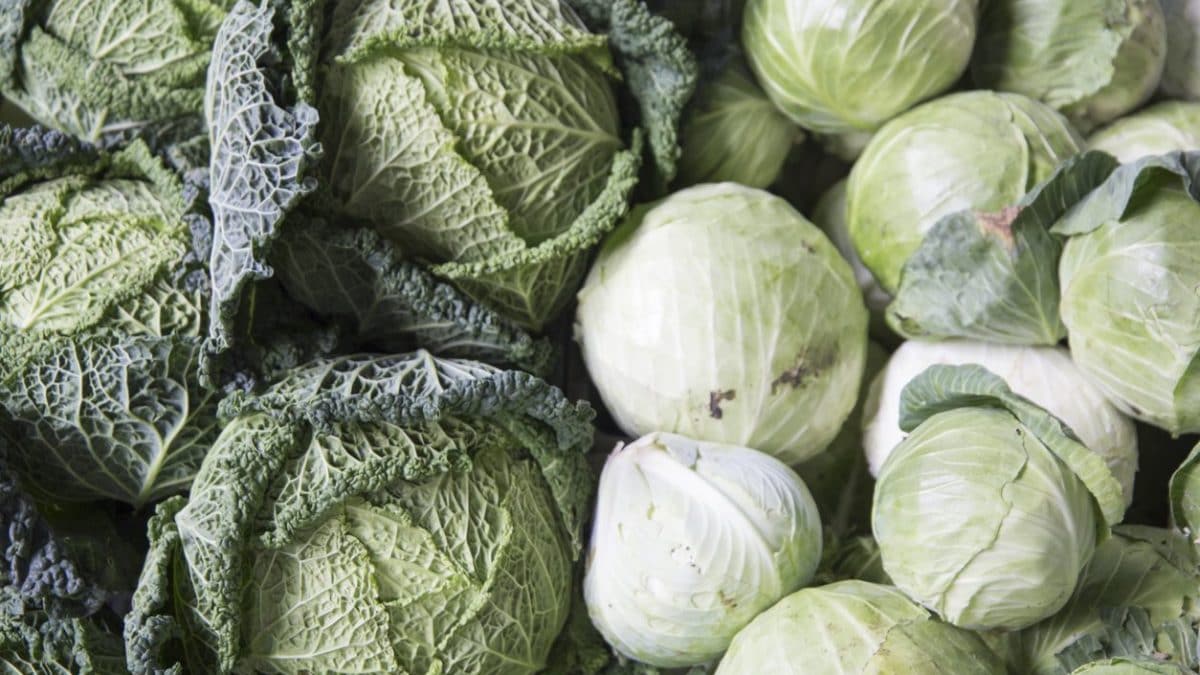
It's easy to confuse white cabbage and Savoy cabbage: both are actually varieties of the same type of cabbage, specifically the family scientifically known as Cruciferae, specifically belonging to the Brassicaceae species. Both are the protagonists of countless autumn and winter recipes, and are also excellent allies for the body, with anti-inflammatory and antioxidant properties that boost the immune system.
Despite their many similarities, however, the two vegetables also have many differences, from the shape of their leaves to their color and how they are consumed: here's what you need to pay attention to to learn how to distinguish the two varieties of cabbage.
How to Tell the Difference Between Savoy and White Cabbage
The very first thing you need to know to learn how to distinguish between Savoy cabbage and white cabbage is their appearance: if you look at them more carefully, you'll notice that they have a slightly different shape. While white cabbage looks like a very smooth and compact ball, Savoy cabbage still has a round appearance but is less compact and more knobbly.
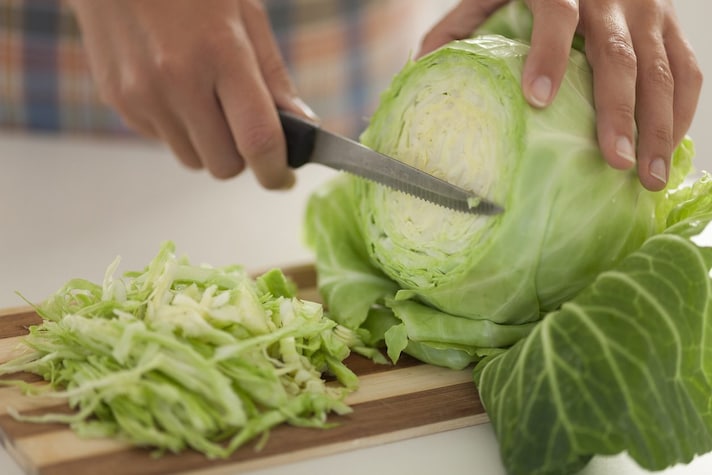
The trick to truly learning to distinguish the two varieties, however, involves observing the leaves: those of the white cabbage are smooth and shiny, with a large central rib and many smaller, thinner veins. Savoy cabbage, on the other hand, has wrinkled, ridged leaves, very prominent veins, and a thick, tough central rib.
Color can also be very useful in distinguishing the two vegetables: Savoy cabbage is always green, lighter or darker, or at most has yellowish hues, while white cabbage exists in the classic green color, but also in red, white and purple.
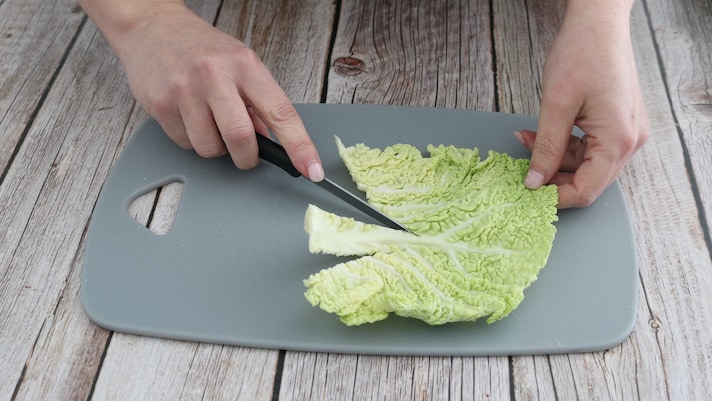
What About Kale (Black Cabbage)?
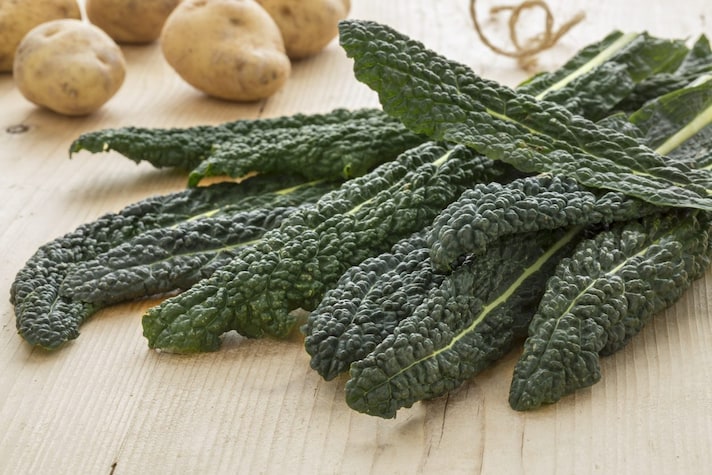
Although different from cabbage and Savoy cabbage in shape and color, black cabbage (or kale) can be considered a sort of "cousin" of both: it also belongs to the Cruciferae family of the Brassicaceae genus. The fundamental difference, besides the very dark color reminiscent of black, is that this cabbage does not have a central head but grows in long, crisp, curly leaves. It is a very precious variety for the stomach and intestines.
Savoy Cabbage and White Cabbage's Benefits
From the point of view of their benefits for the body, Savoy cabbage and white cabbage are very similar: both, in fact, are very important for health, have anti-inflammatory, antioxidant and anti-tumor properties, lower blood pressure, strengthen the immune system and protect the heart.
The differences are mainly in terms of vitamins: while cabbage is rich in vitamin C, Savoy cabbage is also rich in vitamin A, vitamin B9 and vitamin K, as well as having a high concentration of mineral salts.
Savoy cabbage is also an excellent draining and detoxifier, because it is mainly composed of water, while purple cabbage is, like all purple fruits and vegetables, a great ally in the fight against free radicals and cellular aging.

How to Cook White Cabbage and Savoy Cabbage
The other major difference between Savoy cabbage and white cabbage is the way they can be used in cooking: generally speaking, Savoy cabbage is always cooked, while white cabbage is also excellent raw. Both types of cabbage can be used in a wide variety of recipes, from traditional to more creative.
With white cabbage, for example, you can cook: we recommend cabbage and cheese flan, excellent both cold and freshly baked, classic cabbage and sausage rolls, or tasty cabbage and potato cream soup. But there are many other recipes to showcase it, from first courses to flans.

Cabbage also lends itself to many different preparations. It is widely used in Northern European cuisine, where it is fermented and thus made more digestible: we are talking about the famous sauerkraut, both in the classic (German) version and in the Tyrolean variant. In addition to being eaten raw, in salads or cut into very thin strips and dressed with sour cream, as is done in the recipe for coleslaw, it is also very tasty cooked as an ingredient in many delicious recipes.
;Resize,width=767;)
