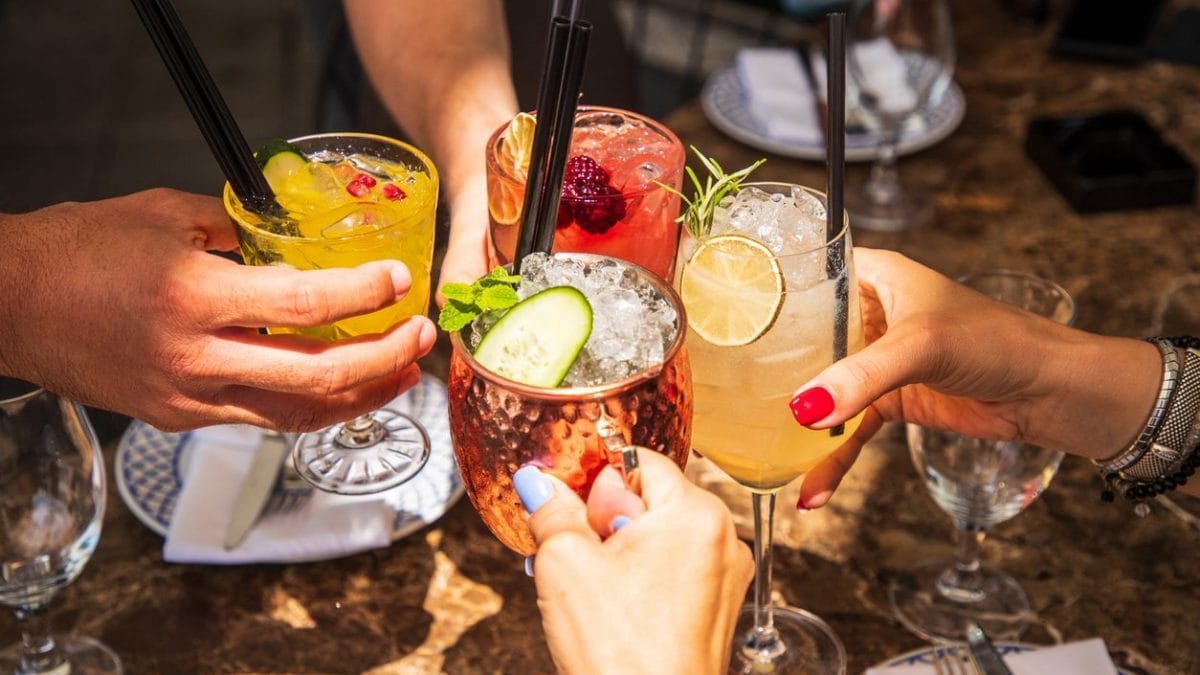
Balanced mixes of alcoholic beverages (and more) that surprise and delight with original, aromatic, and harmonious pairings. Behind each cocktail lie precise preparation techniques, a balance of doses, and serving tips that further enhance them. From an Americano for an after-work aperitif to a Mojito that takes center stage on the beach, these are drinks that have become part of the collective imagination. Why are they called that? Where does the word "cocktail" come from? There's no real explanation, and that's precisely the beauty of it, given that, on the contrary, there are so many interesting facts about them.
The Origin of The Name "Cocktail" Under the Sign of Legends
Let's start with a certain date, which represents a valid reason for every mixology enthusiast to sip a drink: May 13th. It is the day on which World Cocktail Day is celebrated and was not chosen at random as it refers to the first known use of the word cocktail in connection with this type of drink. It was the year 1806 and in the New York tabloid The Balance and Columbian Repository, editor Harry Croswell, in response to a reader's question, defined the cocktail as "a stimulating liquor composed of spirits of any kind, sugar, water and bitters". Although there are earlier written accounts of the cocktail, one in 1798 in a London newspaper and a later one in 1803 in a North American magazine, this has been identified as its "official birth".
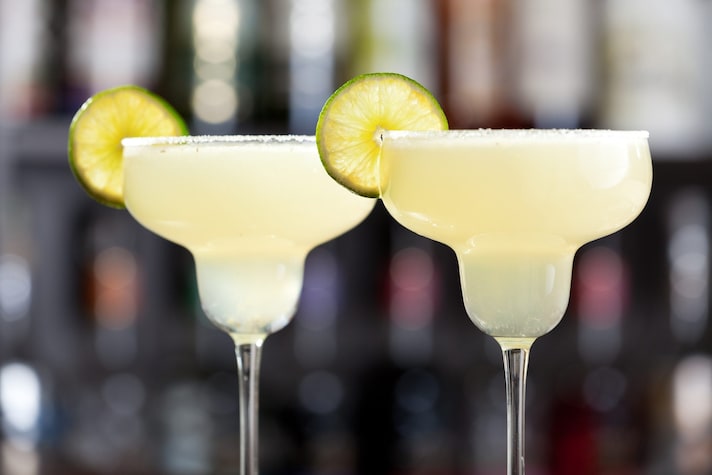
The etymology of the term, however, is a whole other story: there are numerous theories, often imaginative, but none is considered truly definitive. The first to be cited is the one found in the monumental Oxford English Dictionary, which refers to the world of equestrianism and horse racing: horses of non-purebred, but common, breeds were called cock-tailed, as their tails were partially cut so that they stood out. These animals are the result of a mix, just like cocktails. Another hypothesis, however, traces the word back to the French expression coquetier, which indicates an egg container: the first person to serve his drinks inside in the second half of the 19th century in New Orleans was the Creole pharmacist Antoine Amédée Peychaud, inventor of the eponymous and famous bitter that is the basis of the Sazerac, one of the most iconic cocktails in Louisiana and the entire United States.
And what do roosters have to do with it, given that in English the literal meaning is "rooster's tail," from cock (rooster) and tail? Moving into a more folkloric universe, ancient ways of presenting drinks come into play, embellishing them or mixing them with rooster feathers or preparing them with a Mexican root called "cola de gallo." Going back in time, as early as the 15th century, it is said that in the British countryside, a colorful drink with colors resembling those of roosters' tails was being drunk.
The IBA and the Classification of Cocktails
While the history of cocktails has a vaguely anarchic feel, the International Bartenders Association (IBA) is responsible for establishing a solid foundation for their classification. This professional organization was founded in England in 1951 by seven national associations (there are now over 60) from Denmark, France, Italy, the Netherlands, Sweden, Switzerland, and the United Kingdom. Among its many responsibilities is the periodic registration of cocktails, creating an official list divided into three broad categories:
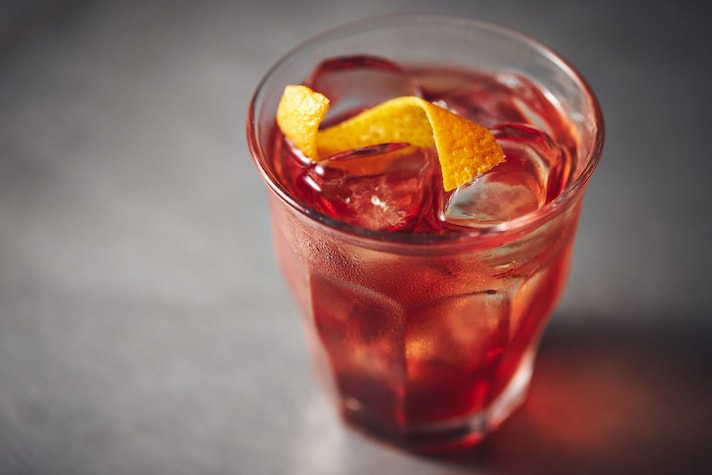
- The Unforgettables: the timeless drinks, like the Negroni, the Old Fashioned, the Daiquiri, and the Dry Martini. They are the pillars of mixology.
- Contemporary Classics: drinks that are more recent than the previous ones, but are now considered evergreens. Some examples? The Bellini, the Cosmopolitan, the French 75, and the Cuba Libre.
- New Era Drinks: These are recipes that follow trends and changing consumer preferences. Among the best-known are the Spritz and the Espresso Martini.
Each cocktail included in the IBA list—102 in 2025—is codified with precise ingredients and procedures (shaken, stirred, served over ice, etc.). The goal is to ensure uniformity and quality worldwide: whether you order a Bloody Mary in Milan or Tokyo, you should recognize it at first sip.
;Resize,width=767;)
