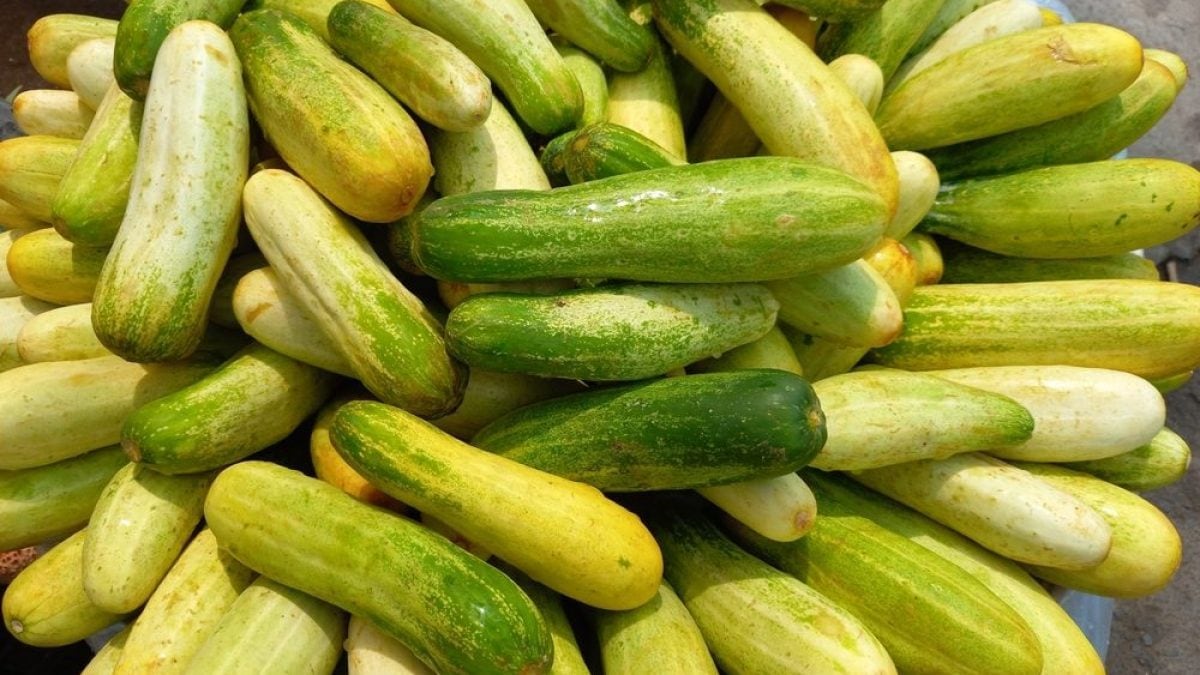
Among the typical summer vegetables, one of the protagonists is undoubtedly the cucumber. Loved and hated – it's difficult to find middle ground – Cucumis sativus belongs to the Cucurbitaceae family, the same as pumpkins, zucchini and melons. It is particularly appreciated for its thirst-quenching, diuretic and purifying properties, being composed of 95% water, ideal in low-calorie recipes, although it can be indigestible for those with sensitive stomachs or suffer from gastrointestinal disorders, hence its being considered "heavy". There are several varieties on the market: unless we are referring to the specific yellow variety, then most cucumbers are characterized by a bright dark green color, with pale, crunchy flesh and a fresh, delicate flavor. However, it can happen that you see partially or completely yellow cucumbers in your garden: here's why it happens and what to do.
Why Do Cucumbers Turn Yellow?
When a cucumber starts to turn yellow, it's almost always a sign that something has gone wrong with its growth: the yellowing can affect the outside, the inside, and even the leaves. When it's a change in color in the fruit, the most common cause is overripeness —that is, you've left it on the plant too long and the chlorophyll has begun to degrade, causing it to look faded yellow.

The same deterioration also occurs in the refrigerator if a ripe cucumber is stored too long in a cold, humid environment, which causes it to rot. However, there are other factors to consider: for example, temperature changes, which cause the vegetable to ripen irregularly, presenting green and yellow parts, or nutritional imbalances, such as a nitrogen or potassium deficiency in the soil, which can lead to green cucumbers with yellow edges. If the leaves are yellow, watch out for parasites: these are symptoms of diseases caused by fungi, bacteria, or viruses.
Can You Eat Yellow Cucumbers?
It's generally not recommended to eat yellowed cucumbers like regular green ones, as they often have softer flesh containing many enlarged seeds. Their flavor is also altered, becoming more bitter, due to the increased presence of cucurbitacin, a substance toxic to our body if ingested in large quantities and present in all vegetables related to the Cucurbitaceae family. Don't throw them away immediately and give them a try, because these foods can still be edible if they are firm and have a neutral flavor, better if used cooked: if the flavor is unpleasant, as is the consistency, do not eat them. In some cases, they can be used for subsequent planting, removing and saving the seeds.
;Resize,width=767;)
