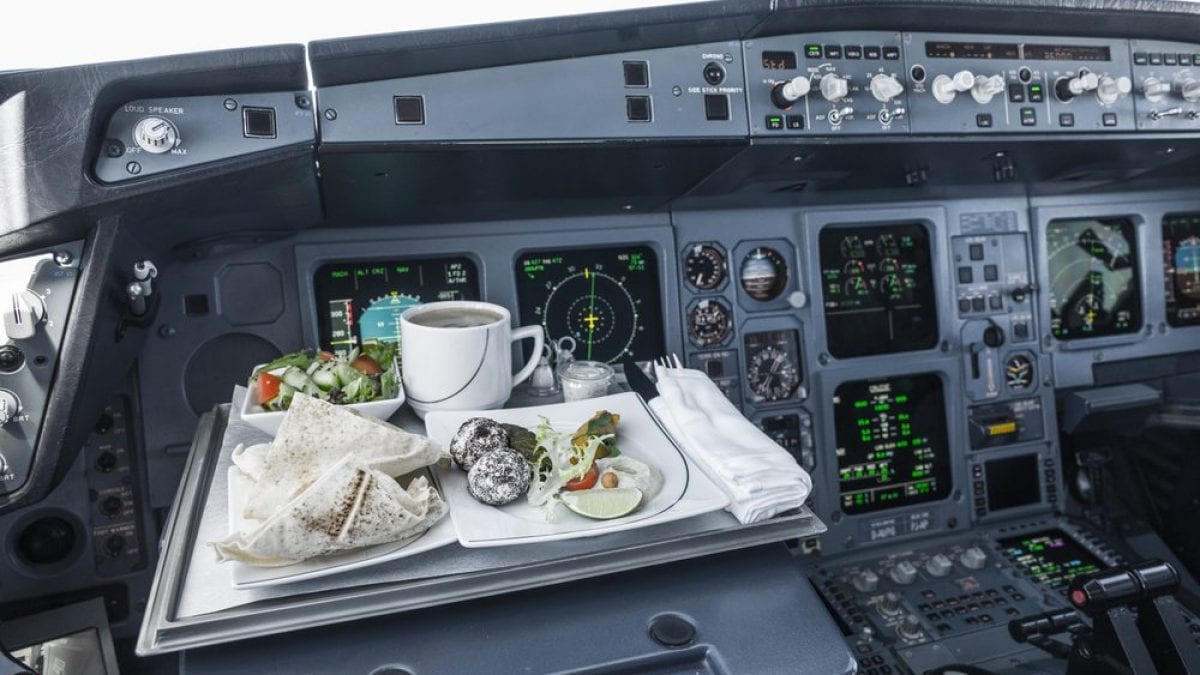
Can a plane's pilot's meal affect the safety of the flight and its passengers? Yes, precisely because of the conditions in which said meal takes place: at 10,000 meters above sea level, inside a cockpit, every decision can mean the difference between normality and emergency, even the pilots' lunch or dinner. A precaution little-known to passengers, but adopted by many airlines, is that the captain and co-pilot not only eat completely different meals from the rest of the crew, but that their two meals are also not the same. This is neither a whim nor a matter of personal preference, but stems from a very serious reason: taking as many precautions as possible to prevent both pilots from being "incapacitated" due to food poisoning. Do you think this is excessive? Not at all: in the past, on some flights, safety has been compromised precisely because of the pilots' meals. Let's find out how the pilots' diet works and why this rule is still followed today.
Why Do Pilots Have Separate Meals During Flights?
In commercial air travel, there's an unwritten but widespread rule among airlines: the two pilots in command, during a flight, avoid sharing the same meal with passengers and crew. In fact, their meals are usually not even the same. The main reason is operational safety: if both pilots ate the same food and that food was contaminated, or simply difficult for them to digest, they both risked simultaneously suffering from intestinal discomfort that could compromise their ability to safely pilot the aircraft.
To prevent this situation, many airlines adopt preventative procedures that provide separate menus for the captain and co-pilot, often served at different times. Furthermore, these meals, in most cases, are different from those of the passengers or the rest of the crew: pilots require light, easily digestible foods, and low in ingredients that could cause drowsiness or gastrointestinal upset. This is also because, at altitude, the human body reacts differently, with slower digestion, dehydration, and an altered sense of taste due to the cabin pressurization and low humidity.
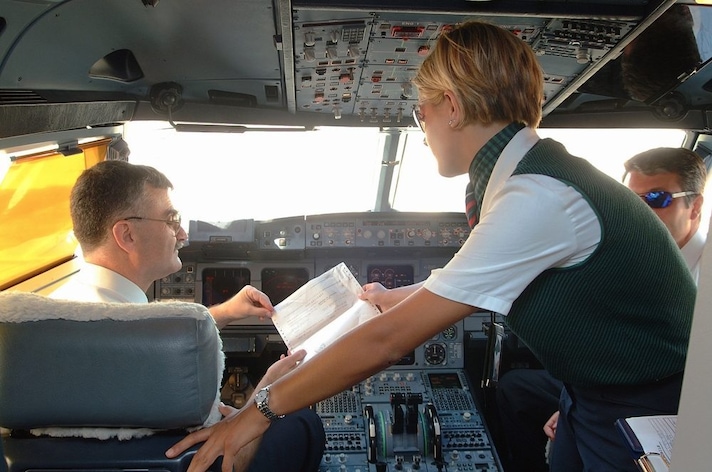
Today, food controls are strict and regulated, cold chains are digitally monitored, airline catering providers have extremely high hygiene standards, and inspections are continuous, making food poisoning on flights extremely rare. Why, then, maintain this rule? Because, no matter how effective the controls are, the people consuming the food are still humans who can become ill, and since they're pilots, the consequences of their illness could be catastrophic. It's a classic case of prevention being cheap and the potential benefit enormous: feeding pilots different dishes costs practically nothing, but completely eliminates the risk of both pilots being rendered ineligible by the same contaminated food.
The Risk of Not Giving Pilots Different Meals
Behind the decision to have pilots eat different meals lies a specific risk management strategy, designed to prevent a seemingly trivial problem from turning into an aviation emergency. The primary danger is food poisoning: food contaminated with bacteria such as salmonella or listeria, or improperly stored, could cause sudden and debilitating symptoms such as nausea, vomiting, fever, abdominal cramps, or dizziness. In a delicate environment like the cockpit, even a temporary illness can compromise mental clarity, reaction time, and decision-making ability—all essential functions during the most critical phases of flight, such as takeoff, landing, or managing any emergencies. The greatest risk, however, is that both pilots might suffer from the same problem at the same time after consuming the same meal: a situation that would drastically reduce the crew's ability to maintain control of the aircraft.
This may seem like an excessive precaution, but it's actually a safety measure born out of a series of incidents dating back to when there were no specific rules regarding pilot meals. For example, in 1982, a flight from Lisbon to Boston operated by the US airline Overseas National Airways had to divert an emergency route due to a poorly preserved pudding. A dozen crew members, including the pilot and flight engineer, simultaneously fell ill after eating the same dessert. Fortunately, the co-pilot hadn't eaten the pudding, and the plane landed safely, but it was a huge wake-up call for the industry. A more recent incident occurred in 2010 in the United Kingdom, with both pilots suffering from food poisoning while on duty. These incidents, while rare in the past, were nevertheless a very serious warning: given the delicate situation of a flight, even a single incident is enough to put hundreds of passengers at risk.
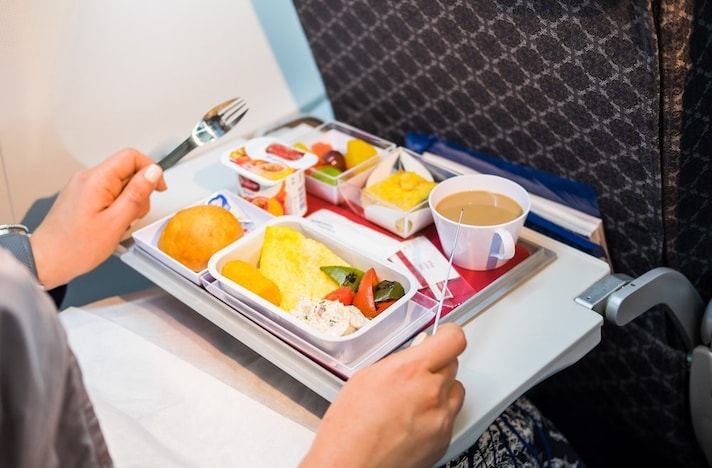
Modern aviation is generally based on the principle of redundancy, that is, the presence of systems and personnel capable of replacing one another in the event of failure or incapacity. If the captain and first officer were to experience the same symptoms at the same time, this very safety mechanism would be compromised. For this reason, many airlines continue to adopt strict rules for pilots. Some airlines have dedicated suppliers only for crews, others use the same suppliers but with additional controls, and meal times are scheduled to take into account critical phases such as takeoff and landing. Therefore, this is not simply a matter of habit or excessive caution, but a preventative measure designed to protect the operational continuity of the flight and ensure that at least one of the two pilots remains fully functional and capable of operating the aircraft safely.
Airline Rules for Crew Meals
Airlines and crews follow very specific rules regarding on-duty nutrition, especially on long flights, where passengers may spend several hours in the cabin. There are no general regulations applicable worldwide or for every airline, but there are a series of common guidelines based on the principles of prevention and operational safety.
The most common practice, as we've already explained, is to plan specific meals for the pilot and copilot, often prepared with different ingredients to reduce the risk of simultaneous food contamination. In some airlines, the two pilots receive separate menus already identified by the caterer, while in others, one pilot consumes the business class meal and the other the crew meal. Sometimes, they are even prohibited from sharing snacks, desserts, or drinks. There are also specific guidelines regarding the types of foods allowed. Dishes that are too heavy, difficult to digest, or particularly rich in fat, spices, and alcohol are generally not recommended, as they may cause drowsiness, reflux, or gastrointestinal upset. Hydration is another key aspect: the dry cabin air promotes dehydration and can reduce concentration and mental alertness, so crews are encouraged to drink water regularly and avoid excessive caffeine.
Another precaution taken by many airlines is to ensure that pilots eat at separate times, so that one remains fully operational while the other takes a break. Generally, pilots don't eat when they're hungry, but at a specific time, agreed upon before the flight. Obviously, no one ever eats during takeoff and landing; meal times are during cruise, when the flight is at its most stable.
How do crew meals work, however? In this case, the rules are much less strict, simply because if one flight attendant is sick, the others can cover for them. The crew, therefore, usually eats together and doesn't need separate menus; in fact, they usually all eat the same food offered to passengers. Flight attendants, however, must also follow certain precautions: they avoid eating just before the flight to avoid the risk of digestive problems during their service, and they try not to overdo the portions, because they must remain active and on the move throughout the flight.
Pilots' Diets And How Tastes Change at High Altitudes
Pilots' diets are surrounded by numerous curiosities, many of which are related to the effects that high altitude has on the human body and, in particular, on the perception of flavors. Even inside a pressurized cabin, the body is subjected to very different conditions than on the ground: the lower atmospheric pressure and extremely dry air temporarily alter the functioning of the taste buds and sense of smell. Since much of our taste depends on our sense of smell, flavors are less intense, especially sweet and salty ones, which can be perceived up to 20-30% less than on the ground. Furthermore, the constant noise of the engines also contributes to altering sensory perception, further attenuating delicate flavors and accentuating more intense ones. Conversely, the most flavorful, spicy, and umami-rich foods are those that withstand high altitude best. As a result, airlines increase the amount of salt and spices in their dishes, often 20-30% more than standard recipes, but passengers hardly notice: a dish prepared for an in-flight might be over-seasoned if eaten on the ground, but perfect at 10,000 meters.
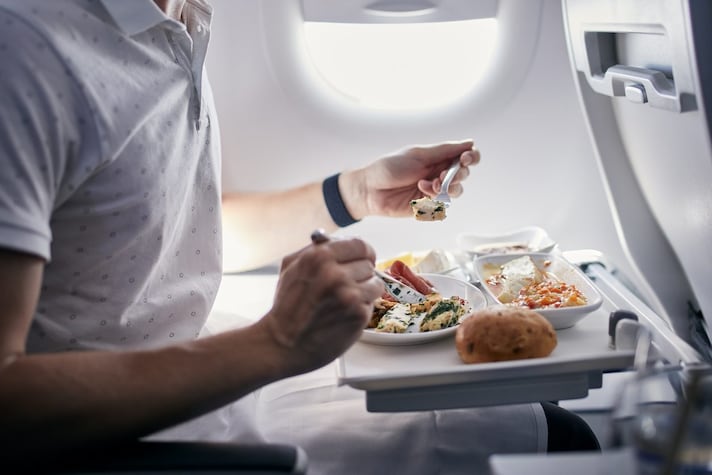
Preparing food served on board aircraft requires special attention, which is why it's handled by specialized inflight catering companies, who work closely with airlines to develop menus. These must be food safety-compliant (in-flight poisoning can be a bigger problem to manage than on the ground), easily transportable, and, last but not least, palatable. Even greater care is needed when it comes to pilots' food. Give priority to light but nutritious foods, easily digestible and capable of maintaining concentration throughout the many hours of flight. It's best to avoid fermented foods, overly elaborate meals, foods that can cause gas (such as legumes), and carbonated drinks, as changes in blood pressure also affect digestion and can increase bloating and gastrointestinal discomfort.
;Resize,width=767;)
