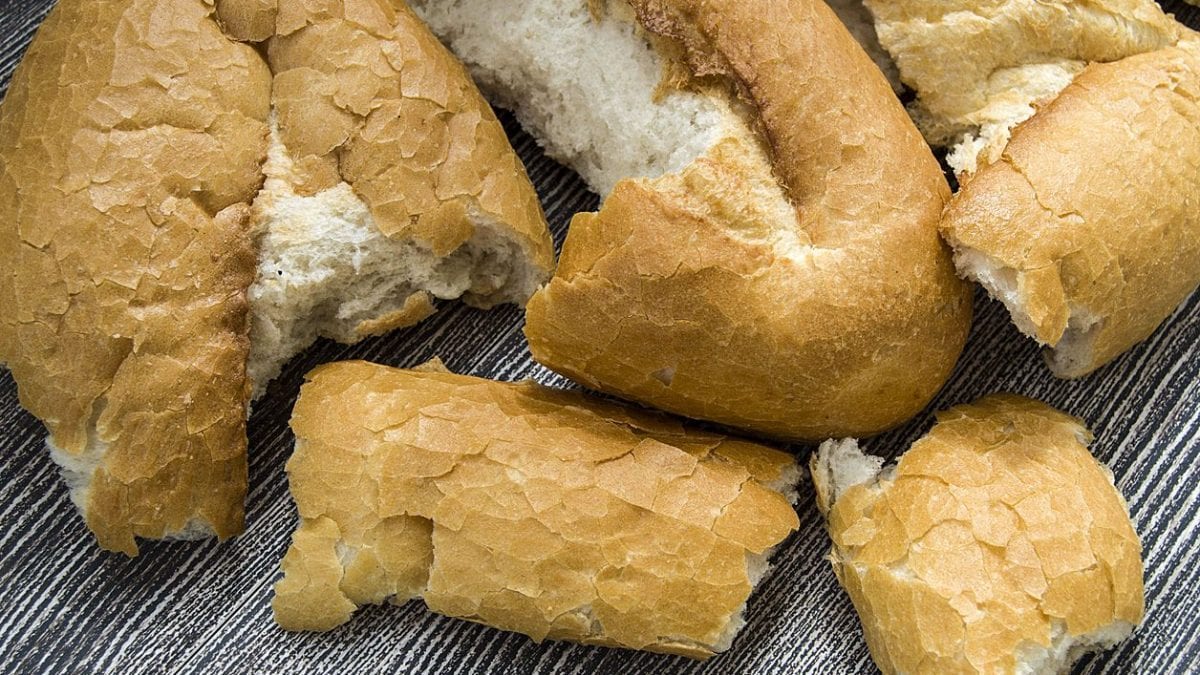
What's better than freshly baked bread, fragrant and soft? Unfortunately, however, this can only be considered an "ephemeral" pleasure, as within a few hours the loaf tends to dry out and become hard. Why does this happen? The answer lies in a series of chemical processes involving the starches present in the flour, but also in the way this food is stored, as a few good practices allow it to stay fresh longer.
The main ingredient used to make bread is flour (something known even to those who don't immerse themselves in leavened products on a daily basis): it is mainly composed of starch – a polysaccharide made up of glucose molecules linked together by amylose and amylopectin – which undergoes a fundamental transformation during baking, gelatinization.
This means that the water in the dough penetrates the starch molecules, causing them to swell, break, and finally gel. This is why warm bread has its typical soft, porous texture. However, as time passes, this temporary effect begins to reverse: we are faced with another phenomenon, called starch retrogradation.
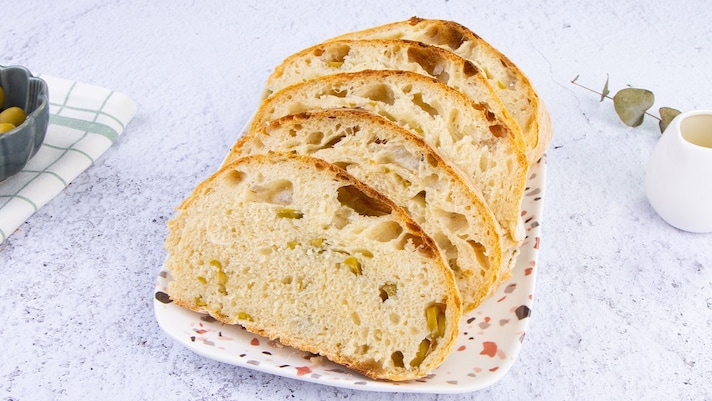
This process involves the crystallization of amylose and amylopectin chains, which occurs as the bread cools, as they attempt to return to their original shape and become more rigid. During this molecular rearrangement, the water that was trapped during gelatinization is expelled from the starches and migrates to other parts of the product, thus contributing to its drying out.
Why You Should Skip The Fridge and Go Straight For The Freezer
The answer to this other question comes precisely from the retrogradation of starches, which is favored by relatively low temperatures, around 41°F/5°C, which is why storing the loaf in the refrigerator can accelerate the hardening process.
This means that putting bread in the refrigerator is not a good idea, because it makes it go stale faster. Bread's natural habitat is at room temperature, inside a paper or cotton bag, to also prevent the potential growth of mold.
However, if you don't plan on consuming all the bread quickly, the freezer can be a good option At very low temperatures, around 0.4°F/-18°C, the retrogradation of starches slows dramatically. Placing bread in the freezer while it's still fresh helps inhibit crystallization, and once thawed, it will retain much of its original texture.
;Resize,width=767;)
