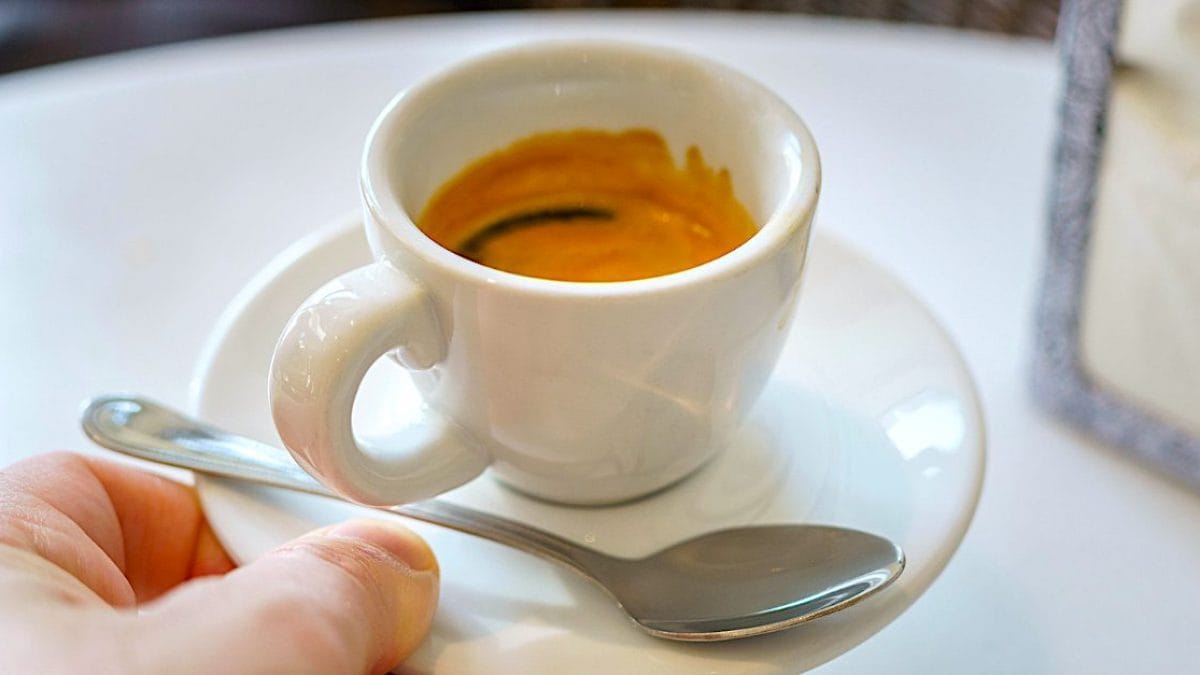
Coffee is one of the most beloved drinks in the world, and this love is also fueled by a series of rituals that constantly accompany it. Especially in Italy, coffee is a moment of pause and sharing that punctuates the days. When we are served coffee, it is almost a given to find it accompanied by a small saucer. This seemingly banal detail actually has a long history and various functions that go beyond simple aesthetics and etiquette. The saucer seems like an insignificant detail, a convention, yet its presence has a profound meaning, rooted in the history and culture of coffee. The reason for the service is precisely historical in this case: coffee cups were often made of thin, delicate porcelain; the saucer therefore performed a protective function, preventing the cup from slipping and breaking. Furthermore, coffee was served very hot, and the saucer helped thermally insulate the cup, preventing accidental burns.
The Coffee Saucer is More Than an Ornament
One of the primary reasons coffee is served on a saucer is practical. The saucer protects the table surface from any stains or drips that may fall while drinking or stirring the sugar. This simple measure not only helps keep the table clean, but also makes service easier, especially in bars and restaurants where every detail must contribute to a positive customer experience. Furthermore, the saucer provides a place to rest the spoon after stirring the sugar, preventing it from remaining on the tablecloth or table.

Beyond its practical aspects, the saucer has an aesthetic function that shouldn't be underestimated. Presenting coffee elegantly helps make the experience even more enjoyable. A coffee served on a saucer, perhaps accompanied by a well-placed spoon and, in some cases, a small chocolate or biscuit, conveys a sense of care and attention to detail that customers always appreciate.
Coffee culture is deeply rooted in society, and the saucer has become an integral part of this ritual. Serving a coffee without a saucer might seem careless or even wrong, especially in more traditional or formal cafés. A symbol of hospitality, it presents the cup "completely."
The historical reason, however, takes us back in time, as mentioned. When the first coffeehouses began to spread across Europe, the saucer was considered an essential element for properly presenting coffee, also because the porcelain of the time was much more delicate than that of today. Over time, this custom consolidated, becoming a standard that has endured to this day.
;Resize,width=767;)
