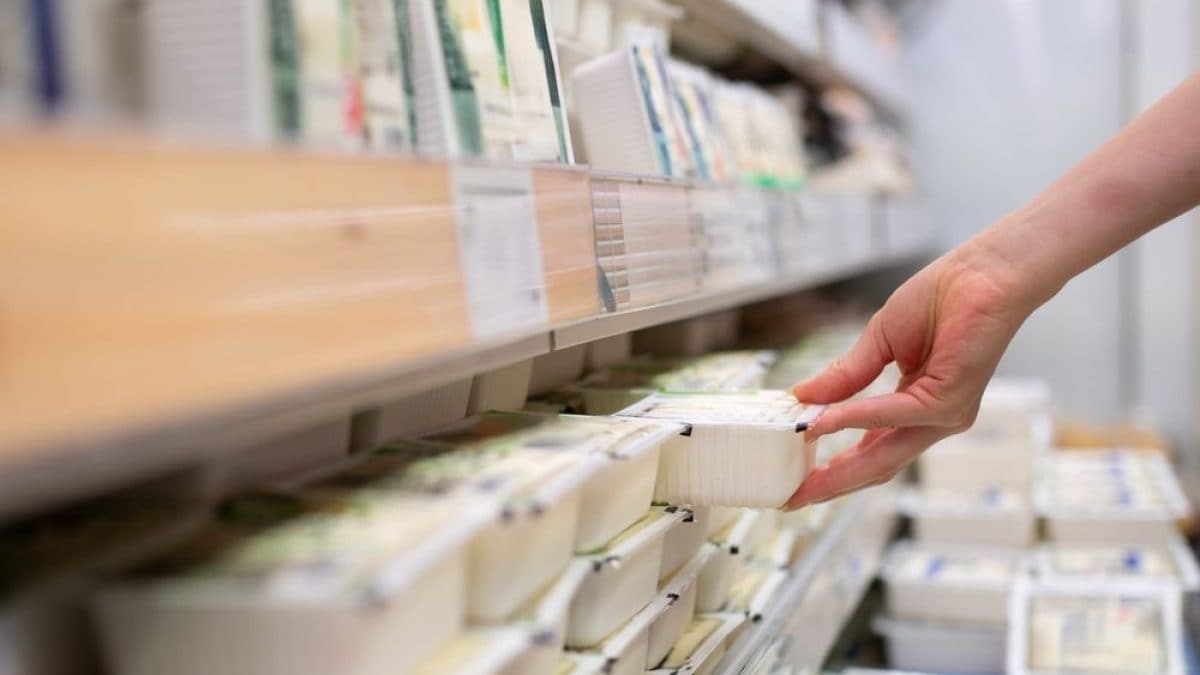
In recent years, tofu has gone from being a niche food, almost exclusively associated with vegetarian and vegan diets, to one of the most recognizable symbols of the transition to a lower environmental impact diet. It can now be found in supermarkets, on the menus of international chains, and in recipes proposed by chefs and influencers: its popularity has been driven by a combination of factors, such as the search for meat alternatives, a greater focus on health, and growing awareness of the environmental impact of factory farming.
Yet, even as demand continues to grow, signs of fragility are emerging along the supply chain that makes this food possible. Tofu depends almost entirely on the availability of food-grade, and especially non-GMO, soy. Although global production of generic soy is dominated by transgenic giants like Brazil and the United States, the food soy market follows specific, regional, and much more rigid channels. Climate-related crop instability, trade barriers, and rising agricultural costs are putting pressure on a sector that until a few years ago seemed destined for exponential growth.
This scenario doesn't indicate a decline in popularity in the traditional sense: consumers aren't abandoning the product, and the market continues to expand. Rather, the question is whether the supply chain can sustain this growth in a context of increased uncertainty. In other words, tofu is becoming an interesting case study for understanding the challenges facing the entire plant-based protein sector.
Understanding what's happening means looking beyond the supermarket shelf and following the journey of edible soy from the fields to industrial processes. This is where tensions are concentrated that could impact the prices, availability, and sustainability of one of the most iconic foods of the contemporary plant-based diet.
A Question of Supply
The first thing to clarify is that tofu is not experiencing a consumption crisis: on the contrary, market analyses show a steady growth in global demand. The growing number of consumers interested in reducing their meat consumption, combined with the spread of increasingly accessible plant-based products, continues to support the sector. This is why talking about a "crisis" may seem counterintuitive: if sales are increasing, what's the problem?
The answer is that the challenges aren't with the final product, but with its complex supply chain. Behind a block of tofu lies a specialized supply chain that, unlike the industrial soy used in farms, requires extremely high standards of purity, traceability, and certification of origin. When one of these links weakens, the effects are felt on the final price of the product we find in the refrigerated section.
Food Soy's Weight
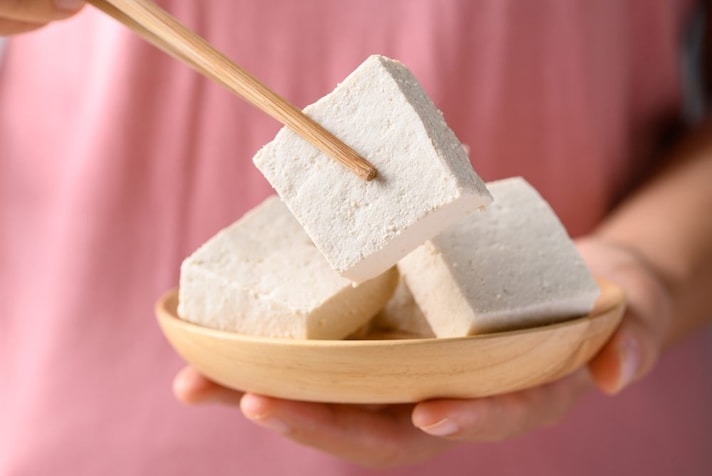
Tofu is one of the simplest foods in existence: all it takes is water, soybeans, and a coagulating agent. This simplicity, however, hides a total dependence on a single raw material that cannot be easily substituted or mixed.
Unlike soybeans intended for animal feed, which are primarily used for the production of animal feed and vegetable oils, soybeans for tofu must possess specific characteristics: a high protein content, a light-colored seed, and the almost total absence of genetic modification (GMO-free). In Europe, this has led to the emergence of short, regional supply chains (concentrated in Italy, France, Austria, and Germany) to ensure harvest safety. However, the small scale of these specialized crops makes them incredibly vulnerable to local anomalies.
In recent years, the agricultural sector has had to contend with increasingly frequent weather events: prolonged droughts in the Mediterranean basin, summer heat waves, and irregular rainfall. For a demanding crop like food-grade soybeans, even small climate variations translate into sharp drops in yield per hectare. The direct consequence is severe price volatility: when the cost of certified seed increases, tofu producers see their margins erode, risking having to pass the price increases on to consumers.
South Korea's Case
Alongside climate variables, there are economic and political factors that can make the soy food supply chain particularly fragile. A significant example came in 2025 from South Korea, one of the countries where tofu is a daily staple. That year, the government reduced the quantities of imported soy allowed under the tariff rate quota (TRQ) system, a tool that allows food producers to purchase foreign raw materials at lower than market prices. The decision was intended to support domestic soy growers by incentivizing the industry to purchase local produce.
The measure, however, sparked strong protests among tofu producers: according to industry associations, Korean soy is significantly more expensive than imported soy and cannot readily replace it on a large scale. Since approximately 80% of tofu consumed in the country is made with imported soy, the reduction in preferential quotas has fueled fears of cost increases, consumer price increases, and potential supply difficulties, especially for small producers.
The South Korean case shows how supply chain vulnerabilities don't necessarily stem from poor harvests or extreme weather events. Sometimes, they can arise from regulatory decisions that, while pursuing legitimate agricultural objectives, suddenly alter the balance between domestic production, imports, and commodity prices.
A Challenge That Goes Beyond Tofu
The tensions affecting this sector reveal a broader story. In recent years, plant-based proteins have been touted as the definitive answer to the environmental challenges of the future: however, their growth depends on the existence of robust, diversified, and resilient supply chains. If the entire food transition relies on too few specific crops, any local shock risks producing knock-on effects.
For this reason, many companies and research centers are investing in alternative protein sources, expanding the use of traditional local legumes such as chickpeas, fava beans, and protein-rich peas, and even developing new technologies based on precision fermentation. The goal is not to replace tofu, but to reduce dependence on a single plant and build more flexible food systems.
;Resize,width=767;)
