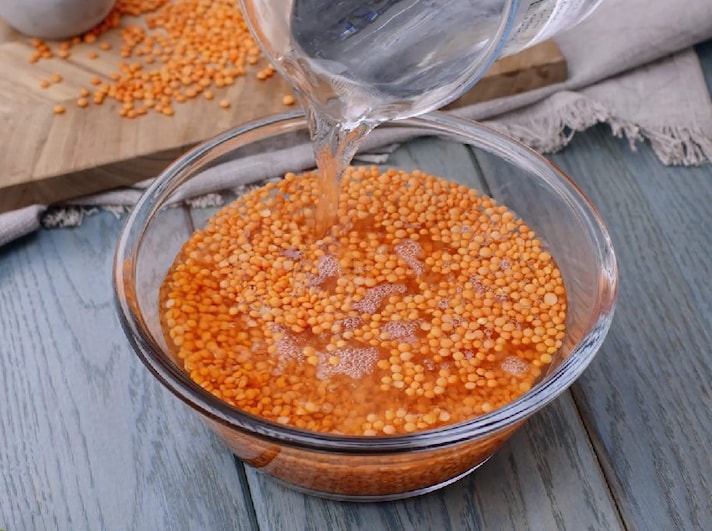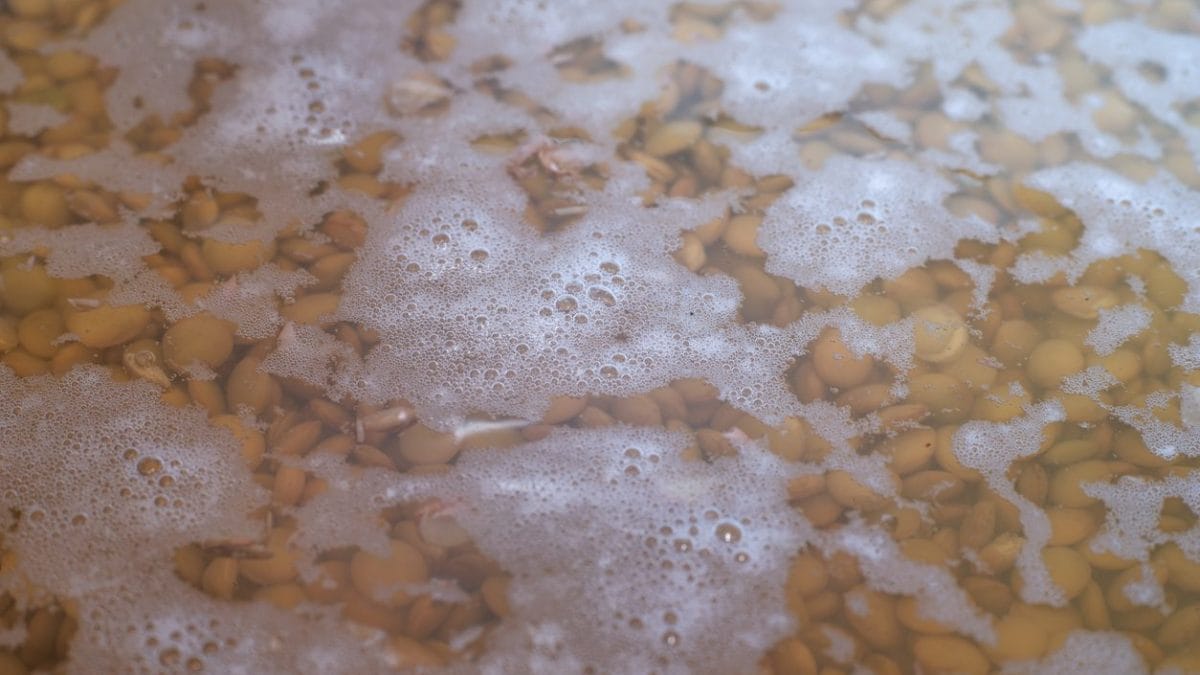
Anyone who's ever cooked lentils will have encountered the annoying foam that forms on the surface of the cooking liquid. This foam, besides being unappealing from an aesthetic standpoint, can affect the flavor of the final dish, giving it a bitter aftertaste. But why does this foam form? And, more importantly, how can we avoid it? Here's everything you need to know about lentil foam and practical tips for creating a tasty and inviting dish.
Why Does Foam Form?
Cooking lentils, a legume rich in nutrients and versatile in the kitchen, is often accompanied by a curious and sometimes annoying phenomenon: the formation of foam on the surface of the cooking liquid. This foam, while seemingly harmless, has specific causes and can affect both the flavor and final appearance of the dish, as well as its digestibility.
The origin of this foam lies in some natural substances contained in lentils, particularly saponins: these molecules (terpene glycosides of plant origin), present in many foods, have the characteristic of creating foam when in contact with water, simulating the action of soap. During cooking, the heat and agitation of the liquid promote the release of saponins, which combine with air to form bubbles and foam.
The presence of foam, besides changing the aesthetic appearance of the dish, can also affect the flavor: saponins, in fact, impart a slight bitter aftertaste that may be unpleasant to some palates. Furthermore, an excess of saponins can cause gastrointestinal distress in some people.
How to Prevent It and Why To Remove It
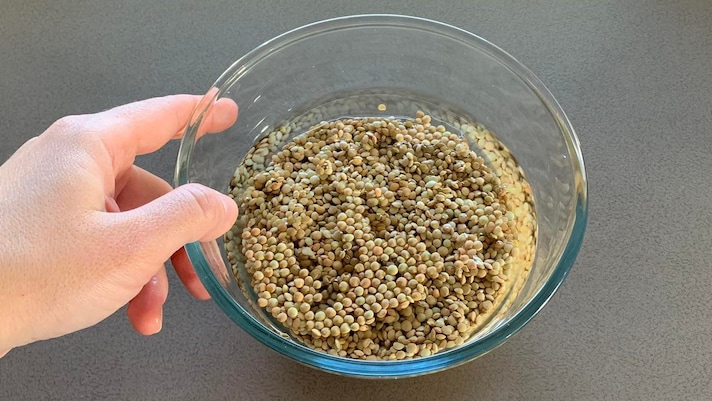
There are several methods to prevent foam from forming on lentils during cooking, the most effective of which is definitely soaking. By soaking lentils before cooking, some of the saponins will be dispersed into the water: even those that don't want to be soaked should be rinsed thoroughly under running water. If you follow this procedure, cooking your lentils should be trouble-free. Furthermore, using plenty of water during cooking helps further dilute the saponins.
If you forget to do this, you can still remove the foam with a spoon, not only because it could impart a slightly bitter taste to the dish but also, as we've seen, for reasons of greater digestibility.