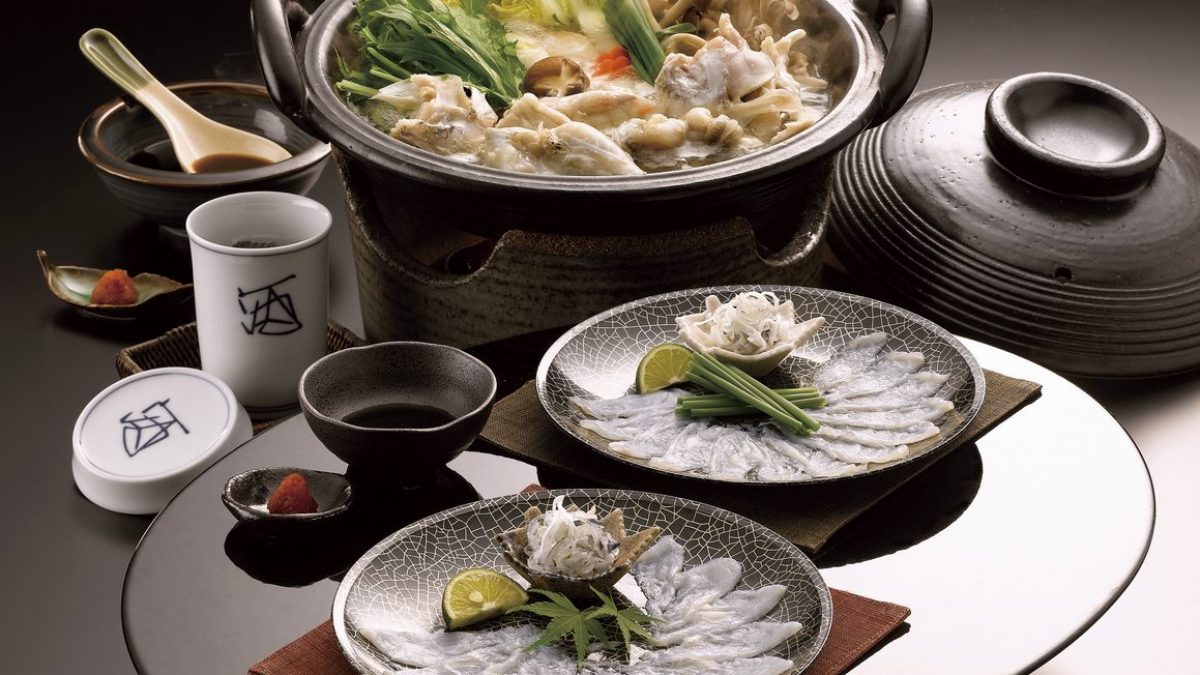
Do you have a passion for fine cuisine and want to try something special? Pufferfish, known as fugu in Japanese, could definitely be for you. However, you should know that eating it isn't always recommended, as it's highly poisonous: it only becomes edible under certain conditions. Here's when and how you can eat fugu.
Chorishi Menkyo, The License to Cook Pufferfish

Fugu is one of the most fascinating products of Japanese culinary culture. Its peculiarity lies in the fact that it is a highly poisonous fish, containing a dose of tetrodotoxin: a deadly poison, just 25 milligrams of which is enough to kill a 75-kilogram man. Most of the poison is found in the fish's ovaries, liver, and skin.
After a series of confirmed deaths, in 1958 the Japanese government decided to make a license mandatory for anyone who cooks fugu. An aspiring fugu chef needs the highly sought-after chorishi menkyo, the license to serve pufferfish. Obtaining it is not easy: it requires two to three years of study, then a written and oral exam established by the Japanese Ministry of Health, and the ability to recognize all thirty species of this fish. If you happen to go to one of the restaurants that serve fugu, you'll find this license prominently displayed.
Fugu Variations on The Table

In Japan, fugu is considered one of the most delicious and prized foods, which is why it is so popular among the Japanese. In specialized restaurants, such as those with chorishi menkyo, fugu is clearly the star of the menu and can be enjoyed in a variety of ways. The most common variant is sashimi, which has a chewy texture but a delicate and refined flavor. The kara-age (fried) version is also very popular, as is sumibiyaki, which is grilled fugu garnished with teriyaki sauce. Fugu zosui, on the other hand, is a rice porridge to which other ingredients are added later.
For the more daring, there's also hirezake, a fugu-based drink. Always served in high-end restaurants specializing in this type of fish, hirezake is made by steeping a charred pufferfish fin for a few minutes in a cup of warmed sake: the result is a drink with a deeply smoky and bold flavor.
;Resize,width=767;)
