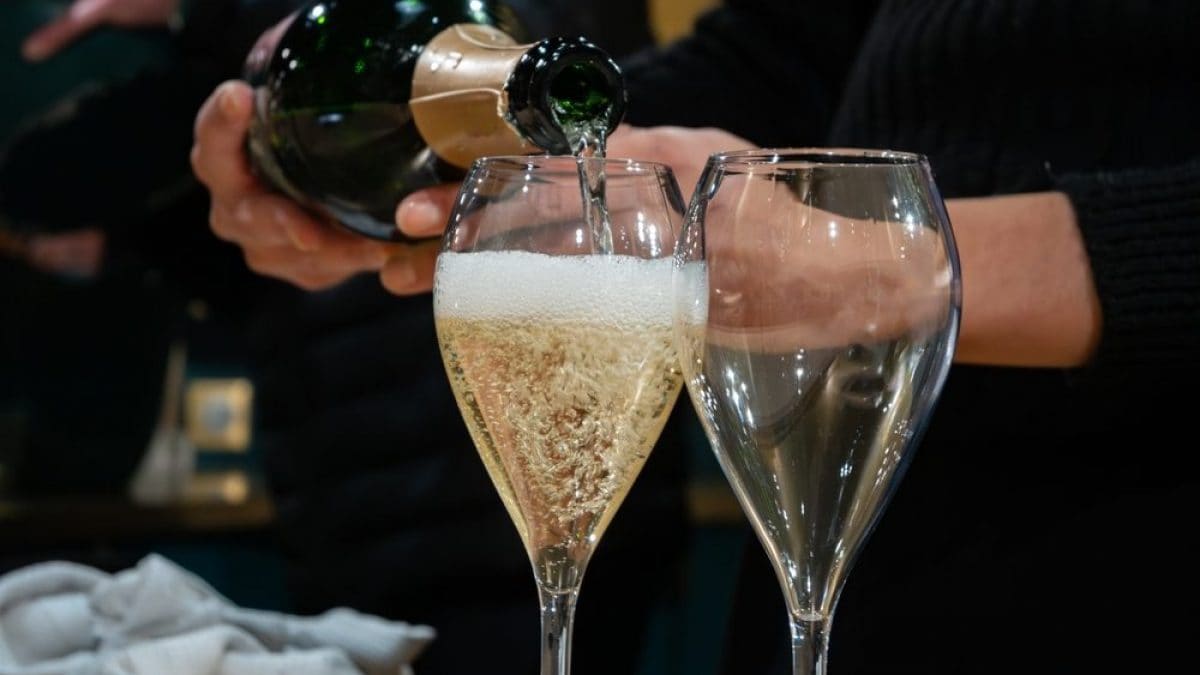
Have you ever toasted with the most famous sparkling wine of all? Yes, we're talking about Champagne, one of the most recognized symbols of luxury and celebration in the world of wine. This French sparkling wine embodies centuries of tradition, a unique terroir, and a production mastery that make it unparalleled.
Today we will tell you how Champagne is produced, what its typologies are, the climatic challenges it is facing and above all why it is considered one of the most prized wines in the world.
What is Champagne?
Champagne is much more than a sparkling wine: it is a cultural icon, a symbol of elegance, and a product protected by one of the most rigorous appellations in the world. It is a wine with a Controlled Designation of Origin (AOC), produced exclusively in the Champagne region in northeastern France. Its uniqueness is enshrined in legal protection that prohibits the use of the name outside the designated area, even when the same production methods are used.
Legend has it that it was Abbot Dom Pierre Pérignon who, in the 17th century, "invented" Champagne thanks to refermentation in the bottle. In reality, bubbles in wine had already been known for some time: Blanquette de Limoux dates back to 1531, and the English scientist Christopher Merret described the method of adding sugar in 1662.
Dom Pérignon's true merit was to perfect the process, making it more stable and safe, thanks to the introduction of the cork stopper and the metal cage. From there, Champagne began its rise as a wine of celebration and elegance.
How and Where Champagne is Produced
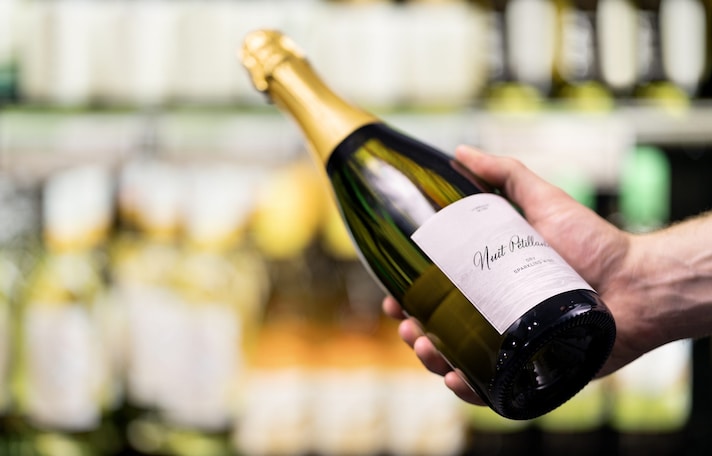
Champagne can only be produced in the region of the same name, located in northeastern France. It covers approximately 34,300 hectares and includes 319 wine-growing communities. The climate is harsh continental, with an average annual temperature of around 50.9°F/10.5°C. These extreme conditions have historically slowed the ripening of the grapes, favoring acidity, freshness, and aromatic finesse. However, with ongoing global warming, conditions are changing dramatically.
The soil is predominantly chalky and calcareous, rich in marine fossils. Chalk, thanks to its porosity, acts as a natural water regulator: it absorbs excess water and releases it gradually during dry periods, ensuring balance for the vines even in difficult years.
Champagne is divided into five main areas: Montagne de Reims, dominated by Pinot Noir; Côte des Blancs, the kingdom of Chardonnay; Vallée de la Marne, where Pinot Meunier prevails; Côte de Sézanne and Aube, with characteristics more similar to the nearby Burgundy wine region. Each area contributes different nuances to the complexity of the final wine.
The Champenoise Method
Champagne production follows the classic method, also known as champenoise, which involves a second fermentation in the bottle. Each stage is governed by strict specifications and meticulous craftsmanship:
- Manual harvest: required by law, it preserves the integrity of the bunches and allows for careful selection.
- Gentle pressing: the grapes are carefully pressed to obtain the base wine, limiting contact between the liquid and the skins.
- Assemblage: still wines from different grape varieties, vintages and crus are combined to define the style of the house.
- Tirage and secondary fermentation: the liqueur de tirage (a mixture of wine, sugar and yeasts) is added which starts the second fermentation in the bottle.
- Aging on the lees: a minimum of 15 months for non-vintage wines—that is, wines produced with grapes from a single harvest year—and 36 months for vintage wines, often much longer. Aging on the lees contributes to the development of complex and refined aromas.
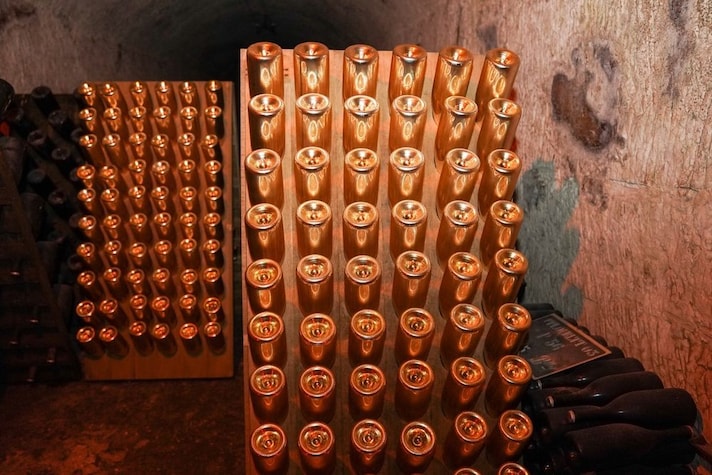
- Remuage: The bottles are placed horizontally on wooden racks called pupitres. For approximately 30-60 days, each bottle is rotated daily to direct the yeasts towards the neck.
- Disgorgement (dégorgement): the yeast deposit, collected in the neck of the bottle, is frozen and removed.
- Dosage: The liqueur d'expédition – a mixture of wine and sugar that serves to balance the final taste – is added to balance the taste and define the style (Brut, Extra Brut, etc.).
- Final corking: the bottle is closed with the classic mushroom cap and metal cage.
Champagne Grape Varieties: Characteristics and Changes
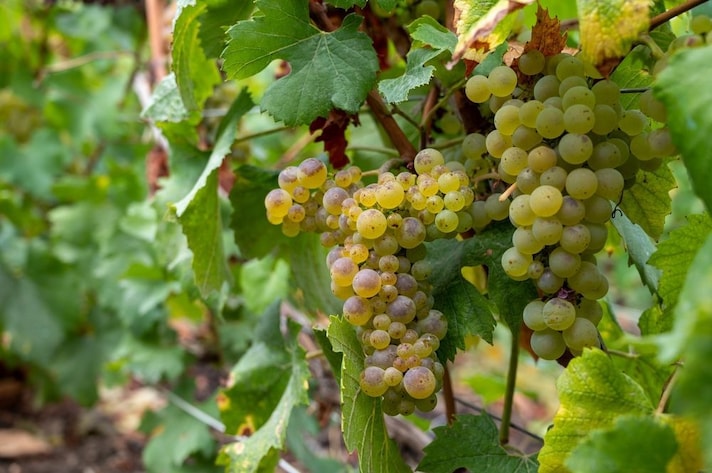
The Champagne region allows seven grape varieties, but three have always defined the style and personality of Champagne. Each has a specific role, and learning to recognize them helps you understand what you're drinking.
Authorized Grape Varieties
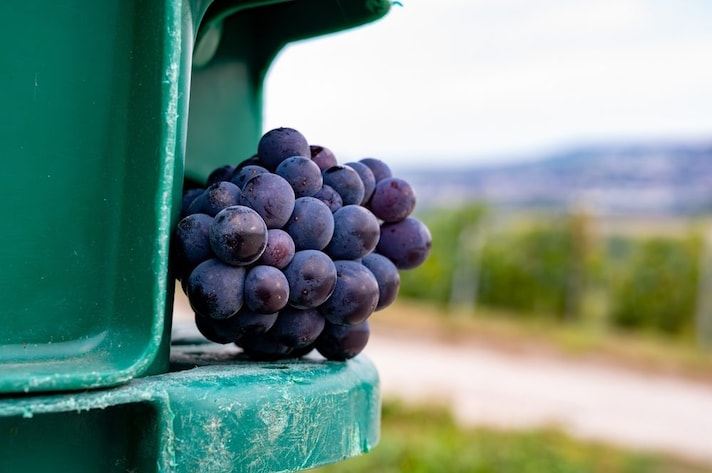
- Pinot Noir, a red grape variety, is the most widely grown in the Champagne region: it is predominant in the Montagne de Reims and the Côte des Bar, where it adapts well to the calcareous soils. It contributes to the structure and depth of the wine.
- Pinot Meunier, also a black grape, is earlier in season and more frost-resistant than Pinot Noir. It is widely grown in the Marne Valley, where it guarantees good yields and regular production. It is often used to balance cuvées.
- Chardonnay, the only white grape among the three main varieties, is synonymous with finesse and elegance. It grows primarily in the Côte des Blancs, where the chalky soil lends it minerality and tension. It is the grape variety best suited to aging, and in Blanc de Blancs it creates fresh, floral, and refined Champagnes.
- Four other authorized varieties— Pinot Blanc, Pinot Gris, Petit Meslier, and Arbane —are much less widespread, but are enjoying renewed attention. Petit Meslier and Arbane in particular, thanks to their late ripening and high acidity, are considered valuable allies in addressing climate change. Some wineries are using them in experimental cuvées to explore new flavor balances.
Climate Adaptations
Over the last thirty years, Champagne has seen an increase in average temperatures (+33.98°F/1.1°C), earlier harvests, and lower acidity in the musts; to preserve typicity and sustainability, the region has launched varietal research programs.
In 2022, the Voltis grape variety, the first hybrid admitted to a French PDO, was approved on a trial basis. Voltis was selected for its resistance to downy mildew and powdery mildew, and for its ability to reduce the need for pesticide treatments in the vineyard. The VIFA trial allows its use on up to 5% of the company's acreage and 10% in blends.
At the same time, the Institut National de la Recherche Agronomique (INRA) and the Institut Français de la Vigne et du Vin (IFV) are working on new natural crosses between traditional grape varieties and historic varieties, with the aim of developing resilient grapes capable of maintaining the organoleptic profile of Champagne and ensuring environmental sustainability.
Types of Champagne
How many types of Champagne are there? French sparkling wine is distinguished by its sugar content, type of grapes used, vintage, and cru classification.
- The dosage ranges from Brut Nature (without added sugar) to Doux, sweet and round.
- The Blanc de Blancs, produced exclusively from Chardonnay, are characterised by elegance and minerality.
- Blanc de Noirs, made from Pinot Noir and Meunier, offer greater structure and fleshiness.
- Rosé Champagnes can be made from maceration or blending, with more intense and fruity aromatic profiles.
Most Champagnes are non-vintage, blended from different vintages to ensure stylistic continuity. Vintage Champagnes, on the other hand, are made from grapes harvested in a single harvest, celebrating exceptional years and requiring longer aging.
What Are Crus?
The classification of crus is based on the system defined by the Échelle des Crus, which distinguishes wine-growing communities into three main categories: Grand Cru, Premier Cru, and Cru. This division is made based on the quality of the grapes produced, the potential of individual vineyards, and the commercial value derived from their reputation. Crus are, in fact, labels that represent the excellence of the territory and reflect the importance of a given community in viticulture.
The Cuvée de Prestige, representing the absolute pinnacle of winemaking, are crafted exclusively from the finest grapes from the most renowned and suitable vineyards. These wines are destined to become true icons of the winemaking landscape, combining careful grape selection with meticulous craftsmanship. The Cuvée de Prestige are characterized by a lengthy aging process that can last years, a period during which they acquire complexity, elegance, and depth. Only at the end of this lengthy process are the wines finally released to the market, able to express their full potential and become a symbol of quality and tradition.
Why is Champagne Considered so Valuable?
Champagne's prestige stems from a combination of historical, territorial, and production factors. The Champagne terroir is unique: the cold climate and chalky soil give the wine freshness, finesse, and longevity.
The classic, or champenoise, method through which it is produced is long and complex, involving prolonged refinements and artisanal processes that require time and a high level of skill.
Added to all this is its historical and cultural value: Champagne has been the wine of the courts, of celebrations and of the French art of living.
We also remember that the largest fashion houses invest considerable sums in marketing, image and communication, helping to maintain the perceived value very high.
Finally, the legal protection of the appellation guarantees that only wines produced according to the specifications can bear the name Champagne, preserving the product's identity and excellence.
In short, Champagne is the result of a rare balance between terroir, method, and reputation. Each bottle tells a story of precision, patience, and savoir-faire that continues to enchant those seeking something truly special.
;Resize,width=767;)
