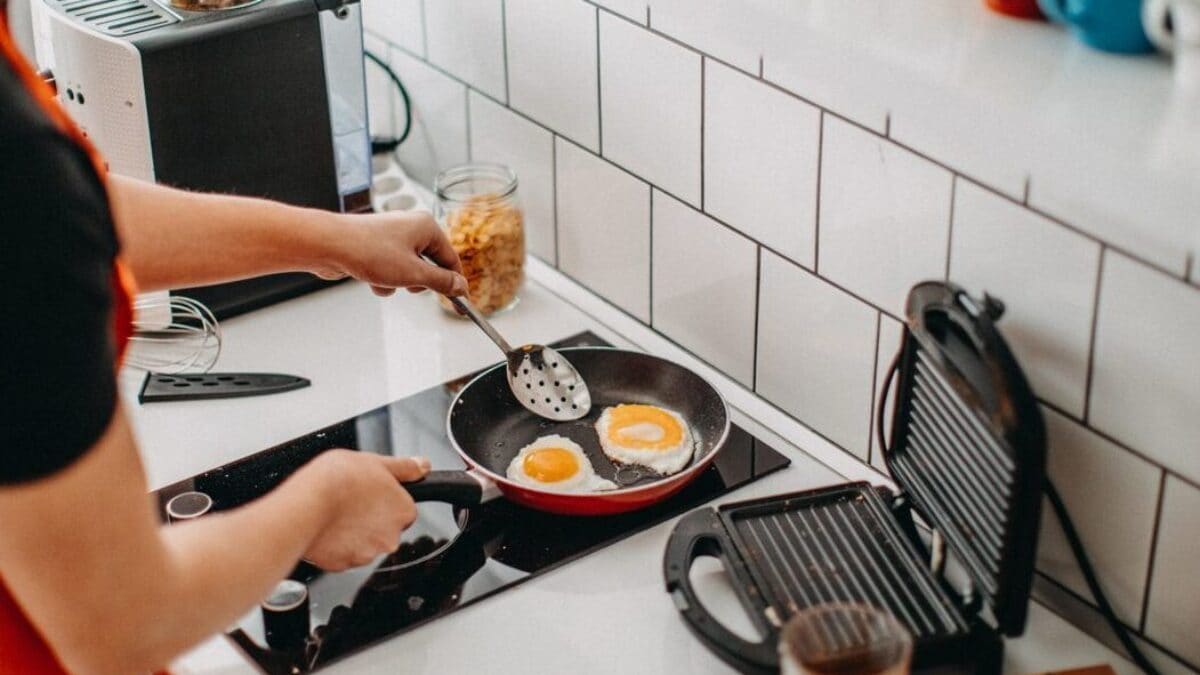
Eggs are among the most versatile foods: hard-boiled, fried, scrambled, poached, and even prepared as frittatas and omelets. They're used in appetizers, salads, and main courses, as well as ingredients for sauces and sweet and savory batters, and are easy to pair with cheeses, meat, fish, legumes, and vegetables. They're nutritious, an excellent source of protein, and often appear at breakfast or brunch. The common saying goes, "not knowing how to cook an egg" means you're completely unprepared for cooking, but in reality, bringing this popular food to the table requires a certain amount of skill, as mistakes are always around the corner. We've selected 10 of the most common mistakes: here's what they are and how to avoid them.
1. Not Knowing the Origin of The Eggs You Use
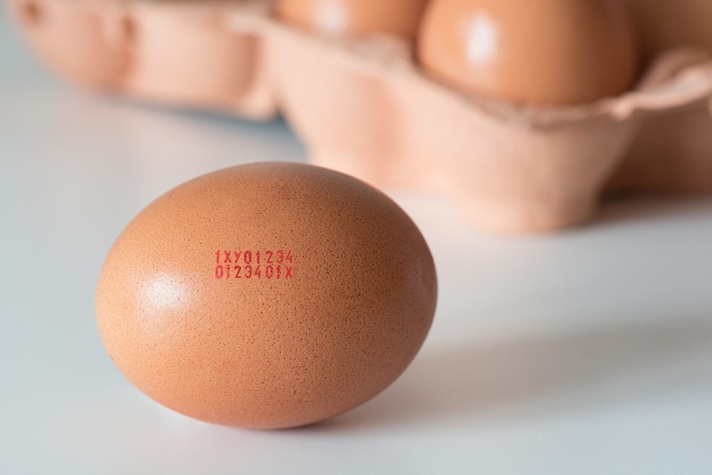
Let's start from the beginning: knowing the origin of the eggs you consume is useful for understanding how the hens are raised, how they live and are fed, characteristics that influence both the animal's well-being and the quality of the product you purchase. For this reason, it's essential to know how to read the code printed on the carton, where numbers and letters essentially form their identity card. The first digit of the sequence, from 0 to 3, indicates the type of farming. Choose eggs with a leading zero, as this indicates organic: the birds have access to outdoor spaces and natural feed.
2. Using Non-Fresh Eggs
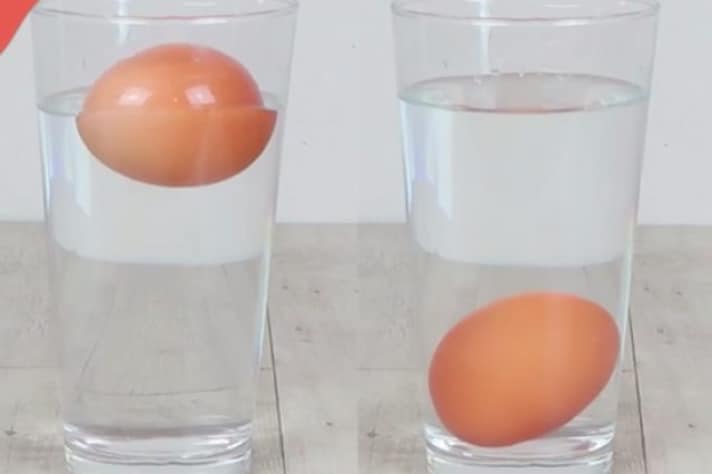
The protein structure of eggs tends to degrade over time, and this is why when preparing dough, when they need to be whipped, or for a perfect fried egg, the reference in recipes is always to use eggs when they are very fresh, so that the coagulation is optimal (the egg whites will be dense and light) and the yolk remains firm in the central part.
3. Using Cold Eggs
Eggs' high protein and fat content also makes them particularly susceptible to temperature shock. The most common mistake, therefore, is to use them cold, rather than at room temperature: they should be removed from the refrigerator and allowed to acclimatize before cooking.
4. Breaking Eggs Into The Bowl You Are Working In
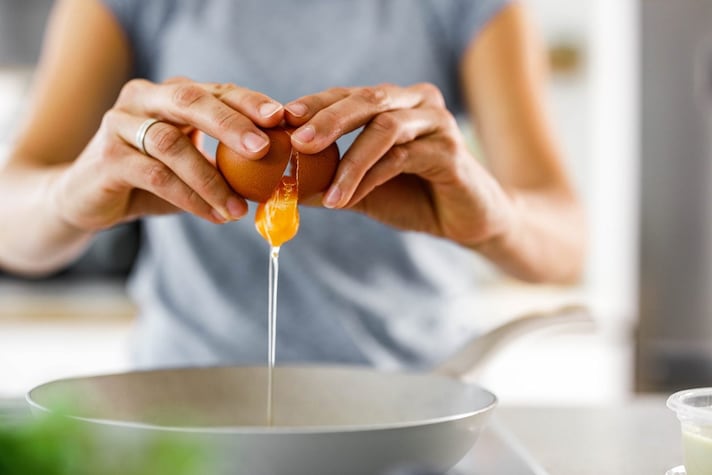
It may seem like a shortcut, but it's a mistake that risks turning into a waste of food. The reason is simple: if the egg were to be tampered with, you'd be forced to throw away the entire preparation. The same goes for any pieces of shell: recovering them from the mixture is much more difficult. The safest solution is to always crack one egg at a time into a separate bowl to check its condition.
5. Overbeating the Eggs
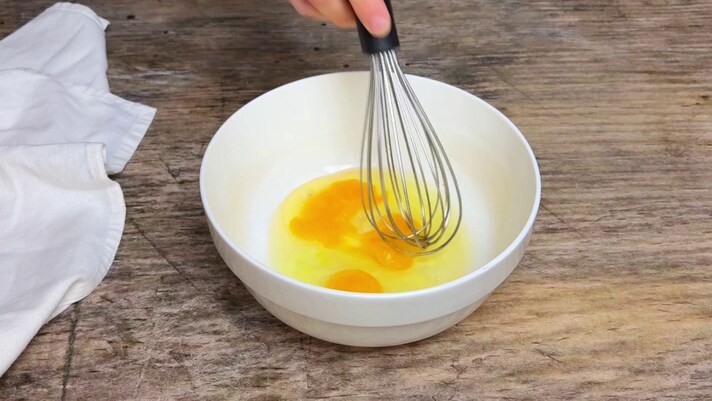
When beating eggs with a fork, there's no need to beat them too vigorously or for too long: the main goal is to break down the structure and combine the egg white and yolk. Incorporating air with fluid movements helps keep the mixture moist, while avoiding creating too much foam, which would make the omelette spongy and dry when cooked.
6. Putting Hot Foods in Raw Eggs
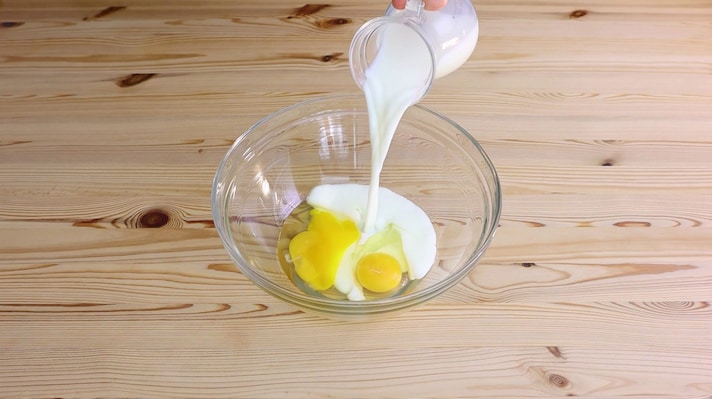
This happens especially with frittatas, when previously cooked ingredients are added to the mixture to enhance its flavor, from mushrooms and zucchini to shrimp and sausage. In these cases, it's best to let these ingredients cool slightly, otherwise the beaten eggs will curdle when exposed to heat, giving the mixture a lumpy consistency that leads to uneven cooking.
7. Poorly Separating The Yolk From The Whites
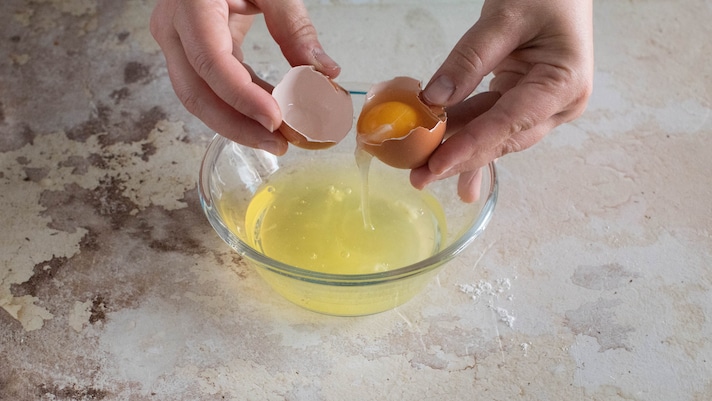
When you need to separate the egg parts, be careful not to contaminate the two: for example, yolk falling into the bowl of egg whites could create difficulties when whipping the latter, due to the lipid component that makes them heavy.
8. Cooking Incorrectly
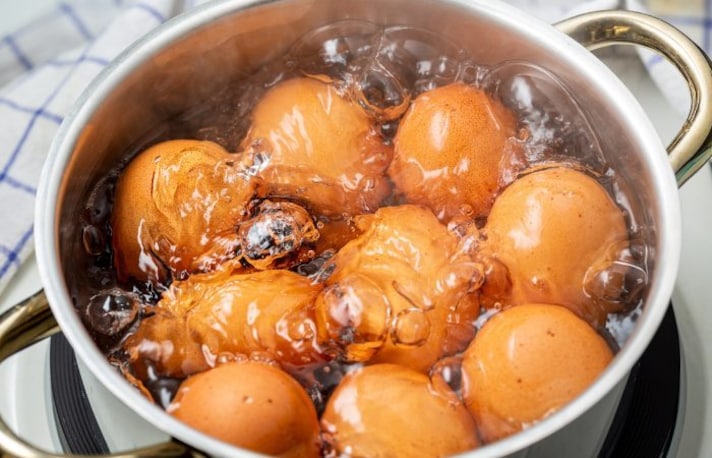
The cooking stage is one of the most critical, as the success of many egg-based dishes hinges on texture. Hard-boiled eggs require 8-9 minutes in boiling water, while a soft-boiled egg needs 3.5 minutes to create a melty yolk. Sunny-side-up eggs require a soft yolk and a firm white: before cooking them, melt a knob of butter (or a drizzle of oil) over low heat, pouring in the egg without frying it at excessive temperatures, so that the egg white coagulates gently without curling or burning at the edges. To give creaminess to scrambled eggs, there is no need to add milk or cream, but the secret is to cook them quickly over a low flame. For challenging poached eggs, never forget to add a little vinegar to the water, as it acidifies it and allows the egg white to "solidify" better around the yolk. Keep the boiling low, never violent, so as not to break them up.
9. Shelling Hard-Boiled Eggs While They're Still Hot
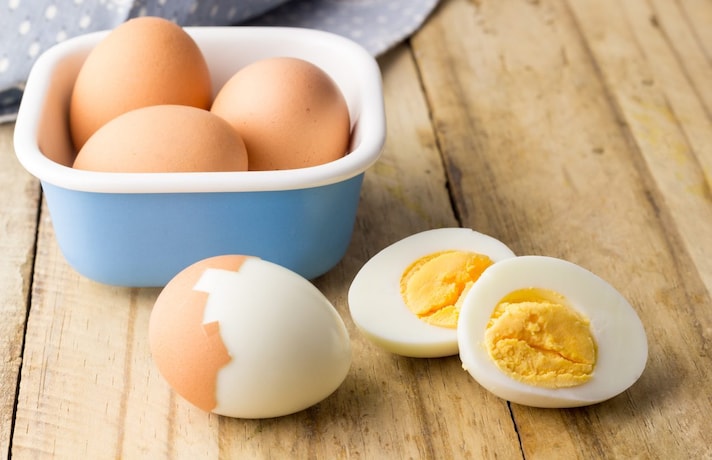
Removing the shell from hard-boiled eggs is a delicate (and often underestimated) process: if done at the wrong time, it can ruin the appearance, tearing the egg white that remains attached to the shell, resulting in the loss of the edible part. Food waste goes hand in hand with a dish of deviled eggs that looks unbalanced and unelegant, perhaps as an appetizer for a lunch or dinner with guests. How to proceed? Immediately immerse the egg in ice water to cause thermal shock: the egg will contract, detaching from the inner membrane for perfect shelling. This will prevent burning your fingers and stop the cooking process, preventing the formation of that unsightly green-black border around the yolk (caused by the reaction between iron and sulfur).
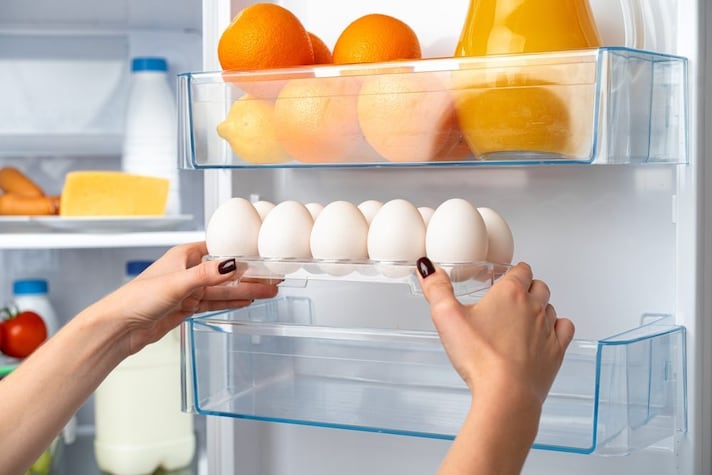
10. Keeping Them Out of The Fridge
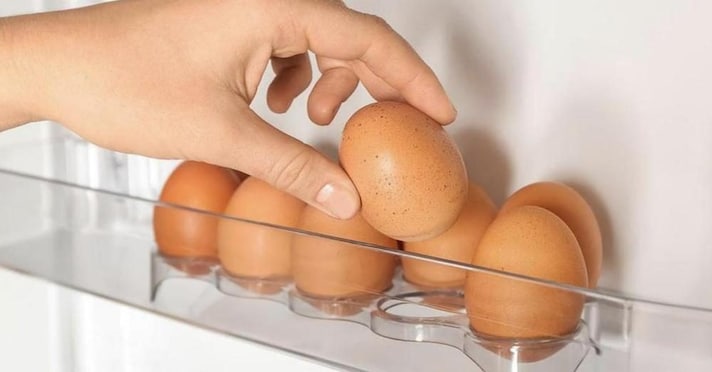
Storing eggs often creates some confusion. The best place to store supermarket eggs is in the fridge, and this information is also written on the packaging. In commercial chains, eggs are not refrigerated to avoid sudden temperature changes that would cause condensation on the shell, destroying the protective cuticle and encouraging Salmonella to enter. At home, however, they should be stored immediately in the refrigerator (on the inside shelves, not the door) to stabilize the temperature, slow down aging, and block bacterial growth.

