When you book a trip, you get that exact feeling of happiness mixed with the anxiety of a new experience: the excitement of discovering something different mingling with the uncertainty of what to expect on the other side of the world. Once you leave, you realize that it's not just the landscapes and monuments that define a place's identity, but also (and above all) what you eat. What's more beautiful than visiting a city market and losing yourself in the local foods, wandering among the crowded stalls amidst new aromas and flavors. It's precisely there, among these markets, that we'll travel today, so pack your backpack for a journey that will take you around the world to discover the most bizarre street foods.
1. Balut (Philippines)
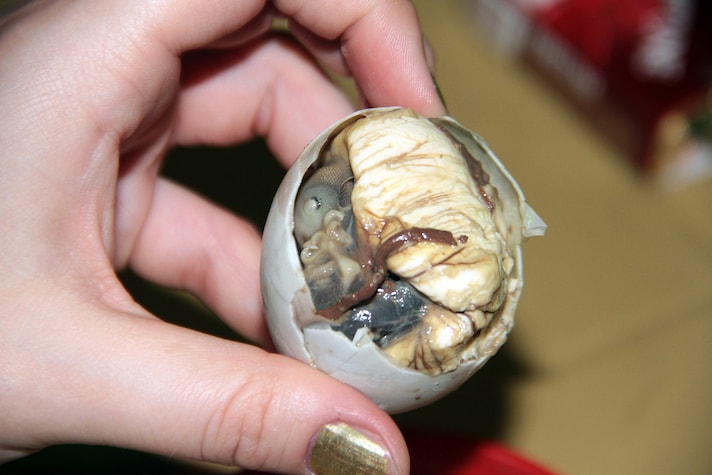
Balut is a strong start to our exploration of the world's strangest street foods. Why? Simply because this dish is a fertilized chicken or duck egg, so you understand correctly: it contains the embryo of a baby chick. Yet in the Philippines and other Southeast Asian countries, it's considered a true delicacy, one of the most popular dishes in their homeland. Before cooking balut, the egg is incubated for 14 to 21 days. So yes, when you taste it, you'll find the embryo of a baby bird fully formed, complete with bones, feathers, and a beak.
2. Hákarl (Iceland)
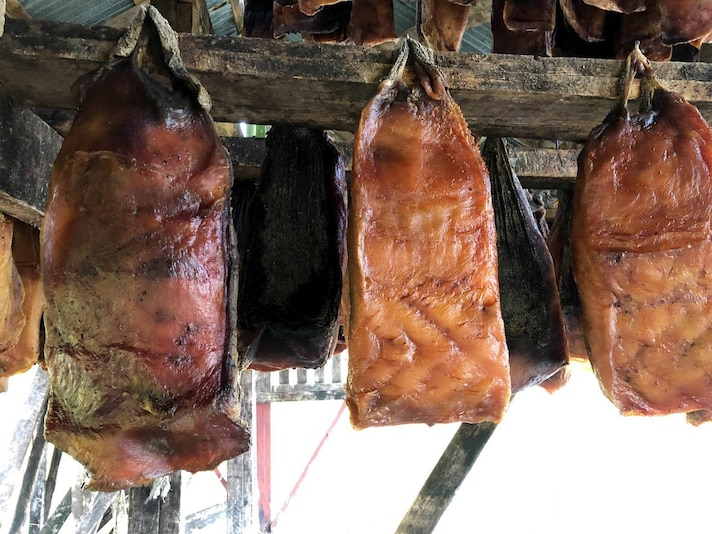
The name might seem decidedly Nordic and exotic, but it doesn't quite do justice to what this dish represents. We're talking about hákarl, which is essentially rotting shark meat that Icelanders absolutely adore. Those who've tasted it swear it's one of the most extreme foods in the world. But how is this incredible specialty prepared? The shark meat must first be fermented underground for three to six months. Once it reaches an optimal state of rot, with a nauseating odor escaping, it's ready to be eaten. In short, it's one of those challenging foods for the most daring tourists who encounter extreme flavors.
3. Stinky Tofu (Taiwan)
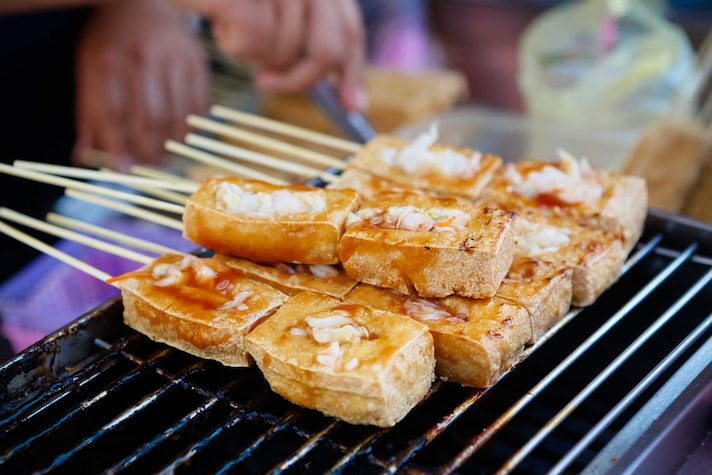
Undoubtedly one of the smelliest (in a bad way) foods you'll ever encounter. Even Taiwanese people, who encounter this product every day, are divided in their opinion. Some are in love with the smell and taste of stinky tofu, known as chòu dòufu in Chinese, while others avoid it like the plague. Each region has its own specific recipe for preparing it, but traditionally, it's made with a brine containing vegetables, milk, meat, dried shrimp, Chinese herbs, and bamboo shoots. It's left to ferment for a few weeks, and depending on the ingredients, the result can range from edible to a forgettable experience.
4. Chicken Feet (China)
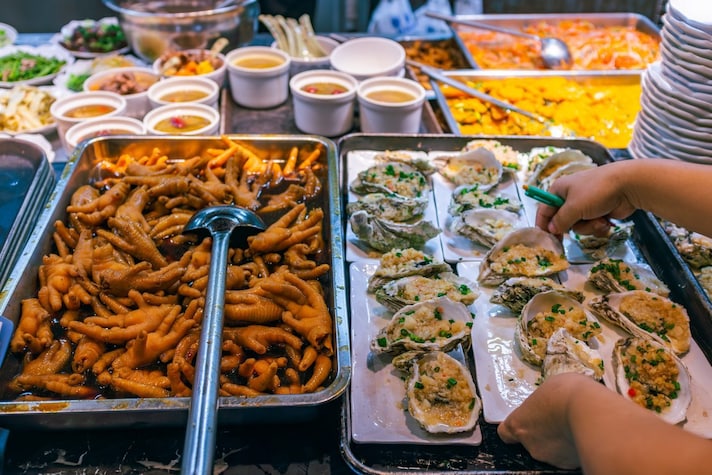
What do they say? A big snack of crispy fried chicken feet is just what you need. Seriously, this dish is truly a beloved and adored snack in China, so much so that they're served in crisp-style bags. Their texture, mostly made of skin, makes them particularly gelatinous, so they might not be to everyone's taste. In the markets of Beijing and Shanghai, which offer everything from roast duck heads to pork snouts, chicken feet aren't so unusual after all. In that context, they almost seem like an obvious choice: you have to try them, or you'll be doomed.
5. Fried Insects (Thailand)
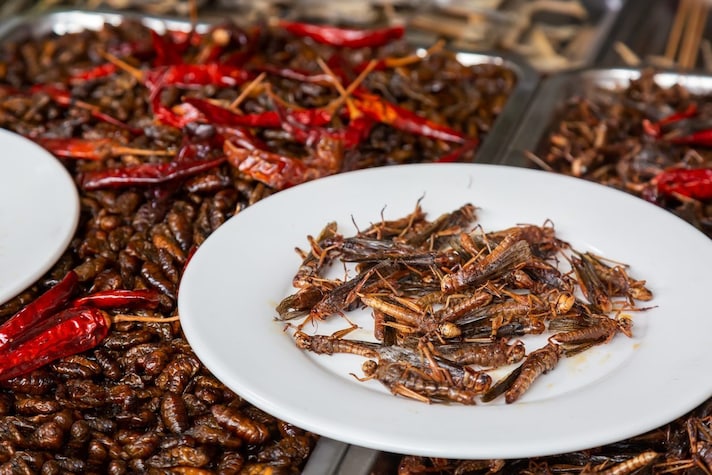
Now hold on tight, because this is some seriously strong street food. Not because we're talking about "tasty" and crunchy fried insects, but because it's a dish that contains a good amount of protein. Crickets, grasshoppers, bamboo shoots, and many other beetles are a very common specialty in Thailand. In markets in cities like Bangkok, Chiang Mai, and Phuket, you can find them almost everywhere. Crispy on the outside and tender on the inside, these little morsels are often seasoned with spices that enhance their flavor. Besides being a great source of protein, in some Asian countries they represent a deeply rooted culinary tradition in local cultures. It's just a matter of overcoming the psychological barrier to discover that, after all, they're not so bad, and perhaps they deserve at least a taste.
6. Shirako (Japan) / Lattume (Sicily)
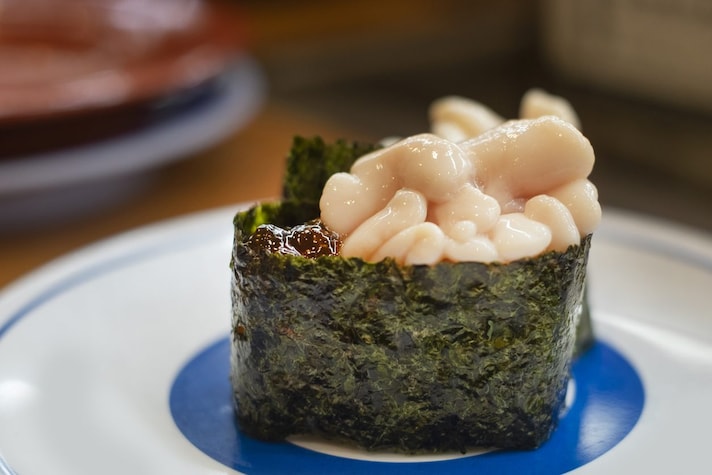
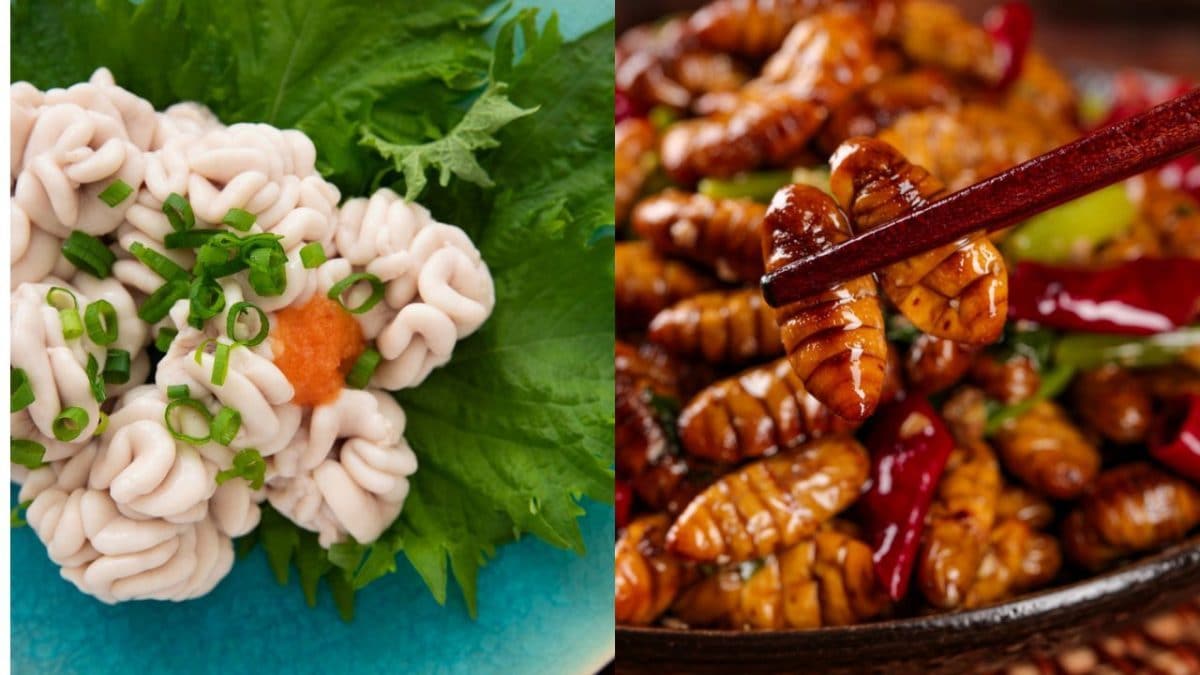
Shirako is fish sperm. It's the sperm sac of cod or monkfish, often served raw or lightly seared. It's not a dish for everyone, we know, but those who try it appreciate its delicate flavor. It's an experience that requires a certain "gastronomic athleticism," but for many, it's a true delicacy. Ultimately, it's not all that different from the typical Sicilian lattume. Here, we're talking about the sperm sac of tuna, which has a delicate flavor, contrary to what you might think, is rich in omega-3s, and is consumed in various ways, such as fried, roasted, or used as a pasta sauce.
7. Escamoles (Mexico)
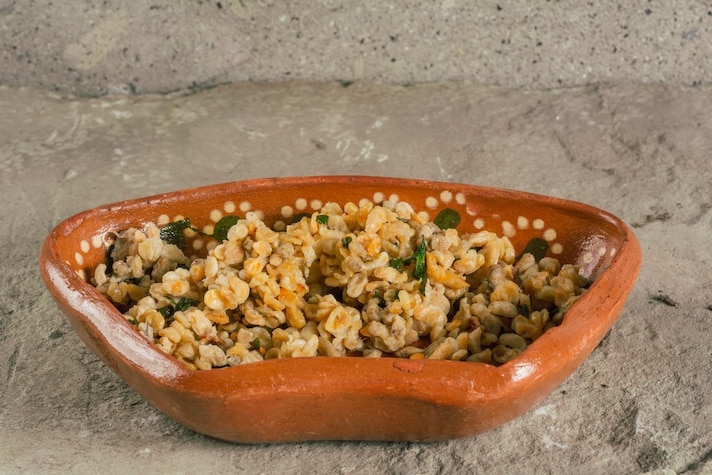
Escamoles are the eggs of a particular species of giant ant that have been collected for centuries by indigenous communities in Mexico. Locals call them "insect caviar." The eggs are extracted with great care, and those who have tasted them say they have a buttery, delicate flavor. Although the idea of eating ants may seem bizarre, escamoles are considered a delicacy, rich in protein and a treasure of traditional Mexican cuisine. Once you try them, you'll have an experience you'll never forget.
8. Smiley (South Africa)
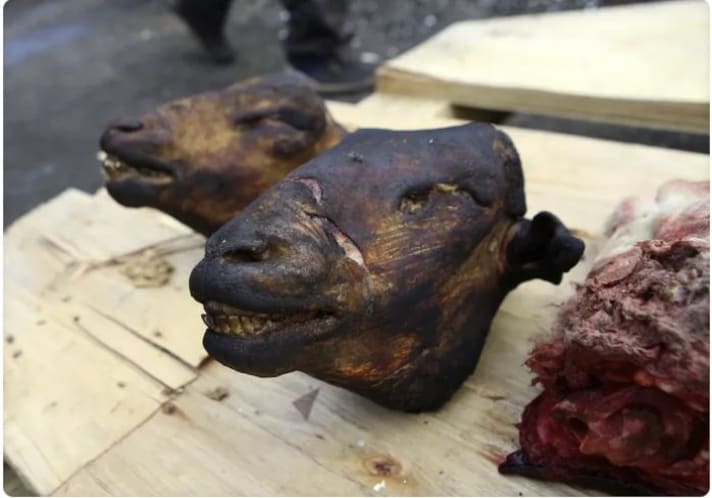
A small disclaimer: this is a food that at first glance might seem truly disgusting and bizarre. You'll know that "smile" means "grin." The name of this dish has something perhaps extremely "macabre" about it, as it's nothing more than a whole sheep's head, named after the teeth that protrude when the animal's lips are consumed when roasted. A dish that may be quite controversial, but it's an integral part of South African gastronomic culture. The sheep's head is slowly cooked and served with its entire contents: cheeks, teeth, brains, eyes, tongue—in short, for many locals, the smiley is a delight. Another dish on this list that requires a great deal of courage and gastronomic curiosity.
9. Roasted Cuy (Peru)
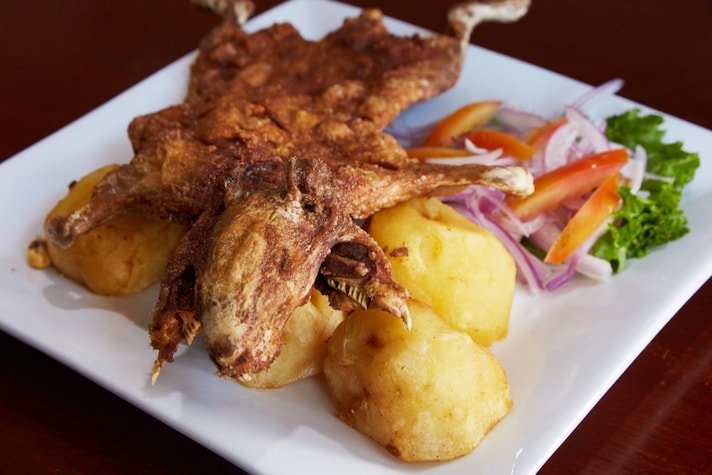
Cuy is Peru's national dish and consists of a gutted, grilled guinea pig. Eating it evokes ancient rites, celebrates community festivals, and passes on a cuisine that has never been just nourishment, but also the story of an Inca people and traditions. According to Peruvians, cuy meat is extremely tender; many describe its flavor as a cross between chicken and rabbit, but with a more intense and aromatic note. Rich in protein and low in fat, it's perfect for a mountain diet and is easily raised as it doesn't require large spaces and is sustainable.
10. Reindeer Hot Dog (Alaska)

Alaska‘s frigid temperatures don't allow much room for outdoor activities, but for those few hours a day when you can leave the house, the reindeer hot dog becomes a true resource. A perfect delicacy to warm up, especially for tourists, after a long day of activities in the wilderness. Every March, Alaska hosts the famous sled dog race, where fast-paced dogs pull the jockey to victory. During this competition, the reindeer hot dog is a must-try for spectators. It's a dish that may seem strange to those unaccustomed to eating deer meat, but here it represents an authentic gastronomic tradition, capable of brightening even the coldest days.

