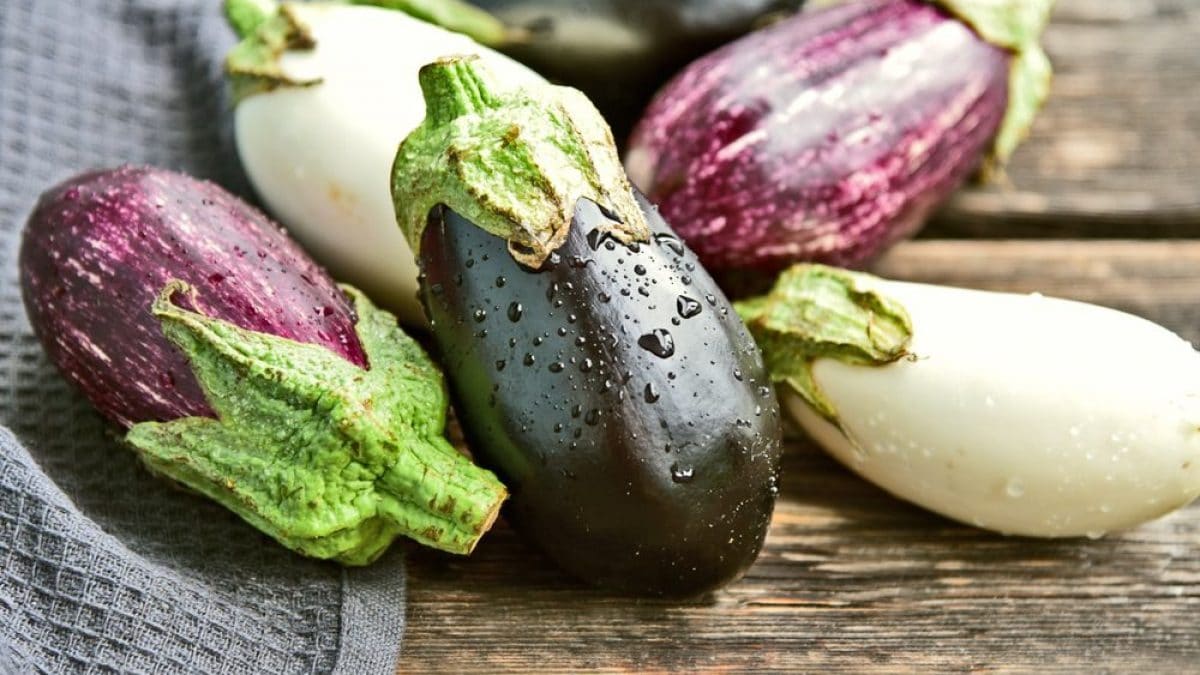
A symbol of the Mediterranean summer, eggplant is one of the most versatile and beloved vegetables in cuisine: from a botanical point of view, it is a fruit, just like tomato, to which it is a close relative as both are part of the Solanaceae family. It is now a food present 12 months a year in grocery stores, but its best season is from the beginning of June to the end of September, where it becomes the protagonist of some of the most iconic recipes of tradition, from caponata to pasta alla Norma, and the iconic parmigiana. Rich in water and low in calories, eggplants are purifying and good for the liver: they contain fiber, potassium and anthocyanins, antioxidants that help fight cellular aging. However, be careful not to consume them after cooking, as raw they are indigestible due to the presence of solanine, a substance toxic to our body. That said, there are many varieties of the queen of the summer, different in shape, color, and flavor: each has its own "workhorse" in the kitchen. Let's discover 10 popular types and how to best enhance them.
1. Black Oval Eggplant

This is the most common and recognizable type, found in practically every market. It is characterized by its more or less elongated pear shape, its dark, tight, smooth, and very dark skin, while the flesh is white-green and porous. Among the most representative varieties is the Black Beauty eggplant, firm and with few seeds. It is a very versatile eggplant in the kitchen, a true all-rounder: it can be diced and fried or pan-fried as a side dish, or hollowed out and stuffed in the oven, but also sliced for parmigiana, timbales, or gratin.
2. Long Black Eggplant

It is highly productive, can be stored for a long time, and is therefore also very widespread. Its appearance – as its name suggests – is cylindrical, more tapered than the previous one, maintaining a very dark skin color and a meaty pulp with a moderately delicate flavor and very few seeds. Due to its shape, it is perfectly cut into rounds for frying, diced in tomato sauces, or thinly sliced lengthwise, for grilling and rolling up to create delicious roulades.
3. Round Eggplant

Large and globular, its appearance is unmistakable: its color usually ranges from dark purple to intense fuchsia, with a shiny skin. The flesh is abundant, firm and compact, so it holds up perfectly to cooking while maintaining its beautiful shape: it is no coincidence, in fact, that it is the perfect eggplant for being stuffed, as in the version of with meat, other vegetables or mixtures, such as the Graffiti eggplant. It also makes room for slicing, to create revisited caprese or creative mini pizzas. One of the most popular is the Little Finger or Fairytale eggplant, with its particularly sweet flavor.
4. Purple Egglant

Widespread especially in central and southern U.S., this type includes many varieties that all share a thin, light purple skin, which can be more or less wide and long, almost seedless, and free of the bitter aftertaste generally found in those with blackish skin. Among the oldest American crops are the Listada de Gandia, and the Rosa Bianca. They are ideal for pickling in oil, or for enhancing cold dishes such as pasta salad or couscous.
5. Long Purple Eggplants

Here is the elongated violet, with a cylindrical and tapered shape, which shares many features with the previous one, but a color that tends towards a darker purple. Convenient and quick to prepare, for example, among the most well-known are the Japanese Baby Eggplant, with its bright purple hues, the Black Beauty, which instead tends towards blackish and is characterized by its spicy flavor, and the Globe eggplant, also with dark hues, with few seeds and a strong flavor. How to use them? In the most diverse ways, they are excellent stuffed or pan-fried pizzaiola-style, with mozzarella and tomato.
6. Striped Eggplant

Also known as the zebra eggplant, it's similar in shape to the classic black oval, but stands out for its distinctive white and light purple stripes, reminiscent of the animal's fur. The flesh is sweet and soft, perfect for use in recipes that highlight its freshness and delicacy: try it with a fragrant pesto, perhaps with the addition of mint and lemon juice, or in a sweet and sour version, or even in a summery risotto.
7. White Oval Eggplant

A unique variety with a completely white, glossy skin: it's rarely seen, but it's common to find in farmers' markets or specialty grocery stores. Its shape is similar to the classic black oval, but the flesh is denser and creamier, with a delicate, non-bitter flavor. Excellent baked, roasted whole and then removed for creamy sauces, or sliced and grilled for more refined vegetarian dishes. It pairs beautifully with oriental spices (try using it in baba ganoush) and fresh cheeses, and is ideal for those seeking an original alternative.
8. Round White Eggplant With Pink Hues

Also known as the "white rose," it certainly doesn't go unnoticed thanks to its pink hues on an ivory-white background and is a variety that was specifically selected for its naturally sweetness. The generally spherical shape, with a smooth but slightly ribbed skin, is grown mainly in the marshes: it gives its best when used in delicate and elegant recipes, such as cream soups, but at the same time it is excellent fried or pan-fried, perhaps as a seasoning for fish and seafood-based pasta dishes, such as mussels or tuna.
9. Pearl Eggplant

Thin, long, and small (usually no more than 12 cm), its skin is a deep, shiny purple. Because of its small size, it's called "baby." The flesh is sweet and tender, yet firm, and contains less water than other eggplants, allowing it to cook well without becoming overly oily. Soaking in salted water is prohibited. Perlina is a niche product, and therefore beloved by chefs who play with simplicity: grilled and topped with a yogurt sauce, it's a delicacy.
10. Red Eggplant

We conclude with a unique eggplant. The Red Egg or Turkish Red it is grown by small-scale and heirloom farmers, often in California and the Southeast. This eggplant is round, compact, and bright red-orange, resembling a tomato more than a traditional eggplant. Its bold, slightly bitter flavor works beautifully when stuffed with grains, vegetables, or proteins, roasted, or grilled, offering a vibrant and surprising twist in American kitchens.
;Resize,width=767;)
