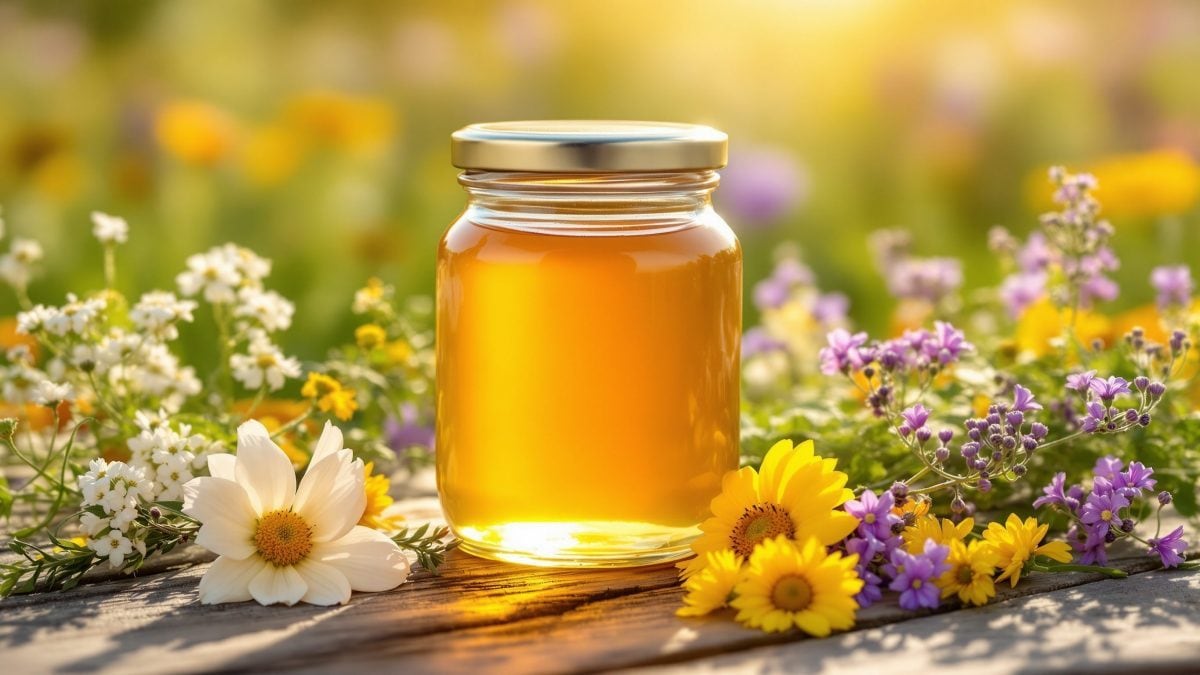
Sweet, colorful, fragrant, and especially beneficial for the body: honey is a precious natural product, an essential ingredient in your kitchen, allowing you to prepare countless recipes, from sweet to savory. It's difficult to say how many types of honey exist: globally there are thought to be around 300, each obtained from a different type of flower or tree from which the bee collects nectar, and each with its own unique characteristics.
But there are many more factors that influence the taste and characteristics of honey than you might imagine: the changing seasons, for example, greatly influence honey, and depending on the time of year it's produced, harvested, and processed, it takes on different organoleptic nuances. The result? No two honeys are perfectly identical, not even if they come from the same plant. Each seasonal honey has its own characteristics, but the one that comes from the first flowering of the year is certainly very special: it's spring honey, the first harvest of the year when temperatures rise, flowers bloom again, and bees resume their intense activity. Spring honey, therefore, reflects the variety of the first blooms (such as dandelion, orchards, rapeseed) and takes on nuances that make it truly unique: it has a particularly delicate, light, and floral aromatic profile, a pale color, slow crystallization, and a generally sweet, almost fruity flavor. Let's discover all the characteristics and types of these precious spring honeys.

What is Spring Honey?
Like all natural products, no two honeys are exactly alike. Instead, each possesses unique and inimitable characteristics influenced by various factors, especially geography (altitude, terrain) and climate, as well as the different species of flowers and plants from which bees collect pollen. The seasons, therefore, with their particular combination of temperatures and climatic conditions, specific blooms, and characteristic environmental conditions, significantly influence the organoleptic characteristics of each honey.

Mild temperatures and higher humidity favor nectars richer in simple sugars and light aromatic compounds, resulting in generally clear honeys (ranging from almost transparent to straw yellow) with a refined olfactory profile. Conversely, as the seasons progress and the blooms change, mineral compounds and more complex substances increase, producing darker, more intense, and persistent honeys. Precisely for this reason, no two honeys will ever be the same, and even those from the same type of plant take on different nuances and characteristics depending on the time of year they are harvested and produced.
The term spring honey refers to all the honeys produced by bees between the beginning of the spring flowering and the beginning of summer, when the availability of nectar is particularly abundant and varied. In this phase, after the winter, the colonies resume intense foraging activity and collect nectar from plants that flower between March and May (or early June, depending on the area). In the spring months, these small, industrious insects collect mainly from flowers such as acacia, cherry, dandelion, and other wild plants , giving rise to delicate, fresh, and floral honeys.
Spring Honeys' Characteristics
Spring honeys are distinguished by their generally light and refined sensory characteristics, reflecting the richness and freshness of the first blooms. From an aromatic standpoint, they present delicate, floral, and sometimes fruity scents, never too persistent or invasive, precisely because they derive from spring nectars rich in lighter volatile compounds. The color is also typically light, ranging from almost transparent to straw yellow, generally associated with a lower presence of mineral salts and coloring substances compared to summer or autumn honeys. Another important characteristic concerns crystallization: many spring honeys tend to remain liquid longer or to crystallize in a fine and homogeneous manner, forming creamy and pleasant structures on the palate. This behavior depends on the ratio of glucose to fructose and the composition of the original nectar, which in spring honeys often favors a soft and velvety consistency. Let's discover the most common and appreciated spring honeys, as well as the rarer products, what their characteristics are, and their uses in the kitchen.
1. Acacia Honey

Acacia honey is considered one of the most popular spring honeys, harvested between April and May and obtained from the nectar of Robinia pseudoacacia, a plant that flowers at the very beginning of spring. It is among the most beloved spring honeys for its extremely delicate profile: it is very light, almost transparent, with a particularly runny consistency due to its high fructose content, which makes it naturally fluid and slow to crystallize, and a sweet flavor with floral and vanilla notes. In cooking, it is ideal as a "neutral" sweetener, perfect for tea, herbal teas, and yogurt, but also for preparations where you don't want to overpower the flavor of other ingredients, such as soft cakes, fruit salads, or fresh cheeses.
2. Dandelion Honey

Dandelion honey is produced in early spring, when the countryside begins to turn the characteristic yellow of the flower whose nectar it derives from. It is among the most aromatic honeys due to its intense flavor, reminiscent of wildflowers, with a slight bitter note and a distinct sensation of freshness due to the naturally very fine crystallization process, which creates a creamy mass that is excellent for spreading. Dandelion honey, in fact, is known for crystallizing quickly, taking on a compact and creamy consistency, due to its high glucose content and the resulting low fructose-to-glucose ratio. In the kitchen, it lends itself well to more distinctive pairings: it is excellent spread on bread, with butter, or paired with aged, flavorful cheeses, where its intense flavor creates a pleasant contrast.
3. Citrus Honey

Citrus honey is made from the nectar collected from the flowers of plants belonging to the Citrus genus, including oranges, lemons, mandarins, bergamots, citrons, and grapefruits. It is a particularly fragrant honey, with the same intense aroma typical of citrus blossoms, which bloom in spring. When freshly produced, while still in its liquid state, citrus honey is very light in color, ranging from transparent to straw yellow, while after crystallization it tends toward white or light beige. Its aroma has a characteristic floral scent reminiscent of the flowers from which it is produced, but this fades over time, shifting toward more fruity notes. Its very sweet taste, with a pleasant acidic edge, reflects the characteristics of its typical aroma. It is very versatile in the kitchen: perfect for desserts, creams, and biscuits, but also for flavoring drinks or adding a fragrant touch to savory dishes such as white meats and salads.
4. Spring Wildflower Honey

Spring wildflower honey is the result of multiple blooms and therefore exhibits variable characteristics, though it generally maintains a delicate profile. Its color is light and its aroma is floral, with nuances that can change from year to year depending on the specific weather conditions of each spring; crystallization is usually regular and fine. It is extremely versatile in the kitchen: it is suitable for both sweet and savory preparations and is ideal for those seeking a balanced honey for daily use, from breakfast to light marinades. It is excellent paired with mild cheeses and white meats.
5. Cherry Honey

Cherry honey is considered rare because the blossoming occurs in early spring, when bee colonies are still quite small and weather conditions are often unstable, making it difficult to produce satisfactory quantities. It is a truly unique honey, characterized by a light, pinkish color and a delicate yet distinctive aroma, with fruity and slightly almondy notes. It can crystallize quite quickly. In the kitchen, it is interesting as an accompaniment to fruit-based desserts, yogurt, or ricotta, but also to create original contrasts with fresh or semi-mature cheeses.
6. Sulla Honey

Sulla honey is a prized spring-summer honey, produced between April and June and derived from the nectar of the Sulla plant (Hedysarum coronarium), which blooms in late spring with carmine-red flowers. It is a very light honey, ranging from white to pale yellow, with a delicate aroma with light vegetal notes and hints of fresh hay. Its flavor is delicate, not very persistent, and never cloying; it crystallizes finely and compactly, taking on a creamy consistency. In the kitchen, it is particularly suitable for those seeking a discreet honey: excellent paired with ricotta, fresh cheeses, and yogurt, but also in light and leavened desserts, where it contributes sweetness without altering the main flavors.
7. Rapeseed Honey

Rapeseed flowers bloom from April to June, depending on the weather and climate. The flowers are particularly rich in nectar and pollen, which is why they easily produce an exquisite honey, recognizable by its very pale color and delicate aroma, yet with a distinctive vegetal note. Rapeseed honey is famous for its rapid crystallization (often already in the honeycomb) due to its high glucose content: this makes it ideal for spreading on bread and toast, but it's also excellent for baking, especially if you want a subtle sweetness.
8. Heather Honey

Heather honey is a spring honey obtained from certain species of this plant that flower in spring. It is not very well known and quite rare, and is produced in small quantities between March and May. Characterized by a light amber color and a more intense aroma than other spring honeys, with floral and slightly caramelized notes, heather honey crystallizes medium-fast, often giving it a slightly grainy texture. In the kitchen, it is interesting as an accompaniment to medium-aged cheeses and as an enrichment for more structured desserts, such as tarts or savoury pies.
9. Hawthorn Honey

Even rarer and more unique is hawthorn honey, a niche product but one of the most delicate spring honeys with its very pale color and floral scent. With a balanced flavor, never overly sweet and with a slight bitter note, it is a honey that lends itself to refined pairings: ideal with fresh cheeses, yogurt, and herbal teas, or for simple desserts where a light yet distinctive aromatic profile is desired.
10. Apple Honey

Apple honey is a very rare and valuable product, rare and limited in production because the tree has a short flowering period and produces less nectar than other species. It has a light color and a very delicate aroma, with fruity nuances reminiscent of fresh apples, and a smooth, harmonious flavor with hints of apple cider. In cooking, it's perfect for accompanying fruit-based desserts, especially apples and pears, or for sweetening drinks without overpowering their flavor.
;Resize,width=767;)
