
The invention of the refrigerator certainly changed the way we store food: thanks to this appliance, we can now keep food cool enough to slow its deterioration, thus ensuring its longer shelf life. This doesn't mean, however, that everything can be stored in the refrigerator! The refrigerator is useful for keeping many foods intact, but not all of them: some, in fact, are even at risk of spoiling in the cold. Which ones? Here are 11 foods I should never store in the refrigerator.
What Foods Shouldn't Be Stored in The Refrigerator?
Got a clove of garlic left over, a tub of tomatoes, or a juicy buffalo mozzarella? Your first instinct is to put everything in the refrigerator, but that's actually a mistake: these foods, along with others (some unsuspecting, others easier to guess), should never be refrigerated, as low temperatures could cause them to spoil more quickly, or at least cause them to lose their organoleptic qualities. Let's look at the dos and don'ts, as well as how to handle eggs, which deserve a series of specifics.
1. Potatoes
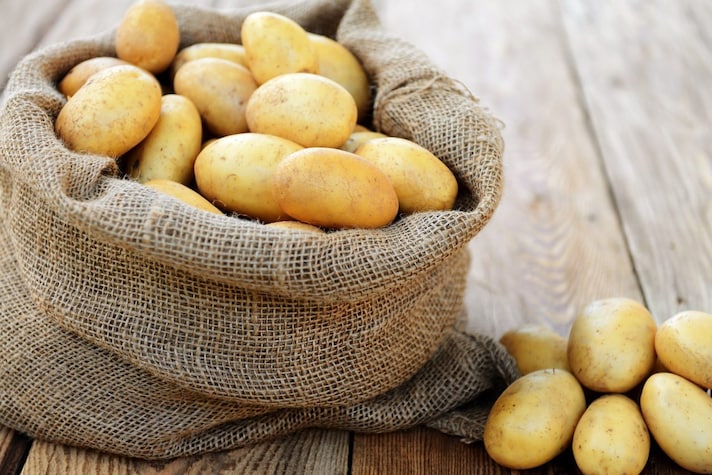
Cold is potatoes' worst enemy, as it turns the starches inside them into sugars, making them sweet and floury, and also causing them to spoil very quickly. Potatoes should never be refrigerated, so to preserve them as long as possible, they need a dry, dark place at room temperature, ideally in a paper bag that absorbs some of the moisture.
2. Bread

Unless you're trying to turn your bread into a brick, the refrigerator isn't the best place to store it: the cold makes it dry and hard, practically throwing it away. The best way to store rolls and loaves is in a cotton bag or a paper bag, like the ones you find in bakeries. If you really want to extend their life and preserve them for longer, you can freeze them.
3. Tomatoes
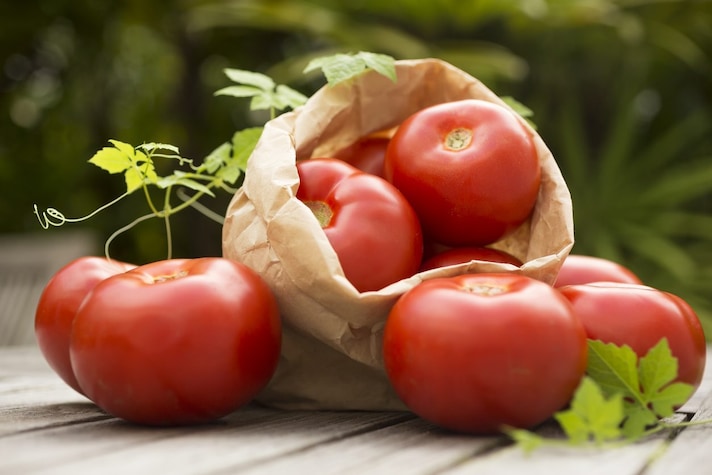
This is one of the most common mistakes, because who has never put a punnet of tomatoes in the refrigerator? In reality, it would be a mistake: the cold stops the ripening of this vegetable, which tastes best when fully ripe, in addition to making it more floury in flavor. In reality, the best way to store tomatoes is at room temperature, but it depends a lot on their degree of ripeness and what you plan to use them for: in general, it is recommended to keep tomatoes intended for sauces and gravies at room temperature, while salad tomatoes or cherry tomatoes (if they have reached the right degree of ripeness) should be stored in the refrigerator.
4. Basil and Parsley
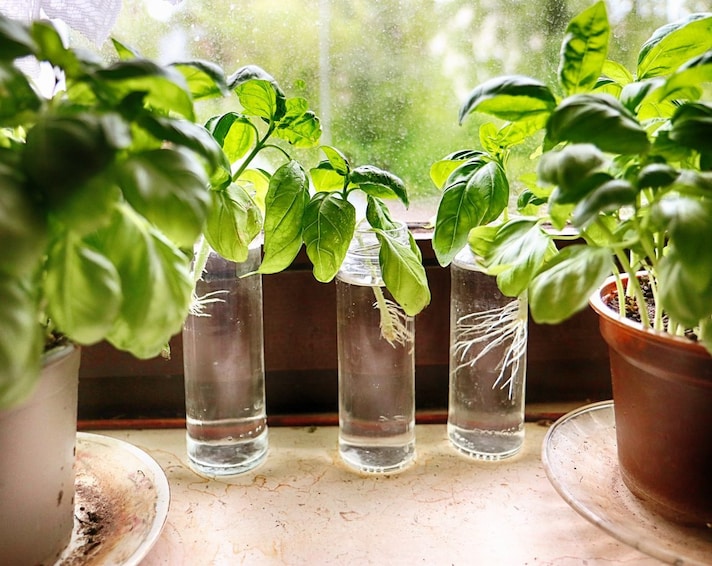
Basil and parsley, and in fact all aromatic herbs, should never be refrigerated: the low temperatures cause the leaves to lose their properties, color, and flavor, and cause them to rot more quickly. Furthermore, the leaves of aromatic herbs are veritable sponges, so if they're kept in a closed space with other foods, they'll absorb all sorts of odors. The best way to preserve them is in a jar filled with water, just like you would with a bouquet of flowers.
5. Coffee
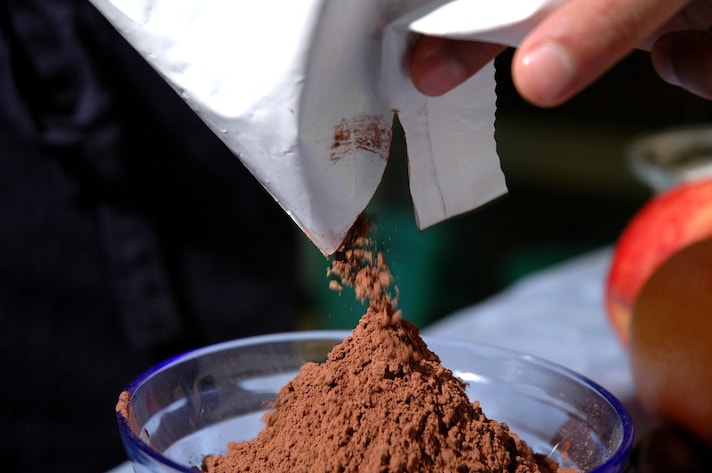
Coffee is a concentration of aromas and flavors that, to best preserve itself, must be avoided in excess: too much heat ages it, too much cold blocks its aromas. Storing it in the refrigerator with the belief that it will stay fresh longer is just an urban myth, because in the refrigerator, coffee absorbs the odors and moisture of all other foods, tends to dry out, and ends up losing all its organoleptic characteristics. The best way to preserve it is to keep it in a dry place away from light.
6. Bananas
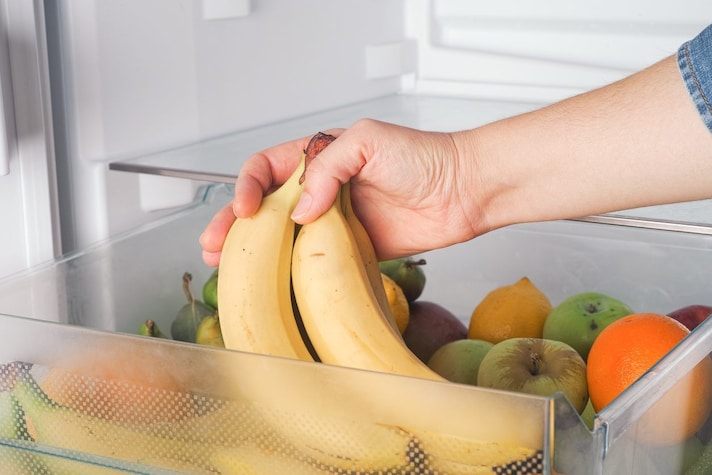
No tropical fruit should ever be refrigerated, especially bananas: if you refrigerate them while they're still unripe, the cold temperatures will quickly make them mushy and turn brown. You can try refrigerating them only when they're very ripe, to see if they can last a few more days, but in general, it's best to store them at room temperature, away from other fruits that accelerate ripening (like apples), and let them follow their natural course.
7. Avocado
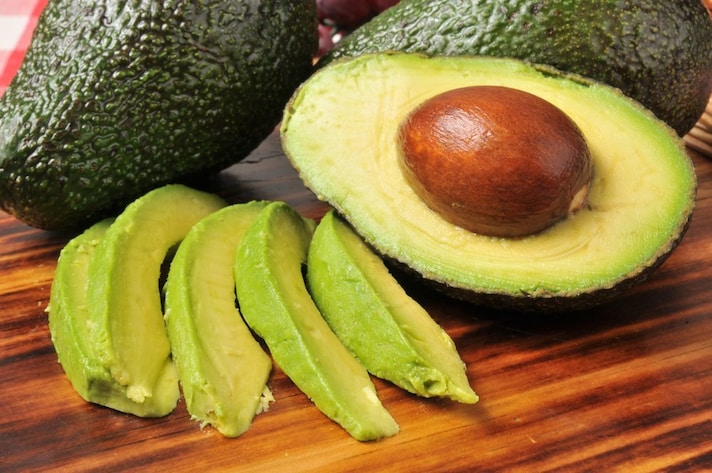
A hard avocado is inedible: the low temperatures of the refrigerator allow you to preserve the avocado for weeks, and the fruit, while not spoiling, will ultimately never ripen. Refrigerate it only if you don't intend to use it immediately (or if you've already cut it). Otherwise, to allow it to reach the right consistency and be used shortly after purchase, let it rest at room temperature.
8. Garlic and Onion
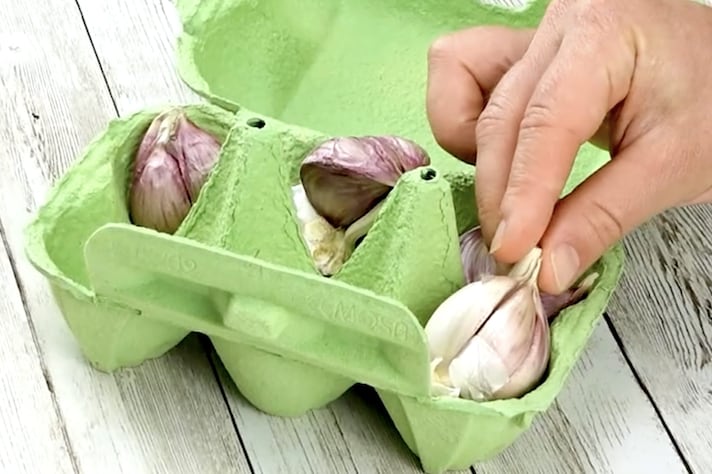
Planting garlic and onion is essentially an attack on these two precious foods: in the case of garlic, the cold makes it sprout quickly, also making it soft and rubbery, while in the case of onions, it causes them to rot very quickly. In both cases, both foods should be stored at room temperature and away from sources of light or heat, preferably in paper bags or wooden crates.
9. Honey
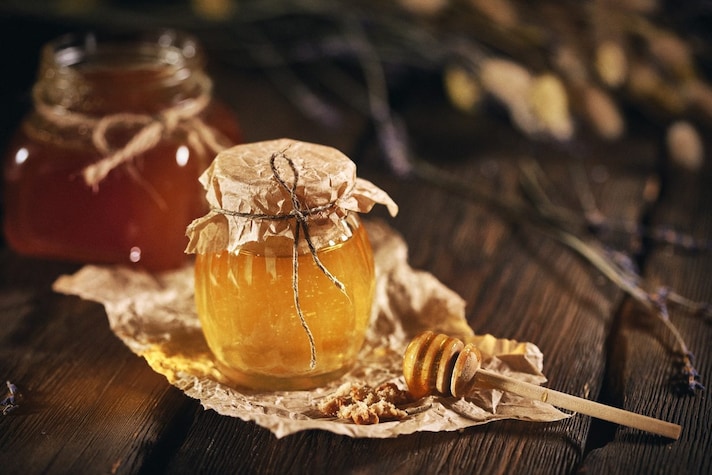
There's no reason to store honey in the refrigerator; in fact, it's the best way to ruin it: the cold crystallizes it, changing its consistency and altering its organoleptic characteristics. Honey itself is a food with a long shelf life, provided it's stored correctly, that is, in a tightly closed jar and kept in a cool, dry place.
10. Buffalo Mozzarella
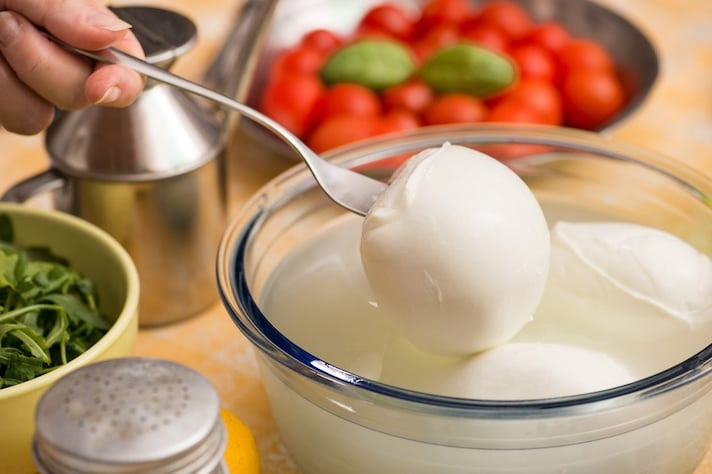
This is the item that will surprise you the most, because in any supermarket, buffalo mozzarella is found in the refrigerated section. This is actually a bad practice, but not entirely: if you buy fresh buffalo mozzarella, it can be kept at room temperature (between 18 and 25 degrees Celsius) for the first 48 hours without any risk, as long as it remains immersed in its whey. After these two days, and still preserved in the whey, it can be refrigerated, but not kept for more than 24 hours.
11. Eggs (But Not All of Them)
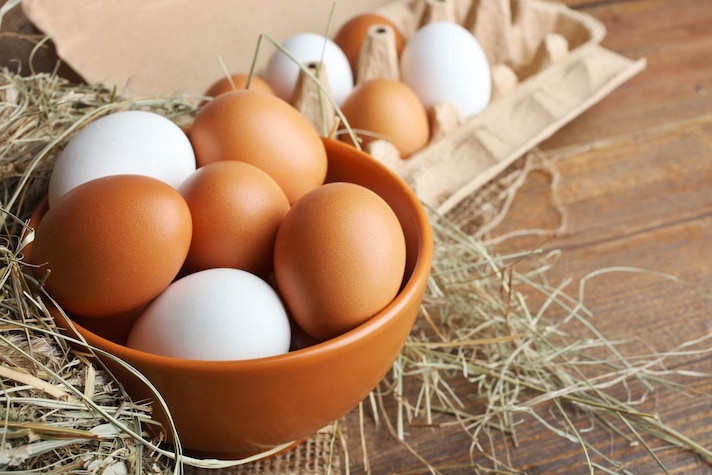
Eggs deserve clarification: they should generally be refrigerated to prevent the growth of bacteria, but why do you find them at room temperature in the supermarket? According to the 2008 European regulation, eggs cannot be refrigerated during transport or in supermarkets, because on the way from the supermarket to your home, they would experience temperature fluctuations and condensation would form, which is dangerous for our health because it would allow the growth of pathogenic microorganisms. Once home, however, the problem no longer exists, and since they are not sterile eggs, they should be refrigerated to prevent the risk of bacterial growth.
;Resize,width=767;)
