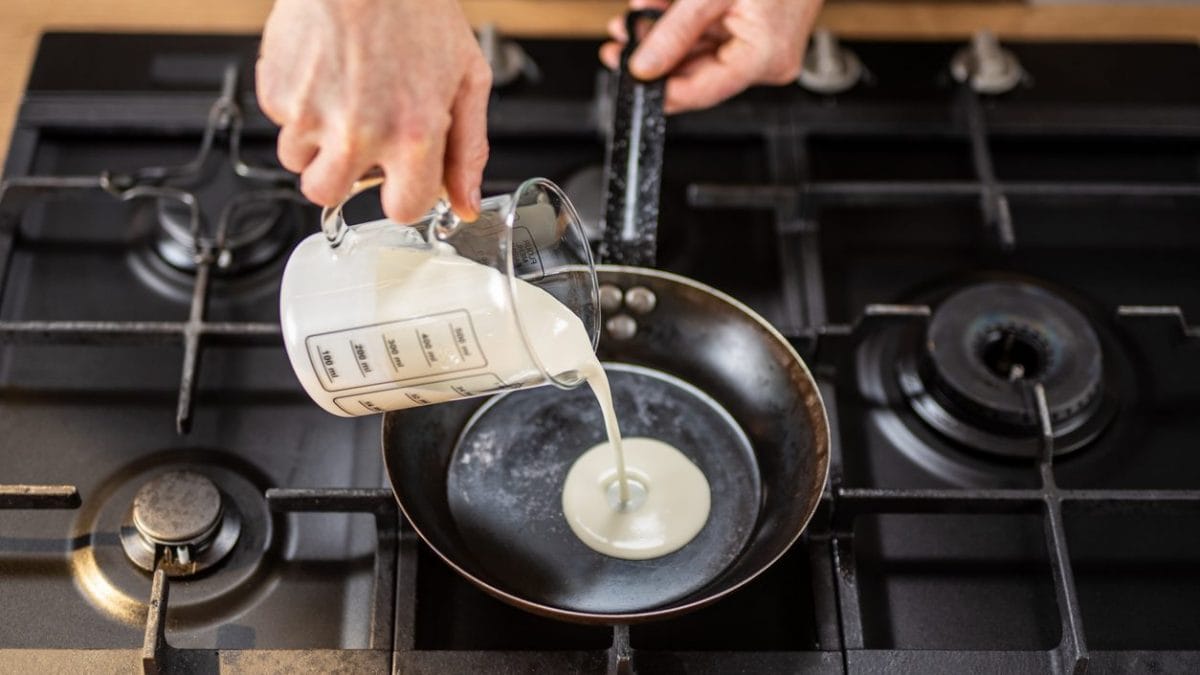
Cooking cream has always been one of the most used ingredients: thanks to its creamy consistency and neutral flavor, it is a true all-rounder capable of making many dishes tastier and smoother. Not only desserts, where it is naturally used in a wide variety of recipes, but also many savory dishes benefit from its properties, such as soups, sauces, risottos, and gravies. But what if you can't eat cream, perhaps because you are lactose intolerant or by choice, because you follow a vegan diet? Because of its great versatility, cream might seem irreplaceable, but in reality, there are many foods that can replace it, allowing you to achieve the same type of result in your recipes. If you can't eat cream, don't have it at home, or are simply looking for a lighter alternative, here are the best alternatives that make a perfect substitute.
1. Vegetable Cream

One of the most popular alternatives to traditional cooking cream is vegetable cream: just like plant-based milk, this product contains no animal ingredients but is obtained from the processing of other foods, usually soy, rice, oats, almonds, and coconut. Some have a more neutral flavor, others a slightly stronger or sweeter taste, so before choosing which vegetable cream to use, consider the type of recipe you're preparing. However, all have a creamy consistency very similar to traditional cream, making them perfect for stirring, seasoning, and softening. Vegetable cream may have a variable fat percentage depending on the product, but the advantage is that it is cholesterol-free, as well as lactose-free.
2. Ricotta

If you don't have any lactose or dairy-related issues, you can replace the cooking cream with ricotta, a tasty but much lighter ingredient with a significantly lower fat content (in the case of cow's milk). Thanks to its neutral flavor, it's perfect for both savory and sweet recipes (there are many ricotta-based recipes, in fact), but remember that the flavor can be slightly more or less intense depending on the type of milk it's made from (cow's, sheep's, goat's, or buffalo). The ratio for replacing cream with ricotta is 1:1, so the quantities are the same. Just remember that some types of ricotta are particularly dry; if you want to soften it, you can use a couple of tablespoons of milk.
3. Natural Yogurt

Yogurt is an excellent substitute for cooking cream, very light, nutritious, and wholesome, as well as having a much lower calorie content than cream. It's no coincidence that it's one of the most versatile foods in the kitchen, suitable for both desserts and savory recipes like creams or sauces. Choose plain yogurt, which won't add any distinctive flavor to the dish because it has a neutral taste, but will still help bind the ingredients together and give your recipe a particularly creamy consistency.
4. Milk and Butter

It's not exactly a diet alternative, but if you're not concerned about calorie intake and don't suffer from any specific intolerances, you can replace cooking cream with a mixture of milk and butter. This emulsion isn't suitable for whipping, but it's perfect as a substitute for cooked dishes. It's very simple to prepare: simply melt the butter over very low heat until soft, then combine it with the milk and blend with a blender. You can measure the quantities based on your recipe's requirements, calculating half butter and half milk. For example, if the recipe calls for 200 ml of cream, then you'll need 100 grams of butter and 100 ml of milk. It's a full-bodied, creamy mixture that gives a unique texture to your recipes and is also versatile: just add sugar and it's perfect for making desserts, cakes, pies, and custards, while with a pinch of salt or a sprinkling of chopped herbs, it becomes ideal for savory dishes.
5. Powdered Milk, Lemon Juice and Vanilla (Desserts Only)

Powdered milk, lemon juice, and vanilla can be a good option if you don't have any heavy cream in the refrigerator. You can make the mixture by blending 200 ml of ice water, the juice of 1/4 lemon, and half a teaspoon of vanilla in a blender. Then add 200g of powdered milk and, once you've achieved the right consistency, add 2 tablespoons of sugar. Blend until the mixture has a creamy texture and resembles a light frosting, perfect for cakes, desserts, and sweets of all kinds.
6. Canned Coconut Milk

A great alternative for vegans or those with lactose intolerance is coconut milk—not the drinking variety, but thick coconut milk, the kind sold in cans and often used in many traditional Asian dishes. Creamy and thick, with a fat content of around 20-24%, it's an excellent plant-based substitute for cream, ideal for both sweet and savory recipes. Refrigerate the can for 24 hours to separate the fat from the liquid: remove only the thick cream and you'll have a perfect vegan whipped cream, excellent for dozens of recipes, from mousses and desserts to curries and spicy soups.
7. Silken Tofu

Just like coconut, tofu comes in dozens of versions with varying consistencies. The one that's right for you in this case is silken tofu: unlike traditional tofu, this variant is soft and velvety, has a creamy consistency, and a fresh, light flavor. You can find it already blended or in blocks to slice and blend; in both cases, thanks to its texture and neutral flavor, it's the ideal substitute for cream, giving recipes a surprising creaminess. You can use silken tofu in sweet and savory recipes in a 1:1 ratio, replacing the same amount of cream with the same amount of product. If the result is too thick, you can thin it out with a little plant-based milk.
8. Skimmed Milk and Cornstarch

If you don't have cream, you can make a mixture with a similar consistency using skim milk and cornstarch. Heat 200 ml of milk and dissolve about 10–15 grams of cornstarch in it, whisking to avoid lumps. Heat gently until the mixture thickens: the cornstarch will act as a natural thickener, creating a smooth, velvety cream, suitable for replacing cream in sauces, gravies, and cooked dishes.
9. Milk, Seed Oil and Salt

Milk, seed oil, and a pinch of salt, mixed together, create a mixture very similar to cream, with a neutral flavor that's perfect as an alternative to all your recipes, both sweet and savory. Pour 100 ml of room-temperature milk into a container, add a pinch of salt, and blend. Then, as soon as bubbles begin to form, gradually add 100 ml of seed oil. Continue blending until the mixture thickens, and that's it—your cream substitute is ready.
10. Oil (or Butter) And Cooking Water

A quick alternative to cream, for dressing pasta at the last minute even if you don't have it on hand, is to use an emulsion made with the cooking water and oil or butter. The cooking water contains starch released by the pasta, and when you add a fatty ingredient and stir vigorously while hot, an emulsion is formed—a mixture in which the fats disperse throughout the liquid, creating a full-bodied, velvety sauce ideal for dressing pasta dishes. Depending on the other ingredients in the pasta, you can add grated cheese, which helps stabilize the emulsion and increase the creaminess. Remember that if you choose butter, the emulsion will be thicker and similar to a sauce made from cream, while if you choose oil, you will have a more delicate and light mixture, perfect for fish-based sauces or garlic, oil, and chili pepper sauces. It's not exactly like cooking cream, but as a dinner-saving solution, it's perfect and very tasty.
11. Bechamel Sauce

Béchamel is a sauce made from milk, butter, and flour: it's easy to see why it's a perfect replacement for cooking cream. Whether you make it following the classic recipe or a vegan version, the result is always a full-bodied, velvety sauce, with a rich, delicate, yet fairly neutral flavor. Generally, you can replace the cooking cream with a medium-density béchamel sauce in a 1:1 ratio, depending on the desired consistency, and then use it especially for pasta and risotto, for sauces over meat and fish, or for baking vegetables and pasta.
;Resize,width=767;)
