Cooking has always been about more than just feeding ourselves. Across cultures, the kitchen is a place of tradition, ritual, and a surprising amount of superstition. Some of these beliefs are playful, some are deeply rooted in history, and others persist simply because someone’s grandmother said so— which, in culinary matters, is often reason enough.
From spilled salt to singing pots, here are some of the most enduring cooking superstitions from around the world, and where they come from.
1. Spilling Salt Brings Bad Luck (Almost Everywhere)

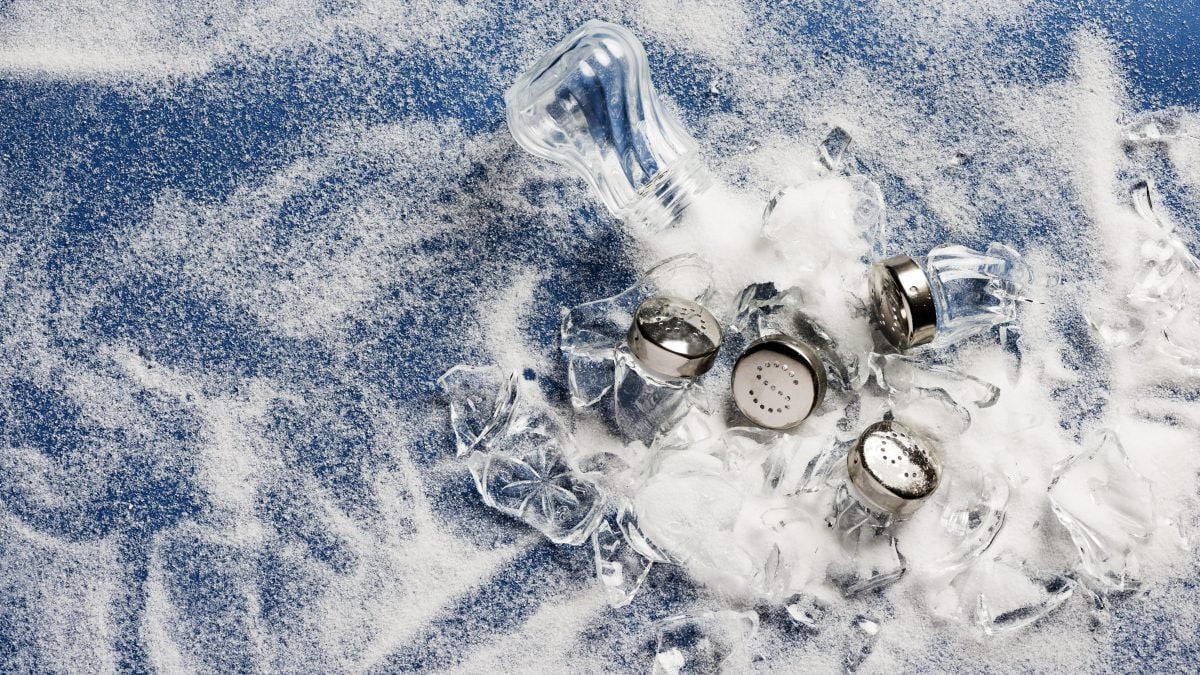
This is perhaps the most famous kitchen superstition of all. In many Western cultures, spilling salt is said to bring bad luck— unless you immediately toss a pinch over your left shoulder. The belief dates back centuries, when salt was expensive and essential for food preservation. Spilling it wasn’t just careless; it was wasteful. Over time, salt also took on symbolic meanings tied to purity and protection. Throwing salt over the left shoulder was thought to blind the devil, who was believed to lurk there. Superstition aside, the anxiety probably came from the very real consequences of losing something valuable.
2. Never Stir With a Knife (Eastern Europe)

In parts of Eastern Europe, stirring food with a knife is said to invite conflict or anger into the home. Knives symbolize violence and division, so using one in place of a spoon or ladle is thought to disturb harmony — both in the pot and among the people eating from it. There’s also a practical angle here: knives can damage cookware and are far from ideal for stirring. Superstition or not, this one holds up.
3. A Watched Pot Never Boils (England and Beyond)

This phrase has made its way into everyday language, but it started as a kitchen belief. The idea is simple: staring at a pot delays the boil, either through bad luck or impatience. Scientifically, the pot is boiling at the same rate regardless of your gaze — but psychologically, time does seem to move slower when you’re waiting. The superstition became a metaphor for patience, but it stuck around the stove.
4. Don’t Taste Before Serving (Japan)

In traditional Japanese culture, repeatedly tasting food before serving was once seen as disrespectful— suggesting a lack of confidence in one’s cooking or distrust in the ingredients. The belief emphasizes intention and skill: a good cook should know when a dish is ready without constant testing. While modern cooking encourages tasting, the superstition reflects a broader cultural value of restraint and trust in technique.
5. Bread Must Never Be Placed Upside Down (Many Cultures)

Across Europe and Latin America, placing bread upside down is considered bad luck. Bread has long been a symbol of life, sustenance, and even the divine. Turning it upside down was once associated with disrespect — or, in some regions, with death, as upside-down bread was allegedly reserved for executioners. Even today, many people instinctively flip bread right-side up without knowing why.
6. Singing While Cooking Brings a Happy Meal (Italy)

In parts of Italy, it’s believed that singing while cooking brings joy and good energy into the food. The logic is emotional rather than mystical: food cooked with happiness is thought to taste better and nourish the spirit as much as the body. It’s less about luck and more about mindset — a superstition that feels surprisingly modern.
7. Never Cook Angry (China)

In Chinese tradition, emotions are believed to transfer into food. Cooking while angry or upset is thought to negatively affect the dish and, by extension, the people who eat it. This belief aligns closely with traditional Chinese medicine, which emphasizes balance, energy, and intention. Whether or not you believe in emotional transference, it’s a good reminder that cooking while stressed rarely leads to your best work.
8. Don’t Count Dumplings or Pancakes (Various Cultures)

In several cultures, counting food while cooking — especially dumplings, pancakes, or baked goods — is believed to bring bad luck or cause them to fail. The superstition likely stems from anxiety around scarcity. Counting meant worrying, and worrying was thought to invite mistakes. Many cooks still avoid counting until everything is finished.
9. Let Someone Else Cut the Cake (United States & UK)

At celebrations, the act of cutting a cake often carries symbolic weight. In some traditions, cutting your own birthday cake is considered unlucky — a small but persistent superstition tied to the idea of community and shared joy. The cake is meant to be given, not taken.
10. If Soup Boils Over, Guests Are Coming (Eastern Europe)

In parts of Eastern Europe and Russia, a pot boiling over is said to signal unexpected visitors. While this may be more hopeful than ominous, it reflects how closely cooking was once tied to hospitality. A busy kitchen often meant company — so the superstition makes emotional sense, even if it’s inconvenient.
11. Don’t Sweep the Kitchen at Night (Asia & Latin America)

Sweeping the kitchen after dark is believed, in some cultures, to sweep away wealth or good fortune. The belief comes from times when homes were poorly lit and sweeping at night risked throwing away valuable items. Today, it’s a superstition that lingers — even if the vacuum cleaner disagrees.
12. Broken Dishes Mean Good Luck (Greece)

In Greek culture, breaking plates has historically symbolized celebration, abundance, and joy. While deliberately smashing dishes isn’t exactly practical at home, the superstition reflects a belief that noise and excess drive away bad spirits and invite happiness. It’s one of the few kitchen superstitions that actually encourages chaos — briefly.
;Resize,width=767;)
