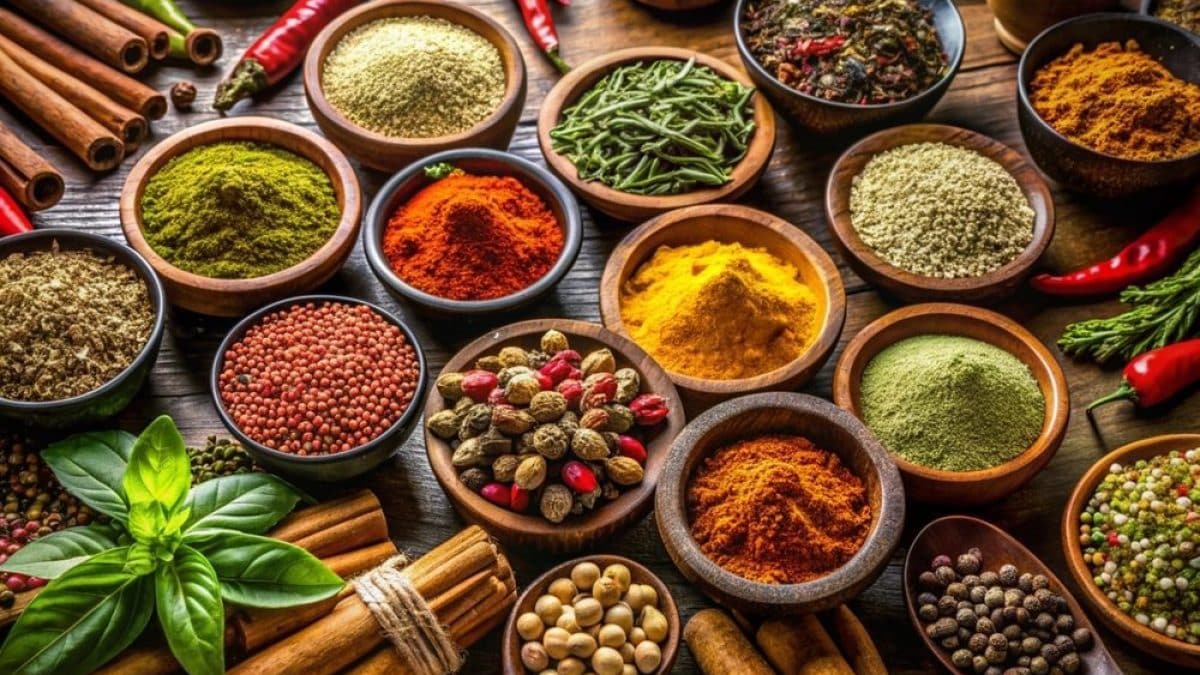
Spices have become an extremely welcome ingredient in pantries: useful for the body and versatile, they have the advantage of adding flavor without necessarily relying solely on salt (which we should reduce our daily doses of), lending different nuances to the most diverse dishes, be they soups, salads, meat, fish, and marinades. Some have been part of the (almost) daily vocabulary since time immemorial, such as pepper, chili pepper, and nutmeg, while others have made their way into Western hearts relatively recently, such as turmeric, paprika, and coriander. Still others, however, are only now making their entrance "into society," because they are finally easier to find online and in ethnic shops, arousing great curiosity: there are single spices like annatto or cumin, but also blends, from za'atar to shichimi togarashi, that are worth discovering.
1. Sumac
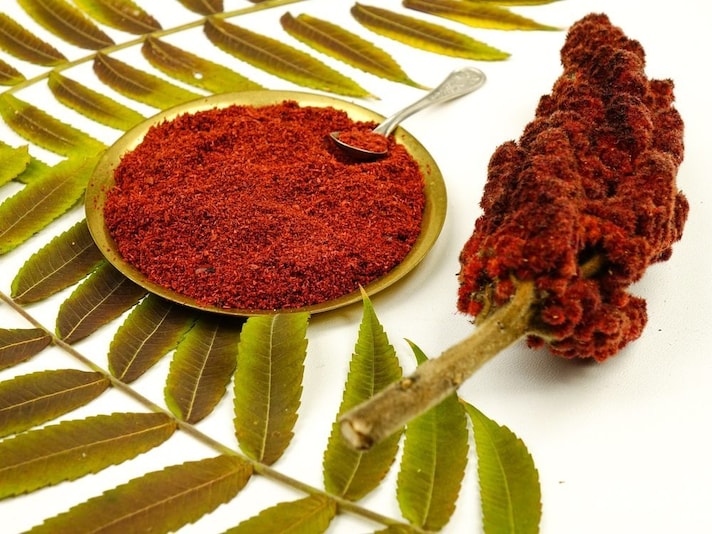
Let's start with a spice that has always been close to us, but which we use very little. Sumac, widespread especially in the Mediterranean basin and the Middle East and also grows in Sicily, appears as a shrub with red berries – belonging to the Anacardiaceae family – which are dried, crushed and used in cooking as a flavoring. The name derives from the Arabic summaq, meaning dark red, referring to the color of the drupes: it is also called summak, sumak or sumac. The aroma is slightly citrusy, reminiscent of lemon, while the flavor is an interesting mix of sour and spicy, with a clearly perceptible acidic note. In Middle Eastern cuisine, it is found in the dressing of fattoush, a traditional salad made from tomatoes, cucumbers, radishes and lettuce enriched with pita bread, added at the end (or during cooking it tends to become bitter) on fish and meat and is one of the components of the za'atar spice blend – which we will get to know better later – usually together with thyme, sesame and salt.
2. Annatto
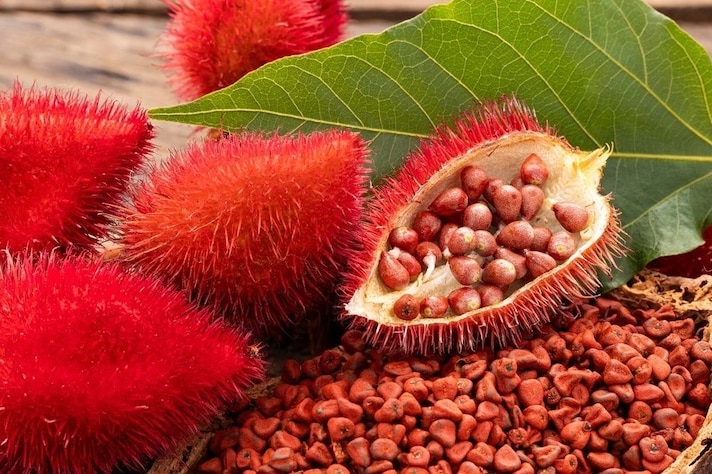
It comes from South America and thanks to trade between the 16th and 17th centuries it travelled all over the world, landing in India, Sri Lanka, the Philippines and Java, all thanks to its colouring properties, both for fabrics and textiles, as well as for foods: in cooking it also plays the role (albeit minor) of flavouring, due to its sweetish, slightly peppery flavour. We are talking about annatto, a spice that derives from the seeds of Bixa orellana, a tropical plant, also called achiote, the protagonist of many Mexican, Indian and Caribbean specialities. As a food additive it is known by the acronym E160b and depending on how it is used it gives yellow-orange or bright red hues: for example, it is responsible for the hue of the famous cheddar cheese. In the homemade version – found in powder or whole seeds – you can use it to liven up meat marinades (especially chicken) or leave it to infuse in the broth used to cook rice.
3. Fenugreek
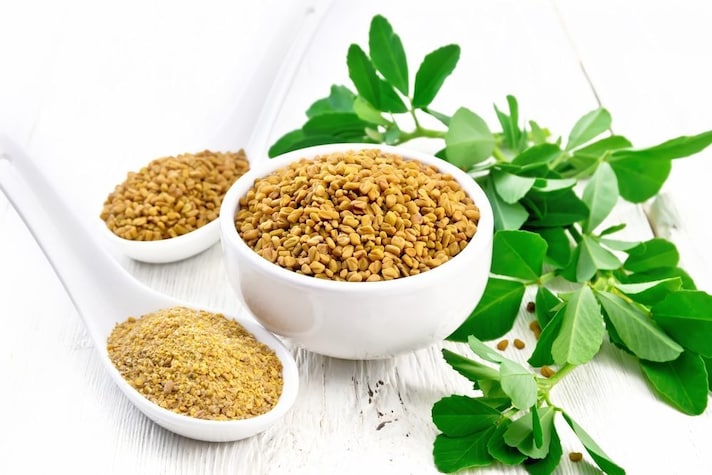
Here is another ancient spice that we are hearing more and more about and which has absolutely nothing to do with the dried grass used mainly as animal feed, except for the fact that in the past it too was used as livestock food. In this case we are talking about a legume (Fabaceae family) already known in Egyptian times and widespread especially in the Middle East and India. The seeds, which are used as a spice, are yellow-amber in color and rather triangular in shape (hence the scientific name Trigonella foenum-graecum): the aroma is vaguely reminiscent of maple syrup and the taste is slightly bitter. They are rich in vitamins, fibre and proteins: toasted and cooked they are perfect both as a flavor enhancer and to add crunchiness. They usually need to be soaked to make them more tender. Once reduced to powder they can be consumed in herbal teas and digestive and energizing decoctions. In traditional recipes, fenugreek seeds are an integral part of the berbere spice blend, popular in Ethiopia and Eritrea with which to make zighinì, and of Indian curry.
4. Za'atar
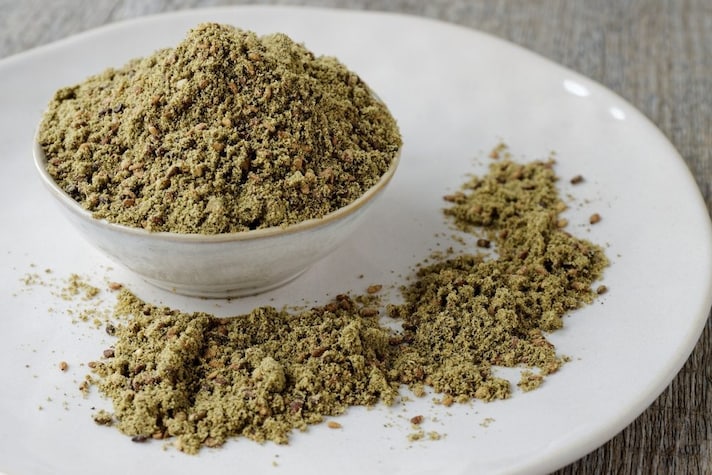
So far we've focused on just one spice; the next five we're going to explore are blends that include several of them, considered true gastronomic symbols, some of which are at the center of strongly cultural disputes over identity, such as za'atar. Let's start here, with this highly fragrant blend of Middle Eastern spices and aromatic herbs. There's no universal recipe for this spice, but it most often includes thyme, sesame, and sumac (but also oregano, marjoram, salt, oil, and garlic). Its history is intertwined with Israel and Palestine, even becoming part of the delicate geopolitical issues between the two peoples. Za'atar has no rules for use: if you like its aroma, which evokes Mediterranean atmospheres, you can also use it generously on salads, fish, and meat, or stock up on it, given that it keeps for a long time in well-sealed glass jars. In Lebanon it is the main condiment of the flattened flatbreads that look like pizza, the manāqīsh, often filled with cheese or minced meat, and which are generously covered on the surface with a mix of spices and labaneh, a very creamy fresh cheese made from yogurt.
5. Ras el Hanout
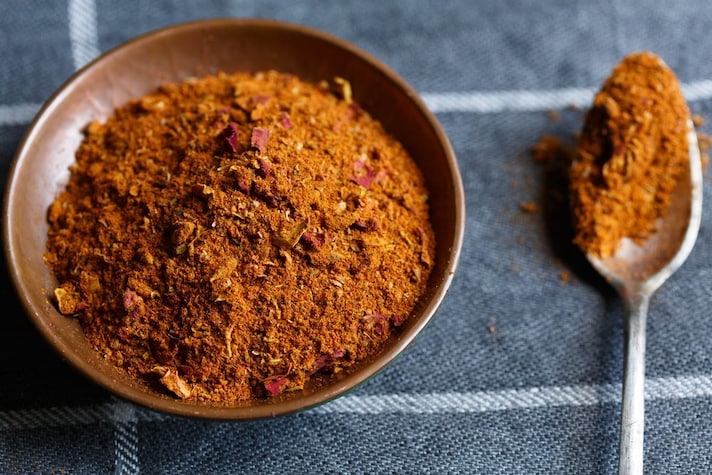
Literally translated, it means "the boss of the shop," an expression that immediately conveys the richness of this mix, which can contain up to 30 plants (not just spices). Again, there is no standard preparation method, with families maintaining their own personal version. Ras el hanout is a specialty of the Maghreb and can contain many different ingredients, including cardamom, nutmeg, cinnamon, cloves, ginger, turmeric, coriander, chili pepper, lavender, and rose buds. The result is a warm, enveloping aroma, with sweet and spicy notes that blend in perfect balance. Where is it used? In couscous and tagines, legume and vegetable soups, and is also great for toning down the flavor of mutton and lamb, enriching marinades.
6. Advieh
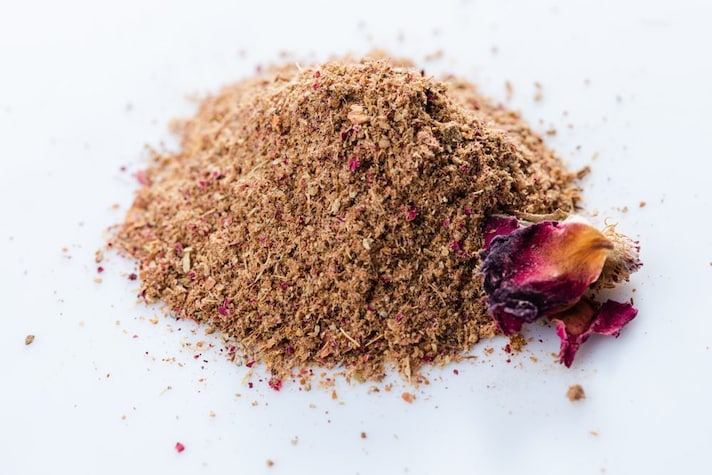
Those who prefer gentle flavors over bolder ones will find a true ally in advieh, an elegant blend best enjoyed in Iran and Iraq. Depending on regional differences, it may contain cinnamon, cardamom, dried rose petals, cumin, coriander, turmeric, and black pepper. The blend is refined and delicate, with floral notes that distinguish it from more pungent blends (in short, not spicy). It is used to flavor basmati rice, stews, grilled meats, soups, and legume salads.
7. Panch Phoron
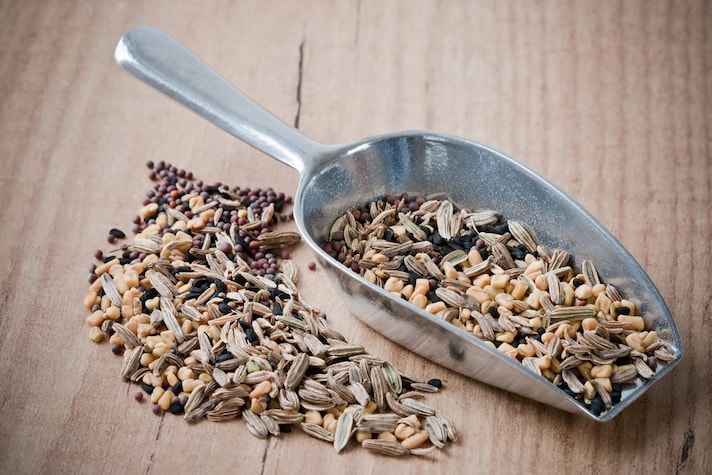
Also known as “Bengali five spices,” panch phoron is a blend originating from eastern India (particularly West Bengal), Bangladesh, and Nepal, also called panch puran. It is made up of equal parts fenugreek, cumin, nigella, fennel, and mustard seeds: all mixed whole and not ground into powder. When the seeds are toasted or sautéed in oil or ghee (clarified butter), they release an intense aromatic bouquet that ranges from bitter to sweet, with pungent hints and herbaceous notes: this is the best way to use it, sautéing it with garlic, onion, or shallots in vegetable, legume, and fish curries, not to mention chutneys, such as tomato chutney.
8. Shichimi Togarashi
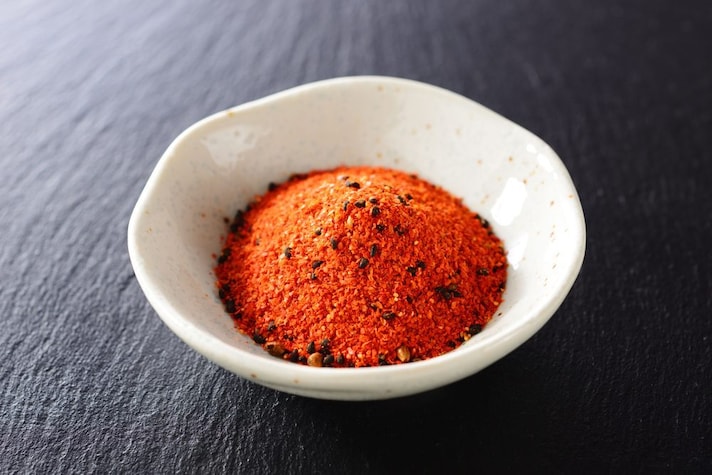
We conclude with a Japanese ingredient that is probably less famous than other seasonings, from teriyaki sauce, a true star that has now contaminated Western cuisine, to furikake , an explosion of umami in the mouth. With a colorful appearance and a strong flavor, shichimi togarashi is called the “seven-flavor chili pepper” because of the ingredients it is made of: red chili pepper (aka togarashi) combined with orange or yuzu zest, white or black sesame seeds, poppy seeds or hemp seeds, nori seaweed, Sichuan pepper, and ginger. It originated in the 17th century in Edo (the ancient name of Tokyo), where it was sold in spice markets. Its aroma is citrusy, fruity, spicy, and toasted, with a pleasant freshness aftertaste. It is used primarily as a garnish: it is sprinkled on miso soup, ramen, but also on white rice, grilled meat, and tempura.
9. Long Pepper
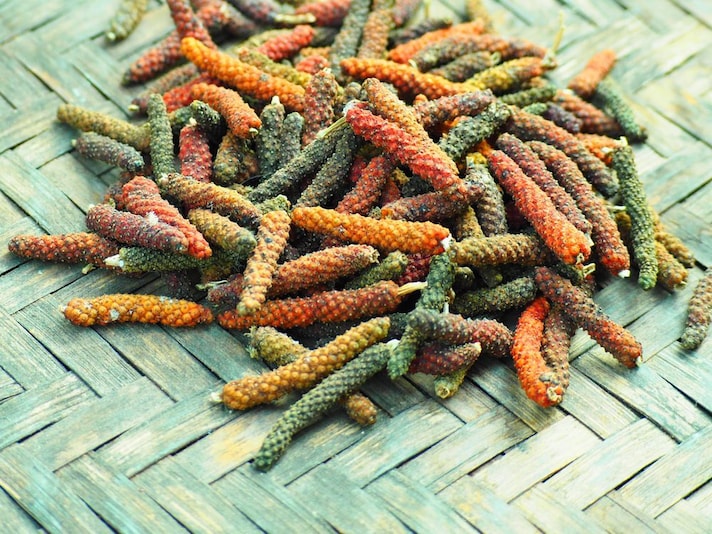
More intense and spicy than common black pepper, long pepper (Piper longum) is a rare spice that grows in the tropical forests of South Asia, particularly in India and Sri Lanka. Although less well-known, its pungent flavor and spicy aroma make it a sought-after ingredient for those who love chili peppers but are looking for something more complex. Long pepper comes in the form of small berry cones that, when dried, release a spicy aroma with hints of cinnamon and nutmeg. Historically used in Ayurvedic medicine, long pepper can be used in spicy dishes, curry mixes, and spicy sauces.
10. Grains of Paradise
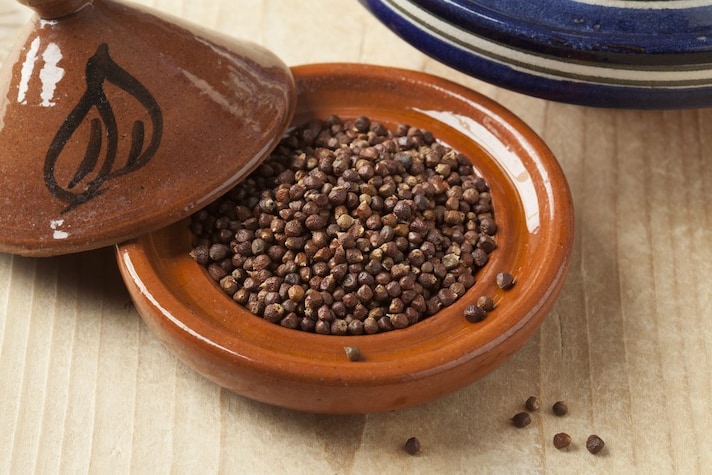
Native to West Africa, grains of paradise (Aframomum melegueta), also called malagueta pepper, are the seeds of a ginger-like plant belonging to the Zingiberaceae family. Their aroma is spicy and slightly citrusy, with an aftertaste reminiscent of the sweetness of cardamom. Grains of paradise are often used in traditional African dishes, but also in some medieval European cuisine. They can be used to flavor sauces, meat dishes, or even desserts such as chocolate or spiced biscuits. Thanks to their unique flavor, they are a perfect addition to dishes such as curries, stews, and rice dishes.
11. Mahlab
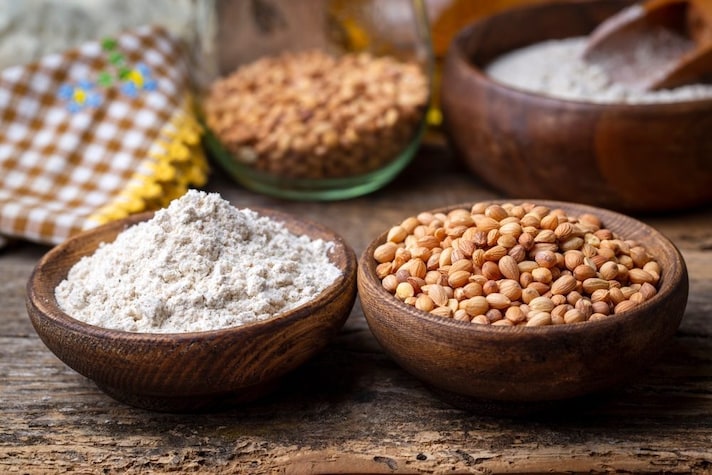
Mahlab (scientific name Prunus mahaleb) is a rare spice obtained from the seeds of a type of wild cherry. It is particularly used in Middle Eastern and Balkan cuisines, where it is prized for its unique flavor, which combines the sweetness of almond and cherry with a hint of spice. Mahlab has a fragrance that adds depth to desserts and breads. In pastry making, it is often used in traditional Syrian biscuits or Arabic sweets, as well as in Turkish breads, giving them a distinctive flavor reminiscent of marzipan but with a spicy and slightly bitter component. Furthermore, in savory cooking, it is excellent for flavoring meat, rice, and vegetable dishes.
12. Bahrain
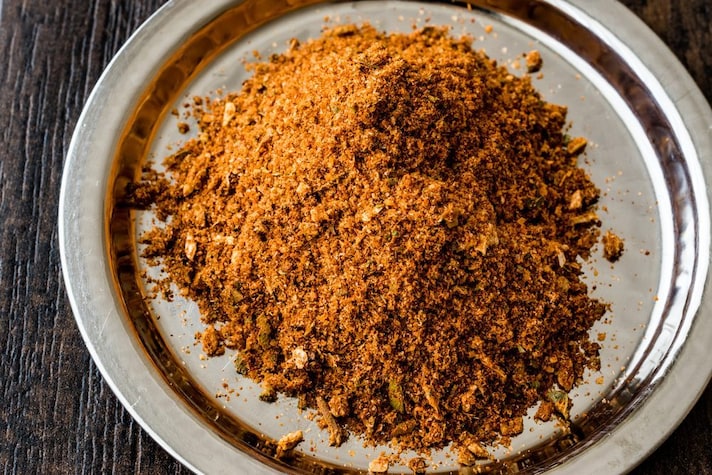
Bahrat is a spice blend native to the Middle East, used to flavor meat, fish, rice, and soups. The composition of baharat varies according to local traditions, but generally includes black pepper, coriander, paprika, cardamom, nutmeg, cloves, and cinnamon. Its aroma is warm and spicy, with sweet and spicy notes that enrich the dishes to which it is added. Bahrat is also used to marinate meats and to flavor sauces and stews.
;Resize,width=767;)
