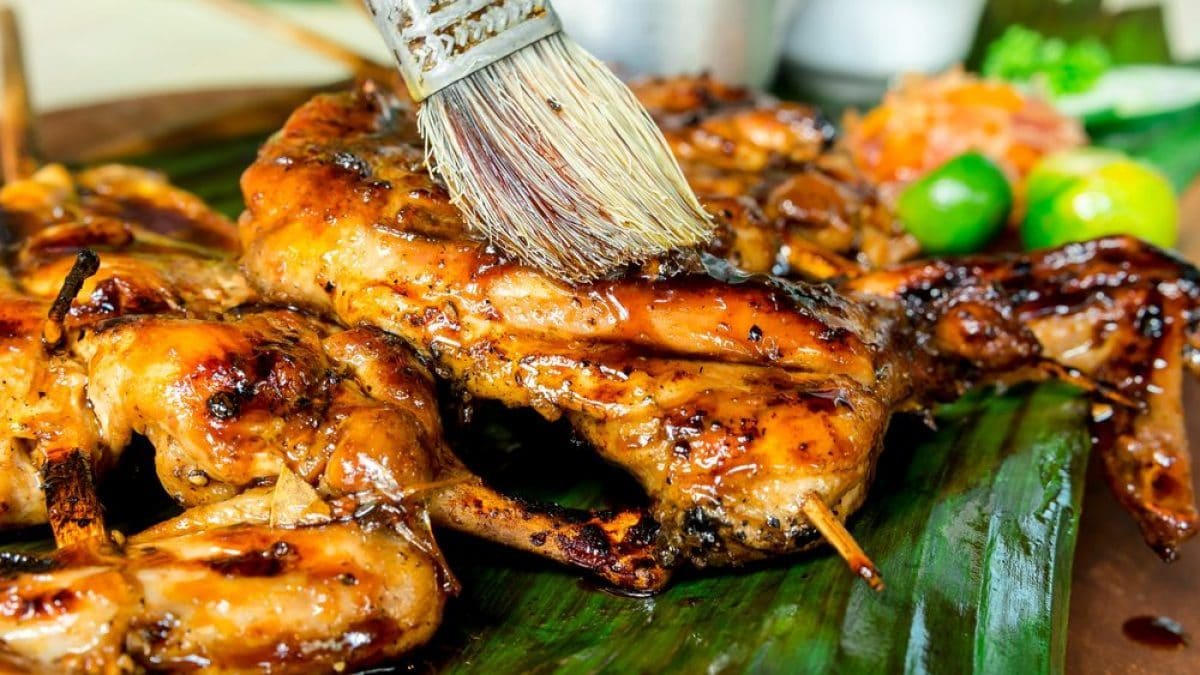
Few dishes have the power to please everyone like roast chicken. It's a Sunday dish, the aroma filling kitchens and streets, the crispy skin yielding at the first bite to reveal tender, juicy meat. Despite its simplicity, it's a dish with a long history and an infinite variety of interpretations.
Since ancient times, humans have cooked whole meat over flames: the ancient Greeks and Romans mastered the art of spit-roasting, and in the Middle Ages, large fireplaces were dedicated to the slow cooking of chicken and game. Over time, each culture has customized this technique with marinades, spices, and local sauces. Today, roast chicken is a truly global gastronomic journey.
Let's embark on this delicious journey through the recipes and traditions of roast chicken. Not only in Europe and the Western world, but also in the East, to discover together how such a simple dish can transform into a thousand nuances of flavor, aroma, and culture.
Rotisserie Chicken (United States)
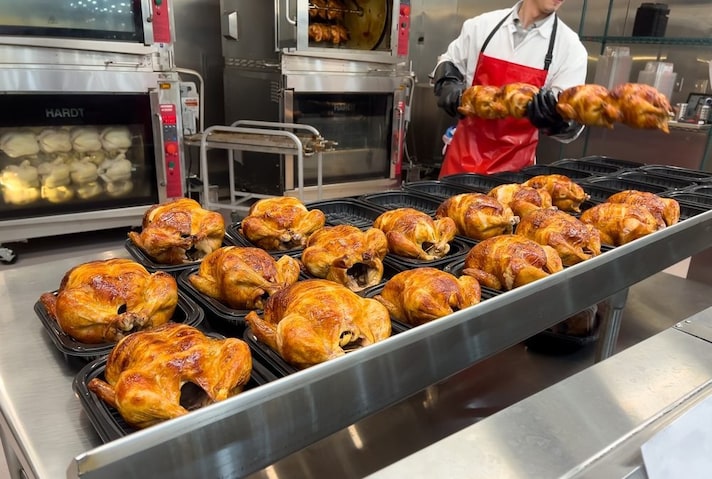
In the United States, rotisserie chicken has become synonymous with convenience and comfort food, especially since the 1990s. It's found everywhere: in supermarkets, fast food restaurants, and retail chains. Typical seasonings include paprika, onion, and garlic powder, but each chain has its own "secret recipe." The slow rotation of the spit ensures even cooking and irresistibly crispy skin. It's America's best-selling ready-to-eat meal: affordable, convenient, and perfect for taking home for a quick but tasty dinner.
Spit-Roasted (And Grilled) Chicken (Italy)
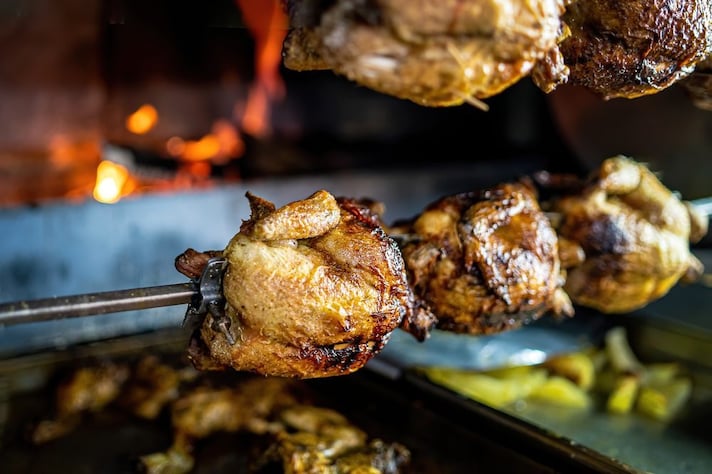
In Italy, roast chicken is synonymous with family tradition and conviviality. In rotisserie restaurants, it's spit-roasted, slowly turned, and seasoned with a simple yet fragrant condiment: extra virgin olive oil, lemon, garlic, rosemary, thyme, and sage. The skin becomes golden and crispy, while the potatoes, placed under the spit, are enriched with the dripping juices, making it an irresistible side dish.
Alongside the rotisserie version, oven-baked chicken is also popular, best cooked in the home oven for a special occasion like Sunday, or grilled chicken, perfect for summer barbecues. It's often marinated in oil, herbs, white wine, or lemon and left to rest before being grilled. Slow cooking over the coals gives it a smoky note and a rustic flavor, ideal for enjoying al fresco, perhaps with a glass of red wine.
Poulet Rôti (France)
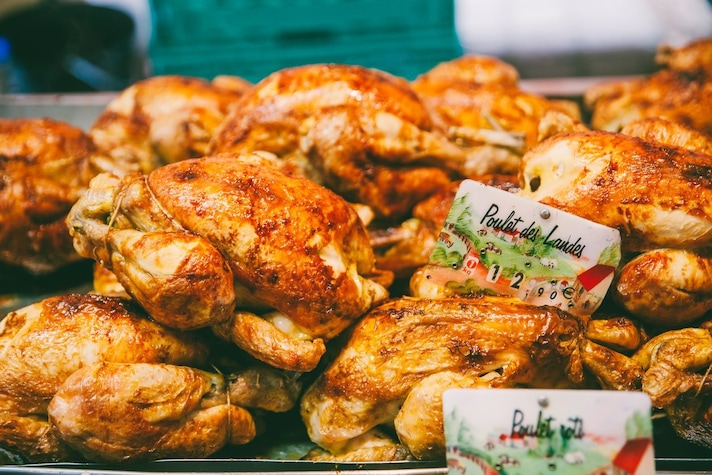
French roast chicken is a culinary icon. In city markets, it can be seen rotating on skewers, while the scent of butter and herbs fills the streets. In France, the chicken is seasoned with butter, thyme, garlic, and sometimes tarragon, which are tucked under the skin to keep it moist and flavorful. The roasted potatoes, called pommes rôties, are almost as important as the chicken itself: soft, golden, and infused with aromas. It's a dish that combines elegance and rusticity, a symbol of the French Sunday table.
Frango Assado (Portugal)

Frango assado is the quintessential Portuguese dish, spicy and straightforward. The star of the show is piri-piri, a sauce made with African chili peppers, oil, and lemon, which gives the chicken a vibrant, spicy flavor. Grilling it over a charcoal grill or on a spit makes it crispy on the outside and juicy on the inside. It's served pre-cut, ready to share, often with a fresh salad or fries. It's a popular and beloved dish, embodying Portugal's simple, warm spirit.
Pollo a La Brasa (Peru)
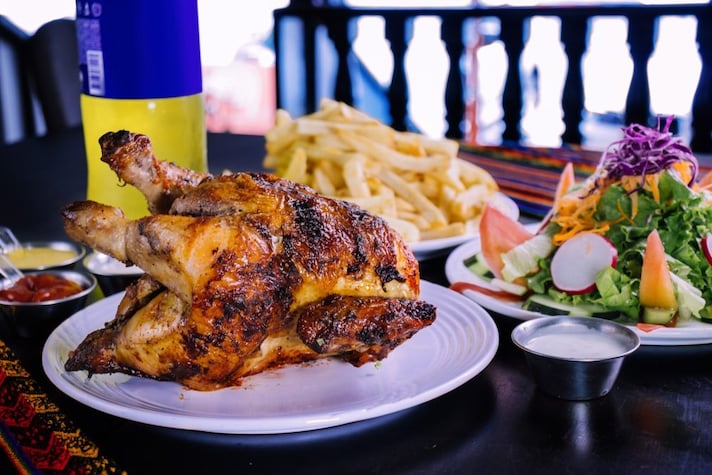
Originating in Lima in the 1950s, pollo a la brasa is now a national emblem. Its strength lies in its complex marinade: soy sauce, dark beer, garlic, cumin, pepper, and sometimes vinegar, which lends an intense and slightly smoky flavor. Cooking in charcoal ovens (rotombores) creates a crispy skin and decidedly aromatic meat. It is served with crispy fries and colorful sauces, especially ají verde with cilantro and chili, which adds freshness and spiciness.
Kotopoulo Psito (Greece)
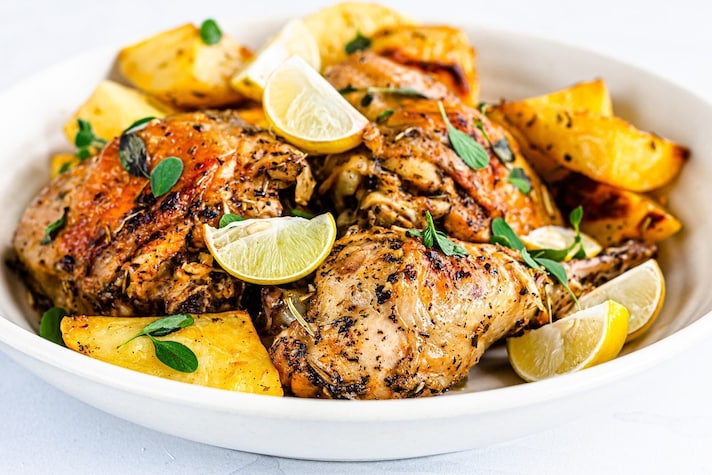
Greek roast chicken embodies the quintessential Mediterranean flavors: olive oil, lemon juice, oregano, and garlic. Kotopoulo psito, marinated with these ingredients, acquires a unique freshness, enhanced by slow cooking in the oven or on a spit. It is often served with lemon-roasted potatoes, which become tender and fragrant. It is a dish that evokes summer, the sea, and conviviality, perfect for sharing with family or friends.
Tavuk çevirme (Türkiye)
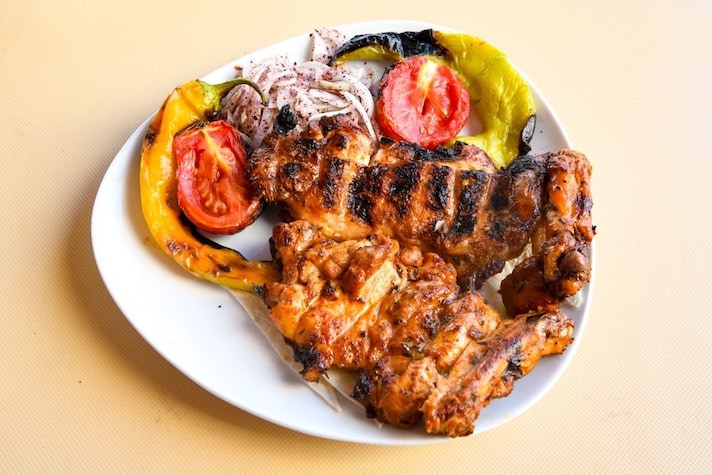
In Turkey, spit-roasted chicken is called tavuk çevirme. Here, the marinade is crucial: yogurt, garlic, sweet paprika, cumin, and black pepper make the meat incredibly tender and juicy. Cooking over coals imparts an irresistible smoky aroma. Often served with pilaf rice and grilled vegetables, it's a dish that combines simplicity and rich flavor, embodying the spicy soul of Turkish cuisine. When we talk about piliç çevirme, however, we're referring to a smaller, more tender, young spit-roasted chicken, a delicate variation of the traditional tavuk.
Galeto (Brazil)
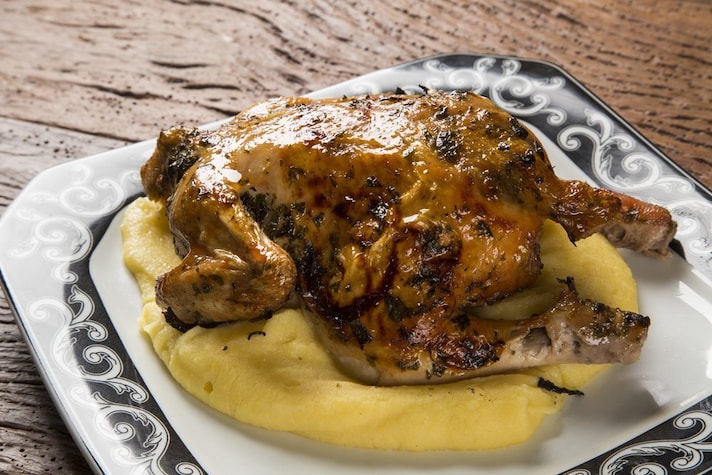
Brazilian galeto uses young, smaller, and more tender chickens. They are marinated in garlic, herbs, and white wine, then slowly roasted on grills or skewers in the famous churrascarias. Here, galeto is one of the many protagonists of the generous tables, where it is served continuously alongside rice, beans, vegetables, and farofa, the typical toasted cassava flour. It's a simple chicken, but the perfect embodiment of Brazilian conviviality.
Roast Chicken's Asian Variations
While in Europe and the Americas, roast chicken evokes rotisserie restaurants, Sunday lunches, and family gatherings, when we move to Asia, the tradition takes on a completely different tone. Here, the chicken isn't just roasted: it's marinated in yogurt, coconut milk, or fermented sauces, then cooked over hot coals or in clay ovens. The result is intense, spicy, and fragrant dishes that transform a simple dish into a riot of exotic flavors. From the bright red of tandoori chicken to the lemongrass aroma of lechon manok, the journey into the world of roast chicken finds some of its most surprising expressions in the East.
Tandoori Chicken (India)
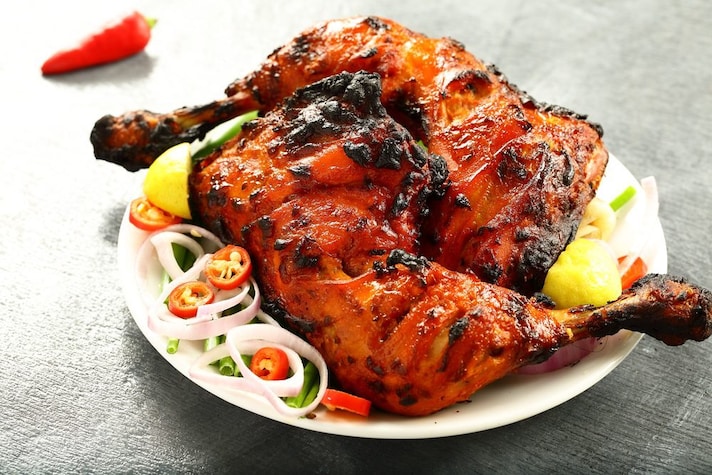
Tandoori chicken is probably the most famous Asian version. Marinated in yogurt and spices such as turmeric, coriander, cumin, chili pepper, and garam masala, it is cooked in the tandoor, a clay oven heated with charcoal to extremely high temperatures. The skin is roasted and lightly smoked, while the meat remains juicy. The result is a bright, aromatic, and intensely red chicken, often served with basmati rice or naan bread.
Chicken Tikka (Pakistan/India)
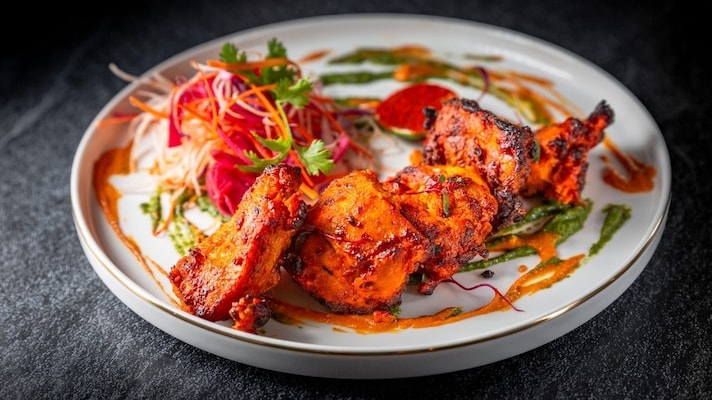
Similar to tandoori, chicken tikka is made with smaller, boneless chicken pieces. After a spicy yogurt-based marinade, they are skewered and cooked in the tandoor. The roasted, spiced surface maximizes the aromas of the spices. Often served as an appetizer or street food, it is one of the most popular dishes in South Asia.
Kai Yang (Thailand)
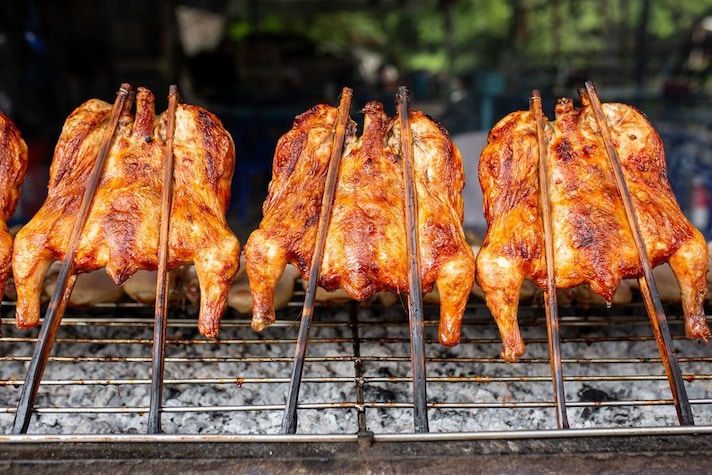
In Thailand, roast chicken is street food in its purest form. Kai yang is marinated with garlic, coriander, fish sauce, white pepper, and sometimes coconut milk, then slowly grilled over charcoal. The result is a juicy chicken with an aromatic, slightly smoky flavor. It's enjoyed with sticky rice (khao niao) and sweet and sour or spicy sauces made with chili peppers and lime.
Ayam Percik (Malaysia)
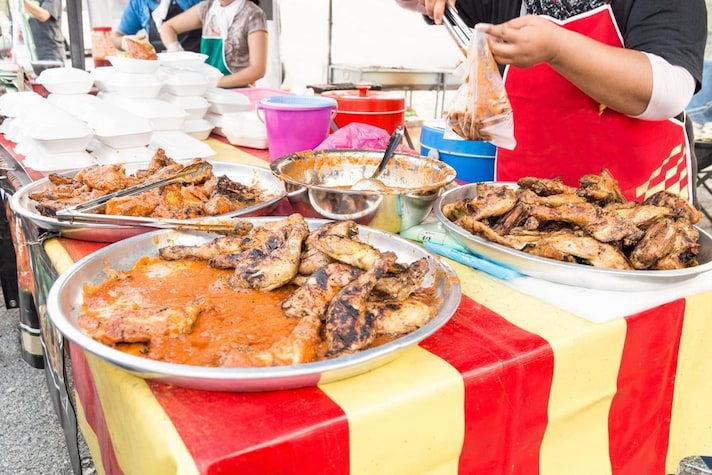
This Malaysian variation is famous for its creamy marinade made with coconut milk, turmeric, ginger, and local spices. While grilling, the chicken is basted several times with the sauce, creating a golden, fragrant glaze. Ayam percik is spicy, aromatic, and slightly sweet, a perfect example of the fusion of flavors typical of Southeast Asia.
Lechon Manok (Philippines)
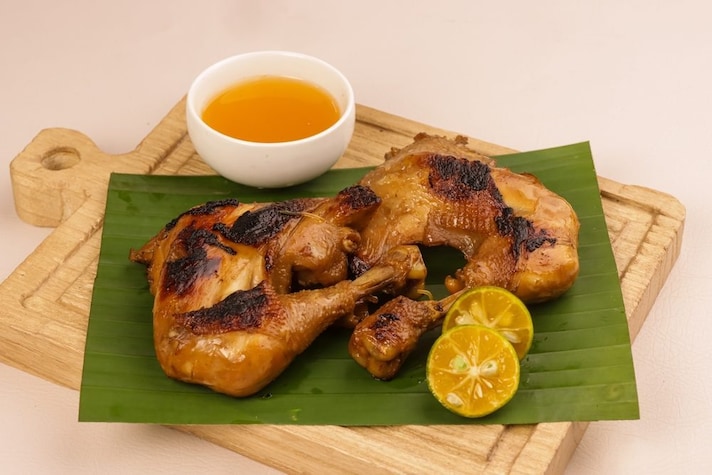
Lechon manok is the Filipino version of rotisserie chicken. The whole chicken is stuffed with lemongrass, garlic, ginger, and spring onions, then slowly cooked over charcoal or embers. The skin becomes crispy and aromatic, while the meat is enriched with the flavors of the ingredients inside. It's usually served with sweet and sour or spicy vinegar-based sauces, and is a popular dish for holidays and special occasions.
Shao Ji (China)
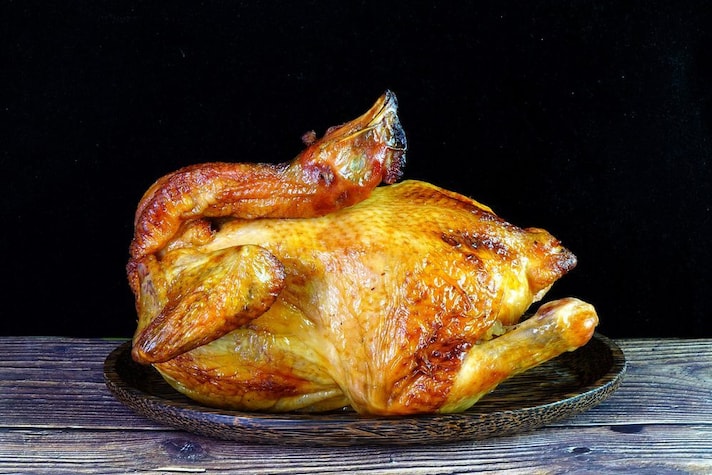
In China, rotisseries offer numerous variations of roast chicken, including Cantonese shao ji. The chicken is brushed with a mixture of soy sauce, honey, and spices, then roasted until its skin is shiny, golden, and crispy. It's a dish that recalls the aesthetics and flavors of Peking duck, with its combination of sweetness, saltiness, and crispiness.
;Resize,width=767;)
