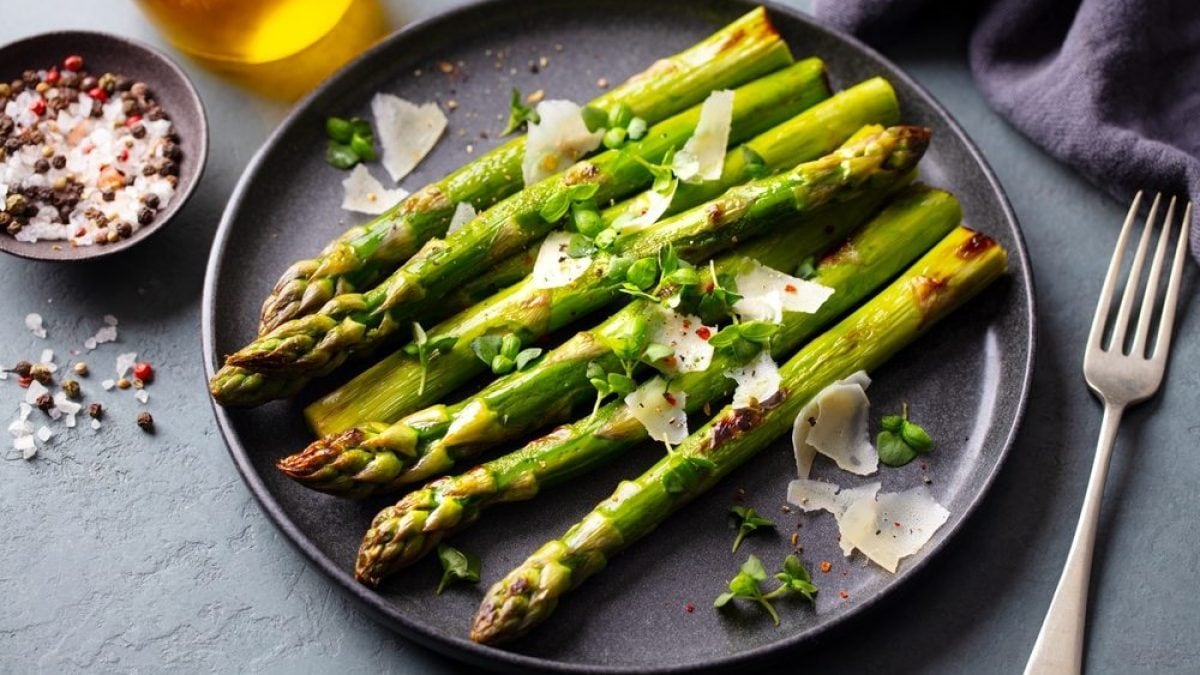
A specialty of the spring garden, asparagus is a particularly beloved vegetable, available only for a very limited period of the year, usually from March to May: it has the advantage of being very versatile, can be used in many different recipes, rich in benefits and easily available. The most common variety of asparagus is the green one, but white asparagus is also available on the market, or purple, among which the rarer violet asparagus of Albenga stand out, without forgetting the wild ones, which grow spontaneously. You can choose to bring them to the table in a pasta dish, in a quiche or as an omelette; they are perfect for a healthy cream soup, or in more delicious versions, baked au gratin or accompanied by creamy sauces. What matters is treating asparagus properly: buy them fresh, with closed tips and firm stems, a bright color, and no spots or dry spots. Once you've secured a quality product, here's how to cook it best, avoiding the following mistakes.
1. Cooking It Wrong

Asparagus is a very delicate food. Cooking can damage it, losing both its consistency and softness, as well as its nutritional value. Avoid overcooking it; steaming is a better option, as it preserves its nutrients and is gentler. The tips of asparagus are naturally tender, while the base is tougher. If you want to boil them, the best method is to use a tall, deep pot, or a special asparagus cooker, which allows you to position the asparagus vertically, leaving the ends exposed, allowing them to cook without falling apart thanks to the steam released. Alternatively, place them horizontally in a traditional pot, lowering the heat and reducing the boil accordingly.
2. Extending the Cooking Time

Closely related to the previous point is a very common mistake: cooking asparagus too long. Depending on the size of the spear, which can be large or small, we are talking about a vegetable that requires no more than 10-15 minutes on the heat: it should soften, remaining pleasantly tough and "crunchy." A short cooking time allows asparagus to be steamed and boiled, but also grilled (placed directly on the grill or griddle). For baked versions, which usually require a few more minutes, opt for a breading (for example, breadcrumbs and Parmesan) or a coating with pancetta or speck, so as to create a protective layer that also becomes very tasty, combining functionality and flavor.
3. Making Too Much Waste

Let's take a step back: before cooking, asparagus needs to be cleaned. When purchased at the supermarket, most of the time the soil residue is minimal, while it is more common in vegetables purchased at markets or directly from the producer: this can be removed by rinsing them thoroughly under running water and drying them equally carefully with a kitchen towel or paper towel. Asparagus usually have a very tough end of the stem, which must be removed by breaking it off with your hands or cutting it with a knife (more convenient when trimming the length). At this point, the woody outer part is often removed with a potato peeler: be careful, because this is a necessary step only for tough, thick asparagus, while thinner ones that already appear tender do not need it.
4. Throwing Away the Scraps

Asparagus is known for being a zero-waste vegetable, because all its parts can be used, even those normally removed, such as the base of the shoot and the fibrous filaments. The scraps, in fact, can be preserved to prepare a vegetable broth for use in risotto, or they can be blended to make creams, soups, and meatballs.
5. Overdoing the Condiments

Asparagus has a distinctive flavor, ranging from the grassy and bitter taste typical of green varieties to the slightly sweeter and milder flavor of white varieties. In both cases, the best idea is to leave the flavor as natural as possible, seasoning without overdoing it with butter, oil, or heavy sauces. When using lemon or vinegar, which are acidic ingredients, add them to emulsions such as citronette or vinaigrette, mayonnaise, or compotes, avoiding direct contact with the vegetable.
;Resize,width=767;)
