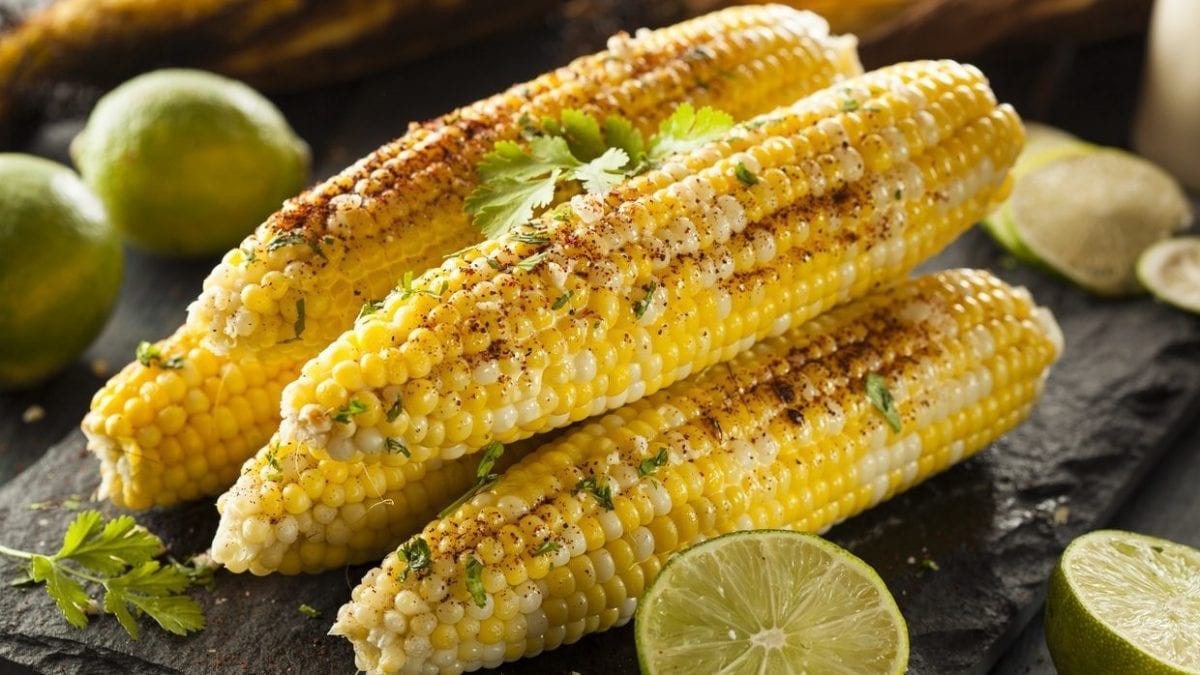
Many people love popcorn or choose canned corn for convenience, but how many know how delicious whole corn on the cob is? In this short guide, we'll show you how to best cook corn on the cob: how to clean it, how to cook it, and how to pair it with other foods.
Accustomed to using husked corn kernels, many people aren't sure how to cook corn on the cob. But besides boiled corn on the cob, there are several recipes worth trying. Seasonings can also vary: although butter is the most common, corn on the cob can be seasoned simply with oil and salt, or served with delicious sauces.
How long does it take to cook? It depends on the type: pre-cooked corn on the cob is also available, requiring only 10 minutes of cooking. However, we recommend using fresh corn to maintain its crunchiness: in this case, it should be cooked for approximately twenty minutes, but it also depends on the method used and the size of the corn.
Here's a guide to learning how to cook corn cobs the best way, with some tips on cleaning and pairings.
How to Clean Corn Cobs
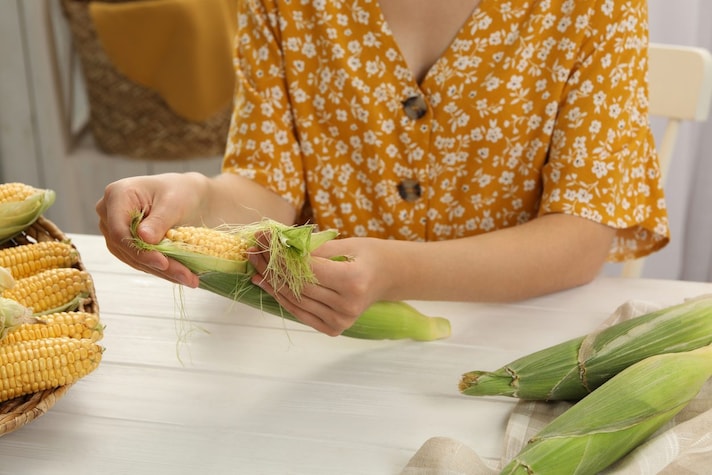
If you buy fresh whole corn cobs, you'll need to clean them first. First, you need to clean each ear of corn, removing the leaves and filaments, also called awns. To clean the cobs, proceed as follows:
- Cut the tip of the cob with a knife, being careful not to break the part of the ear that contains the seeds.
- Remove all the leaves covering the cob.
- After removing the first leaves, some filaments will appear: remove these too.
6 Methods to Cook Corn on The Cob
Corn cobs can be cooked in many different ways, not just boiled: on the griddle, grilled, in the microwave, and even in a pressure cooker. Here are the main methods for cooking corn cobs.
1. Boiled Corn on The Cob
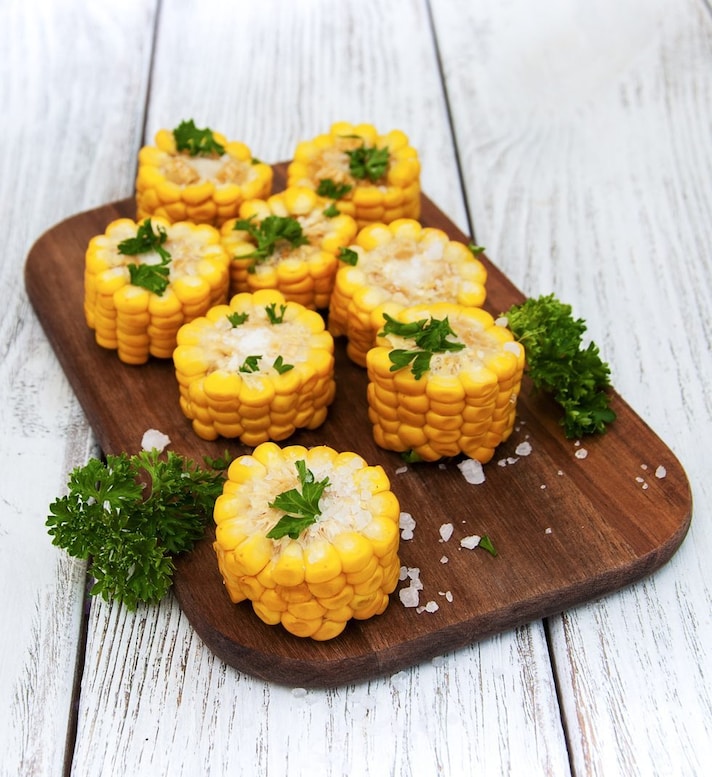
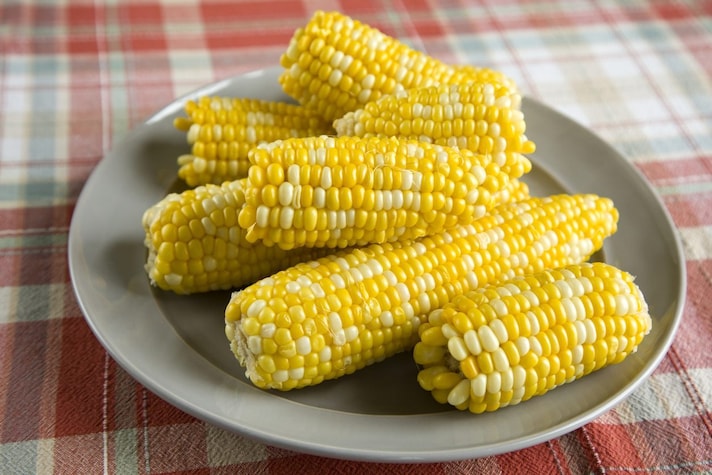
One of the simplest ways to cook corn on the cob is to boil it. Bring a pot of unsalted water to a boil and add the corn: it will take about 30 minutes, depending on the size of the cobs. If you want to speed up the process, you can cut the cob into one or more pieces. To check if the cob is cooked, simply pierce it with a knife: if the corn comes out easily, it's time to drain it and season it with butter, or with extra virgin olive oil and salt.
2. Microwaved Corn on The Cob
If you don't want to boil them, you can cook the corn cobs in the microwave. To do this, simply set the microwave to the combi mode and place the cobs in a bowl or suitable baking dish with 2-3 tablespoons of water. Cover and cook on high power for about 4-5 minutes for a single cob, 7-8 minutes for two cobs. Be sure to let them cool for a few minutes before handling them, or use tongs. Once cooked, season them to taste and serve.
3. Roasted Corn on The Cob
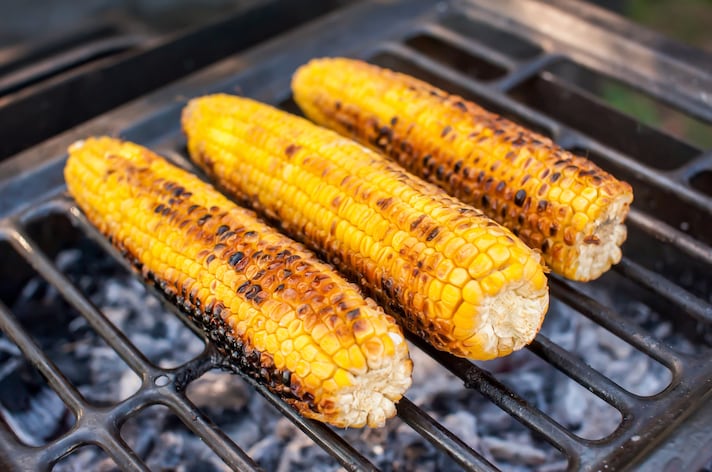
If you're planning a barbecue, grilling corn on the cob is always a tempting idea, ideal even for vegetarians. In this case, however, you don't have to remove the outer husks, but gather them with string: they'll serve as protection when you need to pick them up. Place them on the grill or barbecue and let them roast for about half an hour, turning them on each side. Alternatively, you can pierce them with long wooden skewers and insert one into each cob.
4. Oven-Roasted Corn on The Cob, With or Without Foil
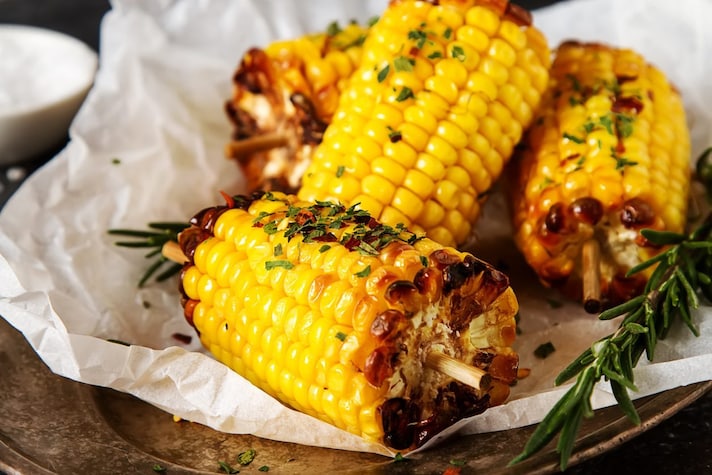
A truly delicious recipe is corn in foil. In this recipe, we'll bake the corn in foil in the oven, lining the foil with parchment paper. First, however, the corn needs to be lightly boiled, unless you're using pre-cooked corn. Bake at 355°F/180°C for about 20 minutes. Alternatively, you can bake them without the foil: boil them for 10 minutes, drain, season with butter, place them on a non-stick baking sheet, and bake for about 30 minutes.
5. Grilled Corn on The Cob
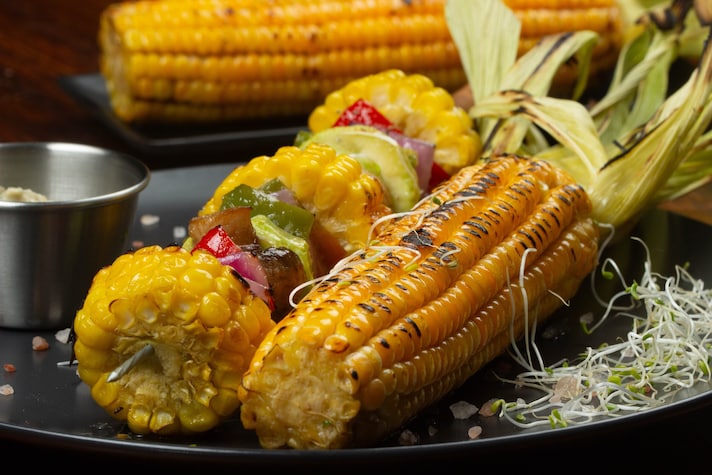
If you don't have access to a charcoal grill but still want to enjoy the smoky flavor of roasting, you can also cook corn cobs on your home griddle. After cleaning the cobs, drizzle a nonstick griddle with oil and heat it. Place the cobs on the griddle and cook for 30-35 minutes, turning them frequently to brown them on all sides. Once cooked, you can serve them whole or in pieces. In either case, season them with salt and butter, or extra virgin olive oil.
6. Corn on The Cob in a Pressure Cooker
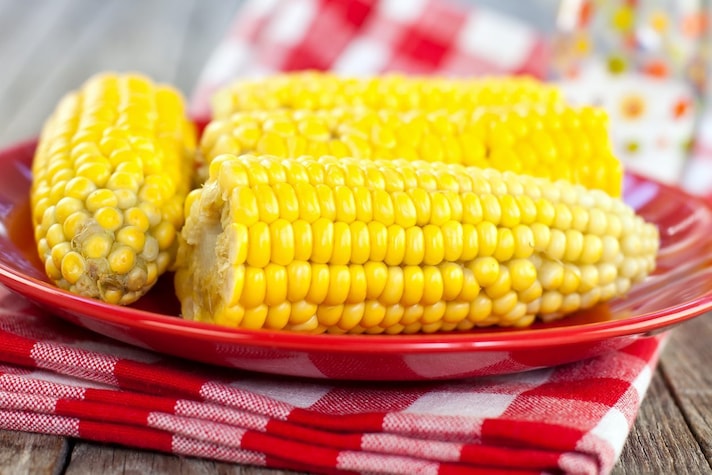
You can also cook corn in a pressure cooker to save time. Take a large pot and add one or two cups of water, add the corn, even in pieces, and cook for 15-20 minutes. If you prefer not to cook them in contact with water, you can use the special basket: however, we still recommend adding two fingers of water to the bottom of the pot to ensure the cooking environment remains moist.
How to Shell Corn Cobs
Once cooked, you can also use boiled corn to create delicious salads or other dishes like cream soups, soups, and various side dishes. First, however, you'll need to shuck the corn: to do this, simply use a sharp knife and slide it vertically along the cob, thus separating all the kernels without breaking them. We recommend doing this in a large bowl to avoid spilling the corn all over the kitchen, and always do so after at least boiling the corn.
Tips and Pairings
If you want to make your corn on the cob irresistible, you can also flavor it with spices like paprika, curry, turmeric, or cumin; alternatively, you can prepare a vinaigrette and use it to dress the corn: the sweet flavor of corn pairs well with acidic ingredients like vinegar or lemon.
How to Use Cooked Corn Cobs in Cooking
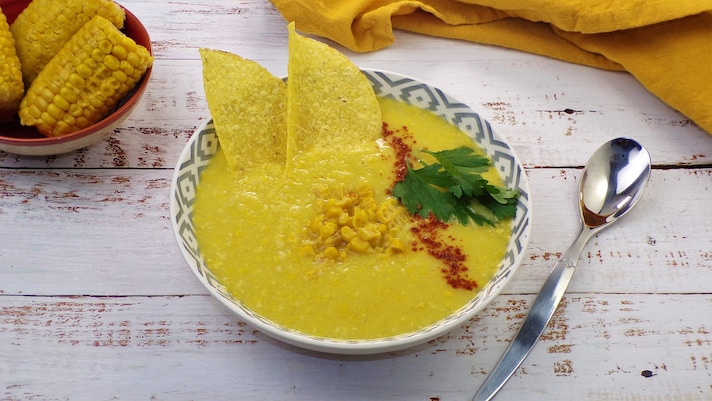
Served whole, corn on the cob can accompany meat dishes like pork chops or beef steaks, but also grilled or baked chicken; they pair well with roasted vegetables or fish. If you want to use the kernels instead —which will be infinitely tastier than canned ones—you can use them in various recipes, simply seasoning them with butter, or adding them to seasonal salads. You can also use the kernels to make a delicious soup, in the classic version or with leeks.
;Resize,width=767;)
