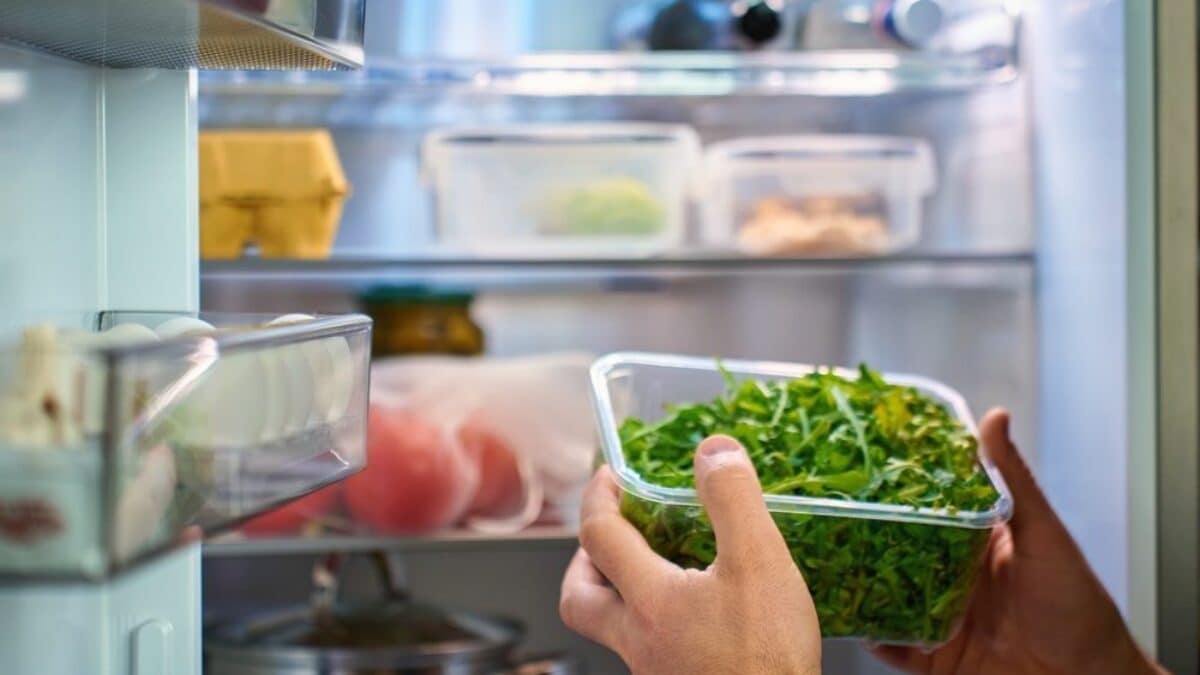
Returning home with your shopping bags: the first thing you do is divide and distribute the products you just bought. When it comes to food, there are usually two destinations: the fridge and the pantry, and when indecisive, the former tends to win over the latter, especially when dealing with vegetables, greens, and greens in general. However, this isn't always the right solution: potatoes, pumpkin, garlic, onion, even the unexpected tomatoes and basil find their ideal habitat when stored at room temperature, as does avocado, a fruit more common in savory recipes than in sweet ones, to add to the list.
Why It's Better To Not Put Them in The Fridge
The low temperatures of the refrigerator—from 35°F/2°C to 46/50°F-8/10°C—generally allow foods to retain their original characteristics for longer and be brought to the table safely, as the cold slows the proliferation of bacteria. In certain cases, however, they can contribute to accelerating the degradation processes, particularly because the refrigerator is a closed and humid environment, conducive to the formation of mold. Onions and garlic soften and tend to mold due to humidity, while tomatoes and cut pumpkins rapidly lose their liquids, consistency, and flavor.
Potatoes undergo a chemical change that alters their texture and flavor and, potentially, even their healthiness, with the cold transforming starches into sugars, resulting in a higher probability of producing acrylamide, a substance harmful to health, during cooking. Furthermore, potatoes, garlic, and onions may sprout. As for avocados, they should only be refrigerated when they are ripe (which is not always easy to verify) or go from unripe to rotten, while basil leaves suffer chilling injury that causes them to blacken and rot quickly, destroying the essential oils that give them their typical aroma.
How to Store Them Correctly
Vegetables that don't adapt well to the humidity and cold of the refrigerator should be stored elsewhere: they are different vegetables, each with its own specific needs. For some, a dark pantry is the ideal place, while others can be stored in a basket or on a plate on the table or kitchen cabinet, all of which are kept at room temperature. Let's look at them in detail.
1. Onions

The first rule of onions is to find a dark place. These vegetables naturally grow underground, and to best preserve them, it's helpful to recreate similar conditions as much as possible. The pantry is the place to go: these bulbs require a dark environment that's also dry and ventilated, ensuring adequate air circulation. You can also opt for a cellar, placing them in perforated cardboard or a wooden or plastic crate if you've stocked up, as long as the space doesn't get too cold and humid.
2. Garlic

The same precautions you took for onions can be used to optimally preserve garlic in the pantry or cellar, preferably hanging it to allow air to circulate and prevent it from molding. Despite the potentially unpleasant odor, avoid placing whole heads in an airtight container or plastic bag.
3. Potatoes

Potatoes are vegetables that can last for months at room temperature, but even when left out of the refrigerator, we often see them wrinkle, turn green, and sprout. The main causes are usually keeping them exposed to light or in a stagnant pantry, which develops humidity, when instead they prefer darkness and airy, dry places, better if stored in a paper bag that protects them from the sun's rays and at the same time allows them to breathe.
4. Tomatoes

Tomatoes are climacteric fruits, and depending on when you buy them, you should encourage their natural ripening. They're best kept on the sideboard, on a plate, or in a basket where they can continue to breathe: avoid direct light and heat, which risk altering their consistency and flavor. If you want them to ripen faster while unripe, store them in a paper bag with ripe bananas, which also produce the hormone ethylene after harvest. The only exception for which the refrigerator is appropriate? If the kitchen is excessively hot, such as in the summer or with the radiators turned up to full blast in the winter.
5. Pumpkin

The size of pumpkins makes the fridge the first choice for practical reasons: it would take up too much space. Fortunately, they are a hardy vegetable that lasts for many months if stored in a cool, dry, well-ventilated place, away from heat sources and direct light. Usually, the cellar or closet is the perfect choice. Make sure there isn't too much humidity, as this could lead to rotting, and check that the peel is intact and undamaged, otherwise the shelf life will be drastically shortened.
6. Avocado

Storing avocados depends primarily on their ripeness. If they're not yet ready to eat, room temperature is the perfect ally: they ripen slowly when placed on a plate or basket like tomatoes, while they ripen faster in a paper bag in contact with bananas or apples, thanks to the action of ethylene. The fridge comes in handy when the avocado is ready to eat, but you can't do it right away and want to extend its availability for 2-3 days at most.
7. Basil

We conclude with the bunch of basil: to maintain the bright green and enveloping scent of this aromatic herb, the best way is to treat it like a bouquet of flowers, using a vase or glass of water and immersing the end of the stem of the plant. Change the water daily and keep away from direct light and heat sources.
When You Should Store Them in The Fridge
The best practices just described apply to whole, intact vegetables, with the peel or surface layers acting as a barrier to external agents, protecting the most delicate part, the pulp. For this very reason, once cut, most vegetables must be transferred to the refrigerator, otherwise they are subject to oxidation and rapid deterioration. If airtight containers were once one of the main enemies, they are now one of the best supports, for example for tomatoes, squash, and avocados: the latter blackens quickly and it is recommended to sprinkle it with a few drops of lemon to slow the discoloration. Sliced or diced potatoes can be stored in the refrigerator immersed in a bowl of cold water acidulated with a little vinegar or lemon juice (avoiding salt, which would extract the liquids through osmosis).
Peeled garlic and onion must be well-sealed or they will release their characteristic pungent aromas: for the former, opt for glass containers (plastic ones could absorb odors ), while the latter can be wrapped in plastic wrap. The basil leaves are washed and dried thoroughly and placed in a container covered with slightly damp paper towels to prevent them from drying out. A final tip: don't leave chopped or chopped vegetables in the refrigerator for more than 48 hours or you risk wasting them, while a whole peeled garlic clove can last up to a week.
;Resize,width=767;)
