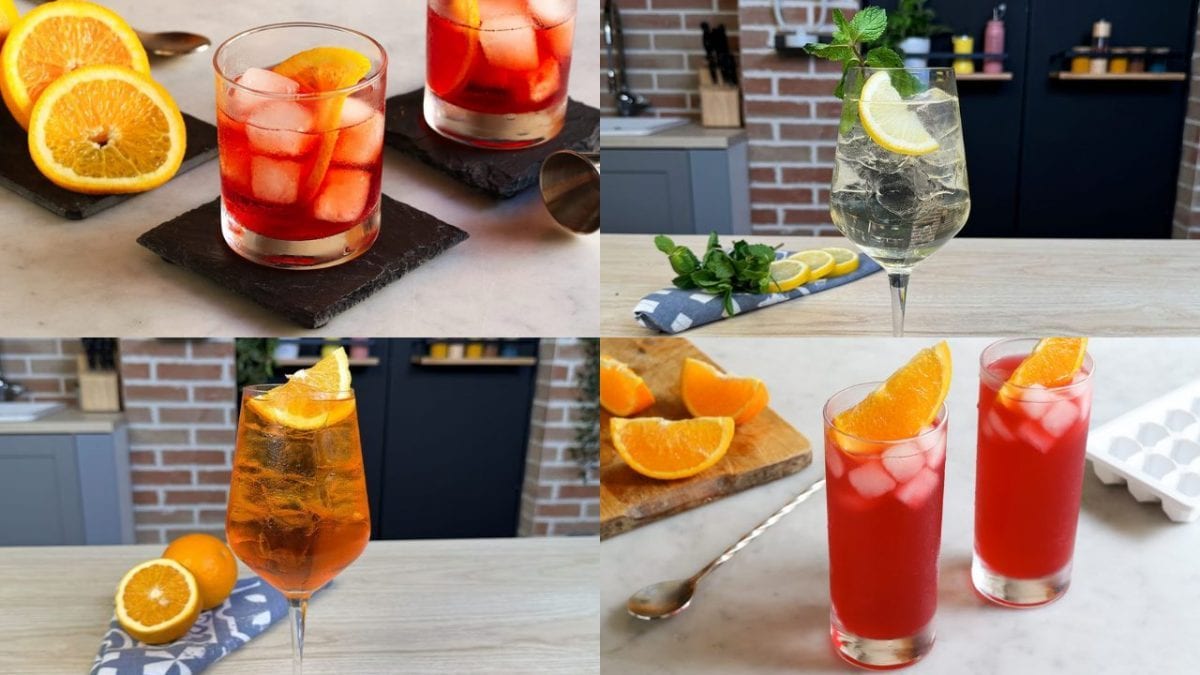
Cocktails have a long history in Italy, especially when it comes to aperitifs. Some of the most iconic bitters were invented here, such as Campari in Lombardy and Aperol in Veneto, giving rise to timeless drinks, from the Americano to the Negroni, including the Spritz, famous well beyond national borders. Below, we've selected eight worth knowing (and trying over a few appetizers), also telling a little about their origins, including mistakes that have become legendary in mixology and dedications to illustrious figures, including boxers, artists, and patriots.
1. Mi-To (Milan-Turin)
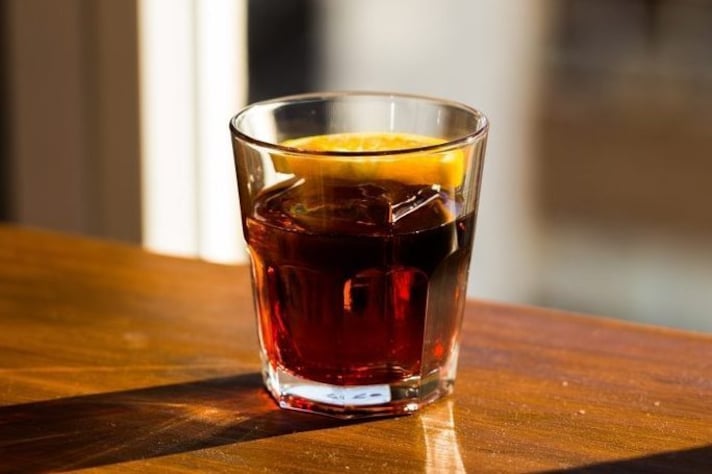
Let's start with the progenitor of the great Italian classics, less well-known today than others. It probably originated in the 19th century by combining two of Italy's finest mixologists: Campari, a Lombard bitter developed in 1860 by Gaspare Campari, and red vermouth, typical of Piedmont and, in particular, Turin, invented in the late 18th century by Antonio Benedetto Carpano. It is served over ice in a low glass, like an Old Fashioned, and garnished with a slice of orange. The taste is pleasantly bitter and aromatic, and the alcohol content is around 20%: an old-school drink, perfect for aperitif purists.
2. Americano
Despite its name, the Americano is very Italian and was born in the early 1900s as an evolution of the Mi-To: soda water (or seltzer) was added, making it lighter. So, to recap: bitters, red vermouth, and a splash of very fizzy sparkling water make for a pre-dinner cocktail that has become an evergreen. Why is it called that? In honor of the famous boxer Primo Carnera, who won the heavyweight title in the United States in 1933 at Madison Square Garden in New York, a match that went down in sporting history.
3. Negroni
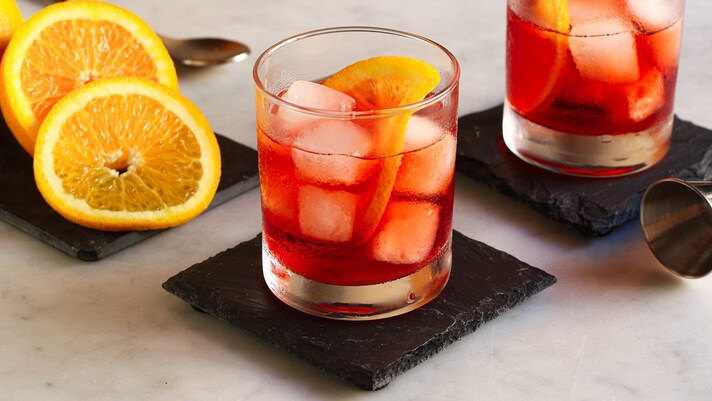
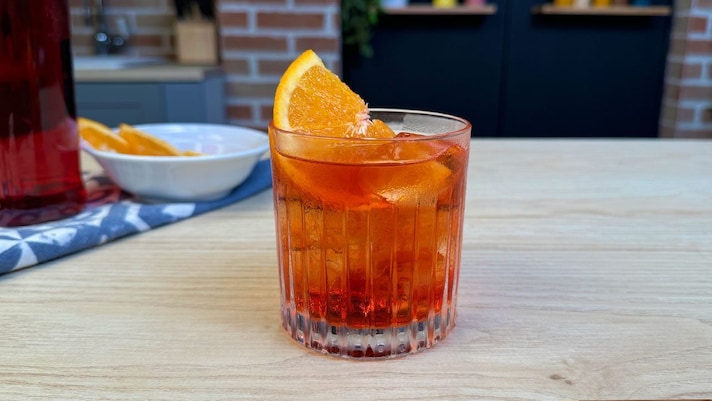
Third in order of appearance is the Negroni, which can be considered the "son" of the Americano. In this case, in addition to red vermouth and bitters, gin is added in equal parts, creating a cocktail with a stronger character than the previous ones: the alcohol content of 28% vol also makes it strong. Its history is tied to the city of Florence and Count Camillo Negroni, who wanted a more intense and robust version of the Americano: we are in 1919 at the aristocratic Caffè Casoni, who launched one of the most elegant and famous Italian drinks in the world.
4. Negroni Sbagliato
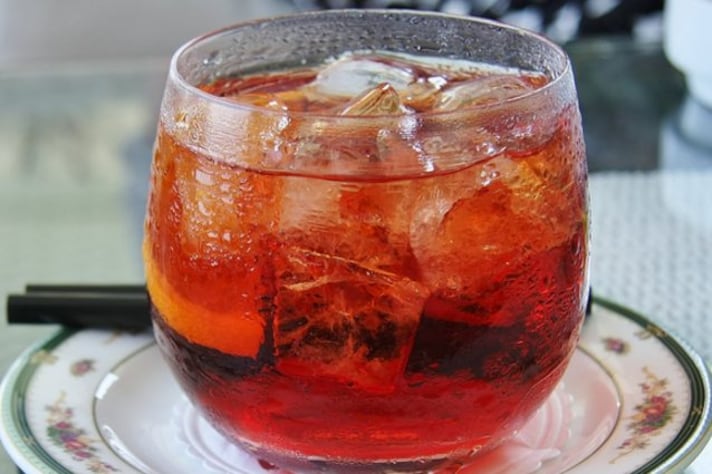
The most successful mistake in Italian mixology? Obviously the Negroni Sbagliato, the result of an oversight by Bar Basso owner and bartender Mirko Stocchetto (born in Venice in 1931), considered the father of the Milanese aperitif: in 1972, while he was preparing a Negroni, he unknowingly grabbed Ferrari sparkling wine instead of gin, mixing it with Campari, red vermouth, an ice cube, and a slice of orange. The result is a less alcoholic, more drinkable cocktail, balancing sweetness and bitter notes: a true icon.
5. Bellini
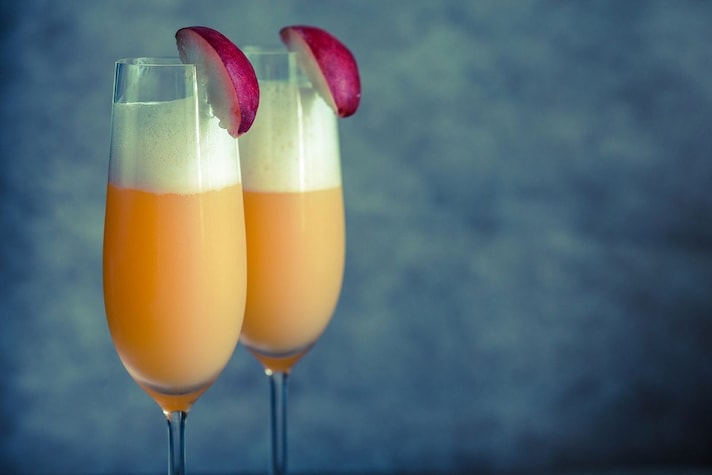
The origins of the Bellini predate those of the Negroni Sbagliato, but they are somehow linked: before moving to Milan, Mirko Stocchetto had worked at the prestigious Harry's Bar in Venice alongside Arrigo Cipriani, son of the owner Giuseppe. It was the latter, in 1948, who mixed Valdobbiadene prosecco with white peach puree, creating a light and lively drink (around 7-8 degrees) in homage to the Venetian painter Giovanni Bellini. It is served in a flute, the famous glass with a thin stem: perfect for an evening aperitif, but also for brunch or a refreshing pre-lunch drink. Variations of this sparkling cocktail, also by Cipriani, are: the Rossini (like the composer), with strawberry pulp instead of peaches, and the Tintoretto (like the painter, with pomegranate juice). Let's not forget that Giuseppe Cipriani is also the creator of carpaccio, a refined raw meat dish inspired by the Venetian painter of the same name.
6. Spritz
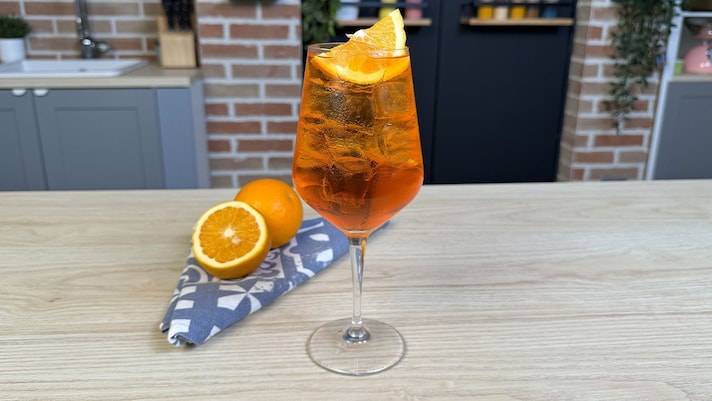
Even now in North East, its homeland, it is difficult to call it a “cocktail”, a rather trendy term for those who experience a glass of spritz as a place of the soul. But that's how it is, given that the mix of prosecco, seltzer and Aperol officially entered the IBA list in 2011, within the “New Era” category. The Aperol Spritz owes its great success (nationally and internationally) to the marketing campaigns of the bitter created in Padua in 1919 and then passed to the Campari group in 2003, but this drink has its roots in the 19th century when, in occupied Veneto, Austro-Hungarian soldiers sprinkled water (spritzen) into white wine to dilute it: then in the early 20th century it began to be stained with Aperol (in Padua) and Select (in Venice), becoming the king of the aperitif, with its unmistakable red-orange color.
7. Hugo
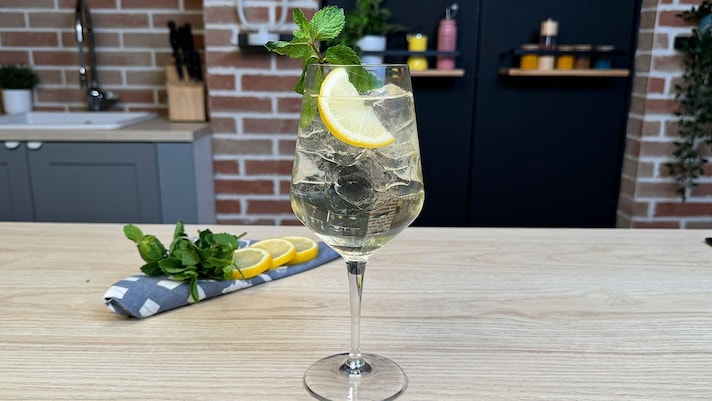
Over time, the Spritz has been revisited many times (a bit like tiramisu): Campari, Cynar, and China Martini are used, always providing a more or less bitter taste. A new version that focuses entirely on sweetness arrived in the early 2000s from Alto Adige, where elderflower or lemon balm syrup, typical plants of the area, replaced the bitters, giving the prosecco-based drink a light, transparent color and new sugary and floral notes that are immediately appreciated. The Hugo Spritz (or more simply Hugo) is now considered a great classic, slightly alcoholic and very aromatic, to be completed with mint leaves.
8. Garibaldi
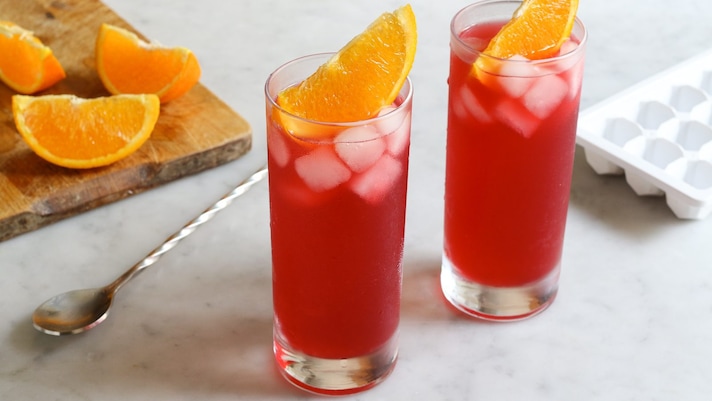
We conclude with a cocktail that symbolically unites North and South with its only two ingredients: Lombard Campari and Sicilian orange juice. Legend has it that it was developed on Garibaldi's ships by mixing the citrus fruit with Marsala, although its adventure probably began in the early 1900s, as with other drinks featuring Campari: it is prepared by combining ice cubes, bitters, and freshly squeezed orange juice, resulting in a thirst-quenching aperitif, balanced between bitter and sweet, served in a tall tumbler, whose bright color recalls the jackets worn by Garibaldi and the 1,000 men who participated in the feat.
;Resize,width=767;)
