
The mere name of this dish is enough to make vegetable lovers' mouths water. We're talking about cream soup, one of the most comforting dishes par excellence, and when made expertly it becomes particularly delicious: thanks to its smooth, silky, voluptuous consistency. It's a dish that lends itself to everyday meals, but it's also worth considering for a dinner with friends or guests, as it has a very elegant and refined side. Let's look at the most common mistakes that cause cream soup to be too thin, flavorless, and stringy —all adjectives that don't suit it.
1. Not Knowing What a Cream Soup Is
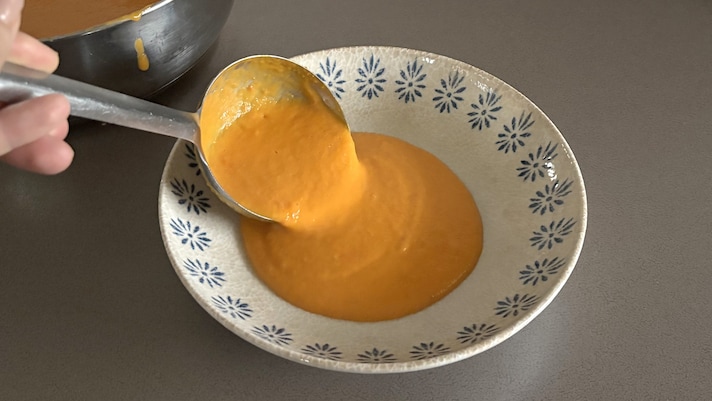
Even though it's at the top of the list, it's actually a venial sin: in recipe presentations, creamy vegetables are often described as pureed, creamed, or puréed, as if they were synonymous, even though they're technically different preparations. By definition, pureed soups should be made with a roux at the base (a mixture of butter and flour combined with a liquid, like béchamel), contain one or two vegetables at most—but they can also be chicken —and have another fat added at the end (like cream), as their characteristic is to be thick and silky. What we want to suggest here, however, is how to conveniently bring to the table a dish with a smooth texture, simple and tasty like any self-respecting comfort food.
2. Not Choosing Seasonal Vegetables
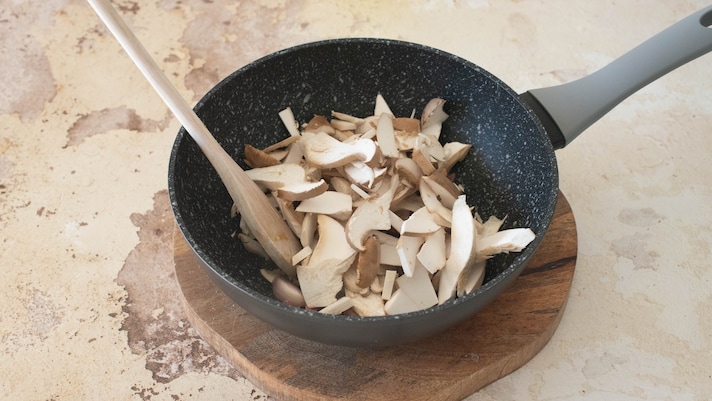
Cream soups are perfect for showcasing all the virtues of seasonal vegetables, so depending on the season, choose what's available from the garden (or even the woods, see mushrooms) to make the most of both their nutritional properties and their naturally vibrant color, as the eye also wants its share. Autumn and winter are the periods in which these dishes are brought to the table most frequently because they are warm and enveloping: you can opt for pumpkin (alone or with carrots), broccoli, cauliflower, Jerusalem artichokes, red cabbage, and leeks. In spring, cream soups made with broad beans and asparagus are excellent, while in summer, focus on zucchini, peppers, and eggplants, to name just a few of the most popular options. An alternative is to start with frozen vegetables and legumes, such as peas and spinach, which are available 12 months a year.
3. Not Using a Thickening Agent When Needed
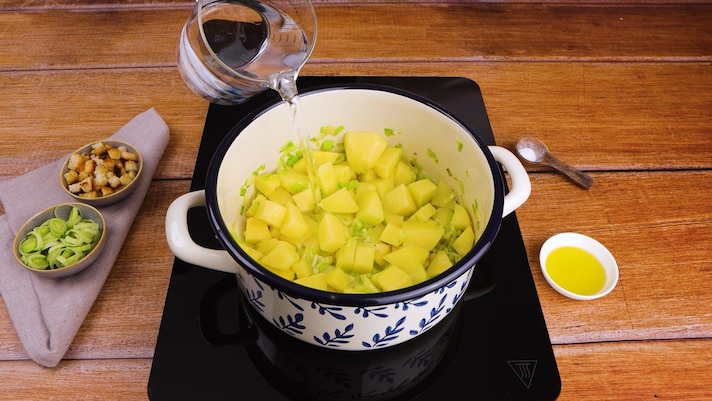
When making a homemade cream soup with vegetables, a thickening agent can be useful for achieving a fuller consistency, especially when the vegetables used are particularly watery. In the classic version, a roux performs this function, mixing flour and melted butter, then adding vegetable broth. In more common recipes, which are more like cream soups, a sautéed onion or shallot (in oil or butter) is often used, along with the main vegetable, along with a potato. What is its purpose? The starch contained in potatoes helps increase the density of the mixture, making it creamier. However, it is not an essential ingredient: the choice of vegetables and the amount of liquid used also make a difference.
4. Cutting Vegetables Irregularly
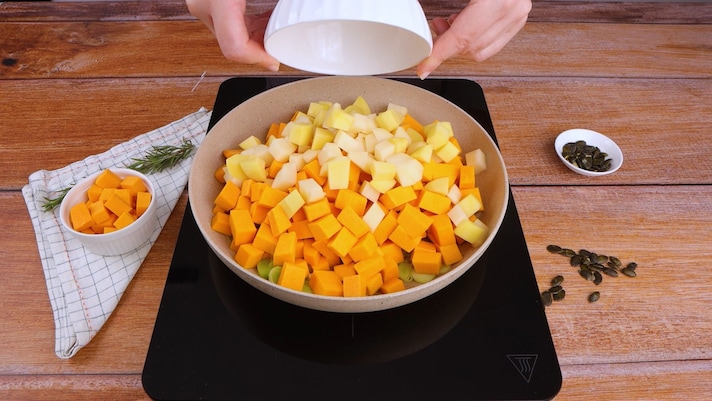
The smooth consistency typical of this dish is also achieved by an underrated detail: the cutting of the vegetables. It's not a question of size: you can cut them into small or larger pieces, what matters is that they are evenly spaced, not some small and some large, otherwise they will cook at different times, risking having raw or overcooked ingredients.
5. Putting Water Instead of Broth
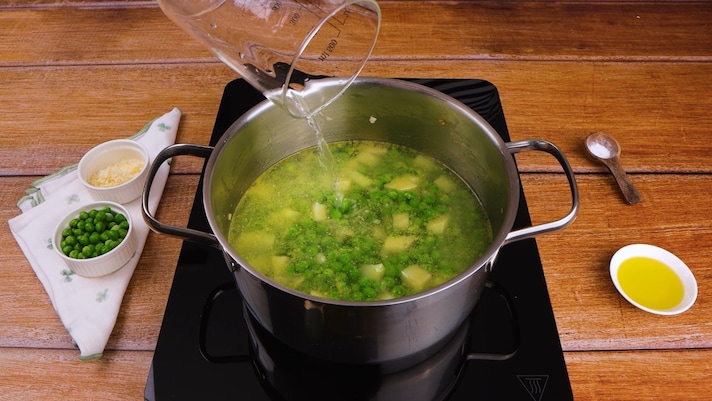
The freshest, seasonal vegetables, perfectly ripe, should have a flavor and aroma intense enough to leave their mark on the soup, using hot water as the liquid. If you don't have access to top-quality ingredients—especially if purchased in large supermarkets—then the advice is to rely on a good vegetable broth, which concentrates the flavors and avoids the risk of a bland, anonymous, and unsatisfying dish.
6. Overcooking
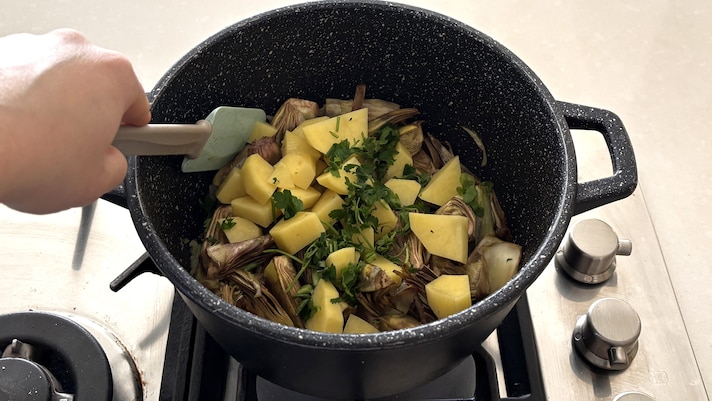
When vegetables cook for a long time, they degrade in both color and nutrients, becoming duller and losing a large portion of vitamins and antioxidants, which are water-soluble and heat-sensitive. Allow 15-20 minutes after boiling, turning off the heat once the vegetables have softened (the presence of potatoes, which are firmer, usually requires longer cooking times). Pay attention to the lid: vegetables are foods that naturally release a lot of water, and, furthermore, they are cooked in broth. Sealing prevents excess liquid from evaporating, and the consistency may be too thin. To avoid this, try leaving the lid on, and when pouring the broth, make sure it reaches the level needed to cover the vegetables, without going over. Adjust the thickness by leaving a little broth aside so you can add more if the soup thickens too much while cooking.
7. Not Removing Fibrous Residues
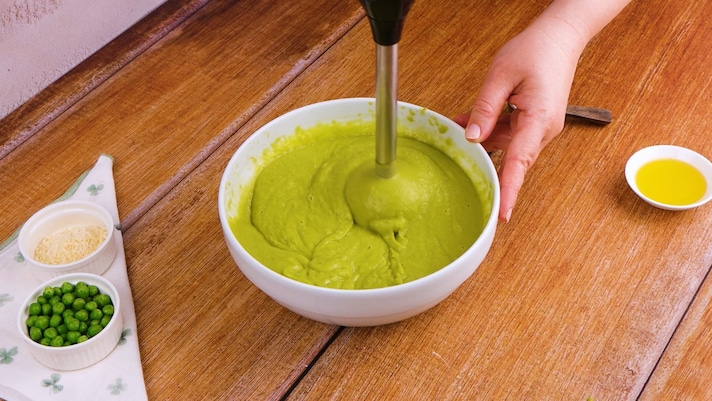
Once the vegetables are ready, tender and bright in color, they need to be blended. To avoid ruining the pot, you can transfer everything to a bowl and then use an immersion blender. If you notice that there is excess broth left, before blending, remove a little with a ladle and reserve it: you can adjust the consistency later if necessary. The soup should be pleasantly silky: for this reason, it is important to blend the ingredients well and, if there are particularly fibrous residues, filter it through a sieve for an even smoother result. At this point, season with salt and, if you like, add pepper or spices. Don't rush to serve it; let it cool slightly.
8. Forgetting the Creaminess
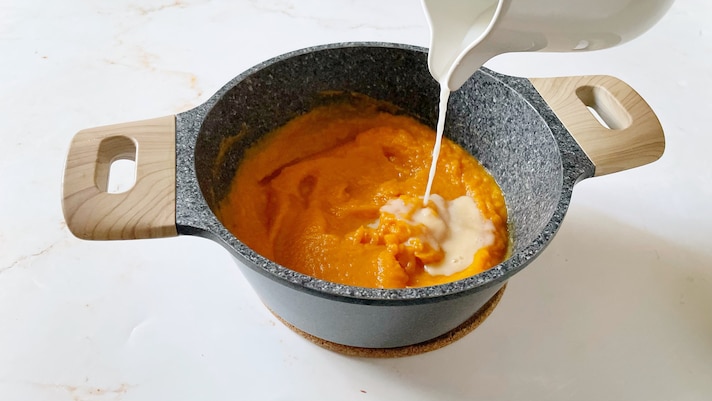
And here we come to the finishing touch, the optional addition of that fat that can make this dish even more voluptuous: depending on your taste, you can choose cream, which adds body and structure, or crème fraîche or sour cream, with their characteristic tangy note, or even plain yogurt, Greek yogurt, or coconut milk, playing with lightness and aroma. This isn't a mandatory step, especially if the soup has already reached the desired consistency, but it can be a useful addition to make it even richer and more enveloping. The croutons, which add crunch, are entirely optional.

