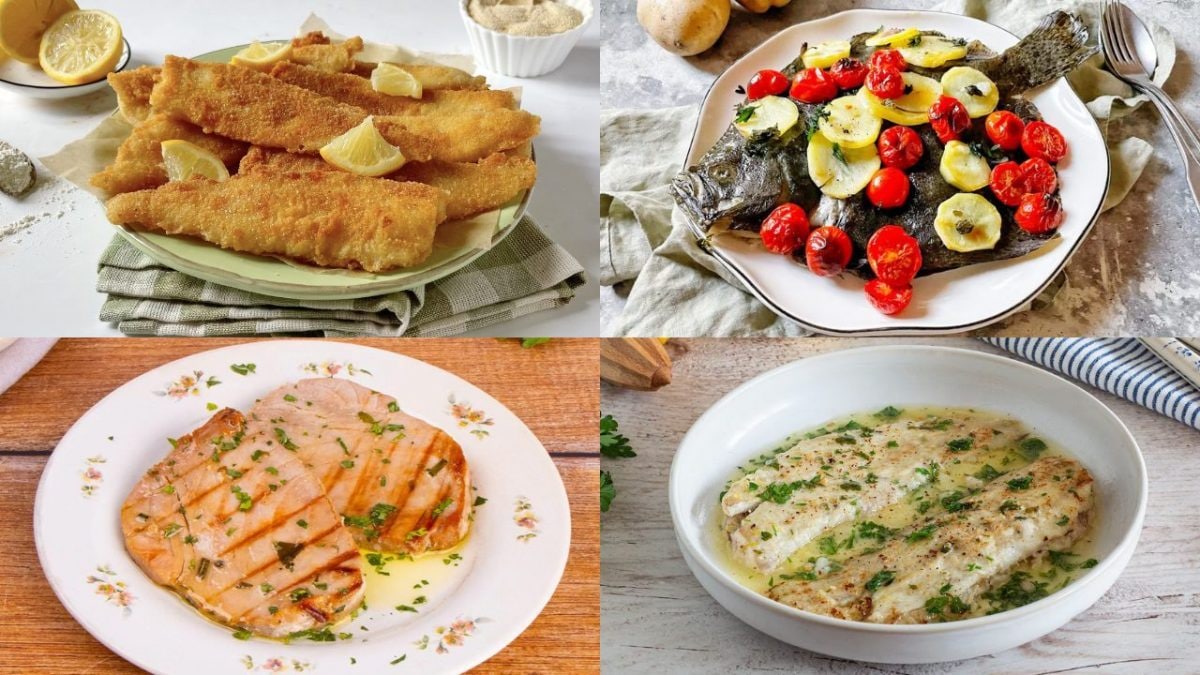
Cooking fish is often a long and painstaking undertaking, involving several technical steps, especially when cleaning and filleting are involved. The situation is further complicated if you've chosen a product with many bones, which must be removed one by one to avoid unpleasant surprises upon consumption. Fortunately, there is a solution: opt for fish species that are boneless (or almost boneless), which are easier to handle and suitable for children.
What Are Boneless Fish and Why They're More Practical
When we talk about boneless fish, we generally refer to fish species with a simple, manageable bone and cartilage structure. What we commonly call bones, in fact, form the animal's skeleton and are mainly divided into the central bone, which runs along the body from head to tail and corresponds to the spine, and the fine bones, the smaller and more numerous ones that most often represent the real problem when eating, because they are difficult to find and remove. The main characteristic of boneless fish is that they have very few secondary bones, thanks to a structure that allows for quick and precise cleaning even for those less familiar with fish. For children, it is a safer type: a bone stuck in the throat, in addition to being annoying, risks becoming dangerous, and younger children may have difficulty explaining this.
There are several fish that fall into this category and we can divide them into three groups: flatfish, such as plaice, turbot, and sole, easily recognizable by their flat lateral shape, which allows them to swim horizontally; white fish such as cod, hake, monkfish, and John Dory, which have very few bones; and finally tuna and swordfish, which have a large central bone and are rarely found whole due to their size, but are sold pre-cut. Let's look at them in detail.
1. Flatfish
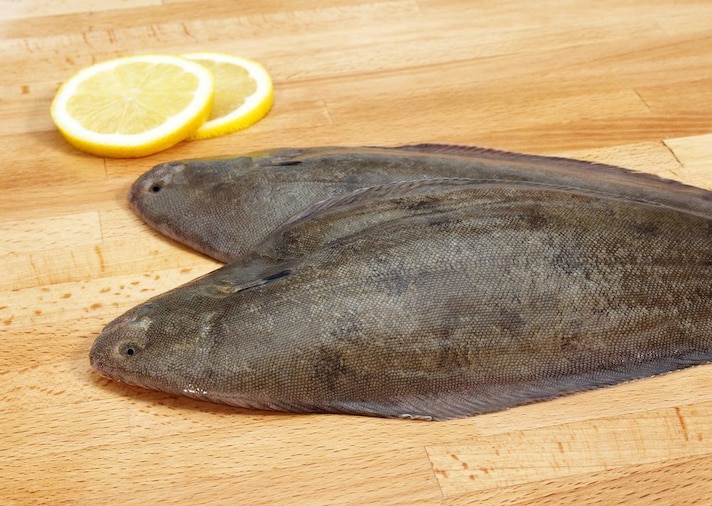
This term actually refers to several flat, ellipsoidal species that live on sandy bottoms. Flatfish is one of the most prized fish in the kitchen for its fine, lean, and highly digestible flesh: it is low in calories and a good source of minerals and omega-3s. The central bone is clearly visible and is a useful reference point when filleting: four fillets are obtained from the sole, two on each side.
2. Plaice
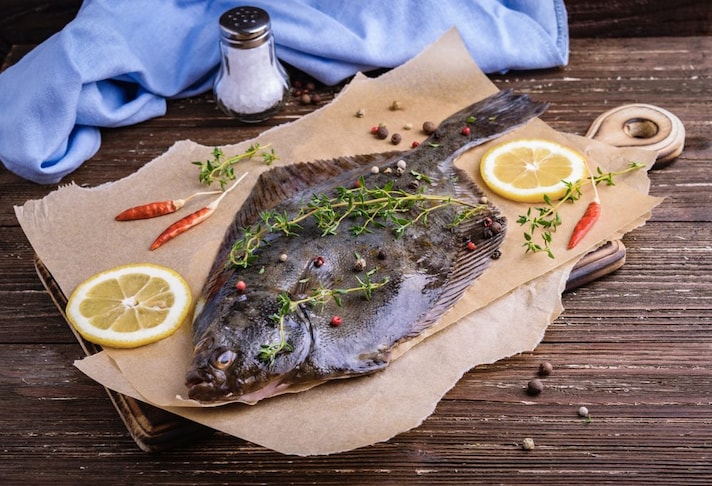
Mainly found frozen in fillets or pre-cleaned slices at the supermarket, plaice is an inexpensive fish: like the previous one, it is known for having delicate white meat, with a slightly sweetish taste and easy to digest, so much so that it frequently appears in the diet of little ones, also thanks to its high biological value proteins and for being a source of micronutrients such as B vitamins and mineral salts, such as phosphorus and potassium.
3. Righteye Flounder
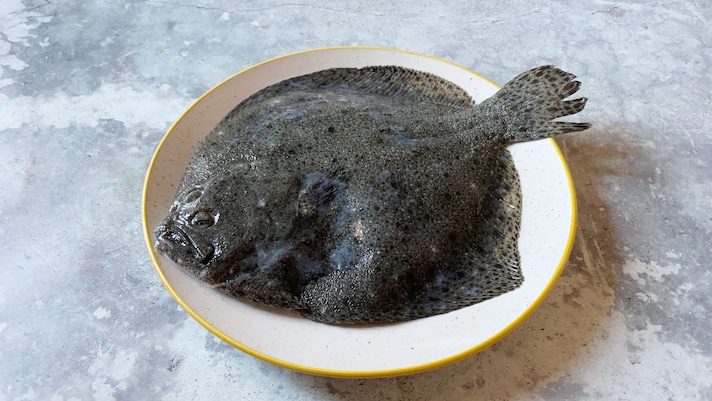
Righteye flounder is a prized fish, recognizable by its rhomboid shape: it has a darker dorsal side (where the eyes are) and a lighter ventral side. It also lives on sandy bottoms and its flesh is white, firm, with a delicate yet intense flavor. When bought whole, filleting it is similar to filleting flatfish: you will always get four fillets, separated by the central bone.
4. John Dory
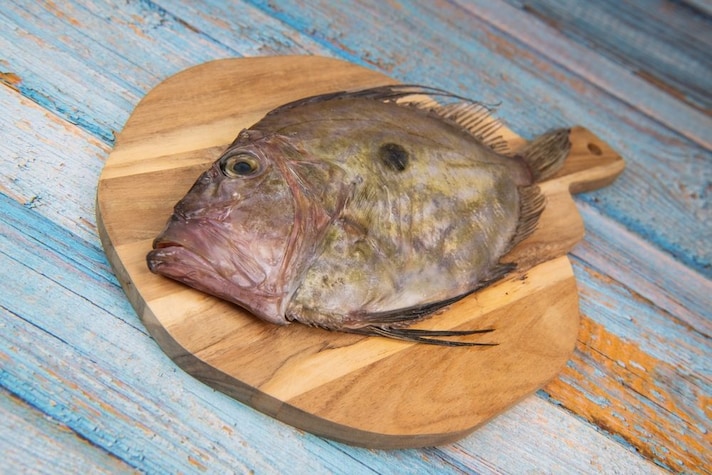
John Dory is a sought-after marine species. It has a flat, almost round body, and its distinctive feature is a dark spot on its sides. Anatomically, it has a well-defined central bone and clearly visible bones that are easy to remove. Its flesh is white, firm, and delicate, with a slightly sweet flavor that is highly prized in cooking.
5. Cod
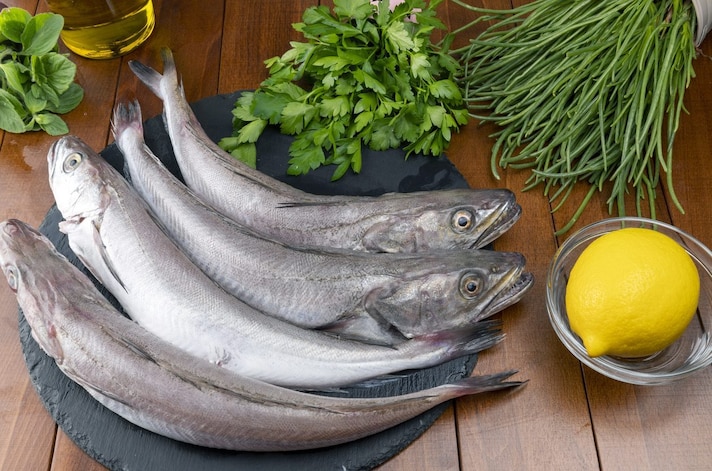
Let's move on to fish, where you need to watch out for possible secondary bones, but the quantity is truly minimal, so much so that even these types are included in children's diets. Cod is one of the most well-known and consumed white fish in the world. Its flesh is firm and pleasantly flavorful, and the name encompasses several species of bony fish that live in saltwater. This usually refers to Gadus morhua and Gadus macrocephalus, i.e., the common cod and the Pacific cod.
6. Hake
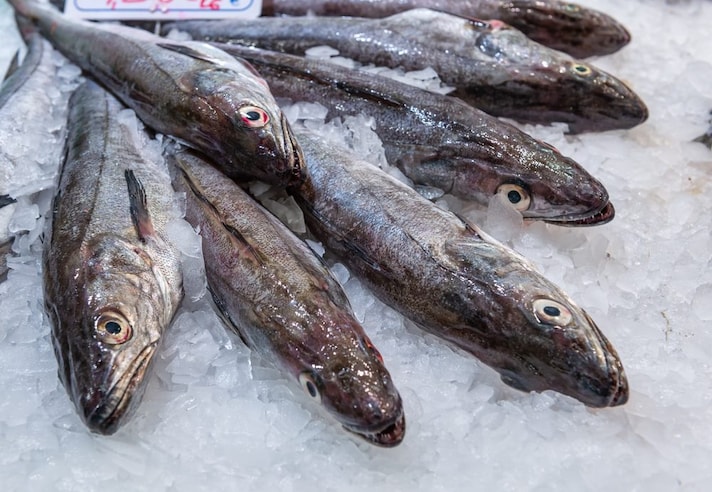
Hake (Merluccius merluccius) is a close relative of cod, but has a more slender body and more tender, mild-flavored flesh than the stockier cod. Both fish are light, low in fat, and rich in protein and omega-3 fatty acids, and are easily found in frozen slices and fillets.
7. Monkfish
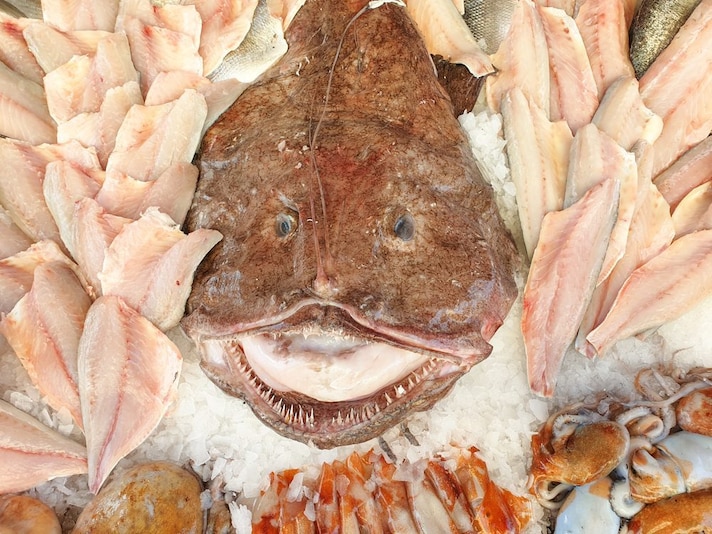
Also known as monkfish, it's a fish with an unappealing appearance, with a huge head and an equally large mouth with sharp teeth. Its flesh is prized for its firmness, delicate yet distinctive flavor, and excellent nutritional profile.
8. Swordfish
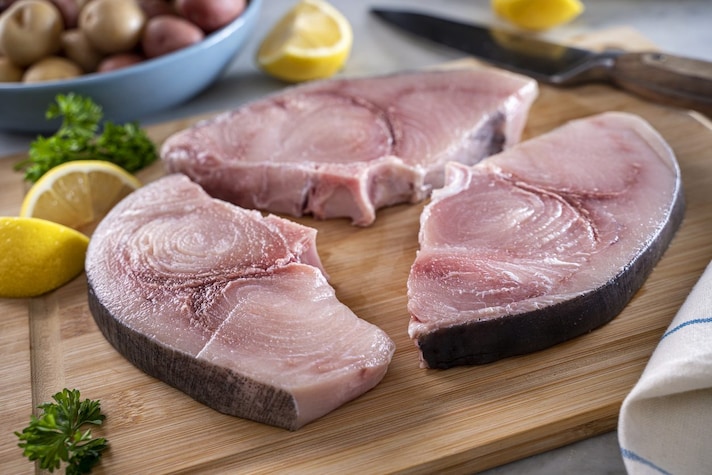
Due to its considerable size, it is usually available pre-portioned, but swordfish is a large pelagic fish with a massive, elongated body: it is so named because of its distinctive rostrum, which resembles a sword blade. Its flesh is firm, pinkish, tasty, and has many health benefits. Beware of fraud, as the portions may resemble those of other fish— including some sharks —that are less valuable and economical.
9. Tuna
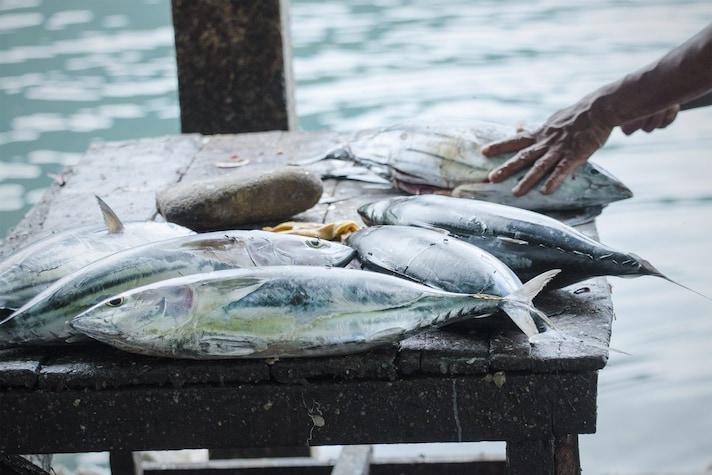
Tuna arrives in the kitchen already packaged in the famous cans, or fresh in slices or fillets. It comes in different varieties, such as the most renowned bluefin tuna (at risk of extinction) or the popular yellowfin, with firm, tasty flesh, rich in essential nutrients. Along with swordfish, compared to the other fish listed, it falls within the semi-fatty category and can be classified as blue if we take into account the good quantity of omega-3 fatty acids.
How to Cook Boneless Fish
The fish species we've just listed not only have the advantage of being easy to clean and safe to eat, but they're also highly versatile in the kitchen. The difference lies in the texture of their flesh, with lean, delicate types preferring cooking methods that retain moisture, while firmer, relatively fatty ones hold up well to the grill and griddle. Here's a brief overview.
1. Steamed
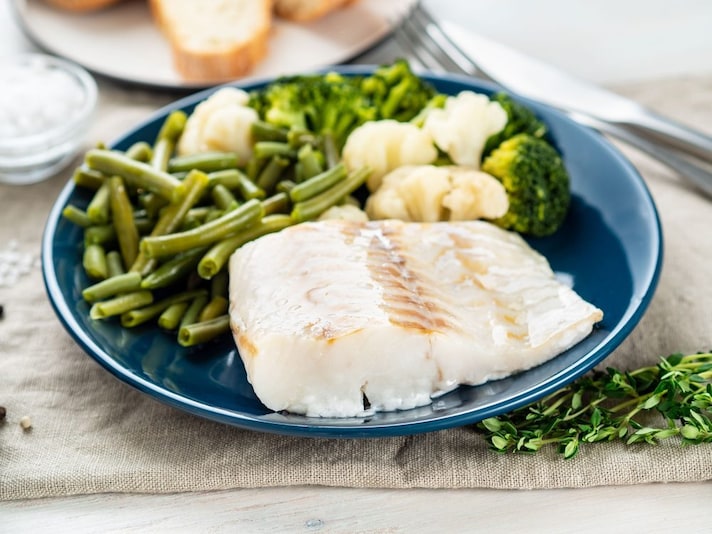
Steaming is ideal for fish like sole, plaice, and hake. This method keeps the meat fibers intact and preserves the juices, preventing the fish from falling apart. It's perfect when you want to enhance the natural flavor, perhaps seasoning it with just extra virgin olive oil, salt, and lemon.
2. Baked
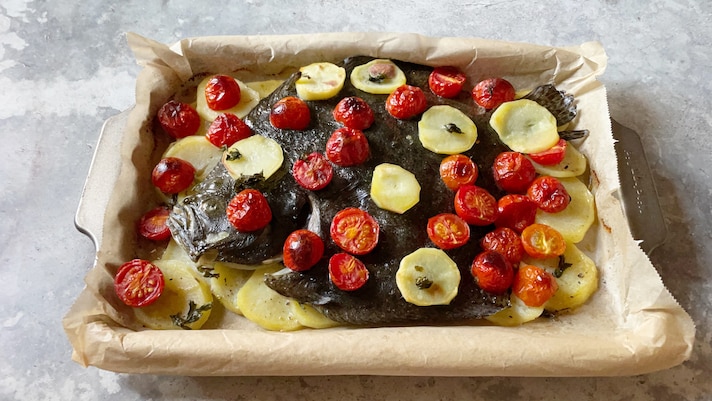
The oven is a versatile technique; we recommend it for enhancing righteye flounder and cod (whole or filleted), which have firm flesh. The meat cooks evenly, and other ingredients, such as mixed vegetables or potatoes, can be added to the fish for a complete main course with a side dish. You can also use foil, so you use less fat for a flavorful yet light result. Cod, hake, plaice, and sole are also excellent breaded, with coatings of breadcrumbs, herbs, and even a touch of grated cheese: useful for flavoring and also for protecting the inside from the heat.
3. Pan-Frying
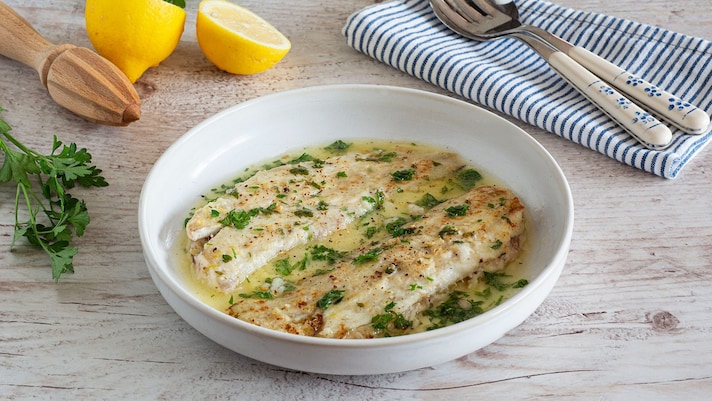
Pan-frying brings out the best in steaks and fillets. Care must be taken not to let the meat dry out. Adding a liquid or ingredients that ensure (limited) water release is always a good idea, for example tomato puree or fresh tomatoes, or white wine to deglaze, or even lemon juice, or even, for once, a generous amount of butter. Some practical examples? Flatfish meunière, cod stew, and monkfish stew.
4. Grill or Griddle
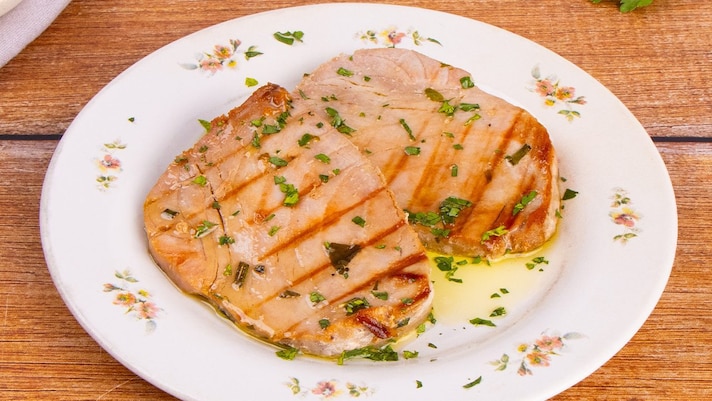
Meaty fish like tuna and swordfish are perfect for grilling directly on the grill or griddle: the high temperature and short cooking times create a crispy crust on the outside that perfectly contrasts with the tenderness on the inside. Marinades and emulsions are recommended to flavor and moisten the steaks, as is done, for example, in the classic Sicilian swordfish with salmoriglio or grilled tuna. It's important not to overcook, otherwise the meat risks drying out.
5. Soups
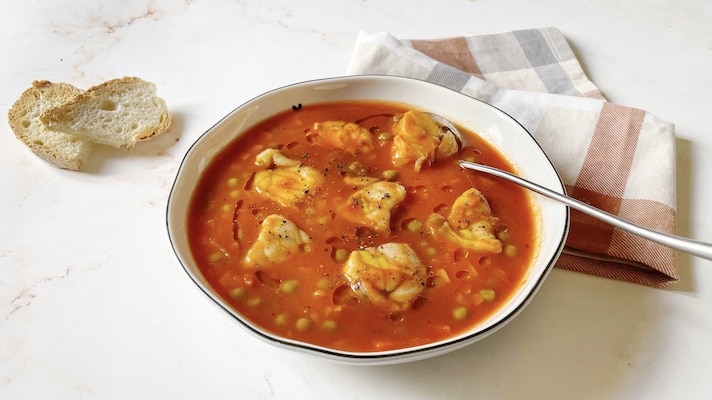
They work well with cod and monkfish, which retain their firmness even after cooking in flavored broths: try monkfish soup, or the court bouillon technique, a preparation of French origin where fish and shellfish are boiled in it for a short time and gently.
6. Fried Foods
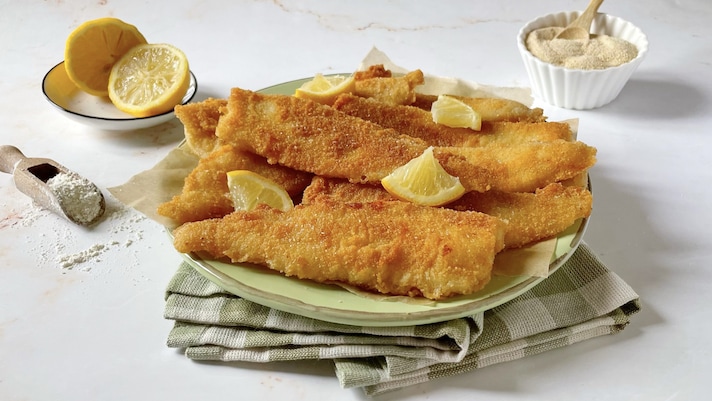
Frying is particularly well suited to these fish, as it allows you to achieve a crispy outside and tender inside result without having to fear snagging a bone while biting into a delicious fish and chips (with battered cod) or slices of plaice, which cook quickly. Also worth trying is monkfish cut into bite-sized pieces, lightly floured and tossed in hot seed oil: its firm flesh remains compact and very tasty.
Some Practical Advice
Once you know which fish have few bones, all you have to do is purchase them. Always assess their freshness by sight, smell, and touch. Generally, once the fish is whole, you should clean it, remove the guts, and fillet it at home. Otherwise, you can have your fishmonger do it for you. When preparing the fish, check by applying light pressure with your fingers on the surface of the fillet; you'll immediately feel any remaining bones, as they will be stiff and barely protruding from the flesh. Use kitchen tweezers and grasp the bone at the base, pulling in the direction it is inserted so as not to damage the flesh.
;Resize,width=767;)
