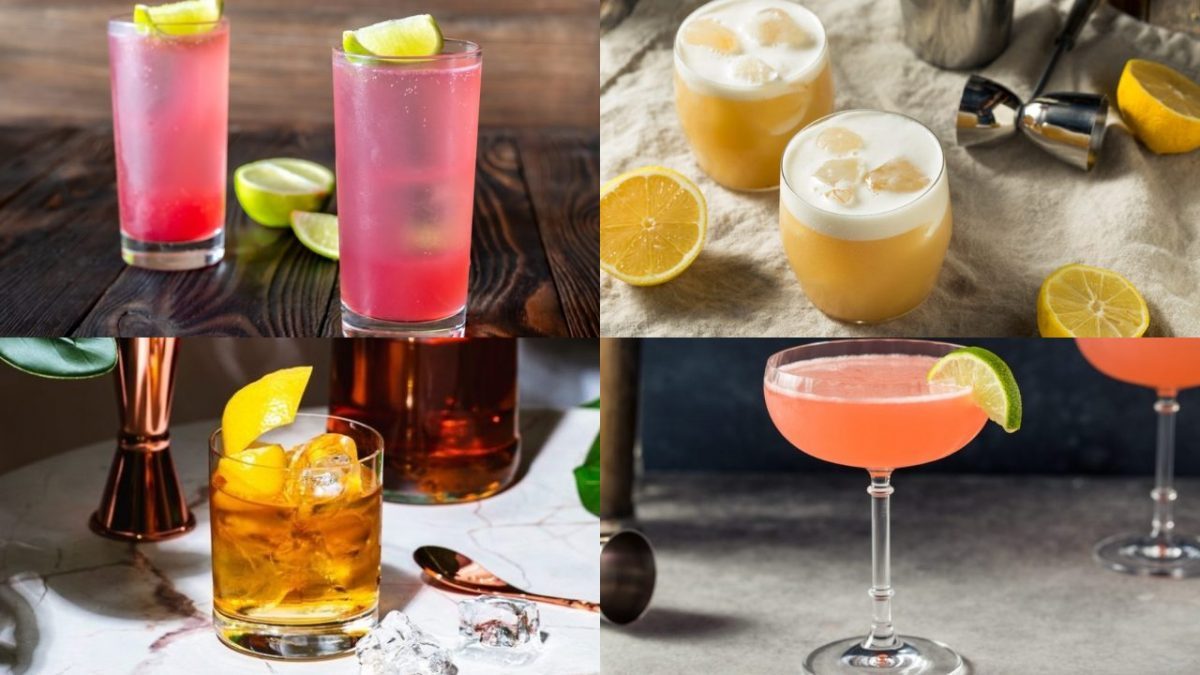
Tequila is nothing new to contemporary mixology, but its current centrality on the menus of the world's best cocktail bars tells a story of rebirth and rediscovery. For decades, this Mexican spirit was relegated in the collective imagination to superficial consumption—that of quick shots accompanied by salt and lime—and associated with low-quality industrial products. But behind the "tequila" label lies a cultural, agricultural, and artisanal heritage among the most fascinating in Latin America.
Beginning in the 1990s and early 2000s, a new generation of American bartenders and enthusiasts began to look at tequila differently. Thanks to the rise of cocktail culture and a growing interest in controlled-origin spirits, tequila returned to prominence: no longer just as an alcoholic base, but as an expression of a territory, a plant—the agave azul —and a production process deeply rooted in tradition.
This reevaluation has also involved a slow but decisive overcoming of old prejudices. Artisan producers, supported by the Tequila Regulatory Council (CRT), have helped spread a new awareness: tequila can be a complex, elegant spirit, worthy of being enjoyed on its own like a great whiskey or cognac.
Today, varieties like Blanco, Reposado, and Añejo offer bartenders a range of flavor profiles capable of reinterpreting classic cocktails or inspiring new ones. Tequila, therefore, is more than just an ingredient: it is a symbol of cultural rebirth, a bridge between Mexico's rural roots and the global creativity of contemporary bars.
Tequila is thus experiencing a new phase of growth and creativity, thanks to its versatility and the desire for authenticity that guides the choices of bartenders and enthusiasts. From modern twists to traditional recipes, today we present a selection of drinks that showcase this spirit's unique character.
1. Margarita
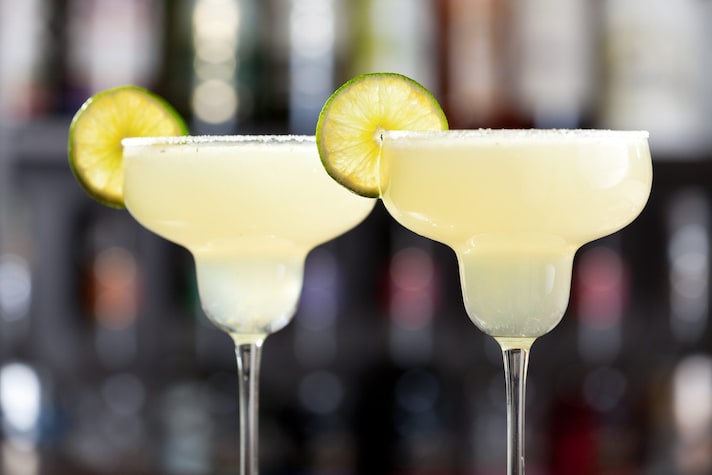
The Margarita is undoubtedly the most iconic and popular tequila-based cocktail in the world: its classic recipe calls for tequila, triple sec (usually Cointreau), and fresh lime juice, served in a glass always rimmed with salt. Probably born between Mexico and the United States in the 1930s or 1940s, the Margarita has become a symbol of summer and conviviality. Its strength lies in its simplicity: the balance of sweetness, acidity, and alcohol creates a fresh and straightforward profile, perfect for any occasion. Also worth trying are frozen versions or those flavored with seasonal fruit.
2. Paloma
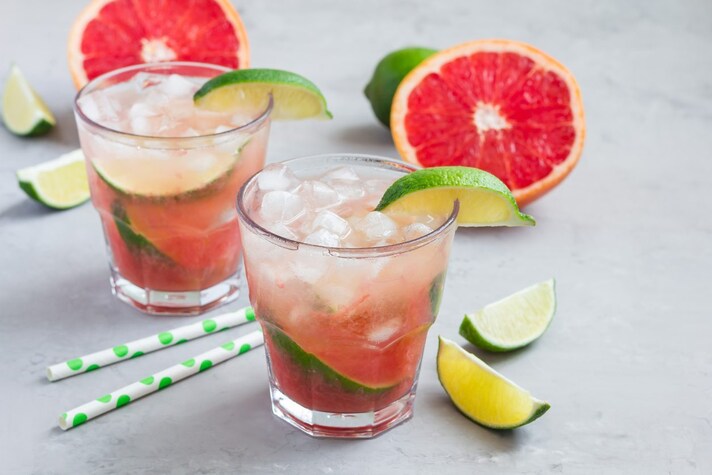
Less well-known than the Margarita outside of Mexico, but beloved in its home country, the Paloma is a refreshing and light cocktail, perfect for summer. The traditional recipe calls for tequila, lime juice, and grapefruit soda, served over ice in a tall glass. The rim can be salted, as with a Margarita, to bring out the freshness of the citrus. Some bartenders prefer to use fresh grapefruit juice and a touch of agave syrup for a more natural and balanced result. It's the ideal drink for those seeking a less alcoholic but equally distinctive alternative.
3. Batanga
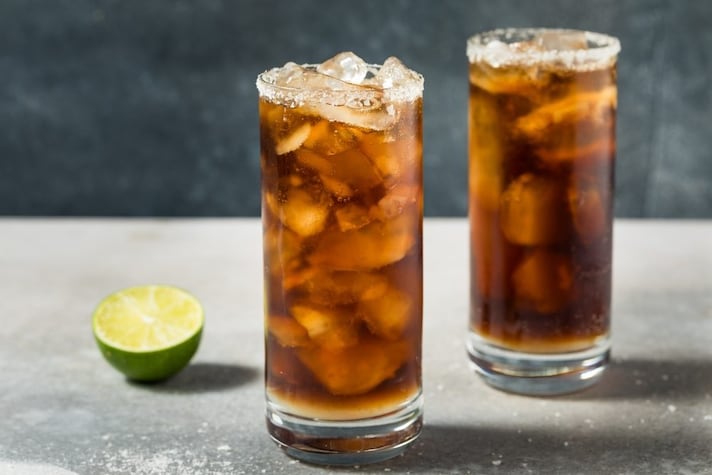
The Batanga is a simple yet characterful cocktail, created in the 1960s at the legendary La Capilla bar by Don Javier Delgado Corona. The recipe calls for tequila, Coca-Cola, lime juice, and a salt rim, served in a tall glass with plenty of ice. Its unique feature? Tradition dictates that the drink is stirred with a knife, the same one used to cut limes. The Batanga is a perfect example of how a few ingredients can express a region: the sweetness of the cola, the acidity of the lime, and the strength of the tequila blend into a popular, authentic, and surprisingly balanced mix.
4. Long Island Ice Tea
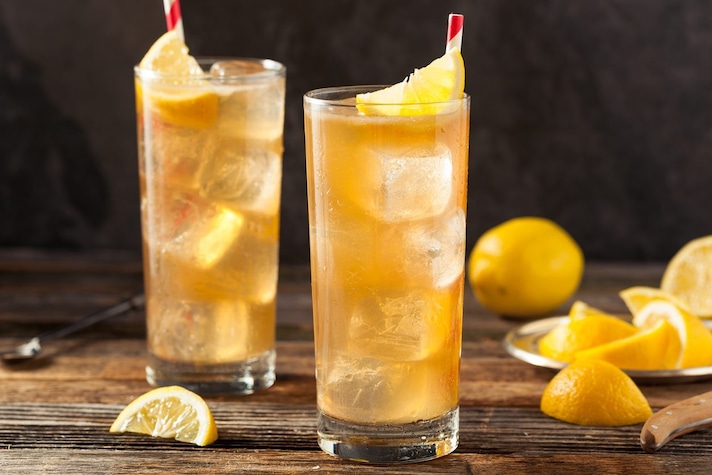
The Long Island Ice Tea is one of the most discussed and beloved cocktails in international mixology. Born in the 1970s in the United States, it's renowned for its intense alcohol content and surprisingly balanced flavor. The classic recipe calls for vodka, gin, white rum, triple sec, tequila, lemon juice, and a topping of cola, served in a tall glass over ice. Despite its name, it doesn't contain tea: its color and flavor profile are reminiscent of a classic iced drink, with a significantly higher alcohol content. The presence of tequila, albeit in small quantities, adds depth and character to the mix. It's a cocktail to be consumed with awareness, perfect for evenings with friends or otherwise very informal settings.
5. Siesta
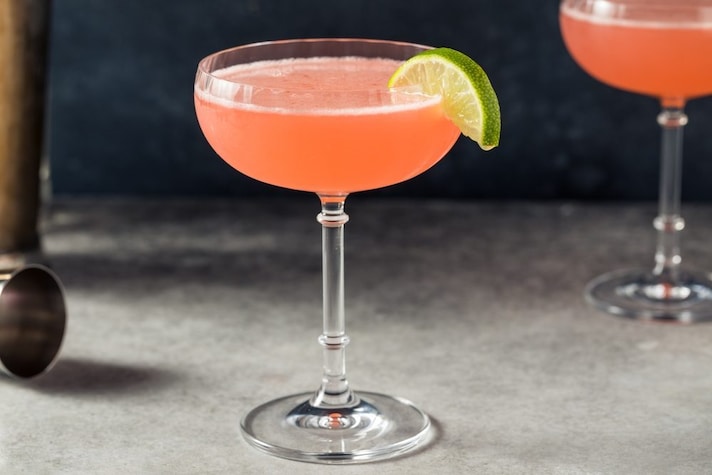
Created by Katie Stipe in the early 2000s in New York, the Siesta is a cocktail combining tequila, Campari, lime juice, fresh grapefruit juice, and a touch of simple sugar. Often simplified or sweetened in popular versions, it deserves to be rediscovered in its original form, where the bitterness of the Campari and the acidity of the grapefruit create an elegant and surprising profile. Excellent as an aperitif, it pairs well with tapas, raw fish, and bold dishes.
6. Tequila Old Fashioned
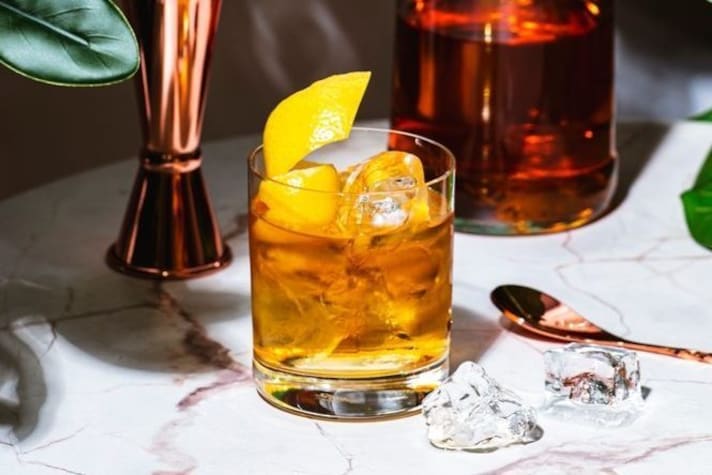
This isn't a historic cocktail or a Mexican tradition, but a modern twist on the famous Old Fashioned. Reposado tequila — that is, aged for two months to a year — replaces the bourbon, accompanied by bitters and agave syrup. The result is a structured, meditative drink, perfect for those who love dry, toasted flavors. It's considered a "modern classic" thanks to its popularity in contemporary cocktail bars. Try it with dark chocolate, aged cheeses, or spicy desserts.
7. El Diablo
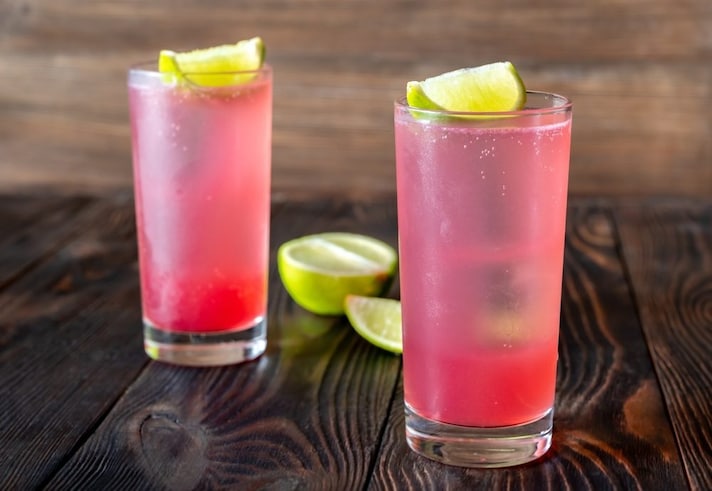
Created by Victor “Trader Vic” Bergeron in the 1940s and 1950s, El Diablo is one of the few tequila-based tiki cocktails, in an era dominated by rum and exotic decorations. But what does Tiki culture mean? Tiki culture originated in the United States between the 1930s and 1950s as an escapist movement inspired by Polynesian imagery, bars decorated with idols, flowers, fabrics, and exotic furnishings. Flamboyant cocktails and festive settings, populated by Hawaiian shirts and extravagant glassware, made Tiki culture a symbol of conviviality and tropical dreaming, a way to “travel” without leaving the bar. Tiki bars thus became places where fantasy mingled with flavor, amidst flames, fruit, and joy.
The original El Diablo recipe, also reported by David Wondrich, calls for tequila, crème de cassis, lime juice, and ginger beer, served over ice in a highball glass . The result is a fruity, balsamic, and slightly spicy drink; Difford's Guide calls it "a vintage gem that showcases tequila's versatility even in exotic contexts." Enjoy it with smoked meats, chocolate desserts, or spicy dishes.
8. Cantarito
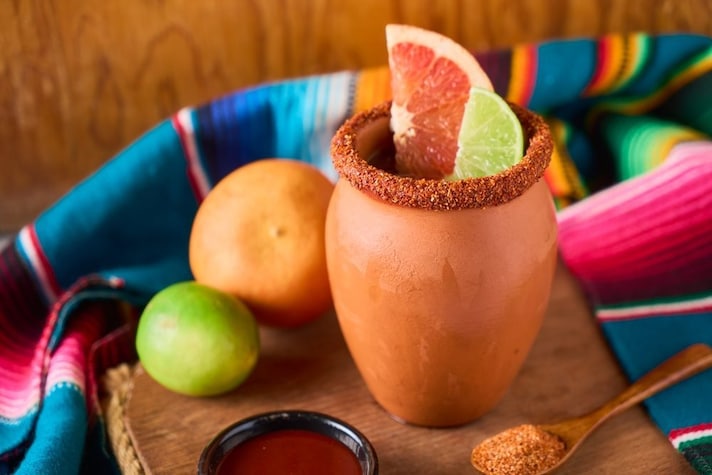
The Cantarito is a traditional Mexican cocktail, often considered more authentic than the Paloma. Made with tequila, lime juice, orange juice, fresh grapefruit juice, and soda water, it is served in clay glasses during popular festivals. While the Paloma has gained popularity primarily internationally, the Cantarito remains deeply rooted in local traditions, prepared with fresh fruit and served at markets and fairs. According to local sources cited by Imbibe!, it is "the true street drink, prepared with pride and conviviality."
9. Tequila Sour
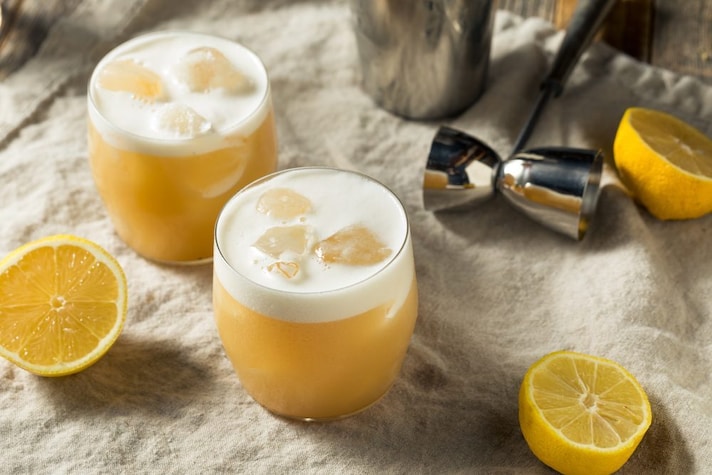
The Tequila Sour is a modern adaptation of the sour model, applied to tequila. The classic recipe calls for tequila, lime or lemon juice, sugar, and egg white, for a velvety texture and balanced flavor. It's not a traditional Mexican cocktail, but an international variation inspired by drinks like the Whiskey Sour or Pisco Sour. Ideal as a pre-dinner drink, it pairs well with finger foods, tartare, or delicately flavored crostini.
;Resize,width=767;)
