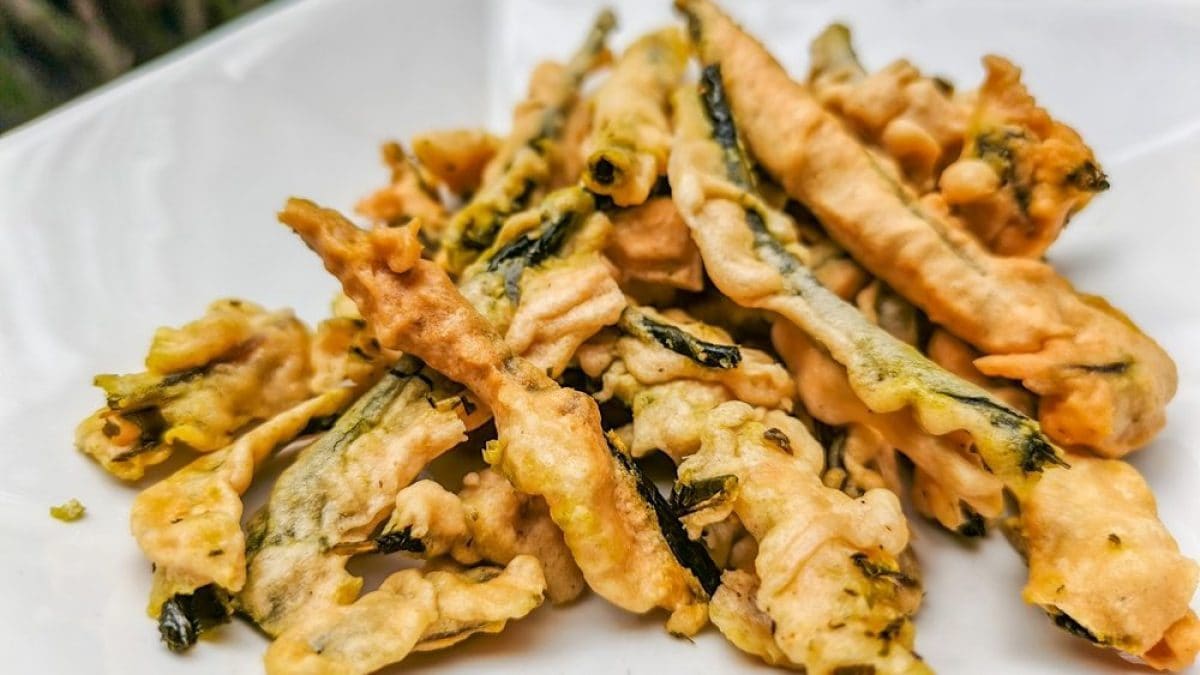
Frying makes everything tastier, as long as it's done properly. One of the secrets behind mouth-watering fried foods is the batter, the mixture that can make the difference between perfect cooking and a disastrous fry. It's a fairly simple recipe, but like any seemingly basic preparation, it hides some pitfalls. There are many different types of batter, and each variant has its own specific use: each type is characterized by the use of a particular ingredient (for example, beer, eggs, or simply water), and each is suited to frying a specific type of ingredient. Knowing their characteristics and preparation secrets will help you create fried foods that are perfectly balanced in terms of consistency and flavor, every time. How many types of batter are there, and which recipes are they used for? Here's the complete guide to batter and all its variations.
1. Eggs Batter

The most classic version of this batter is made with flour, eggs, milk (sometimes replaced with water, but not always), and a pinch of salt. The recommended ratio is 200 grams of flour, 2 eggs, and 200ml of milk, but there are also variations: this batter can be made with sparkling water, still water, milk, or even just flour, eggs, and salt; if you use the latter, however, keep in mind that it will be a particularly thick and compact batter. Egg-based batter is best for frying meat, but it's also great for bold-flavored vegetables like onion rings, Brussels sprouts, and radicchio.
2. Water Batter

Water batter is a very quick and decidedly lighter version of the classic batter, and it's also very versatile. To make it, simply combine 200 grams of flour and 150 ml of sparkling water and mix vigorously with a fork: the batter should be smooth and lump-free. For perfect results, it's important to use sparkling water, which will provide the carbon dioxide needed to create airy fried food, and that the water is very cold: this creates a thermal shock with the temperature of the oil, which will allow you to obtain very crispy fried food. Water batter is perfect for frying delicate vegetables, such as pumpkin, whose delicate flavor is enhanced by the lightness of this batter, but also for fish, especially shrimp, calamari, cod, squid, and mussels.
3. Beer Batter

If you're looking for a batter with an intense flavor that adds to the dish's aroma, beer batter is ideal. The proportions are 1:1, meaning equal parts flour and beer, but it also depends on the type of beer: the darker and more full-bodied you choose, the more you'll need to reduce the percentage of beer to flour and, if necessary, add a drop of water. Keep in mind that different types of beer provide different flavor nuances, and you can also add a splash of vodka or brandy for an even more original touch. It's all about practicing and experimenting with various pairings, so you can understand how to best balance each type of beer and which one to use with the ingredients you're frying. This batter is ideal for meat or fish with a strong flavor, but it can also be used with vegetables: zucchini flowers battered with beer are very popular, but broccoli, asparagus, cauliflower, peppers, onions, or even aromatic herbs like sage are also suitable.
4. Tempura Batter

The Japanese batter called tempura is very different from the batters we're used to, much lighter and crumbly, as well as incredibly crunchy. This type of preparation requires very cold ingredients and a slightly lower oil temperature (about 355°F/180°C) than traditional tempura. For a perfect tempura, you'll need 100 grams of 00 flour, 100 grams of rice flour, and about 200ml of very cold sparkling water. If you want a richer variation, similar to European batters, you can add eggs: you'll need 100 grams of 00 flour, 80-100 grams of rice flour, 2 eggs, and about 120-150ml of very cold sparkling water. Lightly whisk the ingredients until you obtain a smooth but not overworked batter.
Japanese masters work the batter with chopsticks for just a few seconds, just long enough for it to form a lumpy consistency: unlike traditional batters, tempura doesn't have to be smooth and velvety. Tempura is particularly suitable for fried fish or vegetables, or for frying shellfish and crustaceans such as shrimp, octopus, or calamari. For shellfish and mollusks, a little tip: first coat them in flour and only then in the tempura; this way they will be not only crumbly but also perfectly dry. Many people often confuse tempura with panko, a special type of breadcrumbs made with sandwich bread, which, however, is used to coat the ingredients, not to batter them.
5. Gluten-Free Batter

If you have celiac disease or are gluten intolerant, don't worry: you can still enjoy the deliciousness of fried food thanks to a gluten-free batter made only with water and rice flour. The particularly light consistency of the latter requires a larger amount of water, about one and a half times the weight of the flour, so it will be easier to achieve a soft and not too creamy consistency. You can use the gluten-free batter to batter everything you love: fish, meat, vegetables, or delicate vegetables like pumpkin; the mixture adapts perfectly to any type of ingredient.
6. Yeast Batter

Used in countless regional recipes, such as Neapolitan zeppole, Apulian pettole, or Emilian fried gnocco (which also includes lard), yeast batter allows you to serve fluffy, airy, and incredibly soft fried foods, whether savory or sweet. For savory dishes, fresh brewer's yeast is best: for about 200 grams of flour, you'll need about 10 grams. For sweet dishes, however, it's best to use baking powder so as not to overpower the flavor of the dessert. In this case, however, the ratio is about 1/3 compared to brewer's yeast.
7. Baking Soda Batter

A slightly lighter variation of the yeast batter is the one with baking soda: in this case, the baking soda itself acts as a leavening agent, allowing the batter to form bubbles that will make the fried food airy. The result will be fried food (fish, vegetables, or fruit are ideal) with a soft texture but a distinct crunch. In this case, we suggest making a simple batter with water, flour, and baking soda, so as not to overpower the flavor.
8. Oil Batter

Oil batter is a variation in which extra virgin olive oil is added to the batter along with water and flour, without using eggs. The oil helps give the batter softness and structure, making it suitable for frying with a stronger, more consistent flavor. This is a variant with an intense flavor, perfect for full-bodied foods like mushrooms, strong-tasting meats like wild boar, pork, game, offal like liver, lungs, heart, and so on. It's therefore a batter for "signature" fried foods.
9. Flavored Batter

The batter's neutral flavor pairs perfectly with any type of ingredient. However, if you want to give your fried food a unique flavor, simply add your favorite spices and herbs to the batter. For a citrus-flavored fried fish, for example, you can flavor the batter with grated lemon or orange zest. If you're looking for Indian flavors, take inspiration from samosas —typical dumplings with a soft, spicy filling—and experiment with curry, sweet paprika, parsley, or finely chopped garlic to fry your vegetables.
Rules for Perfect Batter and Flawless Fried Food
After explaining all the main variations of batter and the best way to use each type, it's time to explain the rules for perfect batter. It's not enough to follow the correct quantities of ingredients; you must consider these few but fundamental guidelines:
- Flour must always be in good condition, not spoiled, well stored in a cool, dry place.
- Before using it, if possible, sift it. You can try mixing other types of flour with 00 flour, but don't overdo it: the right amount of gluten will ensure an elastic batter. On the other hand, if the gluten is too tough, it could absorb too much oil during cooking.
- The oil must be clean and at the right temperature. Temperature fluctuations can make fried foods limp and greasy, and, in the case of battered fried foods, contribute to dirtying the oil.
- Never add salt to the batter. Even then, the salt can make your batter thick and your fried food greasy. It's much better to salt the pieces freshly fried, while they're resting on paper towels.
- Serve immediately. Battered fried food should be done almost immediately: the closer it is to serving time, the better. This is because the batter coating and the food's moisture quickly remove the crispiness.
;Resize,width=767;)
