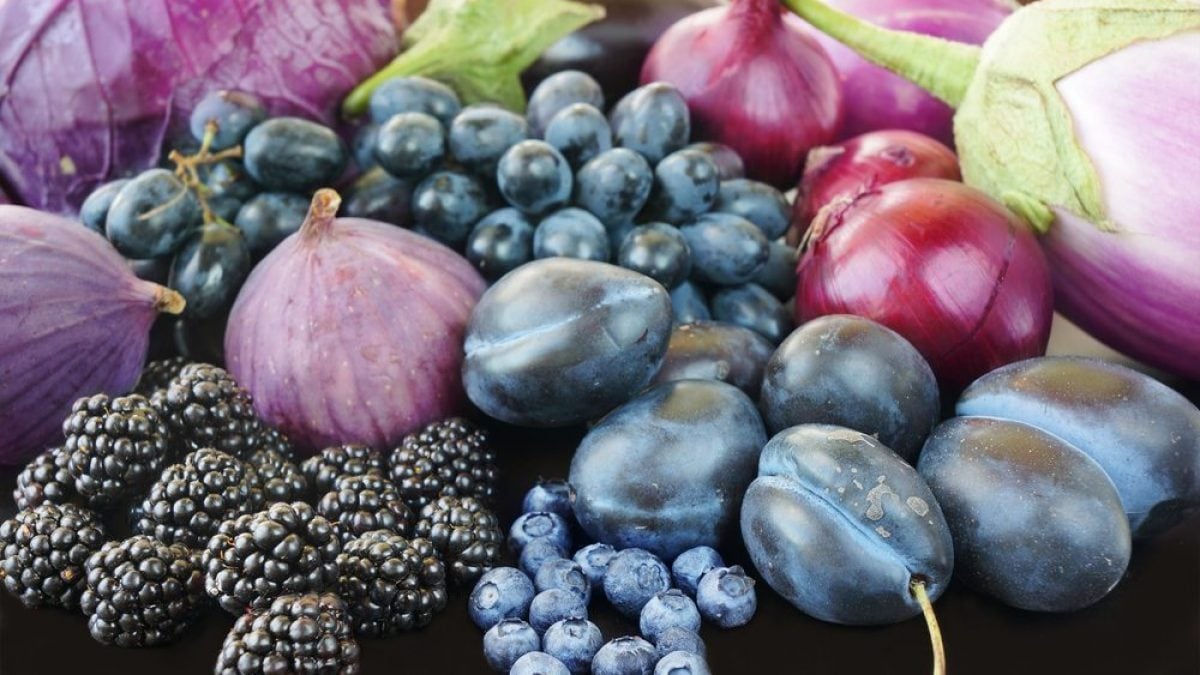
We know that in the kitchen, the eye also wants its part. The advantage is that there's no need to resort to any elaborate chef's tricks, because nature itself provides us with raw materials that don't go unnoticed, such as fruits and vegetables with shades of blue and purple. They attract attention and pique curiosity: blackberries, blueberries, plums, black grapes, eggplant, cauliflower, cabbage, purple potatoes and carrots, but also red onions, radicchio, beets, purple asparagus and artichokes, all have in common not only their distinctive color, but also a rich concentration of beneficial substances that the scientific community agrees are true protective agents for our body. Let's discover what makes these foods special and why it's important to include them in our diet.
Anthocyanins, The Secret to Well-Being
The pigment responsible for purple hues — but also red ones —belongs to the flavonoid family, and more specifically, it's anthocyanins. These water-soluble coloring molecules—also used as a food additive—are found in large quantities in the peel and outermost part of vegetables, with shades that can vary depending on the acidity of the soil and the degree of ripeness.
Anthocyanins not only give fruit and vegetables an attractive appearance, but also play a fundamental role in plants, especially when they are young, protecting them from ultraviolet (UV) rays by performing an antioxidant action. And this is the magic word: these substances, in fact, act in the human body as natural antioxidants, neutralizing free radicals, responsible for cellular damage and aging. According to several studies, thanks to their chemical structure, taking them regularly can contribute to various benefits, from the prevention of cardiovascular and chronic diseases to beneficial effects on metabolism, as well as being allies of the brain and immune system.

Properties and Benefits
Blue and purple vegetables contain not only anthocyanins, but also other substances at varying levels that help limit oxidative processes, fight inflammation, purify, and promote intestinal regularity. We have polyphenols – which include flavonoids; essential micronutrients such as vitamins, especially vitamin C (ascorbic acid), vitamin A, valuable for eyesight, and vitamin K, essential for blood clotting; mineral salts, including potassium, magnesium, calcium, iron, zinc, selenium, and manganese; and fiber, elements that complete a very positive picture within a healthy, varied, and balanced diet. Let's look at the main benefits in more detail.
Natural Defense Against Cardiovascular Disease
Numerous studies confirm that anthocyanins protect the heart and arteries, especially in women, thanks to a positive effect on blood pressure and an improvement in the functionality of blood vessels, acting as vasoprotectors, lowering the risk of accumulation of bad cholesterol (LDL) in the blood and of heart attack.

A Help for The Brain
Purple foods don't just benefit the heart. Anthocyanins also have a neuroprotective effect. This means they can help slow age-related cognitive decline, improve memory, and support concentration. From this perspective, blueberries are a true superfood: one study showed that their daily consumption improved memory performance in older adults.
Allies of the Immune System
On the immune system front, however, violet is accompanied by a good concentration of vitamin C, zinc, and selenium, micronutrients that stimulate the production of white blood cells and strengthen the body's defenses. The high presence of fiber also helps, promoting the balance of intestinal flora.
They Regulate Metabolism
Anthocyanins may have a protective and regulatory role on metabolism, helping reduce the risk of type 2 diabetes by lowering blood glucose levels. According to a recent study, they improve insulin sensitivity in tandem with reducing oxidative stress and inflammation.

How to Best Consume Blue and Purple Fruits and Vegetables
At the table, be careful not to miss out on these potential benefits: anthocyanins, like most vitamins, including C, are thermolabile and therefore destroyed by heat. Therefore, whenever possible, consume these fruits and vegetables raw —even in the form of homemade juices and smoothies —or gently steam them and leave the peel on. Among the best pairings are extra virgin olive oil and oilseeds for dressing excellent salads, but yogurt is also a great friend, a great classic with blueberries, thanks to the combination with its proteins, which keeps glycemic peaks at bay and prolongs the feeling of satiety.
;Resize,width=767;)
