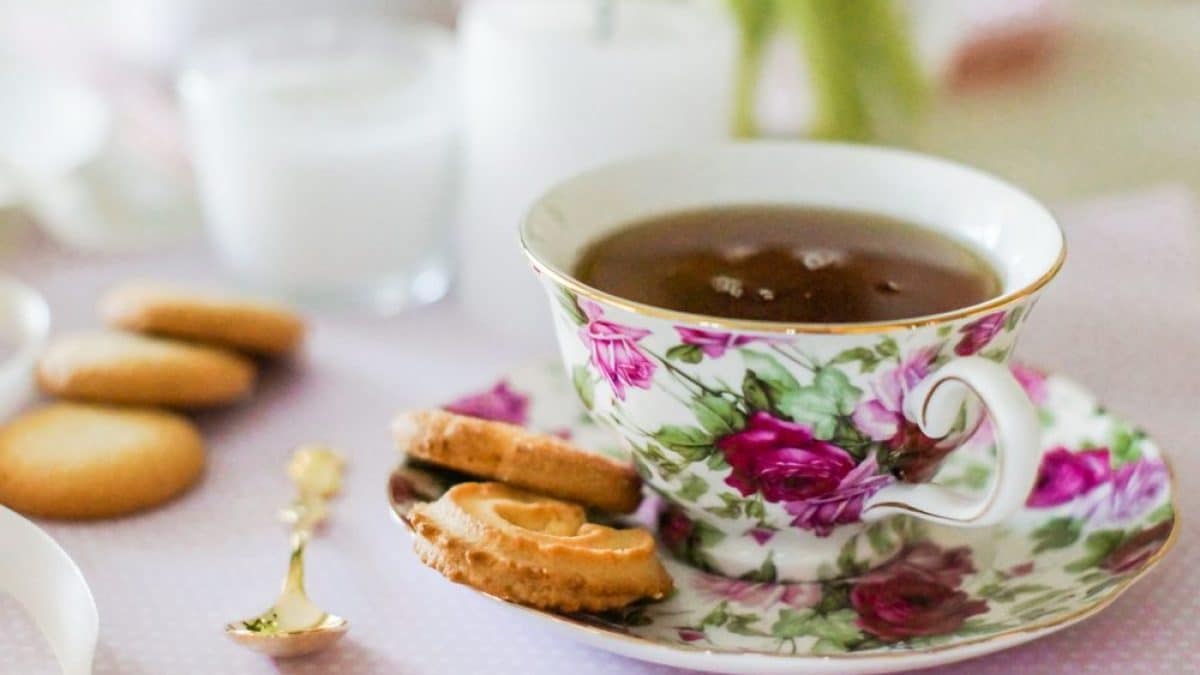
Tea isn't just a drink to sip on a cold day: it's a chance to take a break, relax, chat, and indulge. The English know this, and have made tea time a true tradition, a break to carve out during the day, so elegant and enjoyable that it's become irresistible even outside of England. If you want to host a home tea party to unwind with your closest friends in an intimate yet chic atmosphere, you need to draw on British tradition, particularly all the rules dictated by etiquette for organizing a pleasant and refined moment. Here's tea etiquette for a tea party in perfect British style.
1. Invitation and Time
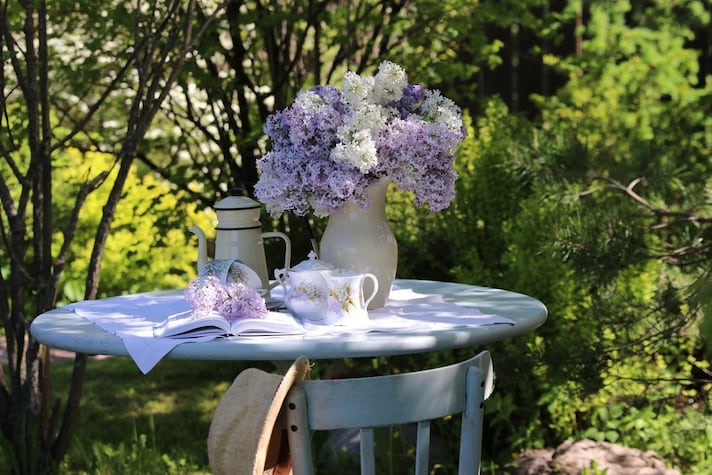
Tea time isn't a real party, more of an intimate gathering of friends and acquaintances. Therefore, don't overdo the invitations; it's best to invite a few people, but carefully selected. Remember to send the invitation well in advance of the scheduled date, using your preferred method (email, text, phone call, etc.). Tea time is 5:00 PM sharp, no later. The appointment should therefore be set for 4:45 PM, and remember that latecomers are not tolerated: if someone is missing, the host is authorized to serve tea at the exact time, without waiting for all the guests to arrive.
2. The Location
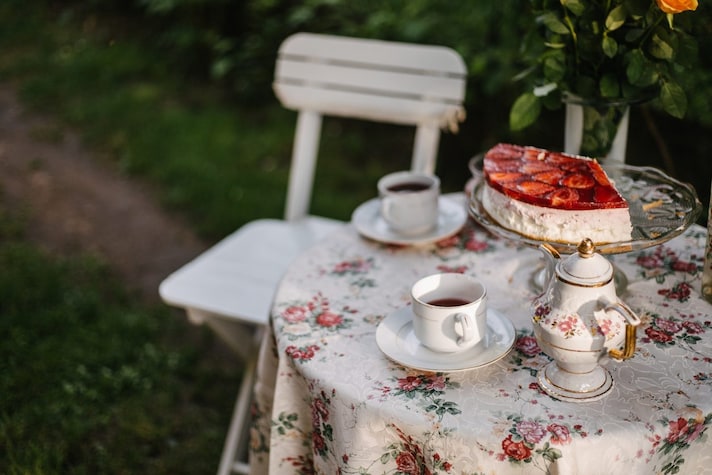
The ideal place for tea time is usually the living room, the most comfortable and inviting space in the house and the one where it's easiest to make guests feel at ease. However, if you have an outdoor space, and if the weather permits, you can also host the tea party outdoors, for example in the garden, arranging the table and chairs among plants and flowers. A gazebo or a beautiful porch with a canopy also work well.
3. The Table
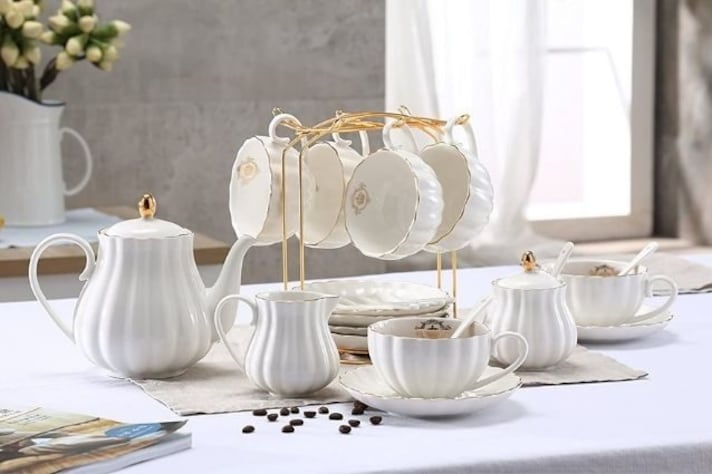
As with any social event, tea time requires a table setting that's refined but not overdone. Etiquette dictates an absolute ban on any kind of plastic: saucers, cups, and teapots must be strictly porcelain, and cutlery must be metal. Forget paper, too, as both the tablecloth and napkins must be linen, or at most canvas. Remember, napkins must be the small, square ones specifically designed for tea, measuring approximately 10-12 centimeters on each side and crease-free. For each guest, you should set a teacup and saucer, a dessert plate with a fork, a napkin, and a teaspoon, to be placed to the right of the cup. Decorations should be simple; a few stands to hold the sweet and savory snacks that will accompany the tea, and a vase of flowers, as long as they're fresh, will suffice.
4. Tea, From Preparation to Serving
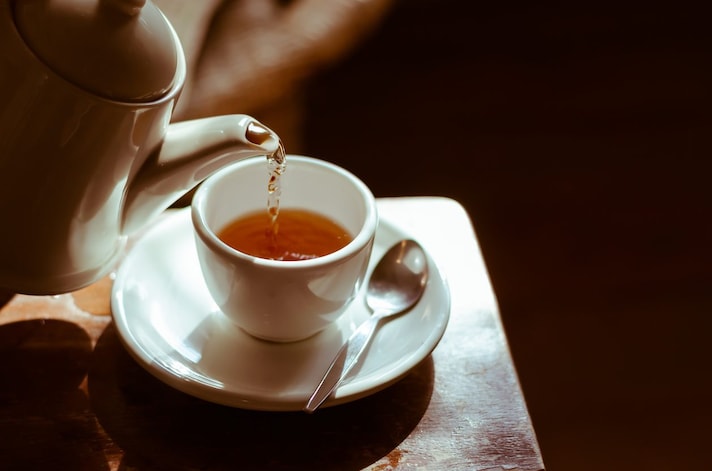
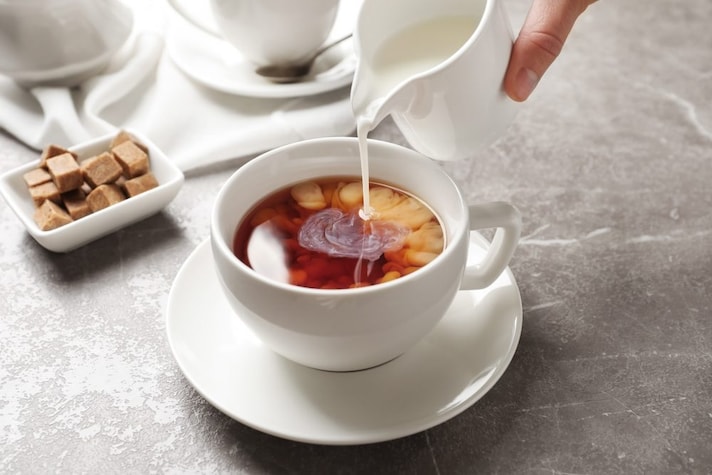
We come to the focal point of the event, the preparation of tea: etiquette dictates that only loose leaves be used, not ordinary tea bags. Although there are now excellent quality tea bags on the market—so it's no longer entirely true that they're synonymous with poor quality —leaf tea remains a higher-quality product. Among the rules for preparing the perfect tea, remember that it's best not to use tap water; you don't need to boil it, but you must respect the required temperature for each type of tea, as well as the steeping time. Once the infusion is ready, bring it to the table in the appropriate teapot and, if you're the host, pour the tea for each guest. Guests can then sweeten it as they prefer: so remember to place a carafe of milk on the table for perfect British style, and also prepare lemon slices and sugar (fine-grained, which dissolves better) so everyone can choose how to enjoy their tea based on their preferences.
5. The Food
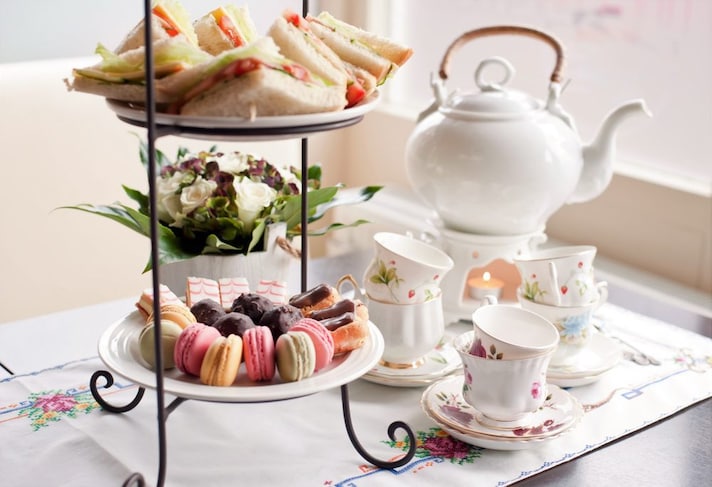
British teatime etiquette dictates that the beverage should never be served alone, but rather that a variety of tempting delicacies be present to make the moment even more enjoyable. The treats can be sweet or savory, and essentials include English sandwiches and scones, to which you can add anything you like, from scones to macarons. British tradition calls for two types of snacks to accompany afternoon tea: "low tea," a lighter, hearty but controlled meal with small samples of various preparations, and "high tea," almost a replacement for dinner because it is served later in the afternoon and accompanied by much more generous dishes.
6. How to Drink Your Tea
The final rules to keep in mind concern the most elegant way to drink tea. Etiquette dictates that you should hold the cup in one hand and the saucer in the other, raised and a short distance from the cup at chest height. And no, you shouldn't raise your pinky: it's an urban legend that this is a noble gesture. Never blow on the tea, because while it's an automatic reaction if the drink is boiling hot, it's considered very rude, as is noisy sipping tea, which should absolutely be avoided. Dipping biscuits, pastries, or other sweets in the tea is forbidden—that's fine at home, not on a more formal occasion—and, last but not least, don't rush, take your time: the whole point of the tea ritual is to savor the moment calmly, without rushing, so that it can be a truly relaxing moment.
;Resize,width=767;)
