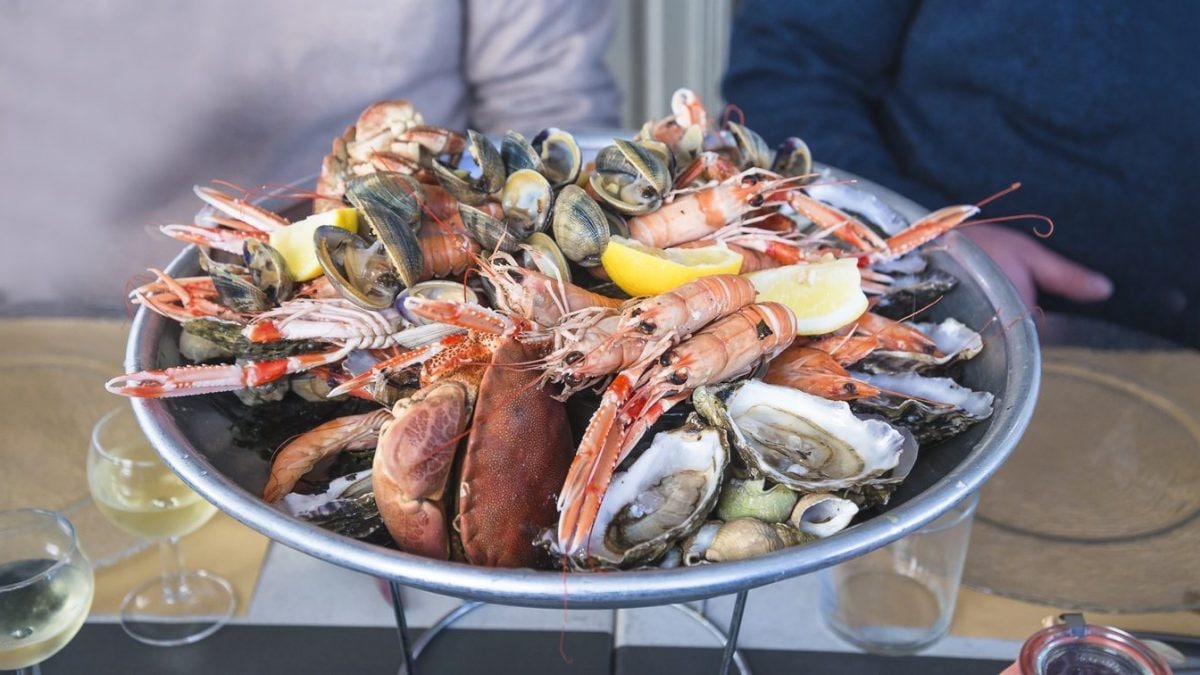
The sea is an ecosystem rich in treasures, and our cuisine has always had a long tradition of dishes based on excellent raw ingredients from our seabed. Of all these, shellfish is particularly delicious and beloved: it is one of the great treasures of Mediterranean cuisine, not only for its flavor and versatility, but also for its precious nutritional properties.
But are you sure you really know all the different types of shellfish? Mussels and clams are probably the first things that come to mind, but in reality, this is a truly vast category. For example, cephalopods such as octopuses and crustaceans are also considered shellfish, as are many other aquatic invertebrates. It's important to know how to recognize them both to broaden the variety of your diet and to protect yourself from inedible species: not all shellfish is edible, and some can even be dangerous. Let's learn more about the shellfish category, the characteristics of each type, and how to cook them to enhance their value.
Shellfish Species, Characteristics and Culinary Uses
Shellfish are aquatic invertebrates, a completely different category of marine creatures than fish. Why are they called that? It's a name that refers to their very nature: in most cases, because old English used the word "fish" for any animal that lived entirely in water, combined with "shell" for their hard outer covering. There are exceptions, however, because the category of shellfish is vast and includes so many different species, some of which are actually caught despite being fully classified as shellfish.
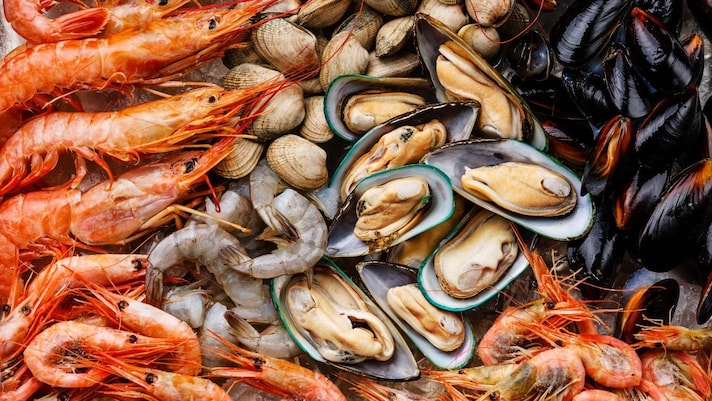
Shellfish, both edible and inedible, is divided into categories based on its structure. Based on this classification, we have:
- bivalve and univalve molluscs, characterized by a shell made up of two valves (mussels, clams, oysters, etc.) or by a single protective spiral or cone-shaped shell (such as sea snails and limpets);
- cephalopods, characterized by the absence of a shell or armour, with a soft body and tentacles (octopuses, cuttlefish, squid, squid, etc.);
- crustaceans, characterized by an external exoskeleton, legs and antennae (prawns, scampi, lobsters, crabs, etc.);
- echinoderms, characterized by an internal calcareous endoskeleton covered with spines or prickles (sea urchins, starfish, etc.)
- hexacorals, characterized by a polyp shape, similar to a small flower, with stinging tentacles and often an external skeleton of calcium carbonate (the classic corals, sea tomatoes, etc.).
Listing all the edible shellfish species is nearly impossible: in the world of bivalves alone, for example (mussels and clams), there are over 13,000 different species. Obviously, not all of them are edible, and this applies to each category of shellfish we've listed. Let's discover together the tastiest, most common, and most popular shellfish to bring to the table, and how to cook them to best showcase their value.
Bivalve and Univalve Molluscs
Bivalve and univalve mollusks (or gastropods) are a class of aquatic invertebrates enclosed in a protective shell: the former have a shell divided into two articulated halves called valves, while the latter are protected by a single spiral or conical shell. They are found in marine, freshwater, and terrestrial environments; some burrow into sandy seabeds, others anchor themselves firmly to rocks. Many of these species are among the most loved and consumed types of shellfish, but be careful when purchasing bivalves. Since they are filter-feeders, they can accumulate impurities or toxins from the water: it is essential to purchase them alive and viable (with their valves tightly closed), sourced only from controlled supply chains with the appropriate traceability label.
1. Mussels
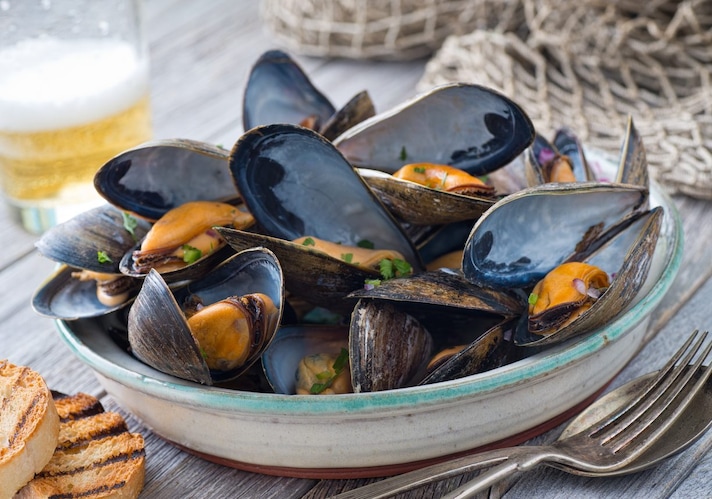
Mussels are probably a specialty shellfish in the U.S.: triangular, black shells, exquisite orange fruit inside, and countless nutritional benefits. Cleaning mussels is a bit time-consuming, but it's essential to eating them safely: drain them, clean the shell, remove the filaments and beard, and then pan-fry them to open them; always remember not to eat mussels that don't open during cooking, as they could be spoiled. You can also open them by hand with a knife, but you have to be very careful because the shell is thin. From a culinary standpoint, they are one of the most versatile shellfish: exquisite in fish soups and to season a rich pasta dish, they are also excellent on their own, for example peppered, stuffed, or au gratin.
2. Clams
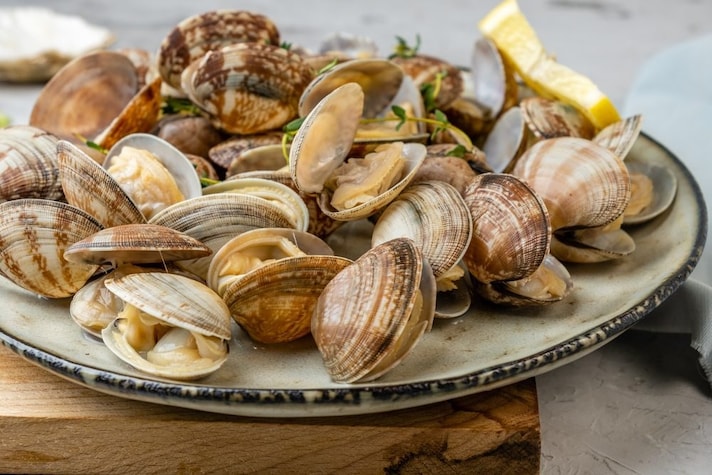
Like mussels, clams are also a key ingredient on coastal tables. They are characterized by an oval, slightly convex shell, with stripes that vary in color from white to pink to brown. The internal flesh is white and tender, very delicate and pleasantly salty: this makes them particularly perfect for pasta, such as the classic and ever-popular spaghetti with clams. They also pair beautifully with mussels, both as a pasta sauce and in sautéing, a recipe in which the molluscs are sautéed in a pan over high heat with their cooking liquid, a sauté of garlic and oil, and halved cherry tomatoes.
3. Cockles
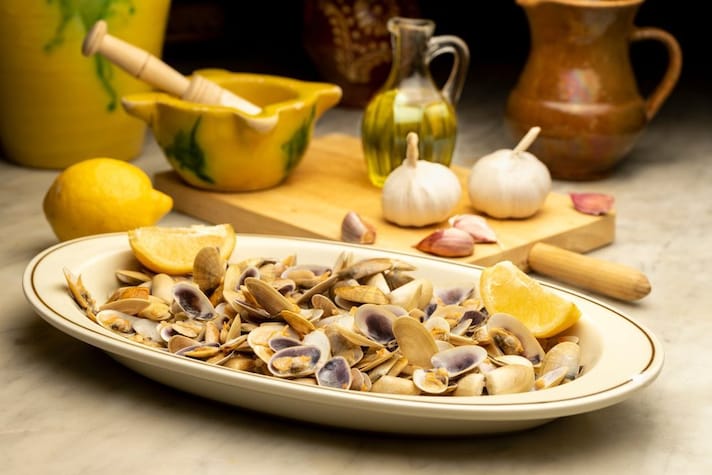
Cockles are mollusks similar to clams but much smaller: they have more oval and smooth shells than their "cousins," while their flavor is quite similar, with delicate but slightly sweeter flesh. Size matters here; in fact, the opposite is true: a good cockle should not exceed 3 centimeters in length. Primarily used to season spaghetti, they often enhance shellfish sauces because their delicate flavor pairs so well with other shellfish.
4. Razor Clams
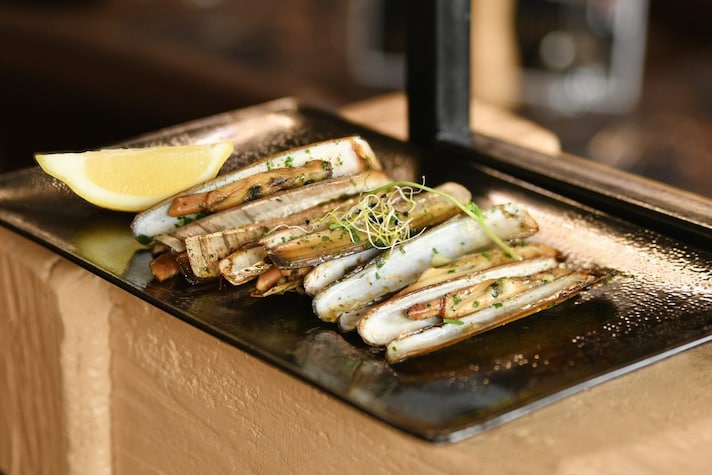
Razor clams are mollusks with an intense, marine flavor, characterized by their elongated, tube-shaped shell and threadlike body, similar to that of a worm. They typically live submerged in the sand, so they need to be thoroughly cleaned before eating. Prized for their tender flesh and delicate flavor, they are a valuable ingredient in numerous recipes, but traditionally they are eaten raw with oil and lemon, after having been purged in water and salt for 2-3 hours, opened and gutted. If you're not particularly fond of raw food, razor clams can also be cooked: they are excellent baked au gratin, sautéed with garlic, oil, and parsley to season pasta, or added to fish soups.
5. Oysters
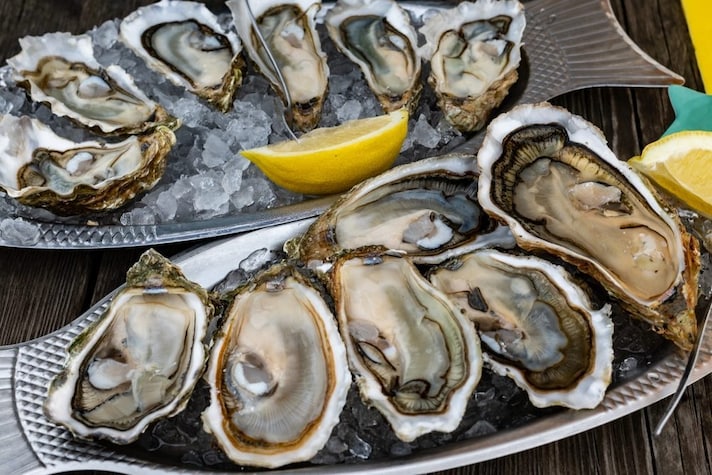
Extremely refined, a symbol of luxury, shellfish reserved for special occasions and grand occasions: oysters are the most prized and expensive bivalves of their kind. They are primarily eaten raw, either unseasoned or with a squeeze of lemon and a drizzle of oil, resulting in a light sweetness and a salty aftertaste reminiscent of the sea. Oysters are known for their extremely delicate and succulent flesh, characterized by a texture that varies from velvety softness to firmness depending on the variety. They can also be grilled, fried, or steamed, but cooking oysters requires a certain amount of skill because the flesh is very delicate and the risk of ruining it is very high.
6. Scallops
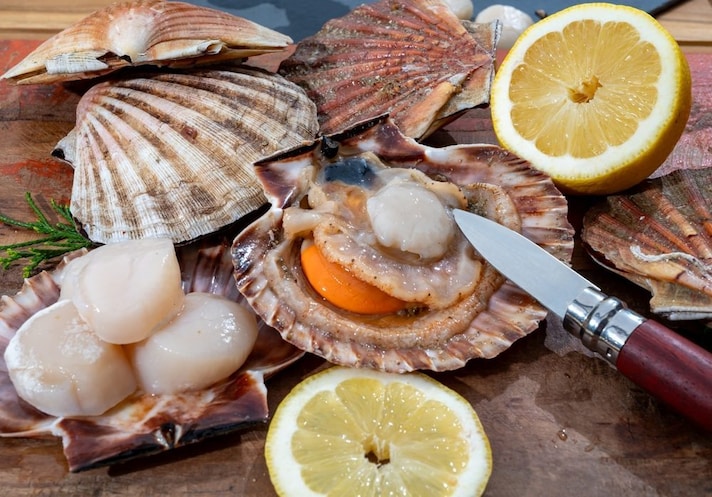
Scallops are highly prized bivalve mollusks. The edible part is composed of the "nut," the white, fleshy muscle, and the "coral," the orange part: together, they are a true delicacy, with a sweet and refined flavor. They are also a very delicate mollusk, sensitive to temperature: too hot, with temperatures that can even be altered by our hands, makes scallops tough and rubbery. For the same reason, when cooking them, you should only cook them for a few seconds. This shellfish has a rather sweet flavor and lends itself perfectly to many different dishes: you can prepare them au gratin, pan-fried, stuffed, or use them as part of more elaborate dishes, such as risotto or pasta with scallop sauce, both delicious.
7. Smooth Clams
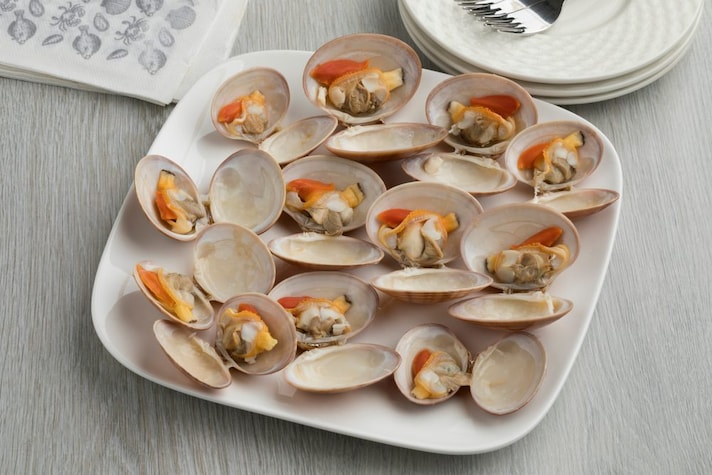
Smooth clams are highly prized marine bivalve mollusks, similar to clams but larger (up to 8-10 cm), with a robust, smooth shell, pinkish brown in color with darker streaks. They live on sandy seabeds and are prized for their meaty, flavorful flesh. A must-have in "perfect" shellfish soups, they're also delicious on their own, seasoned with garlic and tomato, and excellent au gratin. They're a staple in raw dishes, best served with oil and lemon. Steaming is a very gentle cooking method, allowing you to fully appreciate their flavor: this also preserves their texture.
8. Sea Snails
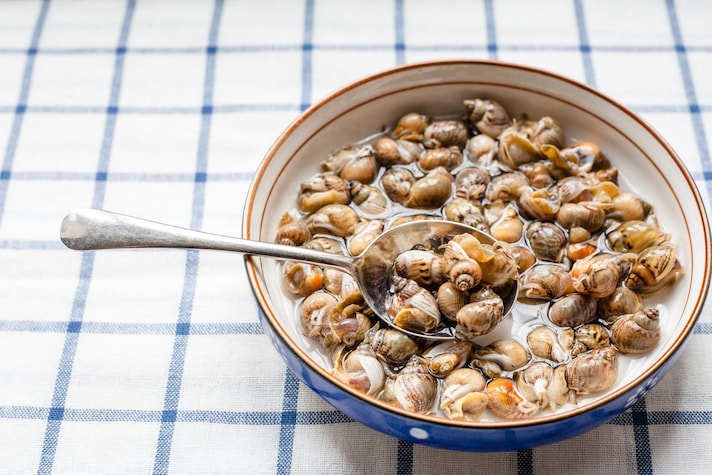
Typical mollusks of the Adriatic, sea snails fall into the category of bivalve mollusks, and specifically belong to the gastropod class: they have a single spiral shell (though some species lack one, such as terrestrial snails) and a single, large, muscular "foot" on which they crawl. They can be very large or small depending on the species and the area where they are harvested, and are cooked in various ways according to regional recipes. Sea snails are best served with tomato sauce: you can eat them plain with toasted bread croutons, or you can use the mixture to season pasta (preferably long pasta); in this case, they are often paired with clams, even in a refined risotto, or in a delicious stew. Another classic preparation calls for sea snails in bianco, that is, boiled and then seasoned with a drizzle of oil and aromatic herbs; They can also be cooked in a pan without shells, perhaps by sautéing them first and adding water or fish stock while cooking. In both cases, they are best enjoyed by using a toothpick to extract the fruit from its shell, sucking the juices from each shell.
9. Limpets
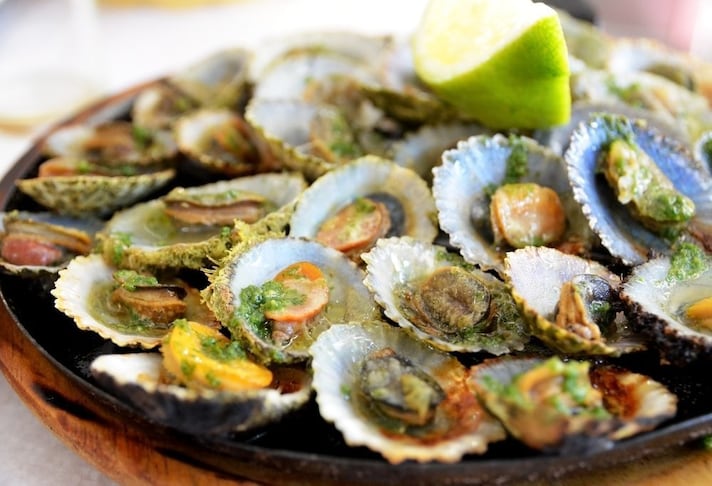
Limpets are small gastropod mollusks known for their distinctive cone shape. They live tenaciously attached to rocks, where they feed by scraping algae with their toothed tongues. Traditionally, they are harvested by hand, using a small knife, during low tide. They are highly prized in Mediterranean cuisine for their intense, savory flavor, rich in marine notes. Each coastal region prepares them differently: in Sardinia, for example, they are often grilled or sautéed with garlic, parsley, and a drizzle of extra virgin olive oil, while in Sicily they are widely used in pasta sauces. In Liguria, however, their use is historically linked to the cuisine of fishermen, who collected them directly from the rocks and cooked them immediately, sometimes with fresh tomatoes and white wine, creating authentic and ready-to-eat dishes.
Cephalopods
Have you ever considered a cuttlefish or an octopus a "shellfish"? If not, you've been wrong all along: in reality, all cephalopod species fall into the category of shellfish. They belong, in fact, to the category of highly evolved marine mollusks, with a highly intelligent and more complex physical structure: their name derives from the Greek and means "head" and "foot," as they possess tentacles (arms) arranged directly around their heads. They live exclusively in marine and oceanic environments, both in shallow waters and in the abyss, and are particularly prized in the kitchen for the texture and flavor of their flesh.
1. Octopus
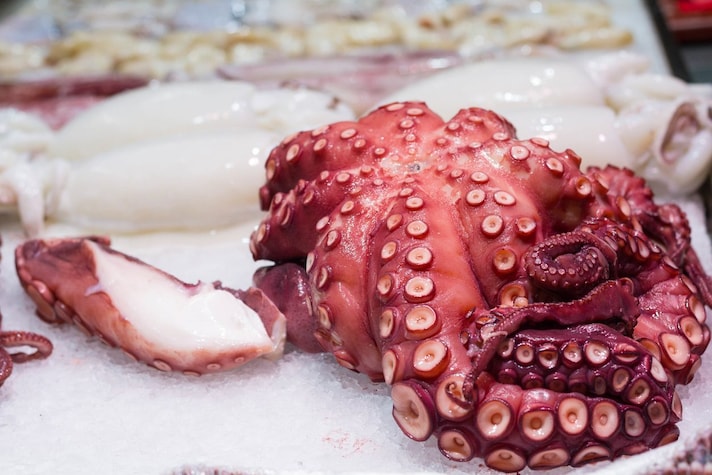
The octopus is a mollusk that is very common in the Mediterranean and is the undisputed king of the category, much loved in the kitchen for its particularly tasty flesh. Characterized by eight tentacles with a double row of suckers, it can reach considerable dimensions: the largest specimens are commercially known as octopuses. Immediately after fishing, the octopus must be pounded to break down and tenderize the tough flesh, an operation that you can see fishermen perform on piers and rocks but which is not necessary for the pre-treated specimens you buy at the fishmonger. Octopus meat, as you may have guessed, is not the most tender, and therefore requires a fairly long cooking time, around 40-50 minutes. Once softened, however, it is extremely versatile: octopus is perfect boiled to add to salads, is excellent served as a fresh carpaccio, and is delicious grilled. It also lends itself to more elaborate preparations, for example an inviting octopus ragù or a delicious pâté to spread on toasted bread.
2. Calamari

Calamari inhabits the waters of the North Sea and the Mediterranean and is characterized by the presence of an internal shell and an elongated sac ending in small tentacles. There are several varieties, both small and large, and it is an easily available shellfish that is very versatile in the kitchen thanks to its tender, fine flesh. Calamari meat is flavorful and tender, but remember that it does not need to be cooked too long or it would become rubbery. They are among the most versatile shellfish products, and can be cooked in dozens of different ways: fried calamari is an iconic and timeless dish, but they are also delicious stuffed and cooked in tomato sauce, stewed, baked, grilled, or made into a sauce for pasta.
3. Cuttlefish

With a pale, elongated body, eight small tentacles and two longer ones used for hunting, the cuttlefish is a mollusk found in the waters of the Mediterranean and the Eastern Atlantic. It has an internal shell, commonly called the cuttlebone, and a sac filled with a black liquid – cuttlefish ink – which it releases in dangerous situations to confuse predators. A light and digestible food, cuttlefish are excellent for cooking in a variety of ways. Smaller specimens can be quickly fried or grilled, while larger cuttlefish are best cooked in a stew, extending the cooking time to 20-25 minutes, which is also necessary for recipes that call for a filling. They pair particularly well with legumes, especially beans and peas, and are obviously delicious as a pasta sauce. The typical cuttlefish ink is also used, mainly to season risottos and to prepare fresh tagliatelle mixed directly with the cuttlefish ink.
4. Squid

The squid, in appearance, is almost identical to the calamari: it has an elongated body and a tuft with eight short tentacles and two very long ones (so ten in total), but it has shorter, rounded wings, joined at the end of the sac to form a heart shape. The real difference is in the consistency of the flesh, firmer and tougher in the squid, perfect for stews or slow-cooked sauces or for frying. You're spoiled for choice when it comes to cooking it: pasta with squid is a lean, light and tasty first course, squid and potato salad is perfect for a fresh and quick meal to prepare. If you want something more elaborate, try baked squid rings or squid stuffed with sauce, and for a tasty second course, breaded squid skewers are ideal.
Crustaceans
In cooking, the term "shellfish" is a generic term that includes all edible aquatic organisms that are not bony fish: crustaceans also fall squarely within this broad category. Crustaceans are invertebrates characterized by the presence of a protective shell, which becomes quite thick in larger species, jointed legs, and two pairs of antennae. They live in saltwater and freshwater and are particularly prized from a gastronomic standpoint, both for their nutritional benefits and for the delicacy and flavor of their flesh.
1. Shrimps
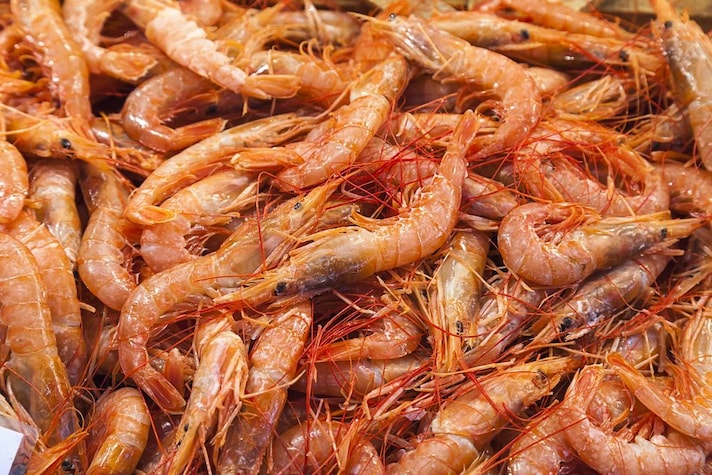
Shrimps are certainly the most loved and consumed crustaceans in the world. Belonging to the order of decapods and varying in size depending on the species, they have elongated, segmented bodies covered by an external carapace. What makes them particularly prized is their flesh: sweet and delicate, varying in shades of white and pink depending on the species. Regardless of size, they are all extremely versatile: they can be boiled, grilled, steamed, pan-fried , or fried, used as a sauce for pasta or a condiment for delicate risottos , flavored soups and sautés, used as a filling for recipes like gyoza , or even the protagonist of delicious recipes, such as fish skewers or the famous shrimp cocktail.
2. Scampi
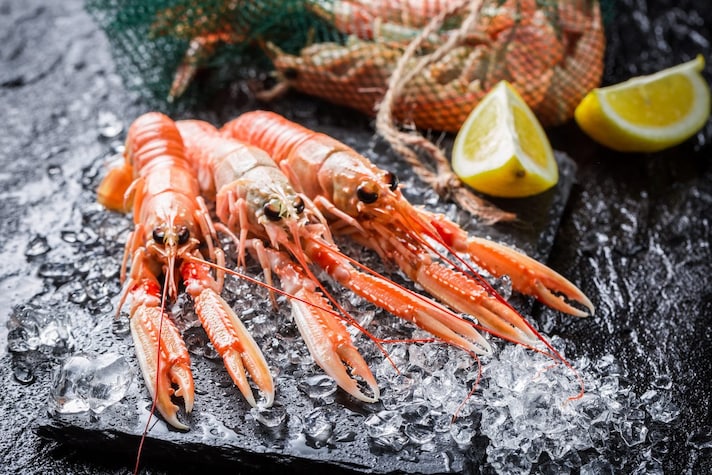
Scampi is a highly prized decapod crustacean, characterized by a slender body, a pinkish color, an elongated head, and two long, spiny claws. It is often confused with shrimp, which it closely resembles, but in general it tends to have larger, more robust bodies, with more developed chelicerae (claws). Scampi meat is considered more exquisite than shrimp; it is very tender, sweet, and delicate, which is why they are among the most prized and sought-after shellfish on the market. Linguine with scampi and risotto with scampi cream are the most beloved and iconic recipes, but they are also excellent cooked in a stew, as in the typical Trieste recipe of scampi alla busara.
3. Prawns
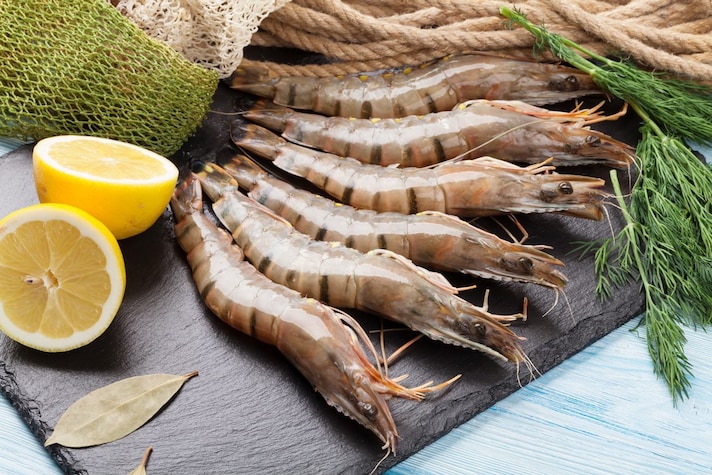
Prawns are a prized and highly prized crustacean in the Mediterranean. At first glance, they look similar to shrimp, but they're actually easy to distinguish: they're gray in color, have streaks on their backs, long, threadlike antennae, are larger (up to 20 cm), and lack the first claws. Compared to traditional shrimp, prawn meat is considered meatier, crispier, and more flavorful, which is why they're typically eaten raw, seasoned with just a drizzle of extra virgin olive oil and lemon. Prawns are also excellent cooked: they're ideal for seafood sauces and are ideal for quick cooking, such as grilling, baking, or sautéing with garlic, parsley, and deglazing with white wine or brandy. The secret is to cook them for just a few minutes (2-3 per side) to prevent the meat from becoming stringy.
4. Crawfish
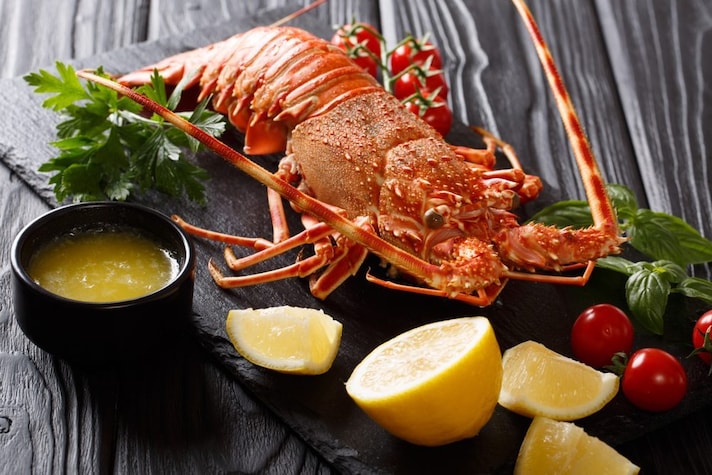
Crawfish is a large marine crustacean (especially Palinurus elephas in the Mediterranean) recognizable by its cylindrical, spiny body, reddish-brown to purple color, very long antennae, and the complete absence of frontal claws, a detail that distinguishes it from the lobster. It is one of the most beloved shellfish, with very fine, lean meat, rich in high-quality proteins, low in fat, and an excellent source of Omega-3 fatty acids. Very sweet and delicate, crawfish meat is also very soft. The most famous and delicious recipes with lobster include the classic Catalan crawfish, spaghetti with crawfish, and baked or grilled crawfish, which should be split in half and enjoyed in all its goodness.
5. Lobster
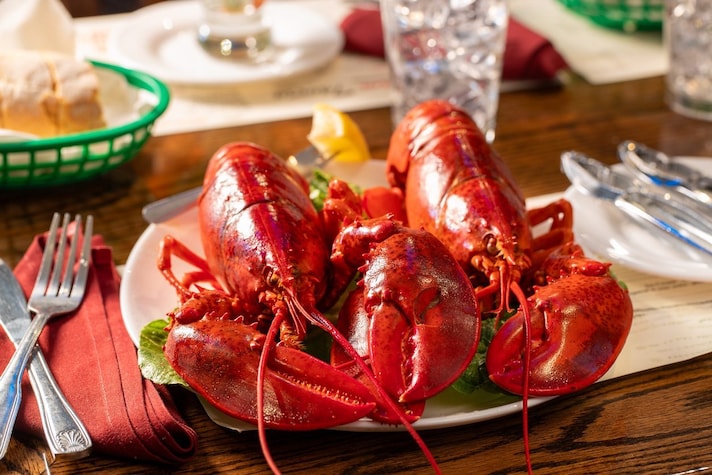
Extremely similar to the crawfish, even in terms of calories and nutrition, lobster is a crustacean particularly beloved in the kitchen. Characterized by a dark brown shell with yellow spots on the belly, it can be distinguished from the crawfish by the absence of very long antennae and the presence of claws. There are two varieties: the European lobster, with prized, firm meat and an intense flavor, and the American or Canadian lobster, with slightly softer and more elastic meat. Both species are suitable for numerous recipes , including the iconic Catalan-style lobster and the delicious lobster linguine. In the USA and Canada, it is very common to prepare a lobster roll with the American lobster , a toasted sandwich filled with iceberg lettuce leaves and the crustacean meat, previously blanched and mixed with a mixture of mayonnaise, lemon juice, sliced celery and spring onion, salt and pepper.
6. Crabs
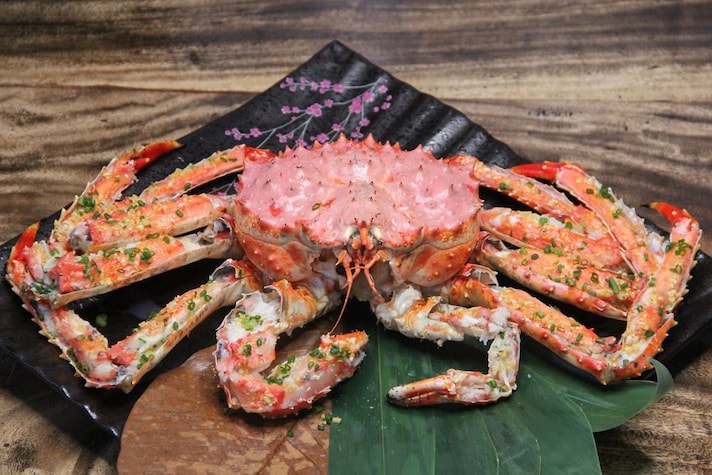
The crab family is made up of thousands of species, many of which are edible and particularly prized for their flavorful and highly versatile flesh. To best showcase them in the kitchen, it's essential to respect the delicate nature of their flesh, which requires brief cooking and is enhanced with simple ingredients like oil, garlic, parsley, and lemon. Among the most consumed crabs, the blue crab stands out: found everywhere along the American coast, it is not very large but is perfect for flavoring cooking juices, sauces, and fish soups. Lately, the European green crab, an alien species now widespread throughout the American oceans, has also been frequently found on the table. Its very sweet and flavorful flesh is excellent boiled or used to season pasta dishes. Two species, however, are particularly prized: the spider crab, with its delicate, marine flavor, and the gigantic (and very expensive) king crab, the royal crab of the North Sea. Both are eaten boiled or steamed and seasoned simply with a squeeze of lemon.
Echinoids: Sea Urchins
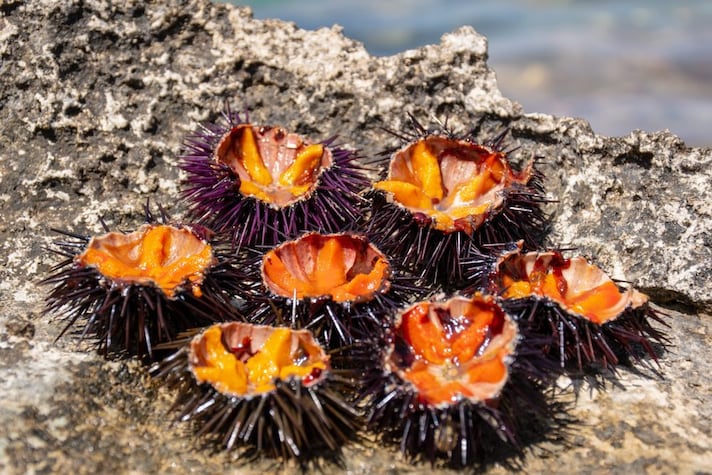
Echinoids, better known as sea urchins, belong to the large category of echinoderms, a large group of marine animals divided into five classes, most of which are inedible. Echinoids, however, are not only edible: they are exquisite and extremely delicious. Sea urchins, in fact, are among the most sought-after shellfish, although fishing is prohibited or severely limited to protect the species and the marine ecosystem. These marine invertebrates are characterized by a distinctive, rigid calcareous shell covered with movable spines and are divided into two main groups: regular spherical shapes and irregular flat shapes. The edible part is inside: the gonads (often incorrectly called "eggs"), which range in color from orange to coral red.
Of the more than 800 existing species of sea urchin, only a handful are edible, particularly prized for their intense flavor, especially enjoyed raw. Among the best-known edible species are the Paracentrotus lividus, the female sea urchin typical of the Mediterranean and identified by its purple or brownish color; the giant red sea urchin, widespread and fished along the coasts of the North Pacific Ocean; the white sea urchin, typical of the Caribbean and the Gulf of Mexico; and the green sea urchin, widespread in the cold seas of the North Atlantic and Pacific and particularly prized for the sweetness of its flesh.
Inedible (or Edible, But With Reservations) Shellfish
Sea urchins are a rarity in the world of echinoderms and hexacorals: although both are fully-fledged shellfish, most are inedible or partially edible species. Echinoderms, in addition to sea urchins, include other organisms such as starfish, sea cucumbers (holothurians), and sea lilies. They possess a robust endoskeleton (dermaskeleton) made of calcareous plates embedded under their skin, often covered with spines or prickles, and are fundamental animals for marine ecology: they live in close contact with the seabed (or burrowed into it), playing a crucial role in cleaning and maintaining the balance of ecosystems.
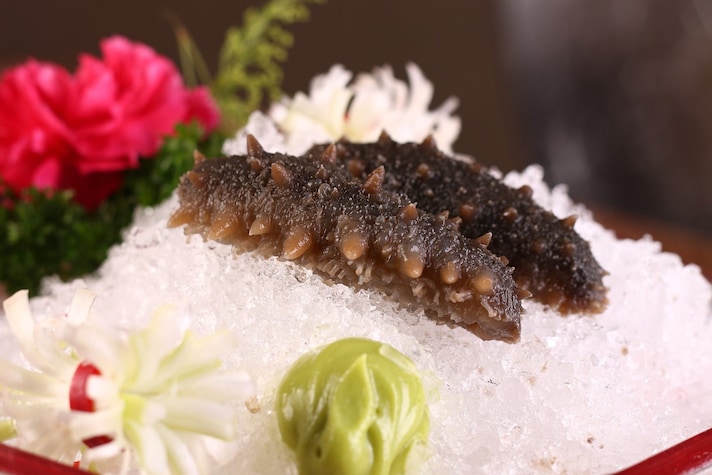
As already explained, some types of sea urchins are edible, but many others have inedible flesh. Starfish are also not eaten, while sea cucumbers deserve a small mention: sea cucumbers, as they are actually called, are very common and considered a delicacy in Asian cuisine, where they are eaten fried or dried (often called trepang). However, edible species are few and easily confused with others that are highly toxic and inedible to humans. Furthermore, these animals are veritable "scavengers" and can absorb viruses, bacteria, and toxins. In much of Europe, harvesting sea cucumbers is strictly prohibited to protect marine ecosystems, as these animals are essential for cleaning the seabed.
Hexacorals, on the other hand, are a subclass of Cnidaria (the same family as jellyfish and anemones) that includes most reef-building corals and sea anemones (actinia). Again, almost all species belonging to this group are inedible. As you might imagine, corals are clearly not fit for consumption: they are not single, complex organisms but colonies composed of thousands of small polyps (note, not octopus, the words are not synonyms) that often secrete an external skeleton of calcium carbonate. When the polyps die, the skeleton remains, forming coral reefs over the course of millennia.
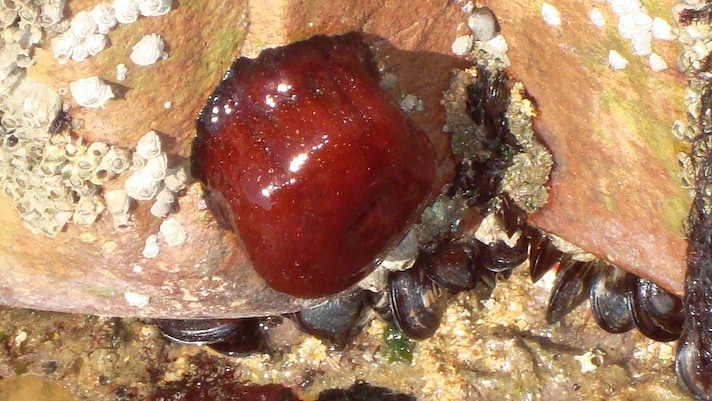
Sea anemones, are marine invertebrates belonging to the Anthozoan class, closely related to corals and jellyfish. They live anchored to rocks and have stinging tentacles that they use to capture prey. Some species, in this case, can be eaten, but never raw. If not handled by experts, the tentacles can cause dermatitis, irritation, and pain. The most famous example is sea tomatoes, anemones with delicate flesh and an intense seafood flavor. They are edible shellfish, but it is very difficult to consume them because the tentacles are highly stinging and must be cleaned thoroughly to avoid problems. In fact, they remain a very rare and niche product, linked only to a few specific regional traditions.