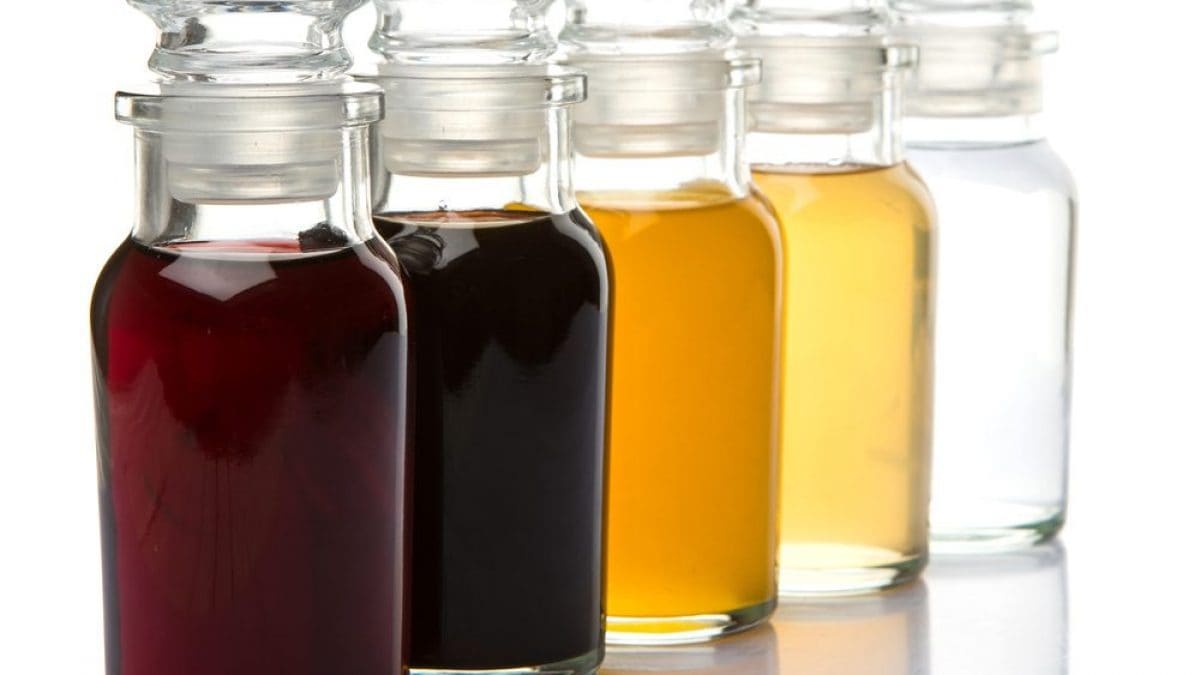
When we talk about vinegar, the immediate reference is still wine or, at most, balsamic vinegar. It's an understandable, but reductive, simplification. In reality, vinegar is one of the oldest and most universal expressions of fermentation, present in almost all food cultures around the world. The raw materials, climates, and daily practices change, but the principle remains the same: transforming a sugary source into a preservative and a characterful ingredient. Alternative vinegars, increasingly present in Western cuisine today, are not a recent fad, but the rediscovery—and sometimes reinvention—of deeply rooted traditions.
To get your bearings, it can be useful to distinguish between more classic vinegars, now an integral part of home and professional cooking, and more particular or alternative vinegars, often less well-known but extremely interesting from an aromatic and cultural point of view.
The Most Classic and Widespread Vinegars
These are the vinegars that most easily recur in everyday cooking and Western tradition: some are the mainstays of condiments, others are practical pantry staples. They share familiarity, availability, and a wide range of uses, from salads to marinades, from preserves to sauces.
1. White and Red Wine Vinegar
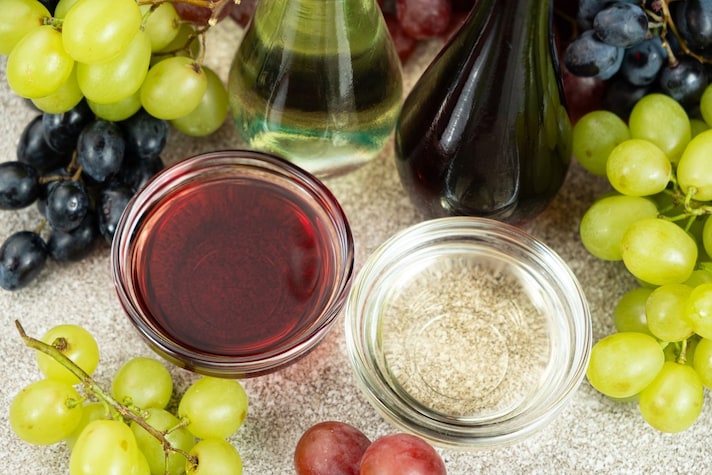
It's the great Mediterranean and European classic, often referred to in popular imagination as "the vinegar flavor." The white is fresher and more linear, perfect for salads, vegetables, and pickles; the red, more pungent and structured, pairs well with marinades and bold vinaigrettes, especially with meats and legumes. What really changes the quality here are the grapes and the processing: there are vinegars from prestigious grape varieties and regional versions (like sherry or champagne), which in the kitchen function almost like a wine, chosen with care.
2. Balsamic Vinegar
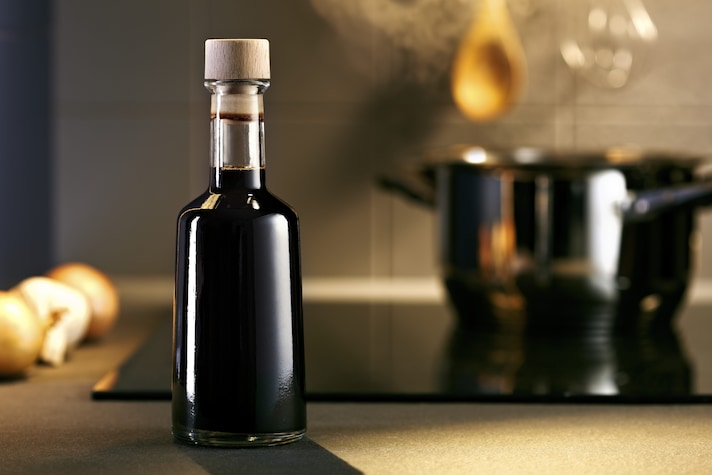
It's an Italian symbol and, at the same time, a gastronomic specialty: balsamic vinegar is not just a vinegar, but a balance of sweetness and acidity created with cooked must and over a long period of time. Traditional balsamic vinegar, aged for years in various barrels, is a condiment to be used as one would a precious spice: a few drops on meats, cheeses, roasted vegetables, strawberries. The more common balsamic vinegar, on the other hand, remains an everyday all-rounder, useful for salads and quick reductions, and capable of giving "roundness" even to fish dishes like tuna or swordfish.
3. Apple Cider Vinegar
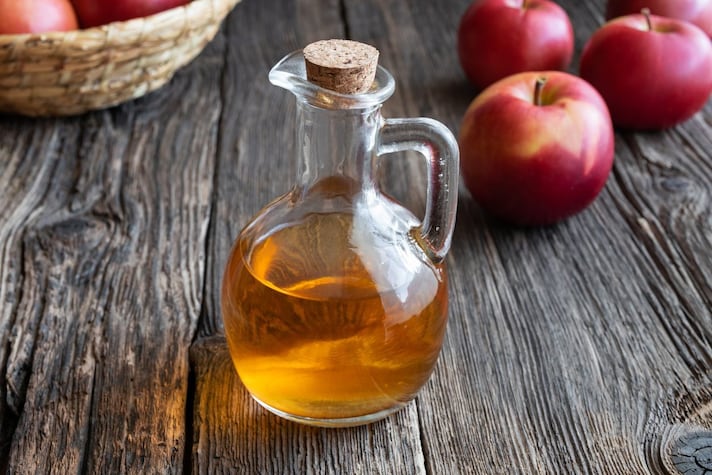
Among fruit vinegars, apple cider vinegar is the most common in households: fruity, smooth, and less aggressive than wine vinegar. It pairs well with salads, delicate marinades, and many sweet and sour dishes that require balance rather than punch. In recent years, beyond home consumption, it has been experiencing a "quality" revival: when derived from well-crafted ciders or specific varieties, it becomes more complex and interesting, and is also finding its way into contemporary cuisines seeking clean, fragrant acidity.
The Most Unusual and Alternative Vinegars
Here we find vinegars that speak of other geographies and other raw materials: Asia, Northern Europe, tropical regions; or artisanal products that transform fruit, honey, and grains into increasingly distinctive condiments. Some are ancient in their native cuisines, others are "new," especially to us, having recently arrived in Western pantries or because they are now being valued gastronomically.
1. Rice Vinegar
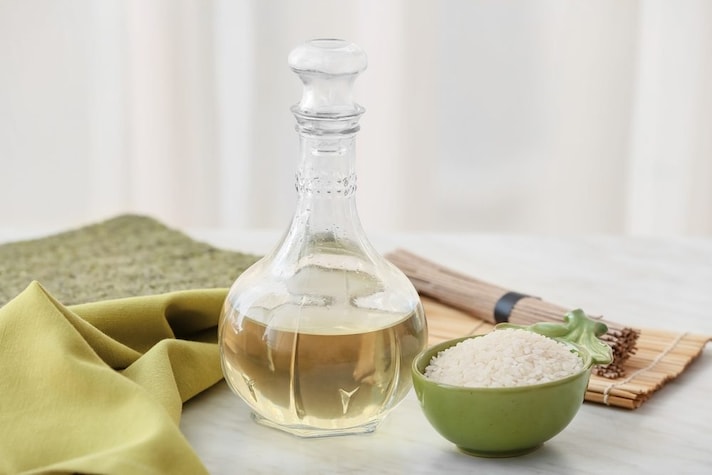
In Chinese, Korean, and Japanese cuisines, rice vinegar isn't an alternative, but a base. Rice vinegar often has a gentler acidity and a more subtle profile, making it ideal for adding a punch without overpowering. It's essential in sushi rice, accompanies sashimi and condiments, and in China often appears alongside dumplings and stir-fries. The variations— light, red, dark —truly change the result: some are more pungent, others more complex and profound. In the West, it has become popular precisely because it allows for "precise" and clean cooking, especially with fish, vegetables, and light sauces.
2. Black Vinegar
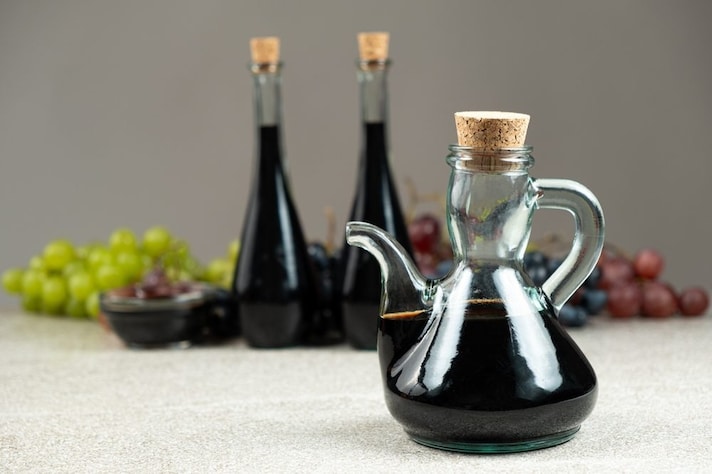
Linked to the fermentation of brown rice, black vinegar is a gem of Chinese and Japanese tradition. It's often paired with kurozu, a special product obtained from the long-term fermentation (months or years) of brown rice (genmai), water, and koji, with a dark color and a rich, malty flavor. It's not a "sour" vinegar: it's deep, dark, almost umami, and this changes the way it's used. Traditionally, it accompanies steamed ravioli and is excellent when you want to replace the idea of a soy-based sauce with something more complex and rounded. In contemporary cuisine, it can be surprising with mushrooms, eggplant, fatty meats, or in sauces that seek depth rather than edge.
4. Malt Vinegar
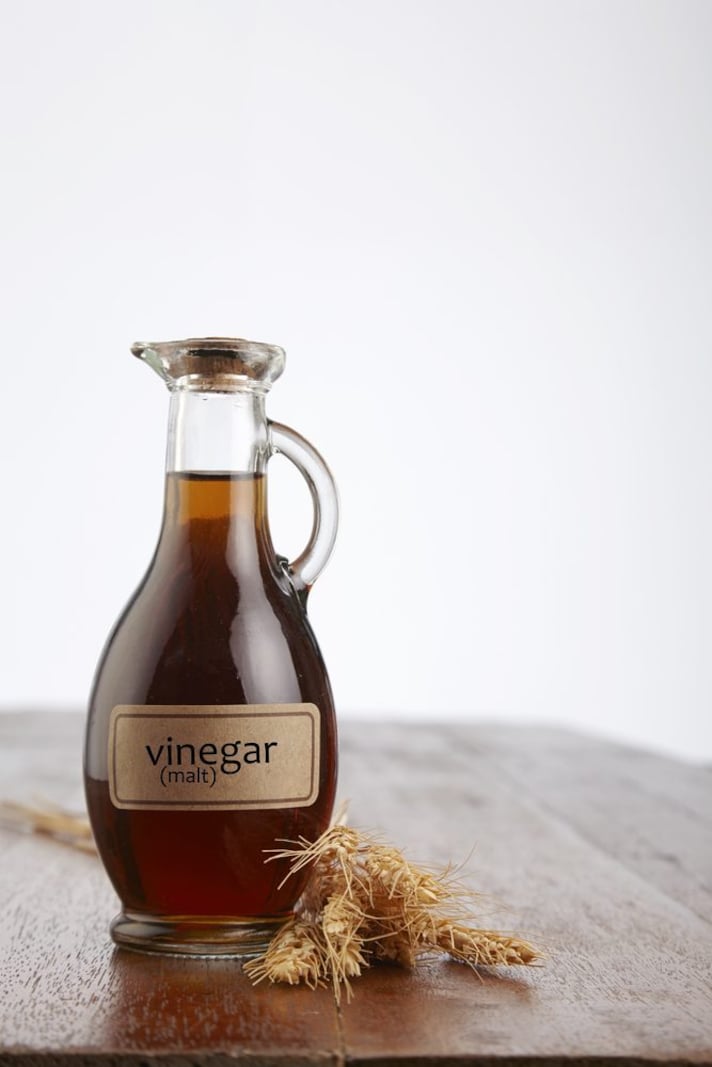
Made from the fermentation of barley malt, it's typical of Central Europe and also much loved in the Anglo-Saxon world. Dark, full-bodied, with a slightly sweet and aromatic note, it's the classic accompaniment to fish and chips, where vinegar isn't a detail but a cultural gesture. Outside of that context, it's an excellent way to give structure to legumes, potatoes, cabbage, and "rustic" dishes that benefit from a warm, not too sharp, acidity.
5. Beer Vinegar

It's a close relative of malt vinegar, but the presence of hops gives it a more decisive and personal touch. This is precisely why it requires moderation: it works very well when treated as an aromatic drop, not as a generous condiment. It goes very well with raw meats and tartare, because it adds character without overpowering the ingredient. It can also give a twist to a mixed salad or grilled vegetables, always with a light touch.
6. Honey Vinegar
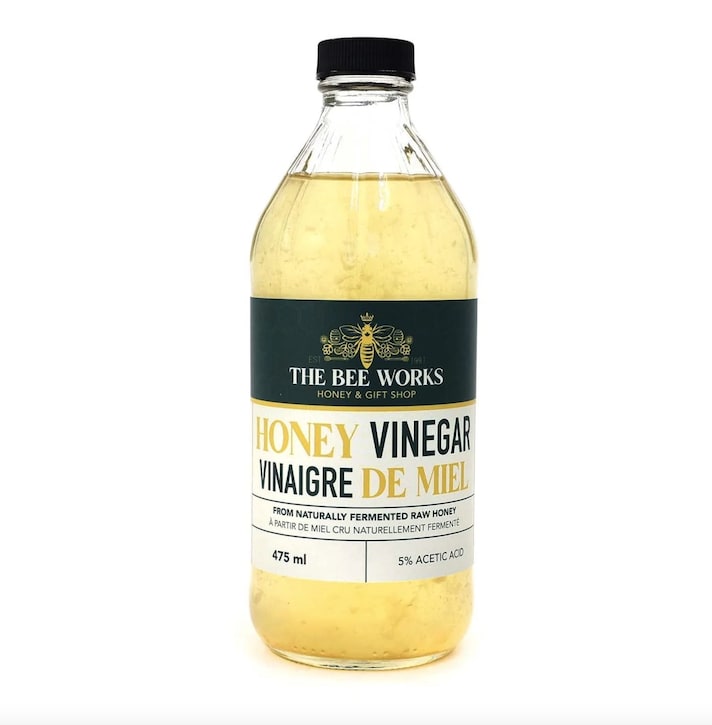
Rare, often found through small beekeepers, honey vinegar has an ancient history and a surprisingly delicate profile: light in color, delicate in aroma, and naturally sweeter in flavor. It's perfect for all preparations where the sweet and sour flavor must be elegant and not overpowering: salads with fruit and dried fruit, glazed roasts, and sauces for white meats or pork. In recent years, it has also been rediscovered in culinary terms, precisely because of its ability to "cut" without sharp edges.
7. Pear and Other Fruit Vinegar
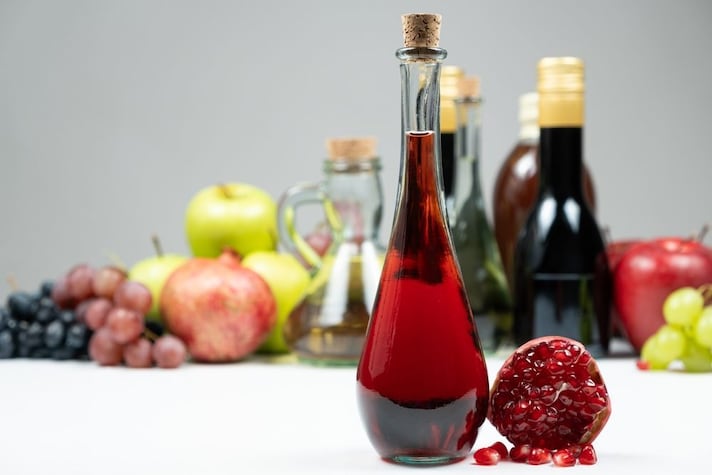
Pear vinegar is more delicate and fragrant than you might expect, which is why it's best enjoyed raw. It can be used to season salads, complemented roasts, and added an elegant fruity note to dishes where acidity should be kept in the background. It's a "balanced" vinegar, ideal when you want freshness without being aggressive.
Besides apples and pears, a whole world of vinegars made from other fruits has been experiencing a real renaissance in recent years, thanks primarily to artisanal producers who pay attention to the quality of the raw materials and the fermentation times. Among the most widely used and appreciated are those made from red fruits, such as raspberry, blackcurrant, pomegranate, and strawberry. These vinegars bring freshness and a slightly floral note that work beautifully on delicate salads, spring vegetables, and white meats, but also pair well with fresh or goat cheeses.
Cherry and plum vinegars are also very popular , darker and deeper, with a naturally sweet and sour note that makes them ideal for accompanying pork, light game, or roasted vegetables, where the acidity needs to interact with the caramelization. Fig vinegar, intense and enveloping, is particularly appreciated in gastronomy for its ability to balance rich dishes: a few drops on terrines, foie gras, cured meats, or aged Parmesan are enough to create contrast and depth.
Alongside these, there are also more delicate vinegars, such as apricot or peach, used primarily raw to add a sunny, fragrant note to salads, vegetable dishes, and, in some cases, fruit-based desserts or light creams. In all these cases, the rule remains the same: minimal doses and final use, because the goal is not to overpower the dish but to brighten it, offering brightness and complexity without resorting to lemon or more aggressive acidity.
8. Cider Vinegar
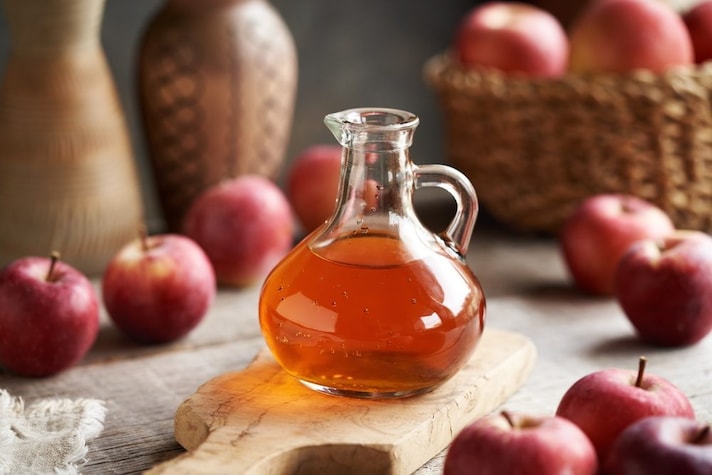
Often confused with generic apple cider vinegar, when made from dry, distinctive ciders it can actually have a complexity closer to a vinous vinegar, but with a fruity signature. It is rooted in areas where cider is a culture – from Northern France to parts of Spain and Northern Europe – and in the kitchen it works very well with pork, cabbage, fatty fish, and preserves: it is the vinegar that provides acidity with a certain roundness, without being harsh.
9. Cereal Vinegar, From Sorghum to Barley
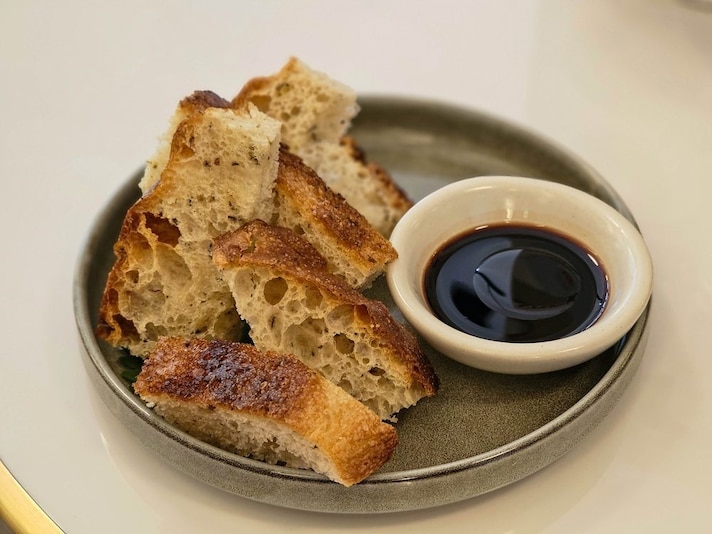
Besides malt and rice, which are more common in the U.S., there are many vinegars made from grains such as sorghum, barley, or wheat, characterized by dark, toasted, and deep flavors. In many Asian cuisines, these vinegars are traditional and everyday, used for centuries to accompany dumplings, braised dishes, and rich preparations, where the acidity must support the flavor without overpowering it. Long fermentations develop distinct umami notes, with hints of malt, toasted bread, and sometimes smoky nuances.
Their "novelty" in the West lies in the conscious use they are now being made of: they are ideal vinegars when you're looking for complexity rather than contrast. They work particularly well with meats, mushrooms, bitter vegetables, and structured sauces, and are a valid alternative to wine or lemon when you want to build depth without introducing overly aggressive acidity.
10. Coconut Vinegar
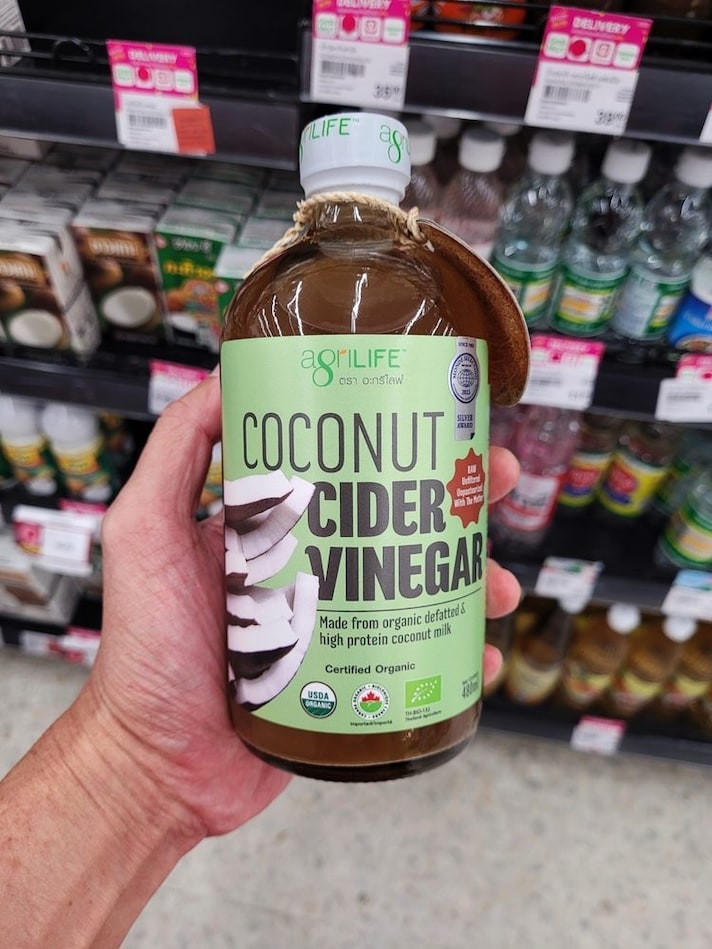
Made from the fermentation of coconut blossom sap, coconut vinegar is a common ingredient in some Southeast Asian cuisines, particularly in the Philippines. It has a smooth, often slightly sweet character and lends itself well to marinades and dips, especially with fish and vegetables. In the West, it's perceived as a novelty, but it's more accurate to say it's a late import: today, it's also used in contemporary settings to add freshness to tropical dishes, fruit salads, or light sauces.
;Resize,width=767;)
