Anise is one of the most unique and versatile plants found in nature. It's a versatile ingredient in the kitchen, used primarily in baked goods and desserts, especially biscuits. It's an incredible natural remedy with a long medicinal history and an excellent support for the body, so much so that it's almost always present in infusions and herbal teas. Sweet and aromatic, anise has become irreplaceable over the centuries and has spread throughout the world, so much so that many cultures have even used it to prepare delicious liqueurs. Be careful not to confuse anise with star anise, however: although they have a similar name and flavor, they are two different plants with many differences.
Let's discover together the reasons why anise should never be missing from your pantry, all the ways it can be useful, and how to use it in the kitchen to make the most of its excellent flavors.
What is Anise?
Anise refers to the seeds of an annual herbaceous plant, Pimpinella anisum, which belongs to the Apiaceae family, the same as parsley, fennel, and carrots. It is native to western Asia and the eastern Mediterranean but is now cultivated throughout the world, including in the U.S..
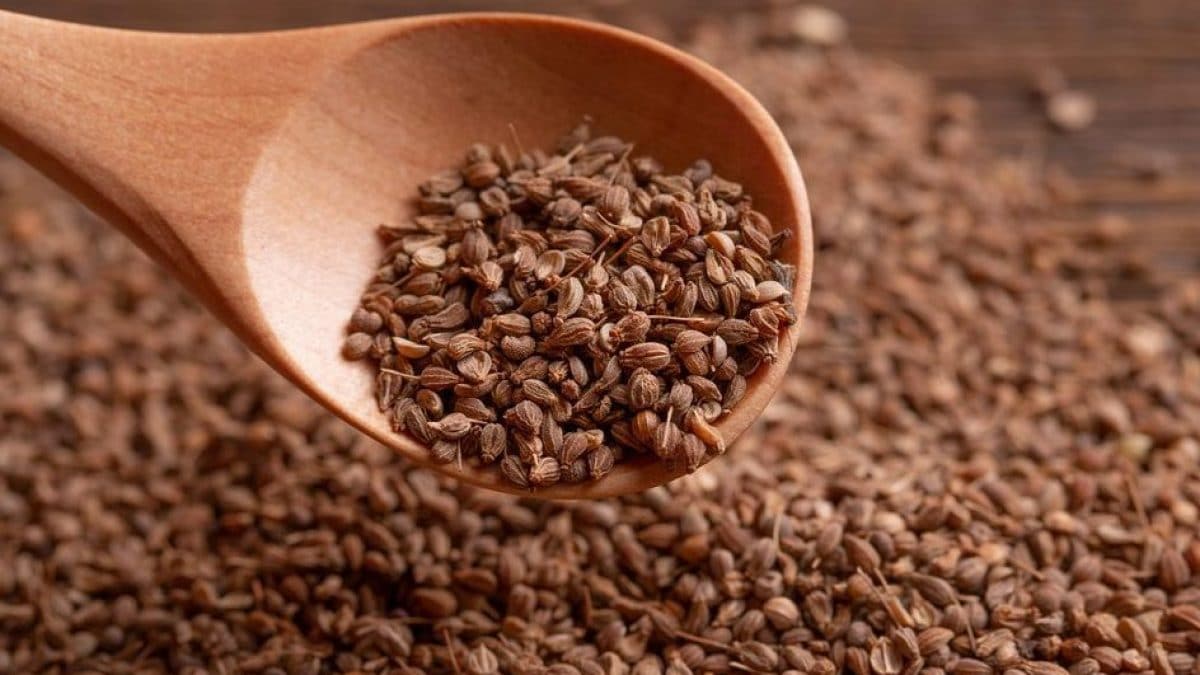
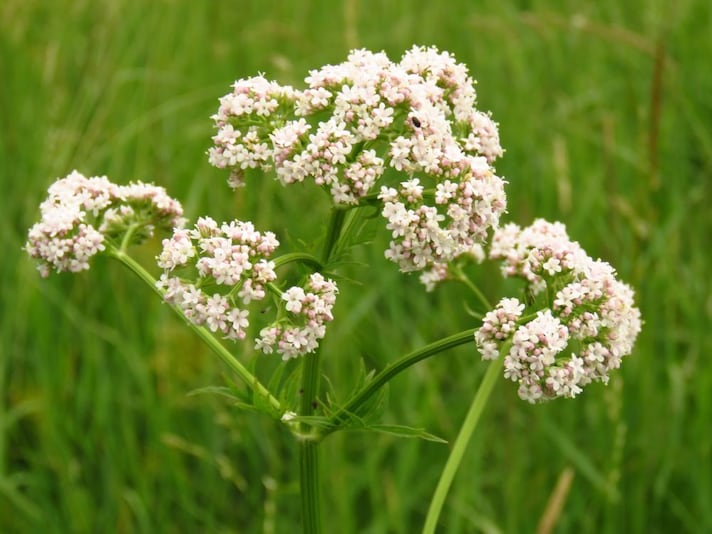
The most commonly used part is the small seeds produced by its white, oval, grayish-green flowers. Inside them lies the essential oil that gives anise its characteristic sweet, liqueur-like aroma. The seeds are generally harvested fully ripe, then dried and stored in airtight containers to preserve their aroma.
Anise has a millennia-old history and has been known since ancient times for its aromatic and medicinal properties. Several accounts show that the ancient Egyptians used the plant for healing purposes, while the Greeks and Romans knew it primarily for its culinary properties, although it also had therapeutic uses.
It's no coincidence that anise's cultural impact extends far beyond its practical uses. Many cultures have imbued this plant with meaning, and over time it has become a symbol of protection against the evil eye and used in pagan rituals to attract happiness and abundance.
Other Types of Anise
The generic name of anise includes several plants that have no botanical relationship, but are united by the very similar aroma of their seeds or fruits.
- Green or common anise (Pimpinella anisum). Green or common anise is the most well-known type and is the one we're talking about. Its light brown seeds have a sweet, slightly spicy flavor with hints of licorice. It's commonly used to flavor cakes, bread, biscuits, liqueurs, and hot drinks. It's also used in the preparation of pharmaceuticals and cosmetics.
- Star anise (Illicium verum). Native to China, star anise is a dried fruit shaped like an eight-pointed star. Its flavor is more intense and slightly spicier than that of green anise, with notes of cinnamon and cloves. It is widely used in Chinese cuisine, where it is used to flavor both savory and sweet dishes. It is also an essential component of spice blends such as Chinese five-spice.
- Pepper anise (Zanthoxylum piperitum). Native to East Asia, pepper anise is a black or dark red berry. Its flavor is very intense, spicy, and slightly citrusy. Not to be confused with Sichuan pepper (also called Hua Jiao): it belongs to the same family as pepper anise, but is a different species. Pepper anise is used primarily in Asian cuisine, where it is added to hot and spicy dishes. It is also used to flavor oils and vinegars.
Properties, Benefits and Contraindications
Aromatic, fragrant, and rich in essential nutrients, anise is a plant with many properties that can truly be a health ally. The seeds are primarily used to treat digestive disorders such as bloating, gas, and colic, but they are also used as a powerful antispasmodic and anti-inflammatory.
Anise is an excellent source of essential vitamins, especially B-complex vitamins but also antioxidant vitamins such as C and A, and contains many minerals including calcium, copper, potassium, iron, manganese, magnesium, and zinc.
By studying these components, experts have highlighted how anise seeds have antioxidant, antibacterial, antifungal, anticonvulsant, analgesic, and antiviral properties. Because of these many functions, anise seeds are widely used in therapeutic applications, but also in cosmetics: essential oils are often incorporated into skin and body care products.
Anise is a natural product, but it is highly concentrated, which is why it should be used with caution, especially if taken for therapeutic purposes. While it poses no particular problems in cooking or as a cosmetic, it can cause medical side effects such as nausea and convulsions if taken in excessive quantities. Therefore, before using anise as a therapeutic remedy, it is advisable to consult a healthcare professional.
How to Use Anise in Cooking
In flavor, anise may be reminiscent of licorice, although it maintains its own distinct identity characterized by fresh, herbaceous notes. Anise seeds are very concentrated, so remember to use only a few: you must add them sparingly, otherwise the flavor is too strong.
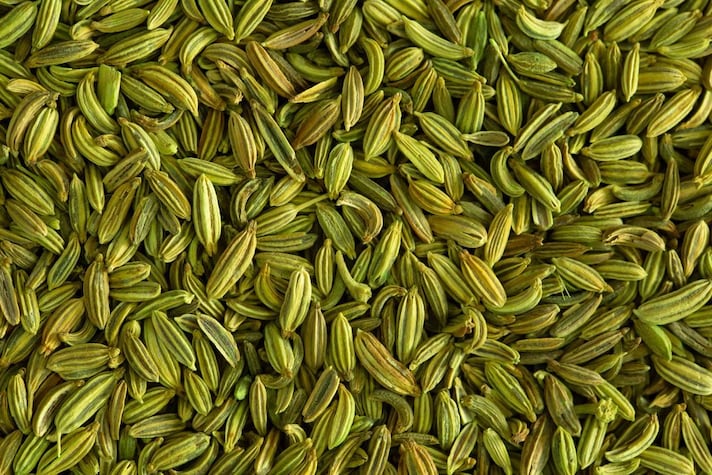
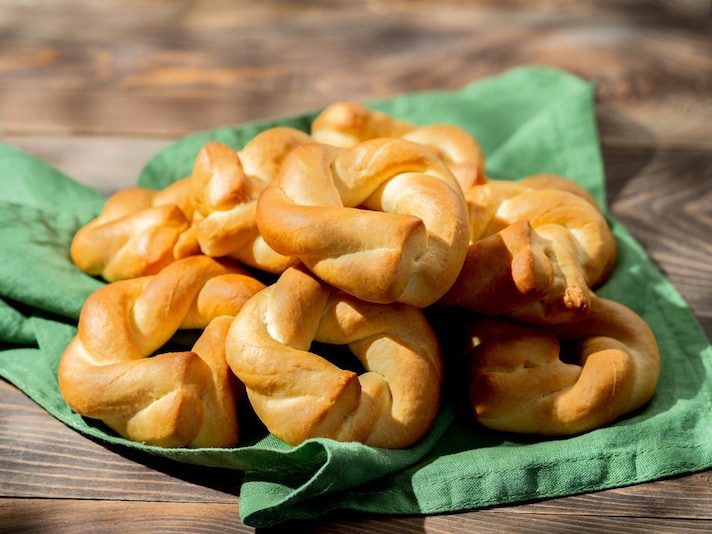
Anise is generally used primarily in bread making —for example, anise seed bread is a traditional recipe from South Tyrol—and in baked goods such as classic anise biscuits. They can be added alone to the dough or combined with other spices: they pair particularly well with fennel, cumin, cinnamon, and cardamom.
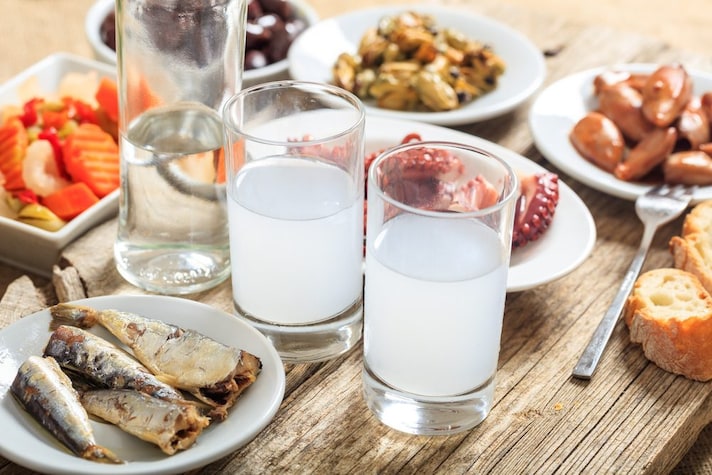
The particular sweetness of anise makes it ideal for obtaining an essential oil with many uses: it is used for particular traditional recipes such as mountain sugar biscuits or for the production of various alcoholic drinks, including Greek ouzo, French pastis and the iconic absinthe, the symbolic drink of 19th century bohemian France.