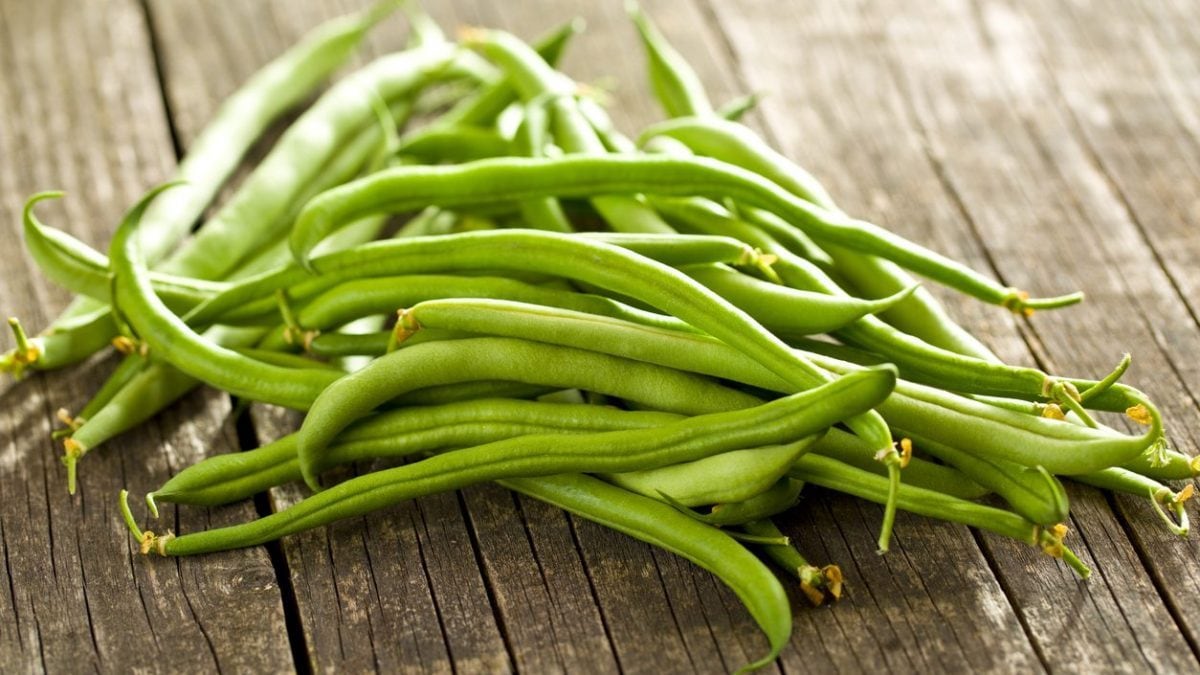
The undisputed stars of our summer side dishes, green beans lend themselves to a thousand different culinary uses: from classic fresh or warm salads, dressed with extra virgin olive oil and lemon juice, to the most delicious and crunchy gratin dishes, they demonstrate great versatility and flavor. Yet, despite their immense popularity and undisputed appreciation, also for their countless beneficial properties, there is still some confusion regarding their classification: are they vegetables or legumes? How should we consider them and consequently include them in our diet?
To resolve the dilemma once and for all and understand how to best enhance them in our menus, we asked for help from Dr. Simone Gabrielli, biologist and nutritionist.
Are Green Beans Legumes or Vegetables?
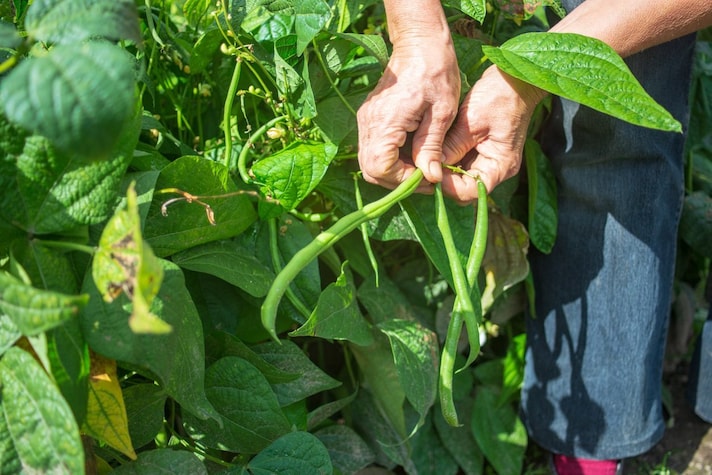
The answer may surprise many, but from a botanical point of view, green beans belong to the Leguminosae family, the same as beans, chickpeas, lentils and peas: they are, in fact, immature pods of the common bean plant (Phaseolus vulgaris).
However, when it comes to nutrition and nutritional composition, things change, and these are generally classified as vegetables. The fundamental difference lies in the time of harvest: "Green beans are picked from the plant while still unripe. This means the pod is green and hydrated, while the seeds inside are tiny and have not yet formed," explains Gabrielli.
With traditional beans, however, we wait until the seed is ripe, dense, and concentrated. This difference completely changes the nutritional structure of the two foods. In other words, despite belonging to the same botanical family, green beans and kidney beans are very different foods, requiring different contextualization. Green beans have very similar characteristics to other vegetables such as zucchini, asparagus, and eggplant: low in calories and high in water, they are low in carbohydrates and very low in protein, while being exceptionally rich in vitamins and minerals.
Green Beans Vs. Kidney Beans: Nutritional Properties Compared
To fully understand the characteristics of green beans, it's helpful to compare them with their "big brothers," fully ripe beans. One of the most obvious aspects concerns their energy content.
One hundred grams of green beans provide just 24 calories, identical to that of zucchini or asparagus. "If we take the same amount of fresh beans, the calories rise to around 130-140, more than four times as many. If we then talk about dried beans, we go over 300 calories. It goes without saying that the energy impact on the plate is completely different," our expert emphasizes.
This data explains why green beans can be freely consumed as a side dish, while ripe legumes represent a source of energy in their own right, rich in both vegetable proteins and complex, slow-release carbohydrates.
The main nutritional difference is related to the amount of water and carbohydrates. Green beans are over 90 percent water and contain only about 2.4 grams of carbohydrates per 100 grams. Mature beans, on the other hand, have much less water and provide over 22 grams of carbohydrates per 100 grams.
"Ripe beans store energy in the form of complex carbohydrates, while green beans remain light and watery, like a salad," Gabrielli continues. This makes green beans particularly suitable for low-calorie or weight-loss diets.
Even when it comes to protein, there's no competition. Fresh beans contain about 10 grams per 100 grams (more than 20 grams for dried beans), which is why legumes are consumed as a plant-based protein source. Green beans, on the other hand, contain just 2 grams of protein, a respectable amount for a vegetable, but far too low to be considered a substitute for meat, fish, eggs, or other true legumes.
Finally, there's the issue of fiber and micronutrients. Both are rich in these, but green beans contain many more minerals and vitamins typical of fresh vegetables, such as vitamin C —which is absent in dried beans—and a very high water content that contributes to daily hydration.
Do Green Beans Contain Antinutrients?
When discussing legumes, the topic of phytates and antinutrients often comes up. In classic, mature legumes, such as dried beans or chickpeas, we find a significant amount of phytic acid. Phytates are known to be true mineral "sequesterers": they bind to the iron, calcium, and zinc contained in the meal, preventing their absorption.
For this reason, dried legumes require long soaking times and prolonged cooking, processes that help reduce the content of these substances and make the food in question more digestible.
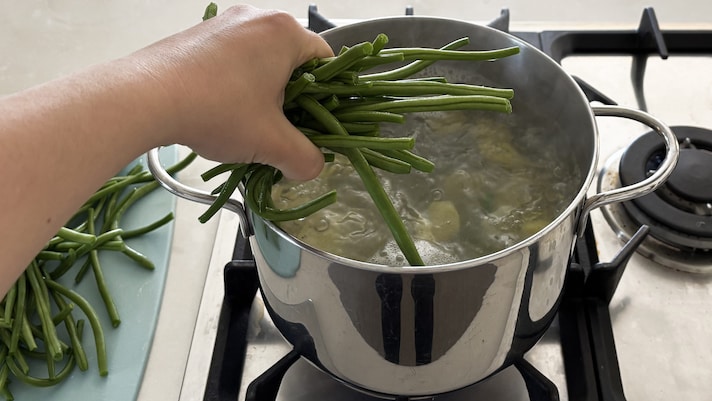
In the case of green beans, however, the situation is very different. "Because they're harvested when the pod is still green and tender, their phytic acid content is practically negligible. They don't need to soak for hours before they're eaten; a quick blanching in water is enough," concludes the expert.
How to Include Green Beans in Our Dishes
From a practical standpoint, green beans should be considered a vegetable in their own right and therefore eaten as a side dish, accompanying a main course of meat, fish, eggs, tofu, or tempeh. They can be added to salads made with lettuce, spinach, or lamb's lettuce, along with other raw vegetables—such as carrots, cherry tomatoes, and cucumbers—and topped with a protein source of your choice, such as Greek feta, primosale, tuna fillets, or smoked salmon.
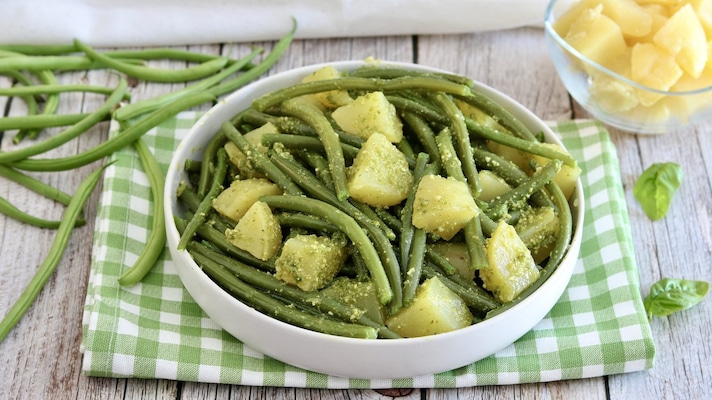
You can make a delicious potato salad, enjoyed cold or warm, topped with cottage cheese, or another fresh cheese of your choice, cherry tomatoes, and grilled zucchini (don't forget a teaspoon of pesto alla Genovese or alternatively, chopped fresh herbs like mint or basil). You can add them to a rice, salmon, and avocado poke bowl, add them to a seasonal vegetable soup with boiled legumes, parmesan shavings, and croutons, or include them in grain salads or in cold couscous to take with you to the office or the beach.
Low in calories—just 24 per 100 grams—and over 90 percent water, they increase the feeling of satiety without significantly impacting the energy intake of a single meal or the day. Exceptionally rich in fiber, they aid intestinal transit, counteracting constipation and bloating, and can be safely consumed by those following a weight-loss diet or by those watching their figure.
To preserve vitamin C and minerals like potassium and magnesium, it's best to avoid cooking them for a long time or in large quantities of water. It's best to blanch them briefly, leaving them slightly crunchy and al dente, then steam them for up to ten minutes or quickly sauté them in a pan with a drizzle of extra virgin olive oil, a splash of water, and a few cherry tomatoes.
;Resize,width=767;)
