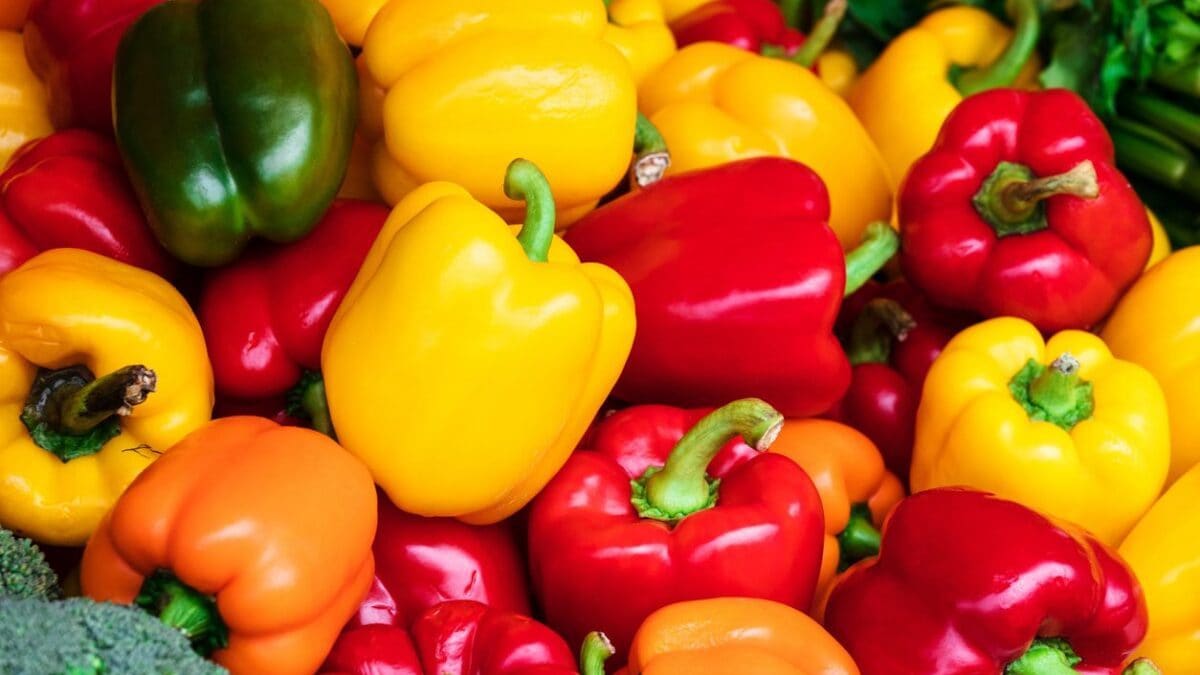
Colorful, fragrant, and the undisputed protagonists of summer tables, bell peppers are among the most beloved and used vegetables in our gastronomic tradition. Their unmistakable flavor, meaty texture, and intoxicating, summer-inspired aroma make them ideal for a thousand and one different recipes. Beyond their undisputed goodness, these versatile vegetables—the fruit of a plant (Capsicum annuum) belonging to the Solanaceae family, the same as tomatoes, eggplants, and potatoes—offer extraordinary benefits for the body: extremely rich in vitamin C—in quantities even higher than citrus fruits—they contain a high amount of water, fiber, and antioxidants.
Exceptionally low in calories, with about 22-30 calories per 100 grams depending on the color, they're the best way to stay fit during the hot season without sacrificing flavor. But how do they fit into a balanced diet? Are there nutritional differences between the various types, and is it better to eat them raw or cooked to fully benefit from vitamins and minerals?
We find out together with our trusted expert, biologist and nutritionist Simone Gabrielli.
Bell Peppers' Nutritional Values
From a nutritional standpoint, peppers are characterized by their light and hydrating profile: with just 22-30 calories per 100 grams – red ones are slightly more caloric than green ones because they are richer in simple sugars – they can be considered true "featherweights".
They contain over 92 percent water, making them an exceptional hydrator and diuretic. They are extremely rich in vitamin C: just think that a raw red pepper contains up to three times the amount of an orange, and eating half a portion is enough to cover your daily requirement. Vitamin A and beta-carotene, precious molecules with powerful antioxidant and protective properties, are also present in large quantities, especially in red and yellow varieties.
Among the minerals, potassium stands out, important—even more so during the summer—for the proper functioning of the main vital functions of the human body, such as nerve impulses, muscle contraction, osmotic pressure, acid-base balance, and water retention. Phosphorus, magnesium, and calcium also play a key role. Finally, fiber, present in moderate amounts, is excellent for intestinal health.
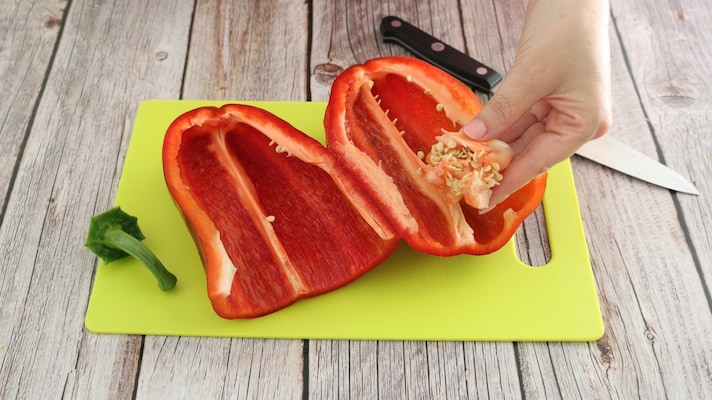
Nutritional Differences Between Yellow, Red and Green Bell Peppers
Even though they belong to the same species, bell peppers are not all the same and their color reveals their stage of ripeness and chemical composition:
- Green bell peppers: These are actually vegetables harvested before they are fully ripe; they have a more pungent, slightly herbaceous flavor, a minimal sugar content and a higher concentration of solanine;
- yellow bell peppers: harvested at mid-ripeness, they are sweet, tender and particularly rich in carotenoids (such as lutein and zeaxanthin), which are valuable for eye health;
- Red bell peppers: These have reached full maturity on the plant; they are the sweetest, have a slightly higher dose of simple sugars and boast the highest levels of vitamin C and beta-carotene.
Bell Peppers' Properties and Benefits
Regularly including these delicious vegetables in our summer menus brings substantial long-term benefits:
- Exceptional source of vitamin C: A single raw red bell pepper contains up to three times the vitamin C of an orange. This essential vitamin helps fight cell damage, protect the skin and joints from aging, and support the immune system.
- vision protection: thanks to the richness of carotenoids (such as lutein and zeaxanthin), especially in yellow peppers, they protect the retina from damage caused by light and prevent eye aging;
- deep hydration: composed of over 92 percent water, they are excellent for replenishing liquids lost through sweating, especially during hot summer days, and for stimulating diuresis;
- weight control support: low-calorie foods (providing just 22-30 calories per 100 grams) and with a high water volume, offer a high satiating power, perfect for those following a slimming diet or are simply careful about maintaining their ideal weight;
- blood pressure regulation: the excellent quantity of potassium helps regulate body fluids, combat muscle fatigue and keep blood pressure under control;
- cholesterol control and intestinal health: the fibres present in moderate quantities promote intestinal transit, nourish the microbiota and help keep cholesterol under control;
- antioxidant and anti-aging action: the synergy between vitamin A, vitamin C, beta-carotene and polyphenols counteracts the action of free radicals, protecting cells from premature aging.
Bell Peppers' Contraindications
Despite their exceptional nutritional profile, peppers can be indigestible for some people. Their poor digestibility is a very common problem due to two main factors:
- the peel, which is covered with a cellulose film that our stomachs can't break down because it lacks the proper enzymes. "It therefore remains intact, lengthening digestion times," explains Gabrielli;
- Capsaicin and internal filaments: The internal white parts and seeds contain traces of capsaicin, the substance that makes chili peppers spicy. Although it is very low in sweet peppers, it can still irritate the digestive tract of those who are more sensitive.
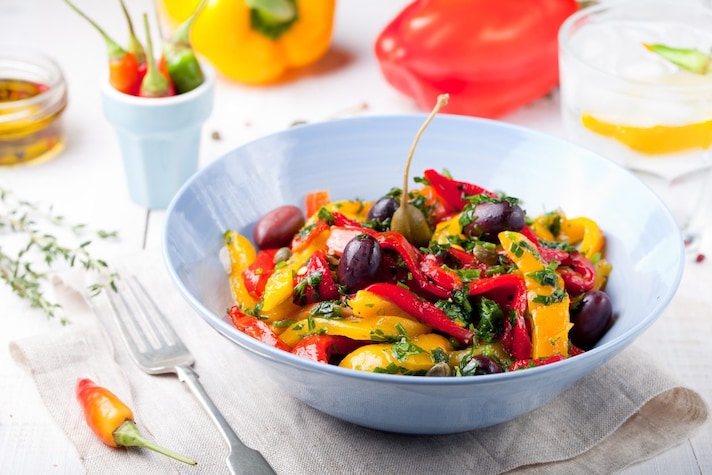
To enjoy this vegetable without the hassle, all you need to do is implement a few simple kitchen tricks, namely "eliminating the culprits." First, it's important to peel the peppers: the easiest way is to scorch the skin over a stovetop flame or in the oven, then seal them in a paper bag and let them cool for at least ten minutes (the steam created inside will make cleaning easier). Also remember to carefully remove all the white pith and seeds before cooking or slicing them.
Another frequently raised issue concerns the presence of solanine, a toxic substance the plant produces as a natural defense against parasites and fungi. It's especially present in green bell peppers —which, as mentioned, are simply harvested before they're fully ripe—and is concentrated in the greenest parts and near the stem. Don't panic: the levels in commercially available peppers are low, and cooking dramatically reduces the solanine, making it completely harmless. "If you eat them raw, choose ripe red or yellow ones," the expert concludes.
If, on the other hand, you suffer from reflux or gastritis, peppers should be consumed with extreme caution. The capsaicin and the texture of the outer skin can stimulate excessive production of gastric juices, worsening heartburn. If you really can't give them up—and who could blame you? —eat them carefully peeled, removing the white ribs and seeds, and then thoroughly cooked.
Likewise, those suffering from acute irritable bowel syndrome should limit their consumption or test their individual tolerance, as the peel and the insoluble fiber it contains could promote bloating and abdominal tension.
Are Bell Peppers Better Uncooked or Cooked?
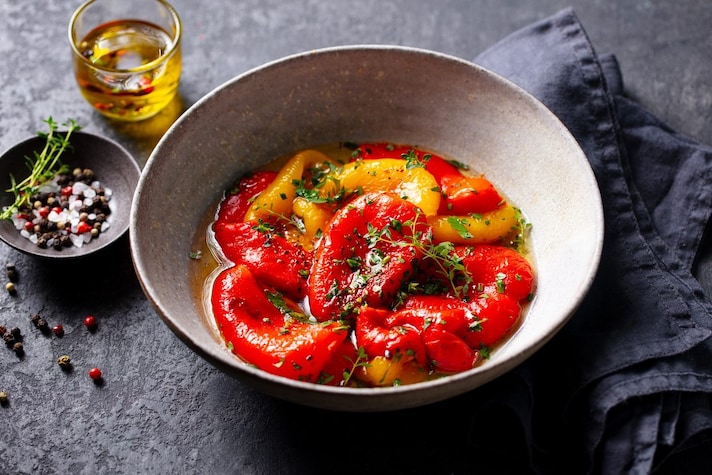
The choice between eating them raw or cooked directly affects the assimilation of individual nutrients, and the best advice remains to alternate preparation methods based on your needs. If you want to get plenty of vitamin C, a heat-sensitive micronutrient that is destroyed by heat, it's best to eat them raw, with dips, or in salads. "In this case, choose very ripe red or yellow peppers (which contain less solanine) and chop them very finely to make them easier on the stomach," suggests Gabrielli.
Cooking destroys much of the vitamin C, but makes these vegetables much softer and more digestible, especially if the outer skin is removed. Quickly sautéed, grilled, or baked are the best options for those who have difficulty digesting them and tolerating the fiber they contain. Furthermore, blending them into creams, sauces, and soups increases the bioavailability of other heat-resistant nutrients, such as beta-carotene.
So, let's give the green light to hummus, gazpacho and cream soups, the latter to be enjoyed warm or at room temperature, garnished with a drizzle of raw oil and accompanied with some lightly toasted wholemeal bread croutons.
;Resize,width=767;)
