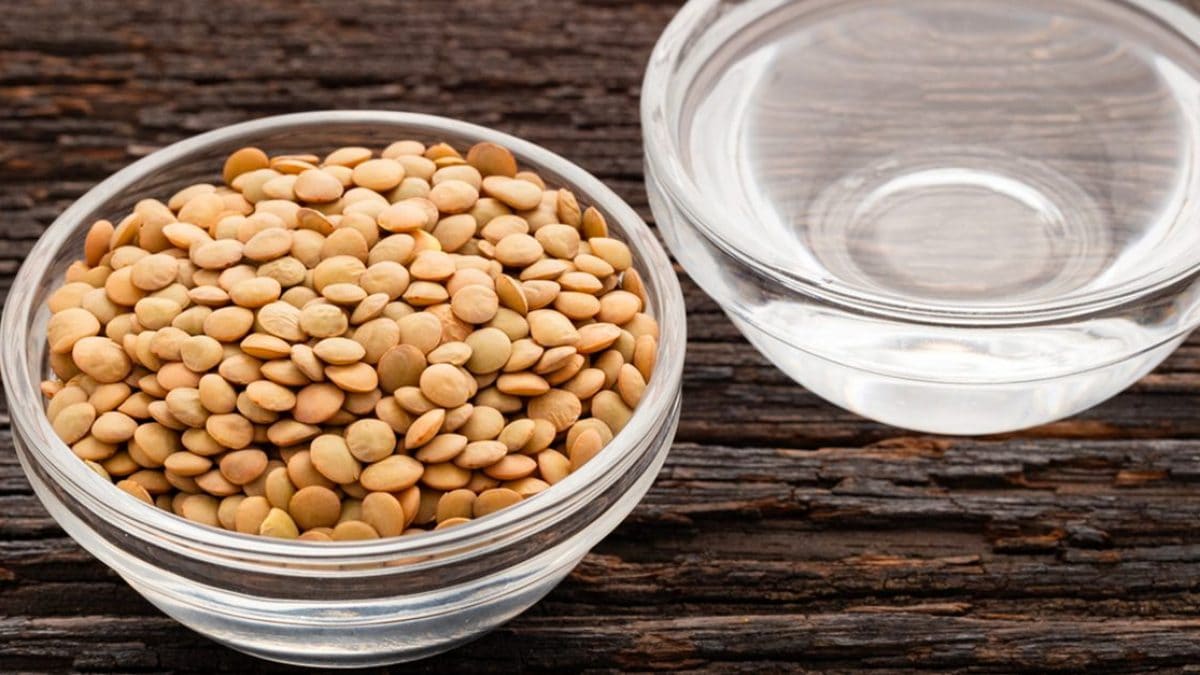
Lentils (Lens culinaris) are among the oldest legumes cultivated by man, with a history dating back to Neolithic times: originally from the Middle East, they spread rapidly throughout the Mediterranean basin, becoming a fundamental element in the diet of many civilizations, from the Sumerians to the Egyptians, all the way to the ancient Romans. In the United States, lentils have a prominent place in the gastronomic tradition, with many famous and prized varieties. For centuries, they have been considered a symbol of prosperity, linked to money and luck: a belief that has led this precious legume to be the protagonist of New Year's Eve menus, but in reality, it is rarely used during the 12 months that follow. Lately, thanks to the choice of a diet that includes less meat consumption, there has been a rediscovery of lentils: thanks to their ease of use, their versatility in the kitchen and, obviously, their good nutritional values, thanks to proteins, fibers and the (almost) total absence of fats which make them a filling food and rich in health benefits.
Lentils' Nutritional Values
Let's begin exploring the properties of lentils by analyzing their composition. Let's start by specifying that their caloric intake varies depending on whether they are raw or cooked: 100 grams of the former, dried, correspond to just over 300 calories, while the figure drops by a third when cooked (106 kcal) and to 91 kcal if we consider those in a can. In proportion, the other elements remain unchanged: carbohydrates represent 50 to 60% of the weight, with fiber present in significant quantities (between 13 and 4 grams, lower in the pre-cooked product), while fats are between 1 and 2 grams. Lentils are among the legumes with the highest protein content, hovering around 30%. Minerals are also present, such as – in decreasing order – potassium, phosphorus, calcium, magnesium, iron, and zinc. Among the vitamins, however, it is worth mentioning a good amount of those of the B group, such as thiamine (B1), riboflavin (B2), niacin (B3) and folates (B9). Antioxidant compounds such as polyphenols and flavonoids complete the nutritional profile.
Lentils' Main Properties
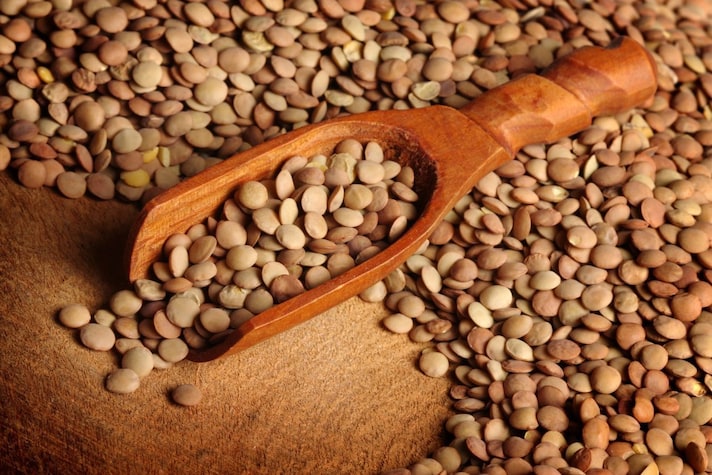
Lentils are a functional food that can be incorporated into the diet three times a week, as is generally recommended for legumes. Their properties are many. Often referred to as "poor man's meat," lentils are rich in protein, lysine, an essential amino acid lacking in cereals: when consumed in tandem, they are a good source of complete proteins. Fiber helps regulate blood cholesterol levels and promotes intestinal motility. Don't underestimate their iron content, useful for preventing or treating anemia, zinc, an ally of development and the immune system, and folate, essential for cell renewal and reducing the risk of malformations in the fetus.

Lentils' Health Benefits
The stroke of midnight on December 31st, therefore, isn't the only time to eat lentils. Below, are the health benefits that have now been officially recognized.
- Cardiovascular health. Lentils help maintain a healthy heart thanks to their combination of fiber, potassium, and polyphenols. Fiber reduces LDL (the "bad" cholesterol), while potassium helps regulate blood pressure. Finally, antioxidants protect blood vessels from premature aging.
- Diabetes management. Lentils have a low glycemic index, which helps maintain stable blood glucose levels. Furthermore, fiber slows the absorption of sugars, preventing blood sugar spikes. Be careful, though: it's best to choose dried, cooked versions rather than canned ones, as they may contain added sugars for flavor. In this case, check the label.
- Gut health. Insoluble fiber stimulates the passage of food through the intestines, thus preventing constipation. Soluble fiber, on the other hand, acts as a probiotic, promoting a balanced microbiota.
- Preventing anemia. Thanks to their iron and folate content, lentils are useful for preventing and treating anemia and deficiencies, especially in at-risk individuals such as adolescents, pregnant women, and people following a vegetarian or vegan diet.
- Protection against chronic diseases. Several studies over the years have shown that the polyphenols contained in lentils, combined with a low intake of saturated fat and cholesterol, help reduce the risk of chronic diseases such as type 2 diabetes, obesity, and some forms of cancer.
- Nervous system support. B vitamins are essential for proper nervous system function and neurotransmitter synthesis, making lentils an important food not only for relieving physical fatigue, but also for mental fatigue.
- Weight control. Lentils promote a feeling of prolonged satiety, thus reducing overall calorie consumption. They are therefore useful, as part of a healthy eating plan, for those following a low-calorie diet and for maintaining a healthy weight.
;Resize,width=767;)
