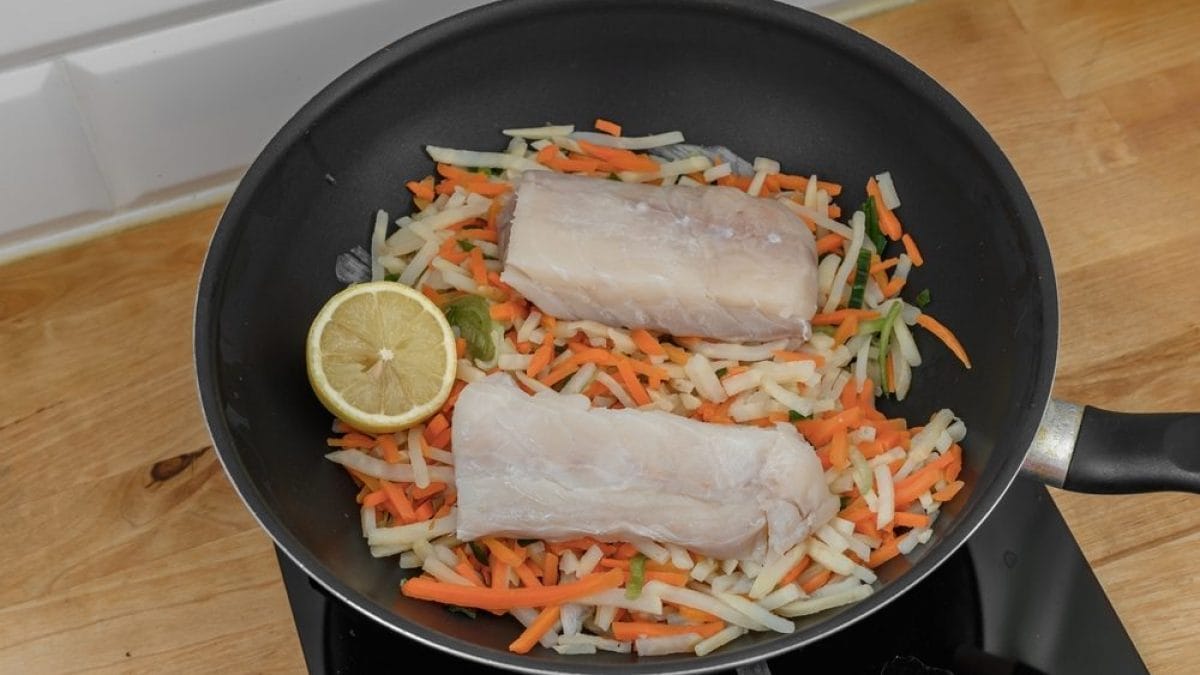
It would be ideal to be able to wake up every day and go buy a nice piece of fresh fish, but obviously that's not always possible. Unless you live near the sea and go to the fishmonger first thing in the morning, you're forced to opt for frozen fish, a product that's becoming increasingly popular among consumers. Yet, despite its widespread availability, a number of prejudices persist. However, the fish you find in the frozen section of the supermarket doesn't necessarily mean it's inferior in quality to the "fresh" fish you find at the counter. In fact, fish is often frozen at sea, immediately after being caught and processed, which means that, even if it's a frozen product, you can still have an excellent quality product. Just choose the most suitable cooking method, respect the cooking times, and use a few small tricks to preserve flavor and texture. Here's everything you need to know to cook frozen fish quickly and easily.
Can Frozen Fish Be Cooked Without Thawing?
One of the most common concerns when purchasing frozen fish is whether it needs to be thawed before cooking. In reality, in most cases, frozen fish can be cooked directly without first thawing, a feature that represents one of the main advantages of this product. Thanks to modern freezing technologies, fish retains much of its nutritional properties and, if properly frozen and stored, even good texture and flavor.
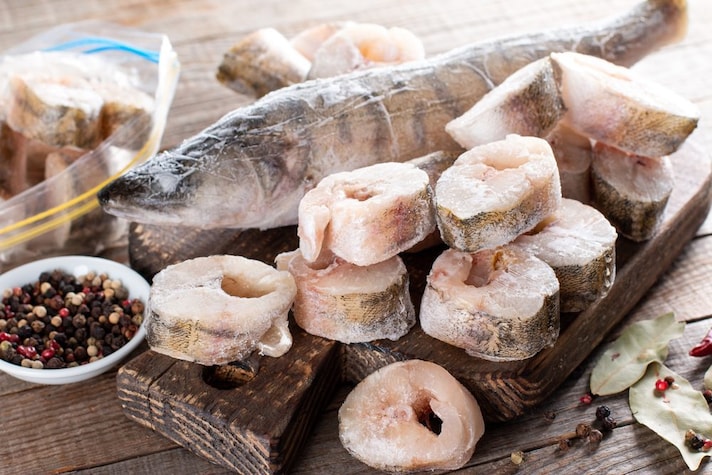
Direct cooking is particularly suitable for fillets, steaks, and pre-portioned products, which can be cooked in the oven, pan-fried, steamed, or in an air fryer by simply slightly increasing the cooking time compared to fresh products. However, it's important to follow the instructions on the packaging, as some types of fish or specific preparations may require preliminary defrosting to ensure optimal results. Furthermore, before cooking, it can be helpful to remove any excess ice from the surface of the fish by patting it with paper towels. This reduces external moisture and promotes more even browning during cooking. When done correctly, cooking fish from frozen does not compromise the quality of the food and can actually help preserve its juiciness, preventing it from losing moisture during a prolonged defrosting phase.
The Best Fish Types to Cook From Frozen
Not all types of fish respond equally well to cooking directly from the freezer, although many varieties lend themselves particularly well to this practice. In general, medium-sized, firm fish fillets and steaks are the best choice, as they retain their structure, tenderness, and flavor even if left unfrozen before cooking. Species such as cod, hake, salmon, plaice, and sea bream offer excellent results both in the oven and in the pan, thanks to their ability to cook evenly without flaking excessively. Pre-portioned and individually packaged fish is also particularly suited to direct cooking, as freezing often occurs quickly and in a controlled manner, limiting the formation of ice crystals that could alter the texture. Fish fingers, fish burgers, and many frozen breaded preparations are also specifically designed to be cooked directly from the freezer, allowing for even browning and a crispy texture without any intermediate steps. In any case, the choice of cooking method plays a fundamental role: the oven and steam cooking tend to guarantee more uniform results, while pan cooking requires greater attention to temperatures and timing.
Cooking Times Based on How You Cook Frozen Fish
If you decide to cook fish directly from the freezer, it's essential to respect the cooking times, which are inevitably longer than those required for fish that has already been thawed. The additional cooking time varies depending on the thickness of the product, the type of fish, and the chosen cooking method, but generally speaking, you should allow for an additional 30% to 50% time. This is because part of the energy used during cooking is used to melt the ice inside the food before the heat can reach the core of the product and complete the cooking.
Oven cooking is generally considered one of the most effective solutions for frozen fish: the heat surrounds the product evenly, promoting even cooking both inside and out. A fillet that would normally take about 15-20 minutes to cook from thawed may require 20-30 minutes if cooked directly from the freezer, depending on its thickness. For best results, preheat the oven and use temperatures between 355/180 and 392°F/200°C, checking periodically for doneness.
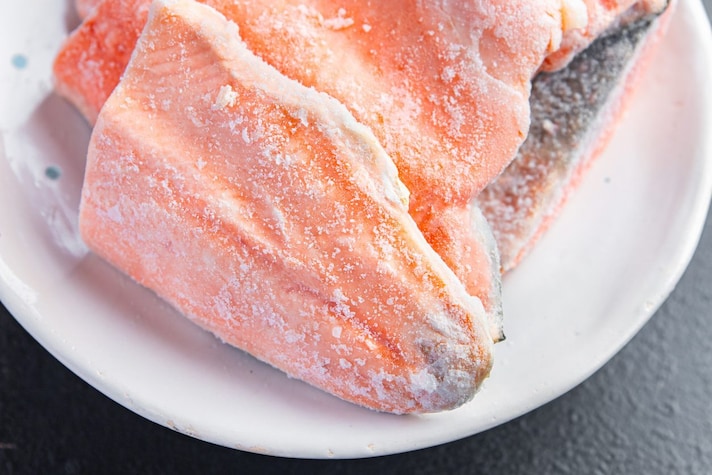
Steaming is another technique particularly suited to frozen fish, as it allows for a gentle preparation that preserves texture, flavor, and nutritional properties. Steam transfers heat gradually and evenly, reducing the risk of drying out and thus keeping the fish particularly tender and juicy. Even in this case, slightly longer cooking times are required compared to thawed fish: a fillet that normally requires about 8-10 minutes can take up to 12-15 minutes when cooked directly from the freezer.
Pan-frying can also be done without first thawing, but requires a few extra precautions. Direct contact with the hot surface tends to cook the outside quickly, while the center of the fillet takes longer to reach the desired temperature. For this reason, it's best to use a moderate flame rather than a high one, and to cover the pan during part of the cooking process to promote more even heat distribution. Typically, cooking times are a few minutes longer per side than for thawed fish: a fillet that normally cooks in 3-4 minutes per side may require 5-7, depending on the thickness and species of fish being cooked.
Regardless of the cooking method you choose, avoid interrupting the cooking process repeatedly to turn or handle the fish: frozen fish tends to be more delicate during the phase in which the internal ice gradually melts, and excessive handling can cause it to break. Turn it only when necessary, and to check the cooking process, gently pierce it with a fork to check the color and consistency of the fish.
Mistakes to Avoid When Cooking Frozen Fish
While direct cooking of frozen fish is a simple and increasingly popular practice, there are some common mistakes that can compromise the final result. One of the most common is using excessively high temperatures in the belief that it will reduce preparation time. In reality, excessive heat doesn't help; in fact, it risks rapidly cooking the surface of the fish, leaving the inside still cold or even partially frozen. Gradual and controlled cooking, however, allows the heat to penetrate evenly, preserving the natural tenderness of the flesh.
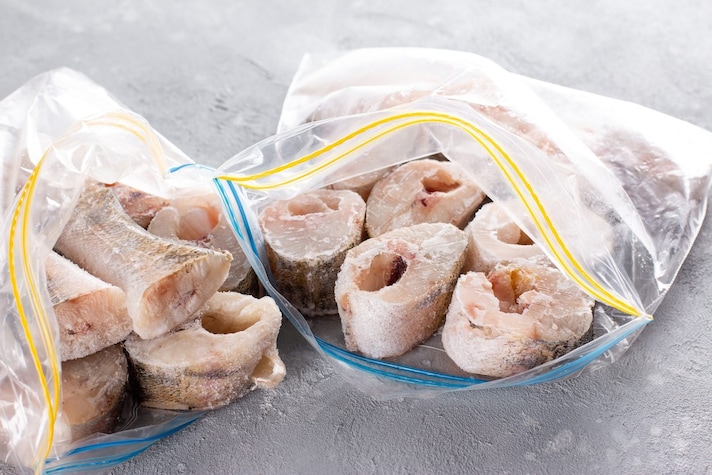
Another mistake to avoid is failing to remove any excess ice on the surface of the product. It's normal for ice crystals to form during storage in the freezer, but if left unremoved, they'll melt during cooking, releasing excess water that can compromise pan-fried cooking, especially when pan-fried. This makes it more difficult to achieve a golden brown surface and promotes a boiling effect. Before cooking, it's therefore helpful to gently remove any visible ice with paper towels or by quickly rinsing the product under cold water, if permitted by the manufacturer's instructions. To ensure perfect cooking, remember not to overfill the baking tray, pan, or air fryer basket. When fish pieces are too close together, the steam generated as the ice melts tends to get trapped, slowing down cooking and preventing proper browning. Leave adequate space between portions, which promotes heat circulation and helps achieve a more pleasant and uniform texture.
When Is It Best to Thaw Fish Before Cooking?
Most types of fish can be cooked directly from frozen, but in some cases, it's best to thaw them first to achieve better results in terms of texture, flavor, and overall dish yield. The decision depends mainly on the type of fish, the preparation method, and the desired result. Thawing is especially recommended when using large steaks or pieces. Thicker cuts require longer cooking times and can have a significant temperature difference between the outside and inside. If cooked while still frozen, there's a risk of overcooking the outside before the center is cooked to perfection.
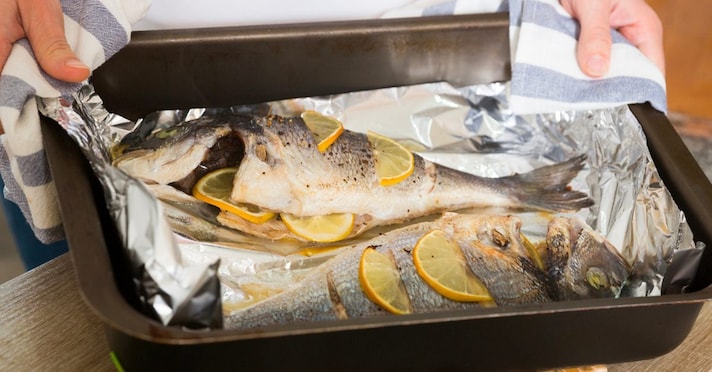
Even dishes requiring a deep browning or a particularly crispy texture often benefit from pre-thawing. The presence of ice and the water released during cooking can hinder the reactions that give fish a beautifully colored and flavorful surface. This is especially true for pan-frying, grilling, or griddling, where eliminating excess moisture is essential for a uniform and appetizing crust. A properly thawed fillet also tends to better absorb flavors, seasonings, and marinades: if you plan to cook the fish using recipes that call for citrus fruits, herbs, spices, or oil-based emulsions, it's best to thaw it first, so that they can penetrate the fish's fibers.
Thawing is often preferable when fish is used as an ingredient in recipes requiring it to be cut, processed, or mixed, such as in rolls, stuffings, meatballs, and flans. A product that is still frozen is clearly difficult to handle and could compromise the proper distribution of ingredients within the dish. When thawing, remember to do it correctly, never at room temperature and always following the cold chain principle.
;Resize,width=767;)
