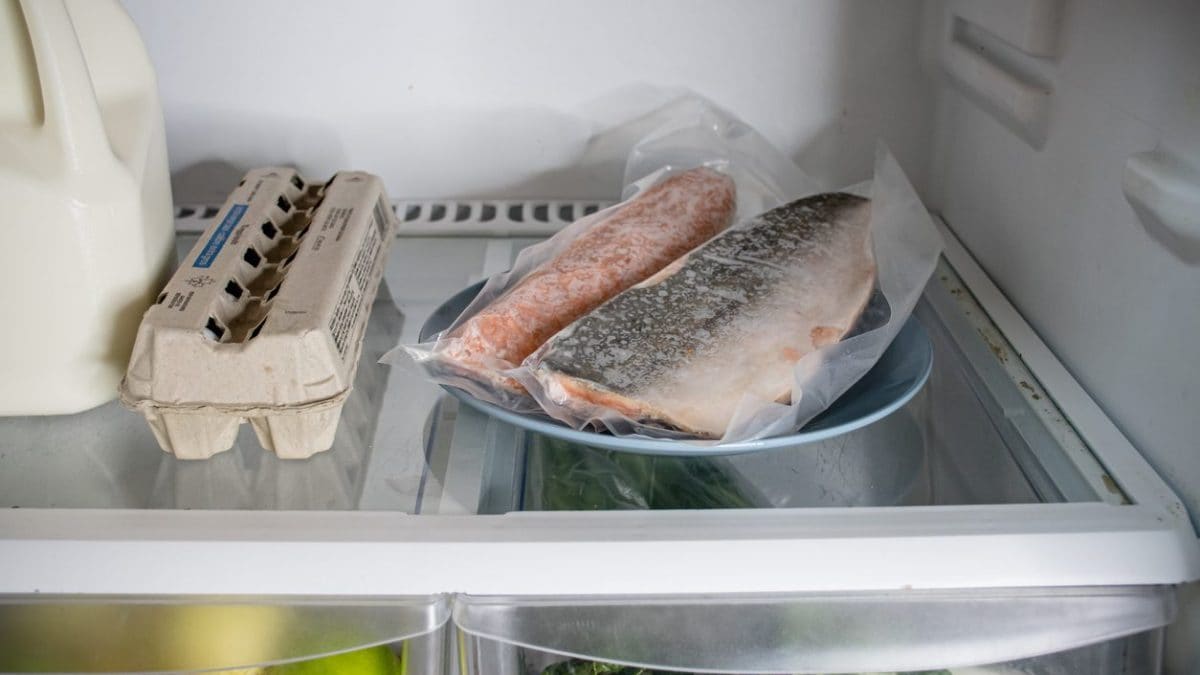
Convenient, practical, versatile: frozen fish is a great ally to have in the kitchen when fresh fish isn't available. It can be found in various forms in the frozen section of supermarkets, and one of its major advantages is that it's already cleaned and portioned, practically ready to use. At home, fresh fish purchased and then stored in the home freezer is referred to as freezing: the process of reaching 0°F/-18°C is lengthy, causing the formation of large ice crystals in the tissues that can compromise the value of the raw material. Compared to some time ago, the reputation of frozen fish has improved: its high nutritional and organoleptic values are recognized (if, of course, achieved from the beginning) as the fish products are brought to temperatures below 64°F/18°C very quickly, preserving their consistency, flavor, and aroma. Furthermore, food safety is guaranteed, as the speed of refrigeration prevents bacteria from proliferating. However, frozen fish can be ruined during the thawing phase: an important step that is often approached too lightly.
Why It's Important to Thaw Fish The Right Way
Whether you've frozen fish or home-frozen fish, thawing is essential to both maintaining its original quality and ensuring a safe product. Underestimating this step risks serving a food with a worse consistency (excessively soft or stringy texture when cooked, and no longer firm) and flavor, but also poses a risk of potential food poisoning, which can be serious. If fish is left exposed to temperatures above 39-41°F/4-5°C for more than two hours, it enters what's known as the "danger zone," where pathogens such as salmonella, Escherichia coli, and listeria (to name the most common) increase in number and multiply very quickly.
The Best Methods for Thawing Fish
From this premise, it's easy to see that one of the most popular methods, namely thawing fish at room temperature, can actually pose potential risks. To achieve optimal results, there are other equally simple but more effective methods. Let's see what they are.
1. In The Refrigerator
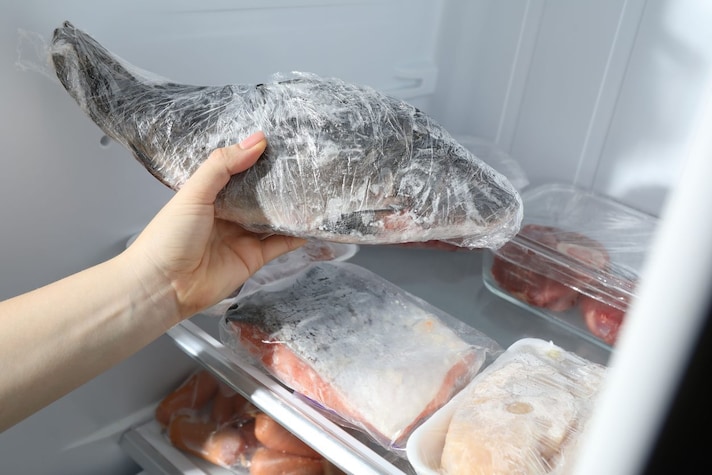
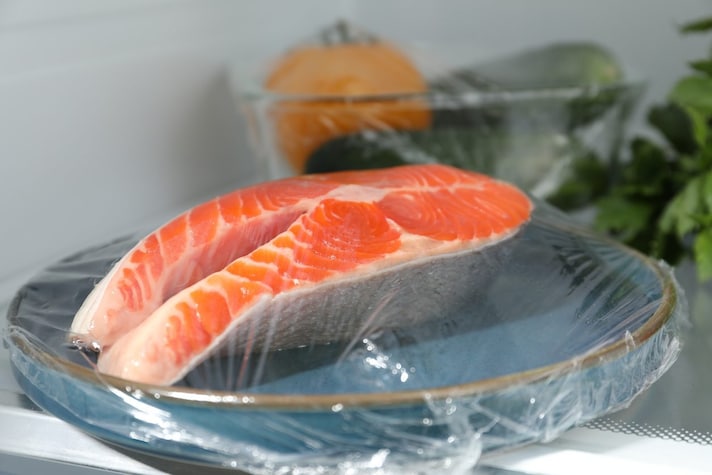
This is the most appropriate option, as it allows the fish to thaw slowly at the right temperatures (between 32°F/0°C and 39°F/4°C), thus maintaining the cold chain. You can transfer it to a covered container or wrap it in paper towel, place it on a plate (so that the liquids don't contaminate other foods) and leave it overnight on the lowest shelf (the one above the crisper): simply take it out just before cooking.
2. With The Microwave's Defrost Mode
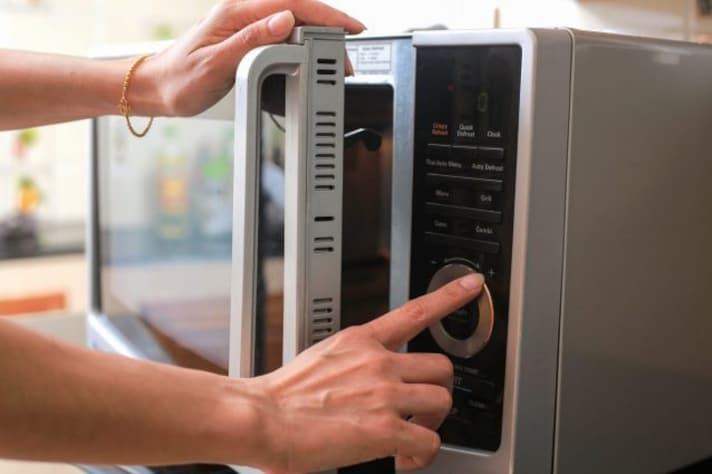
When dealing with fillets or steaks that are microwave-safe, you can reduce the time by using the appliance, but only if it has the appropriate defrost function, usually indicated by the symbol of a snowflake and one or more stylized water droplets depending on the model. It is used for various types of food and usually only takes a few minutes, checking the status halfway through defrosting. In any case, follow the instructions on your appliance to avoid mistakes.
3. With Cold Water
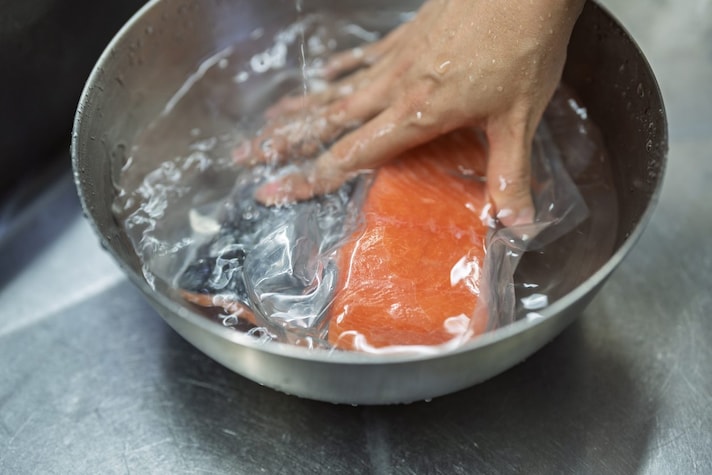
A common and easy-to-use method, recognized by leading food safety authorities, it's a good alternative when you don't have time to wait for it to thaw in the refrigerator. To use it correctly, the fish must be placed in a tightly closed waterproof bag to avoid direct contact with the water, and then completely immersed in a bowl of cold water. The water should be changed every 30 minutes, or kept running, to ensure a consistently low temperature throughout the process. This method is particularly suitable for fillets, steaks, shellfish, and pre-portioned products, which are generally ready within 30-60 minutes. Once thawed, however, the fish must be cooked immediately. Conversely, using lukewarm or hot water is not recommended: in addition to compromising the product's consistency and organoleptic qualities, it promotes bacterial growth and increases food safety risks.
Mistakes to Avoid When Thawing Fish
In addition to the aforementioned, very popular mistake of leaving fish on the cupboard for hours, one of the most common mistakes is rushing. For example, we talked about using cold water earlier, but how many times have you used hot water, perhaps directly on the sea bass? This not only causes organoleptic damage, but is also a decidedly favorable situation for bacterial contamination. Also resist the temptation to use the microwave without defrosting: although you can set it to a very low power, we know that this appliance's cooking and heating method is irregular, resulting in uneven defrosting that will impact the cooking process, with areas that may remain partially raw because they are still semi-frozen.
Can You Cook Frozen Fish Without Thawing It First?
Still on the topic of optimizing time, people often ask whether fish can go directly from the freezer to the oven or the pan. The answer is: it depends. The commercially frozen fish we buy at the supermarket is often convenient because it allows for this very shortcut. Generally speaking, go ahead with thin fillets (such as cod or plaice), classic breaded fish, and ready-made preparations (for example, mixed seafood for sauces and salads, cacciucco-style soups). Remember that the instructions on the package or wrapping always have the final say, so follow them without acting independently. For homemade frozen fish, however, we suggest you proceed with regular thawing first: since freezing is a slower process, the tissues tend to deteriorate due to the large ice crystals that form, and the flesh needs to settle, becoming soft and juicy again before being cooked.
How to Store Thawed Fish
You've done the whole operation to perfection: don't ruin your work right at the end. Thawed fish behaves just like fresh fish, spoiling very quickly: keep it in the refrigerator for up to 24 hours before cooking. Like all foods that have been frozen, they should never be refrozen raw, as they could contain a much higher bacterial load due to external exposure. A viable alternative is to refreeze them cooked, since most pathogenic microorganisms are inactivated by proper cooking (when the core of the product reaches 167°F/75°C): let it cool and store in freezer-safe containers.
;Resize,width=767;)
