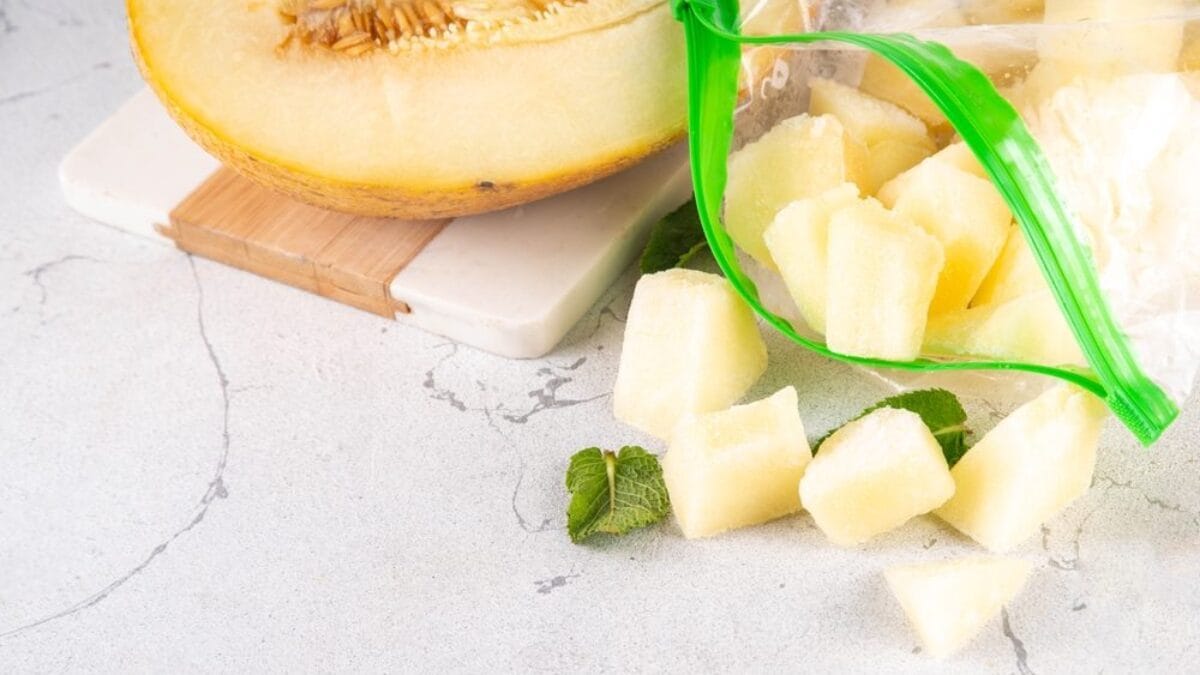
Melon is one of the most beloved summer fruits (and winter ones too, as there are winter varieties) thanks to its fresh, sweet flavor and its natural thirst-quenching properties. It's also very good for you: composed primarily of water —about 90%—and simple sugars, it's low in calories, exceptionally thirst-quenching and hydrating, and rich in vitamin C and vitamin A. In short, it's the fruit you can never be without at home. This is why we often buy it in advance or in larger quantities, with the desire to always have it on hand. If you're looking for long-term preservation, you should know that melon can be frozen: it's an excellent way to avoid waste and extend its shelf life. It's important to be aware, however, that while the fruit retains its flavor, it will inevitably lose its fresh, crunchy texture. This doesn't mean you can't use it, just that it lends itself to uses other than traditional consumption: here are all the tricks for freezing melon and the best recipes for making the most of it once you've taken it out of the freezer.
You Can Freeze Melon, But It Will Change
Melons can be frozen without any particular food safety concerns. If the fruit is fresh and in good condition when frozen, freezing allows it to be preserved for several months, almost completely slowing the deterioration process. However, freezing melons doesn't mean they'll be the same once thawed: their organoleptic characteristics, and especially their texture, inevitably undergo changes.
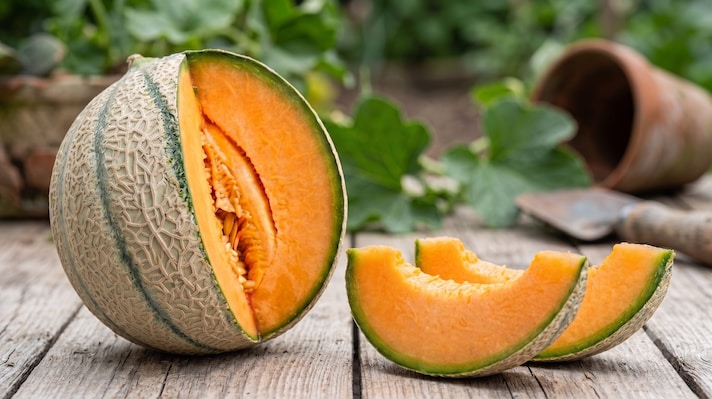
The reason is linked to the composition of the fruit itself: melons are made up of approximately 90% water, distributed within the cells of the pulp. When brought to temperatures below 32°F/0°C, this water forms ice crystals. During home freezing, which occurs relatively slowly compared to industrial processes, the crystals tend to become quite large, and their formation puts pressure on the cell walls, which can break or damage them. When the melon is then thawed, the ice returns to a liquid state, but the damaged cells are no longer able to effectively retain water. This is why a phenomenon called "liquid loss" occurs: some of the water escapes from the pulp, collecting on the bottom of the container or plate. As a result, the fruit appears softer, less compact, and decidedly less crunchy than fresh melons. The pulp, initially firm and juicy, tends to become soft and almost creamy.
This doesn't mean the melon has gone bad: it's simply the effect of the cellular structure breaking down caused by freezing. The more water the fruit has, the more pronounced this phenomenon is, and this is precisely why melons, like watermelons or very ripe peaches, rarely retain their original texture after being frozen. From a flavor perspective , however, the differences are generally less evident: if the melon is frozen when perfectly ripe, it retains much of its sweetness and aroma, although a slight loss of aromatic intensity may occur during prolonged storage. Vitamins and minerals are largely preserved, making the product still nutritionally valuable.
Which Melons to Choose and How to Prepare Them for Freezing
To achieve good results after freezing, it's essential to start by choosing the right melon and preparing it carefully. While freezing slows down food spoilage, it doesn't improve its quality: a flavorless, unripe, or overripe melon will retain these defects even after thawing. The ideal is to choose a melon at the right level of ripeness, with firm yet sweet flesh. How can you tell if a melon is ripe? The ready-to-eat fruit has a strong aroma and yields slightly to finger pressure, without feeling soft. Avoid both unripe melons, which will lack flavor after freezing, and overly ripe ones, whose flesh is already very soft and will tend to fall apart even more easily once thawed.
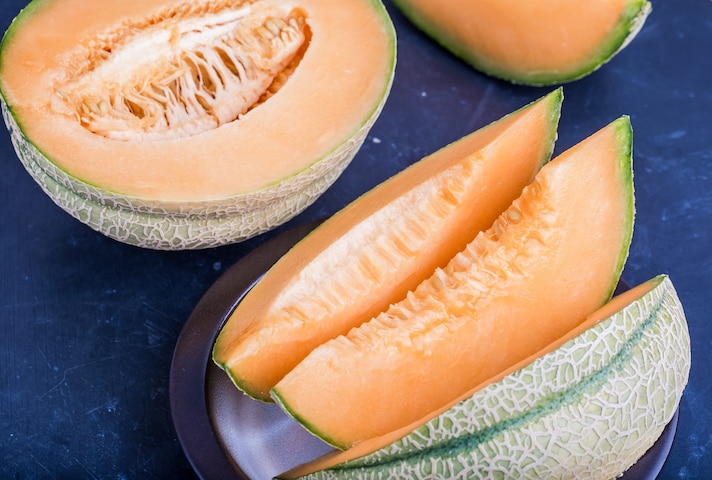
Before starting to prepare the melon, wash the peel thoroughly under running water: even if it will be removed, the knife will pierce it during cutting and could transfer any soil residue or microorganisms to the pulp. After washing, simply dry the fruit with a clean cloth or kitchen paper and then you can proceed to cut it: cut the melon in half lengthwise and use a spoon to completely remove the seeds and central filaments, which are not suitable for freezing and could alter the consistency of the pulp during storage. Once cleaned, also remove the peel, trying to remove only the outer part without removing too much pulp. Then you can cut the fruit into the shape best suited to its future use, for example into slices or cubes.
How to Freeze Melon Properly and Avoid Pieces from Sticking Together
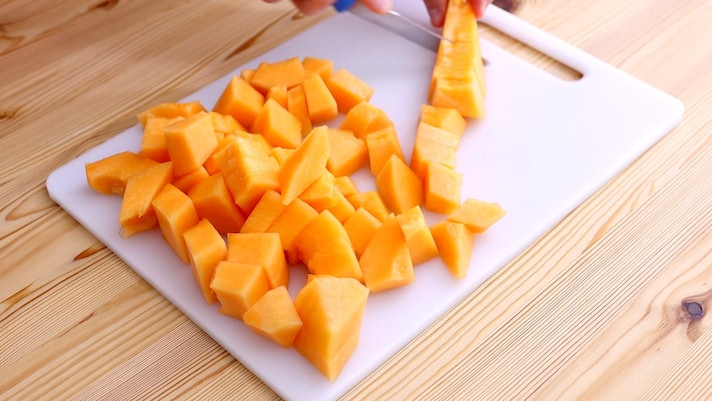
Once cleaned and cut, the melon is ready to be frozen. To achieve the best possible results, however, don't immediately transfer the pieces to bags or containers; instead, pre- freeze the fruit: this is a simple preliminary step, often overlooked, but it allows you to keep the pieces well separated and easily remove only the amount you need later. Line a tray, baking sheet, or flat plate with parchment paper and arrange the melon cubes, slices, or balls in a single layer, making sure to leave some space between each piece. During this stage, it's important that the pieces don't touch each other, because during the first few hours of freezing, the surface of the flesh is still moist and tends to act as a sort of natural glue.
Place the tray in the freezer for a few hours, usually two to four, or until the melon is completely frozen. During this time, each piece hardens individually, forming a thin, icy crust that prevents the surfaces from sticking together. Only then should you transfer the melon to containers intended for long-term storage, which can be freezer-safe food bags, preferably with an airtight seal, or rigid containers with lids. In both cases, it's a good idea to remove as much air as possible before sealing: the presence of air promotes the formation of frost and increases the risk of "freezer burn," those whitish, dehydrated areas that can alter the consistency and flavor of the product during storage. Label the melon with the freezing date to keep track of its shelf life, and then place it back in the freezer: if kept at a constant temperature of 0°F/-18°C or lower, it will maintain good quality for approximately 8-12 months.
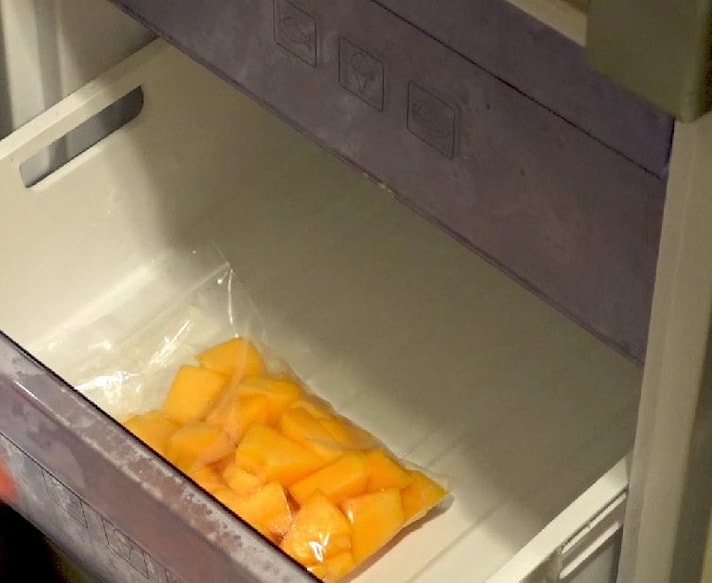
The advantage of pre-freezing will become evident when you use it: since each melon slice is frozen individually, the pieces will remain separate even inside the bag and will not form a single compact block. This allows you to remove only the amount of fruit you need without having to thaw the entire contents, a particularly practical solution that helps avoid unnecessary waste. Remember that once thawed, melon should never be refrozen but must be consumed. Each freezing and thawing cycle causes further damage to the cell structure of the pulp, resulting in increased liquid loss and a deterioration in texture.
The Best Ways to Use Frozen Melon
As we've explained, frozen melon changes consistency: this means it's not ideal for eating as a fruit, but it lends itself very well as an ingredient, especially for cold preparations with a creamy consistency. In many cases, it can be used directly while still frozen, without waiting for it to completely thaw: this not only allows you to better preserve its flavor, but also allows you to achieve thicker, creamier consistencies without having to add ice, which would ultimately dilute the flavor.
Among its best uses are smoothies and shakes, where frozen melon adds a natural freshness and velvety texture: simply blend it with yogurt, milk, plant-based drinks, or other seasonal fruit to create a nutritious and refreshing beverage. It's also perfect for making homemade granitas and sorbets, as the pre-frozen pulp allows you to quickly achieve the desired consistency, reducing preparation time. Frozen cubes or balls can also replace traditional ice cubes in drinks, chilling fruit juices, iced teas, non-alcoholic sangrias, or aperitifs without watering down their flavor.
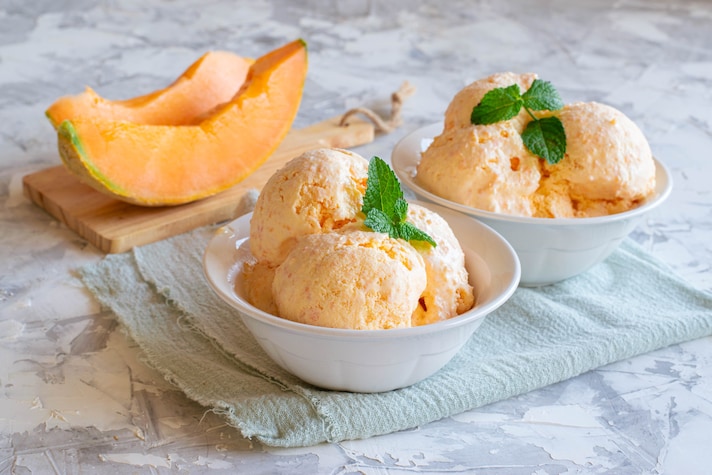
After complete thawing, however, melons noticeably change in consistency and no longer offer the pleasant crunch and juicy sensation typical of freshly cut fruit, but they can still be a useful ingredient. Since they become very soft, they are perfect for blending and then using them in ice cream and mousses. What's more, you can also use the liquid released by the fruit during thawing, as it contains some of the fruit's sugars and flavors: use it to prepare flavored waters or as a liquid base for smoothies and extracts, or to create delicious homemade popsicles. It also goes well with savory dishes, simmered until thick and syrupy, and then used as a sauce to accompany aged cheeses, ricotta, or meat dishes.
;Resize,width=767;)
