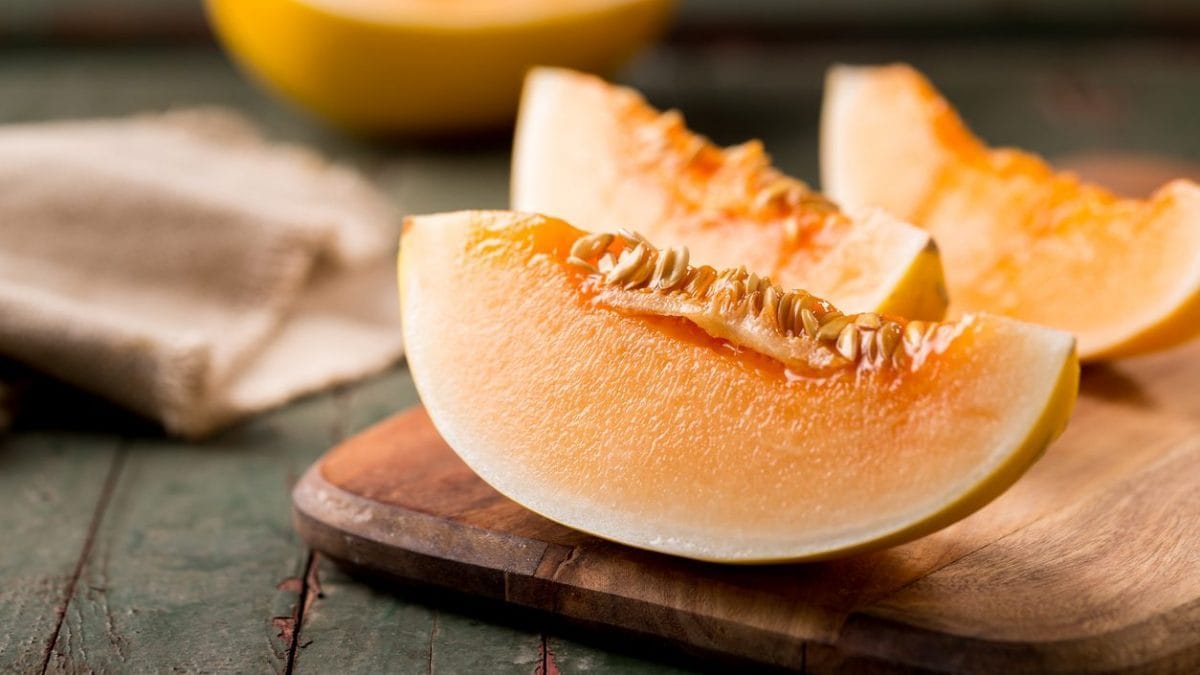
Sweet, fragrant, and rich in water, melon is one of the iconic fruits of summer. Thanks to its fresh flavor and natural thirst-quenching ability, it finds its place in numerous preparations, from the classic fruit salad to more original pairings with cured meats, cheeses, or desserts. Furthermore, melon is also very good for you: composed primarily of water—about 90%—and simple sugars, it is low in calories, exceptionally thirst-quenching and hydrating, and rich in vitamin C and vitamin A. In short, it is the fruit that should never be missing from the home. For this reason, it is often purchased in advance or in larger quantities, with the desire to always have it on hand.
It's essential, however, to know how to store melon properly, as it's a delicate food that tends to spoil quickly. Its high water content, one of its main nutritional and sensory benefits, makes it prone to spoilage. Furthermore, the way the fruit is stored can affect its flavor, aroma, texture, and shelf life. Knowing how to handle it correctly means you can enjoy it at its best, avoiding unnecessary waste and preserving its food safety. Indeed, there are some simple precautions that can make a big difference, and they vary based on the condition of the fruit and the time you intend to consume it: here are the most effective methods and tips for making your melon last longer.
How To Store Whole Melons at Room Temperature
Freshly purchased whole melons can be stored in a cool, dry place or in the refrigerator, depending on consumption and ripeness at the time of purchase. Unripe fruit should not be immediately refrigerated, as low temperatures slow the physiological processes that allow it to fully ripen. During this stage, it's best to leave them at room temperature, in a cool, dry, and well-ventilated place, away from direct sunlight and heat sources. Generally, within 2-5 days, melons develop a more intense aroma, the flesh becomes softer, and they acquire the organoleptic characteristics typical of ripe fruit.
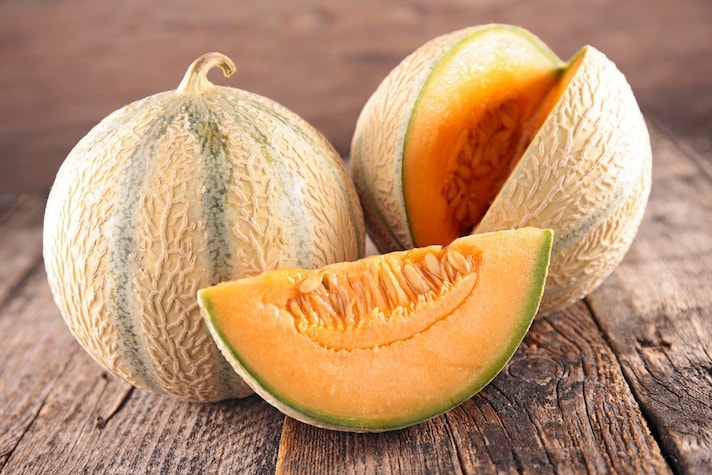
This behavior is due to the fact that many melon varieties, such as cantaloupe or honeydew melon, are classified as climacteric fruits: these fruits continue to produce ethylene, a plant hormone that regulates ripening, even after harvest. Thanks to this process, the fruit becomes progressively more aromatic and the consistency of the flesh changes, going from firm to more tender and juicy: in short, it continues to ripen even after harvest. It is important to emphasize, however, that post-harvest ripening primarily affects the texture and aroma: if the melon is harvested too early, the sugar content will not increase significantly, since most of the sugar accumulation occurs while the fruit is still attached to the plant.
To determine if a melon is ripe, you can observe several signs. The most obvious is the aroma, which becomes sweet and intense, especially around the stalk. The texture is also important: when you apply light pressure to the end opposite the stalk, the rind should yield slightly without feeling soft. In netted varieties, a slight cracking around the stalk is also common, indicating the fruit has naturally separated from the plant. Once ripe, the whole melon should be transferred to the refrigerator. Refrigeration, ideally at a temperature between 41/5 and 46°F/8°C, slows the fruit's respiration, the production of ethylene, and the activity of microorganisms responsible for spoilage.
Under these conditions, a whole melon generally maintains good quality for about 3-5 days, although this can vary depending on the variety and ripeness. Never leave a ripe melon at room temperature for many days. Heat accelerates the degradation of the pulp, which tends to become excessively soft, mealy, and less flavorful. It also increases the likelihood of mold and rot developing, especially in humid environments. Also remember to store melon separately from other fruits and vegetables: simply being close to them can promote the ripening of fruits like avocados, peaches, or kiwis, or accelerate the deterioration of particularly sensitive vegetables, such as lettuce, broccoli, or cucumbers.
How to Store Cut Melon in The Refrigerator
Once cut, melon becomes a much more delicate food than the whole fruit and must be stored exclusively in the refrigerator. Cutting exposes the pulp to air and microorganisms in the environment, increasing the risk of contamination and accelerating the deterioration process. Furthermore, melon pulp is particularly rich in water and sugars, characteristics that make it a fertile breeding ground for bacteria and mold if left at room temperature for too long. To store it properly, it is important to place the melon in the refrigerator as soon as possible after cutting. Avoid leaving it on the counter for more than two hours (or more than an hour if the ambient temperature is above 89°F/32°C). The ideal storage temperature is below 39°F/4°C, to slow the growth of microorganisms and preserve the fruit's organoleptic characteristics for longer. Always place it in the center of the refrigerator, where the temperature is more stable than the door, which is subject to constant temperature fluctuations due to frequent openings.

How do you store cut melon in the refrigerator? Ideally, it should be stored in an airtight container or covered tightly with plastic wrap or a lid. This precaution serves a dual purpose: first, it limits contact with air, slowing the loss of moisture that would otherwise make the pulp drier and less palatable. Second, it prevents the fruit from absorbing odors from other foods in the refrigerator, to which melon is particularly sensitive due to its high porosity. Even when stored correctly, cut melon should be consumed within 2-3 days. Over time, the pulp tends to lose consistency, becoming softer and more watery, while the flavor and aroma gradually diminish. However, if you notice obvious changes, such as unpleasant odors, a slimy surface, discoloration, or the presence of mold, it means the product has already gone bad and should not be consumed.
Can You Freeze Melon?
If you haven't consumed your fresh melon in time, you've probably wondered: can melon be frozen? The answer is yes, but it's important to know that freezing inevitably changes its texture. Due to the high water content, ice crystals form during the freezing process, breaking the cell walls of the plant. As a result, once thawed, the fruit is generally softer, waterier, and less crunchy than fresh melon. For this reason, thawed melon is less suitable for eating on its own, but it's an excellent choice for making smoothies, granitas, sorbets, homemade ice cream, or as an ingredient in creamy desserts.
For best results, freeze melon only when it's perfectly ripe, as the cold slows the ripening process and the flavor won't improve while stored in the freezer. Once you've removed the outer rind and seeds, cut the melon into slices or cubes, arrange the pieces on a tray lined with parchment paper, keeping them well separated, and let them freeze for a few hours. Only when they're completely frozen can they be transferred to freezer-safe bags or airtight containers: this trick prevents the pieces from sticking together, allowing you to take only the amount you need without having to thaw the entire contents.
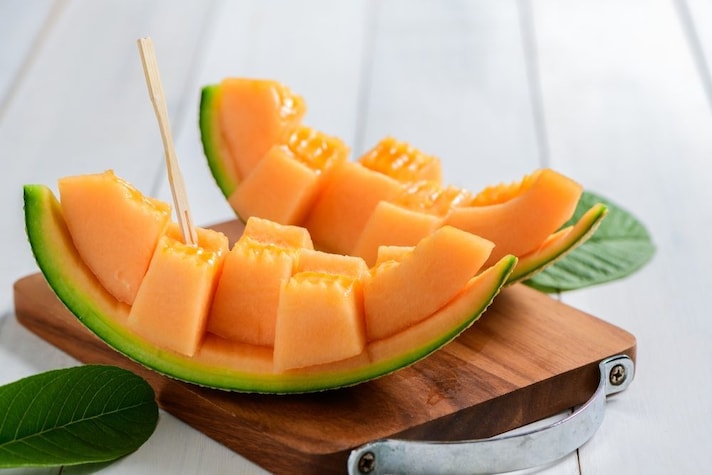
Write the freezing date on the label to keep track of shelf life, and then place the melon in the freezer: if kept at a constant temperature of 0°F/-18°C or lower, it will maintain good quality for about 8-12 months. While it can remain safe beyond this period, over time it tends to gradually lose its aroma, flavor, and pulp quality. To thaw, it's best to transfer the melon to the refrigerator and let it thaw slowly for a few hours. However, if the fruit is intended for making smoothies, shakes, or sorbets, you can use it directly frozen: you'll get a creamier texture and a naturally chilled drink without the need for ice.
Mistakes to Avoid When Storing Melon
Proper storage of melons is essential not only to preserve their flavor and texture, but also to ensure their health. Certain errors, in fact, can accelerate deterioration or encourage the growth of microorganisms, significantly reducing the fruit's quality.
One of the most common mistakes is storing an unripe melon directly in the refrigerator. Low temperatures slow the ripening process, preventing the fruit from fully developing its aroma and making the pulp less fragrant and flavorful. Conversely, leaving a ripe melon at room temperature for several days is also not a good idea: heat accelerates deterioration, promoting excessive softening of the pulp and increasing the risk of mold and rot. This is even more true for pre-cut melons, which should never be left at room temperature for too long but should be refrigerated as soon as possible. Freezing melons also requires some care. Freezing overripe or spoiled melons does not improve their quality, just as refreezing thawed fruit can compromise both their organoleptic characteristics and food safety.
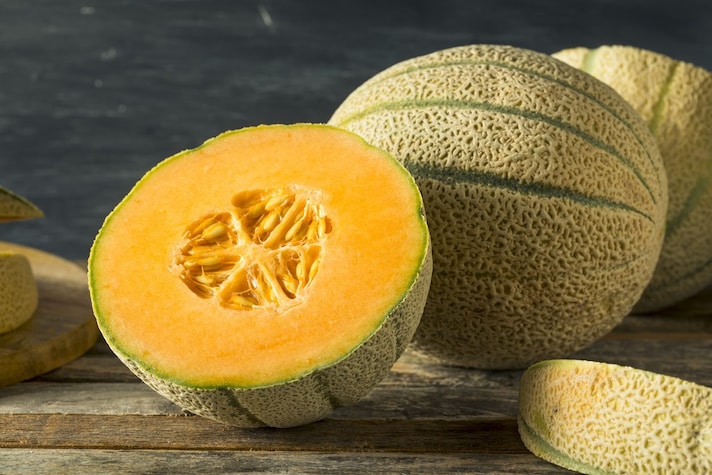
If you're not sure about the condition of your melon despite your best efforts, there are some signs to look for to determine whether it's still fit for consumption. First, smell it: an excessively strong, fermented, or acidic odor is often one of the first signs of spoilage. The presence of mold, dark spots, or soft areas on the rind or flesh also indicates that spoilage has already begun. For cut melons, a slimy or sticky surface is a clear sign of microbial growth, and the fruit should be discarded without tasting. Color changes can also provide useful clues. Flesh that loses its vibrancy, turns brown, or has translucent, watery areas may have begun to deteriorate. In general, if a melon exhibits abnormal odors or noticeable changes in appearance or texture, it's always best not to eat it.
;Resize,width=767;)
