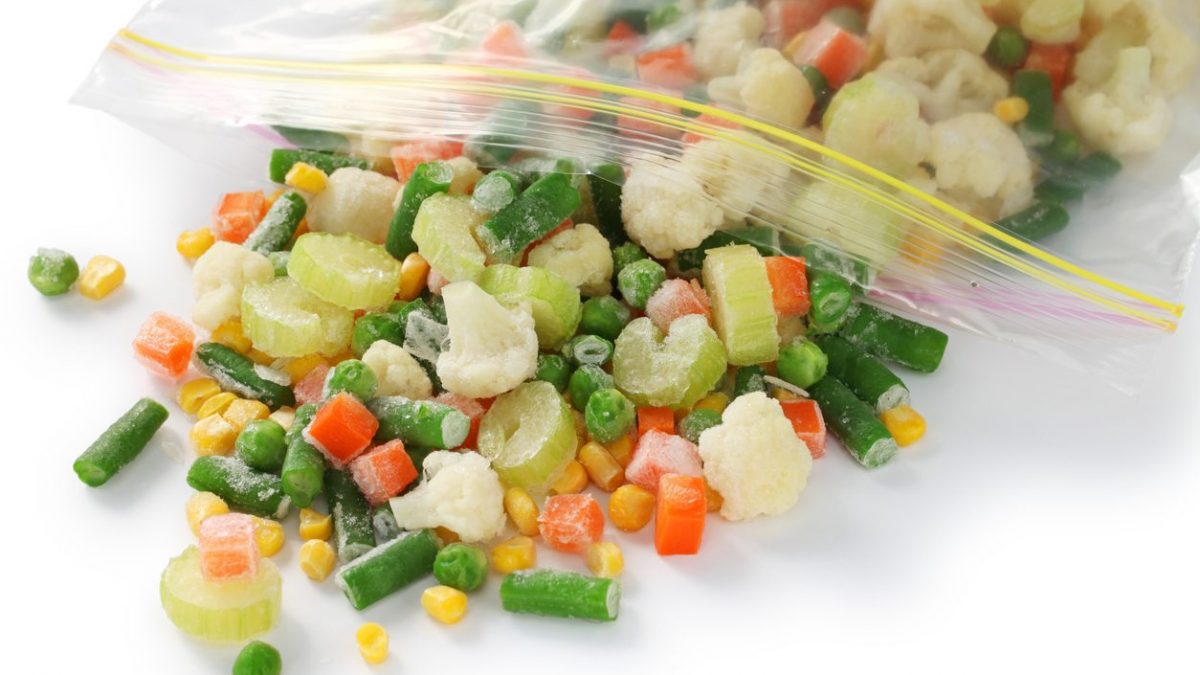
It is a scene that plays out in kitchens across the country every single day. You finish unpacking a sandwich, a handful of pretzels, or a few sliced strawberries from a plastic Ziploc bag. The bag is still completely intact, structural integrity perfectly preserved. As you stand over the trash can, a wave of eco-guilt hits. Should you throw away a perfectly functional piece of single-use plastic, or should you wash it out, prop it up on the dish rack, and use it again?
With sustainability taking center stage in the modern kitchen, reusing storage bags seems like an absolute no-brainer for both the planet and your wallet. However, when it comes to plastic food storage, there is a razor-thin line between being an eco-friendly hero and accidentally inviting a nasty case of food poisoning into your home. Here is the breakdown of when to wash, when to toss, and how to sanitize your bags like a pro.
When to Throw It Away
Before you reach for the dish soap, you need to audit what inside the bag. No matter how thoroughly you scrub, certain foods leave behind microscopic hazards that cannot be safely washed away from thin plastic. You should never reuse a plastic bag if it previously held any of the following:
- Raw Meat, Poultry, or Seafood: Pockets of raw chicken juice or beef blood harbor dangerous pathogens like Salmonella, E. coli, and Campylobacter. Thin plastic bags cannot handle boiling water or harsh bleaching agents without degrading, meaning you cannot truly sanitize them.
- Greasy or Oily Foods: Oils chemically bind to plastic surfaces. Trying to wash a bag slick with bacon grease or oily marinades usually results in a cloudy, sticky residue that traps bacteria and easily goes rancid.
- Major Food Allergens: If someone in your household suffers from a severe allergy to peanuts, tree nuts, or shellfish, cross-contamination isn't worth the risk. Discard the bag immediately.

When to Reuse
If the bag didn’t hold raw proteins or heavy grease, you are officially cleared to wash and reuse it. Bags that held dry goods or fresh, whole produce are prime candidates for a second lease on life. Feel free to clean and reuse bags that contained bread, crackers, pretzels, raw vegetables, whole fruits, or dry baking ingredients like flour and sugar. In fact, if a bag only held dry crackers or cereal, you don't even need to wash it with water—simply turn it inside out, shake out the crumbs, and it is ready for round two.
The Professional Wash and Dry Protocol
To safely clean a reusable Ziploc bag without compromising the plastic or inviting mold growth, skip the heavy machinery and stick to a careful hand-wash method.
1. Use Lukewarm Water Only
Turn the bag inside out and wash it using a clean sponge, mild dish soap, and lukewarm or cool water. Never use boiling water. Standard single-use Ziploc bags are made of polyethylene, a type of plastic that can warp, thin out, or begin to leach chemical compounds when exposed to extreme heat.
2. Target the Zipper Track
The interlocking plastic tracks at the top of the bag are the ultimate danger zone. This groove easily traps moisture, food particles, and backwash from straws or fingers. Use a clean bottle brush or the edge of your sponge to aggressively scrub along the zipper line to ensure no organic matter is left behind to fester.

3. The Golden Rule: Air Dry Completely
The biggest mistake home cooks make is storing a bag while it is still damp. Trapping water inside a dark, enclosed kitchen cabinet creates the perfect, humid breeding ground for mold and mildew spores. To ensure your bags dry quickly and completely, do not lay them flat on a towel. Instead, turn them inside out and prop them open over the prongs of a dish rack, a clean wooden spoon standing in a utensil holder, or a dedicated wooden bag-drying stand. Allow them to air-dry completely until there is zero visible condensation left inside.
When Has a Bag Reached the End of the Road?
Even with immaculate care, a disposable plastic bag isn't designed to last forever. Eventually, the polymer bonds will begin to break down. Inspect your washed bags before filling them up again. If the plastic looks cloudy or discolored, if the zipper track no longer snaps shut with a tight seal, or if the texture feels unusually brittle or crinkly, the bag has officially done its civic duty. Toss it out, or transition it away from food storage entirely to hold small household items like screws, loose buttons, or puzzle pieces.
;Resize,width=767;)
