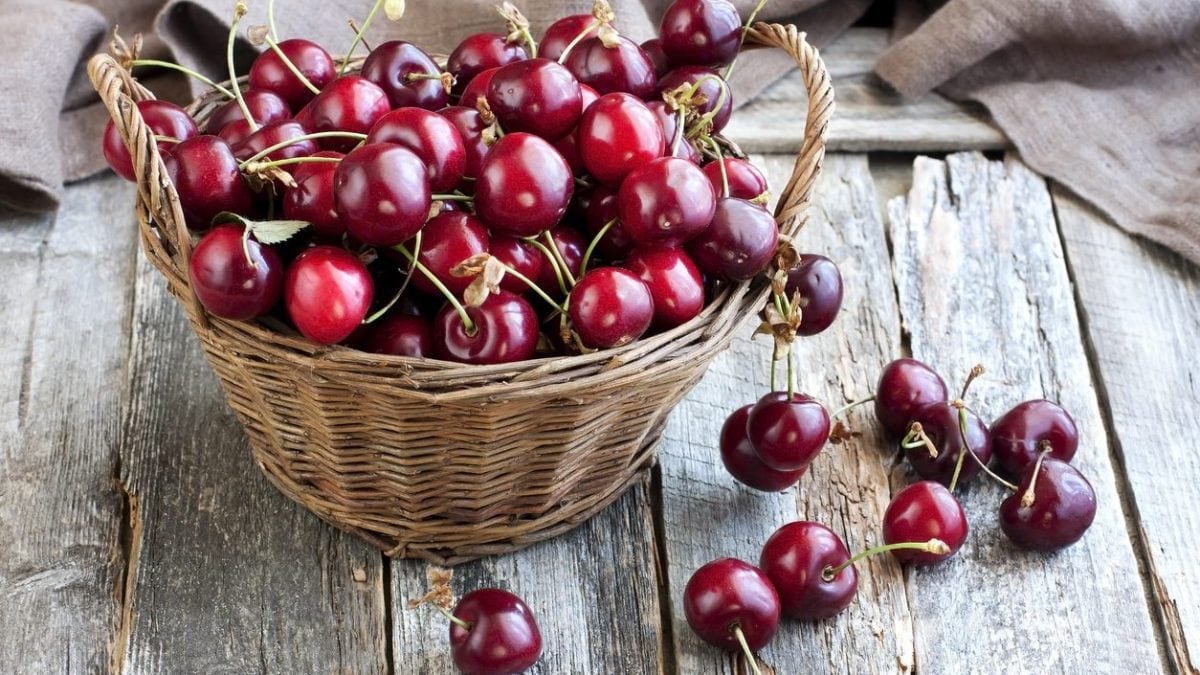
Sweet and juicy, cherries are a pleasure impossible to resist. After all, popular wisdom tells us that "one leads to another," and once you start eating them, it's practically impossible to stop. Luckily, they're also a treasure trove of micronutrients, packed with benefits and properties waiting to be discovered and, finally, savored. Available as early as May, they're among the most beloved fruits of the late spring season, but their availability, unfortunately for us, is all too brief.
So let's take advantage of them right now, when they're delightfully fragrant, plump, and incredibly flavorful. "Cherries contain vitamins, minerals, and fiber—so many useful nutrients without the problem of overloading them with calories," explains Simone Gabrielli, biologist, nutritionist, and our trusted expert.
A good source of vitamin C and potassium, they contain polyphenols and have a powerful antioxidant effect. What more could you want?
Why Is Eating Cherries Good for You?
Not only delicious, but also beneficial, cherries are a true elixir of well-being, a good source of vitamin C, a fundamental micronutrient for our body's well-being, and potassium, a precious mineral for heart health and blood pressure regulation. They are rich in antioxidants, such as anthocyanins, which help counteract oxidative stress and inflammation.
"In addition to potassium, they also contain little sodium, and contribute to muscle recovery after physical exertion," continues Gabrielli. Rich in water and plant fiber, they are very useful if you need to replenish lost fluids and mineral salts, avoiding fatigue and muscle cramps. "Like all fruit," our collaborator is keen to point out, "they are low in calories: about 48 per 100 grams."
Diuretic and mildly laxative, they have a medium-low glycemic index and a good amount of simple sugars: although we're talking about natural and absolutely beneficial sugars, it's always best not to overdo the quantities. A standard serving is about 150 grams, equal to 15-20 cherries, eaten once or twice a day.
When is it best to eat them? "Whenever we want, there are no rules for fruit: just eat it." The presence of vitamin C also helps us better absorb iron, a mineral essential for the proper functioning of the body: for this reason, consuming them after a protein– based meal, especially vegetables, such as legumes or spinach, can be an excellent idea.
A valuable tip is to buy them organically or from a trusted retailer: since they are consumed whole and with the peel intact, they may contain pesticides and herbicides.

Cherries' Benefits
Cherries are invaluable allies for our well-being and beauty. Here are the main reasons why you should stock up on them in their prime season.
Allies for Weight-Control
As mentioned, cherries are a low-calorie fruit, but rich in vitamins, minerals, and fiber: plenty of nutrition without the risk of overdoing it. The presence of fiber also makes them very filling and satisfying, making them ideal if you're following a weight-loss diet or simply watching your figure.
Rich in water and low in sodium, they are diuretic and remineralizing, perfect for replenishing fluids and minerals lost through sweating during physical activity or on a particularly hot day. An excellent source of potassium, they contribute to muscle recovery after a workout session, preventing fatigue and muscle cramps.
Their high fiber content also makes them suitable for constipation or intestinal irregularity. Their laxative effect is due, in particular, to sorbitol, which has significant laxative properties: for this reason, it's always best not to overdo the quantities. If you suffer from abdominal bloating or irritable bowel syndrome, it's best to avoid consuming them after one of the two main meals: better for breakfast or as a mid-morning and/or afternoon snack, even more so if cooked with cinnamon or cardamom, grated ginger, and orange juice.
Delicious in a bowl with yogurt and granola, or with fluffy pancakes, garnished with flaked blanched almonds. As with any fruit, always pair them with a source of protein and/or fat: this way, the sugars will have a gentler impact on blood sugar levels and, by avoiding the infamous glycemic spikes, we'll feel fuller, more satisfied, and with improved efficiency and mental clarity.
Antioxidants and Heart-Healthy
Cherries are rich in polyphenols, particularly anthocyanins: these are plant pigments belonging to the flavonoid family, which give them their characteristic red color and have powerful antioxidant properties. These help neutralize free radicals, protect cells from oxidative stress, and combat inflammation.
The dual antioxidant and anti-inflammatory action helps reduce the state of systemic inflammation, lowering the risk of chronic diseases, such as type 2 diabetes.
The excellent content of vitamin C, potassium, magnesium, soluble fiber and phenolic compounds makes them precious allies in supporting cardiovascular health: they protect the heart from cellular damage, help regulate blood pressure and can reduce levels of LDL cholesterol, the so-called "bad" cholesterol, decreasing the risk of suffering from heart disease.

Natural Relaxants
Cherries, especially the more tart varieties, contain melatonin, the hormone that regulates the sleep-wake cycle and has a powerful calming effect on the nervous system. It also improves the quality and duration of sleep, reducing the time it takes to fall asleep and prolonging the deepest, most restorative phase.
And if the change of season makes us a little more tired or nervous, cherries are the perfect snack: the presence of manganese, calcium, and zinc supports the nervous system and has a relaxing effect; this is also thanks to tryptophan, an amino acid precursor to serotonin, and other phytonutrients that, acting synergistically, promote relaxation.
So, there's nothing better than a small bowl of fresh cherries after dinner or an evening snack topped with plain Greek yogurt, a drizzle of honey, a thin layer of hazelnut spread, or a handful of dark chocolate chips.
Contraindications
Except for those with allergies, there are no particular contraindications to consuming cherries. However, there are some groups of people who simply need to be careful about the quantities and frequency of consumption: these fruits, rich in sorbitol and polyols, fermentable sugars, can cause problems for those suffering from irritable bowel syndrome or abdominal bloating.
Despite their low glycemic index and moderate calorie content, cherries, like any other fruit, contain simple sugars. Everyone can include them in their diet, even diabetics or those suffering from insulin resistance, but always in the right context and in the right quantities. The amount varies from person to person.
;Resize,width=767;)
