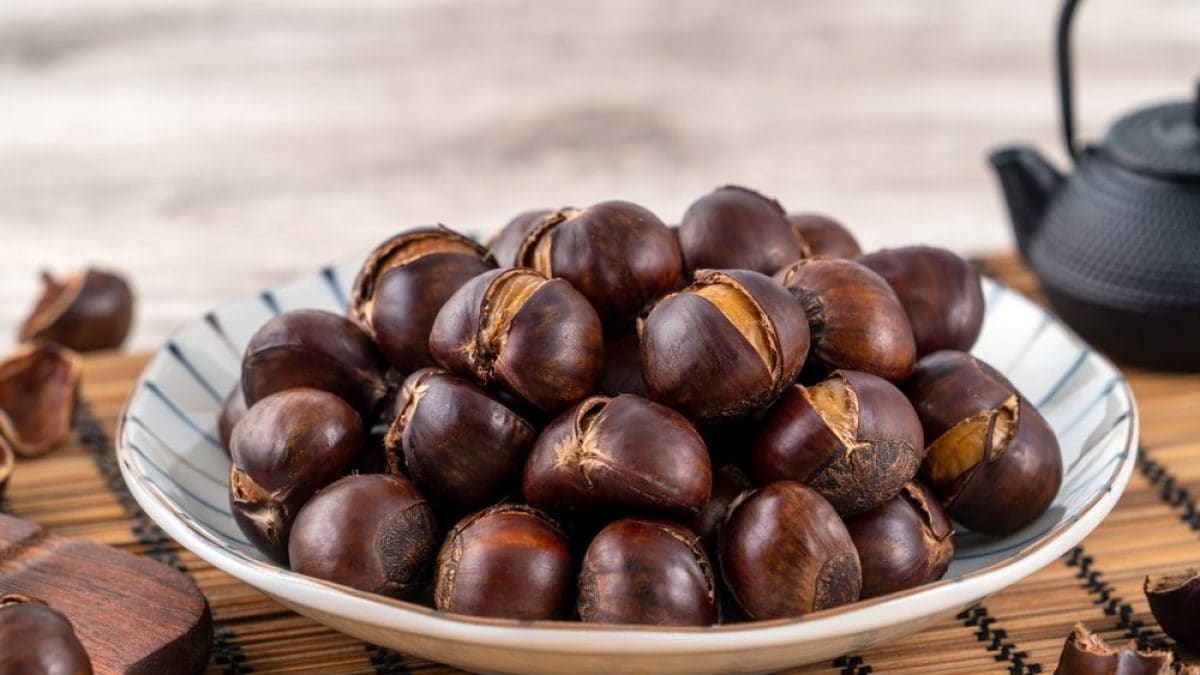
Fall is synonymous with chestnuts: a fruit that comes from the chestnut tree, a wild tree in the Apennine area belonging to the Fagaceae family, not to be confused with the marroni, the fruit of cultivated trees that have been improved over time. You can collect them in the woods throughout the autumn season, as long as you know how to recognize them, but you can also buy them at fruit and vegetable stalls.
Delicious roasted, boiled, or baked, chestnuts are the star of countless recipes, including desserts. Above all, they provide important nutrients like fiber, minerals, and vitamins. Here's everything you need to know about the benefits of chestnuts, along with some tips on how to clean them and how to best use them in the kitchen.
Chestnuts' Properties
Chestnuts, the fruit of the Castanea sativa tree, have long been a staple food for many populations, especially during times of famine, so much so that they were considered "the bread of the poor": their flour, in fact, was an excellent substitute for that made from wheat or other cereals. Today, they are appreciated for their sweet flavor and versatility in the kitchen, but also for their health benefits. Chestnuts, in fact, are rich in:
- Fiber, which promotes bowel regularity and a feeling of satiety. Fiber also helps prevent constipation.
- Mineral salts such as potassium, phosphorus, and magnesium, essential for the proper functioning of muscles and nerves.
- Complex carbohydrates, which provide slow-release energy and help maintain stable blood sugar levels.
- Vitamins, especially those of group B, are important for energy metabolism, but also for reducing tiredness and fatigue.
- Antioxidants, which protect cells from damage caused by free radicals, helping prevent cardiovascular disease.
All this makes them an excellent source of energy: they are in fact ideal for athletes and those who perform intense physical activity. However, their lipid content should not be underestimated: remember that the maximum recommended daily amount ranges between 40 and 60 grams, or 5-6 chestnuts.
Chestnuts' Contraindications
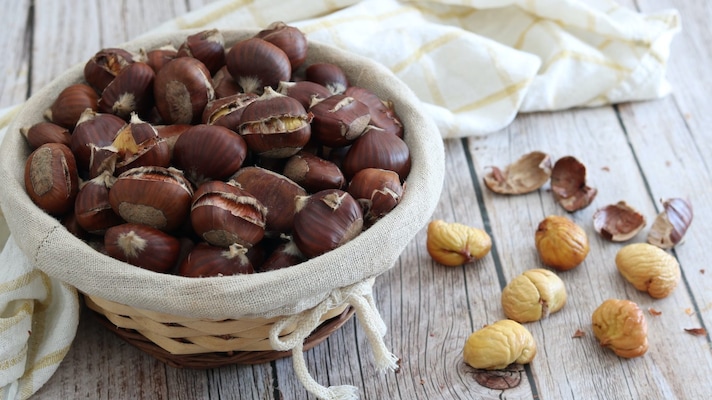
Although chestnuts are a nutritious food, it's important to consume them in moderation and with awareness, especially if you have certain conditions. For example, if you have digestive problems: the high fiber content and certain sugars (raffinose and stachyose) can cause intestinal gas and bloating, especially if consumed in large quantities or by people with sensitive guts. If not cooked properly, chestnuts can be difficult to digest and cause a feeling of heaviness: in this case, we recommend cooking them thoroughly before eating.
Chestnuts have a medium-high glycemic index: therefore, those suffering from hyperglycemia or diabetes should consume them in moderation and always considering their insulin dose or hypoglycemic medications. Finally, like all fruits, chestnuts can cause allergic reactions in susceptible individuals.
How to Clean Chestnuts
Cleaning chestnuts might seem complicated, but it's not: you just need to follow a few precise steps. The most difficult part is carving raw chestnuts: but if you need them for soups and purées, you'll need to carve them with a pointed knife, being careful not to cut yourself. Once this is done, place them in a bowl of hot water for 3-4 minutes. Then drain them, dry them, and remove the peel and skin.
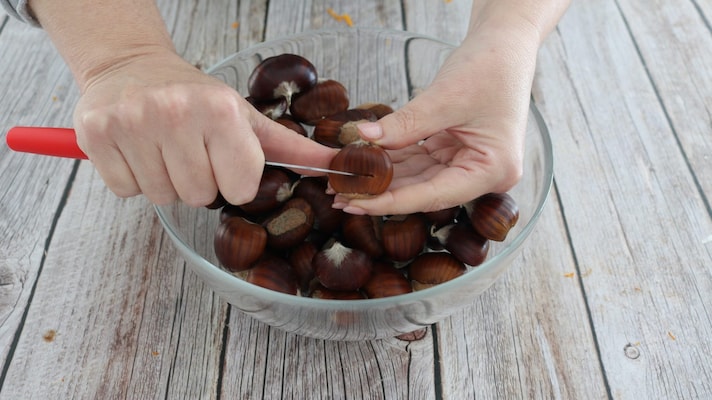
If you need to boil or roast them, you can score them raw and peel them after cooking. Bake the chestnuts in the oven at 200°C (400°F) for about 20-30 minutes, or boil them in boiling water for about 20 minutes. Once cooked, peel the chestnuts while they're still hot to make it easier to remove the inner skin.
The Cross Engraving
Almost everyone carves chestnuts by making a cross in the skin: in reality, just one cut is enough to open them, preventing the seeds from bursting during cooking. Chestnut skin is an excellent insulator; it's tough and perfectly seals the contents inside. It's one of those "wonders" of nature born of evolution. However, this excellent insulating property hides a pitfall: the water contained within turns to steam during cooking because it evaporates, but finding no way out, it causes the chestnut to swell until it bursts. Essentially, it's like a balloon that fills too much with air. The cut avoids this problem and acts as a "guide" when it comes to eating them, making them easier to peel.
How to Use Chestnuts in The Kitchen
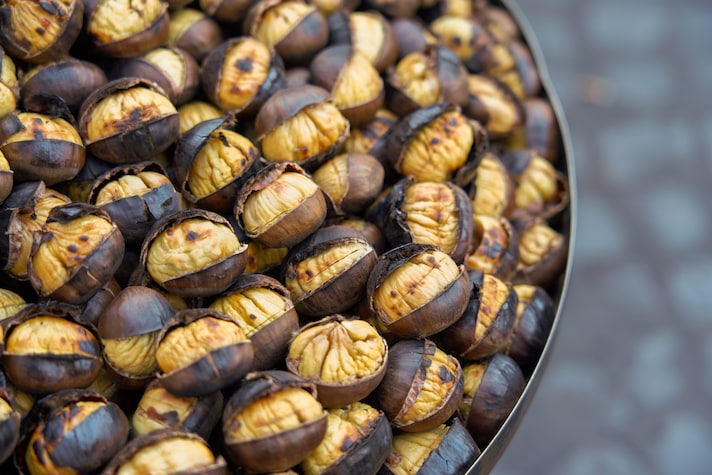
Who hasn't eaten roasted chestnuts on a gloomy day, whether bought on the street or baked at home? Chestnuts are one of those seasonal products: our only advice is to avoid eating them raw (or at least not too many), because they're difficult to digest.
Chestnuts are excellent baked or boiled, if you prefer a simple preparation, but they also pair well with pork, beef, or game. They're ideal in soups and broths, especially when paired with seasonal ingredients like mushrooms or pumpkin, but they also pair well with polenta.
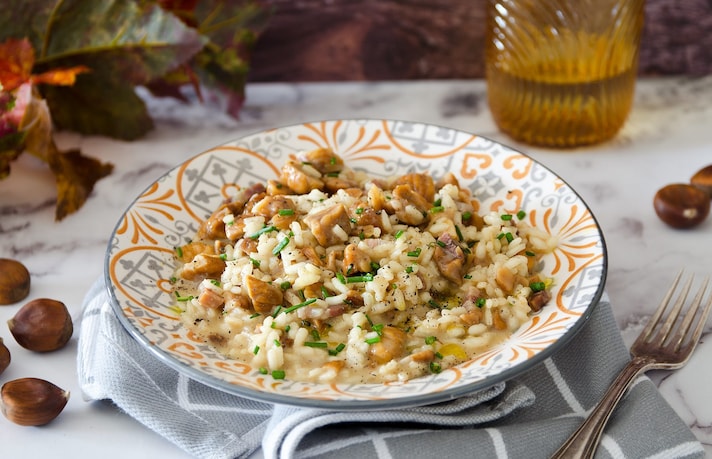
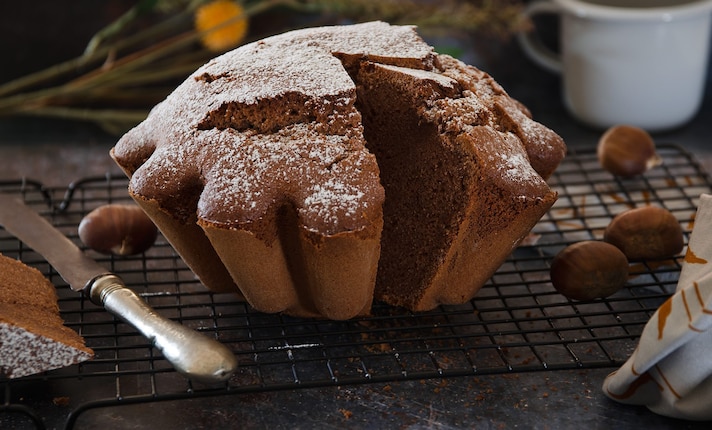
First course chapter: there are various pasta dishes that can be prepared by pairing chestnuts with intensely flavored cured meats like speck or pancetta, but they are also ideal for risottos. The flour obtained from chestnuts, in addition to being used in famous traditional desserts and international pastries like Montblanc, can also be used to create delicious gnocchi, bread, or focaccia. Finally, desserts: from the Italian tradition, you must try castagnaccio and necci toscani, but if you want to tempt your guests with a modern dessert, we suggest you also take a look at the recipe for chestnut tiramisu.
;Resize,width=767;)
