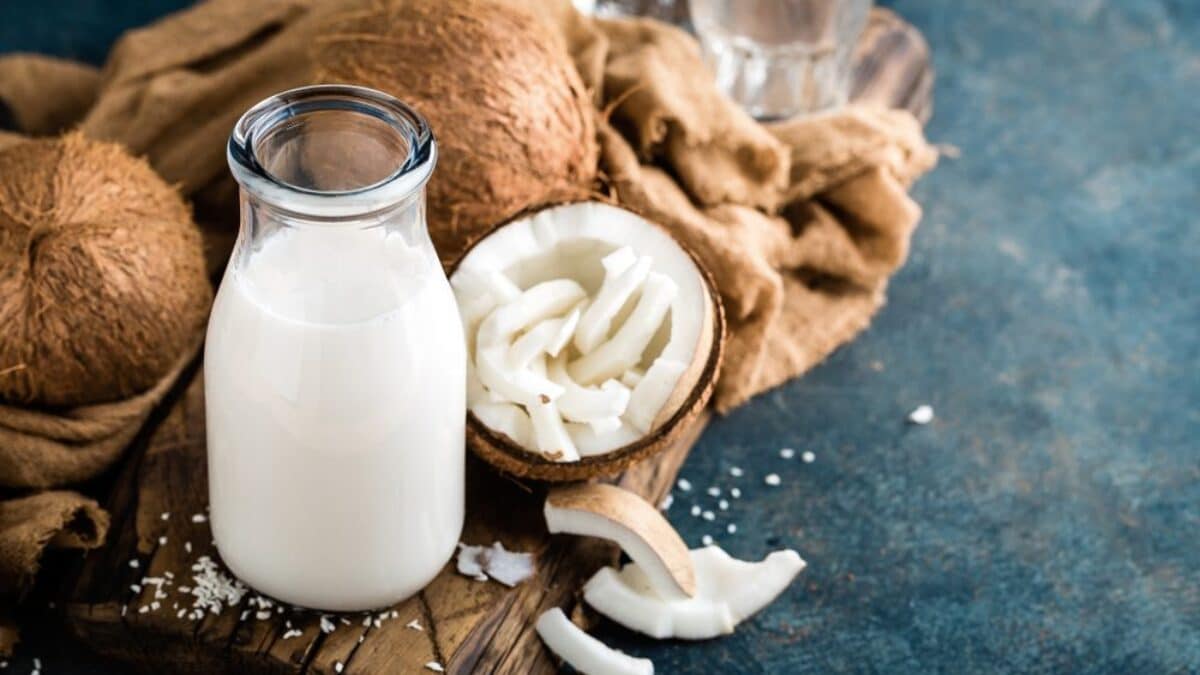
When you imagine tropical fruits, we bet the very first thing that comes to mind is the coconut: thanks to its connection to beaches and the sea, it immediately evokes tropical and summer atmospheres, making you think of relaxation and a tasty way to beat the heat. The edible fruit of the coconut palm, a long-lived and large plant belonging to the Arecaceae family, the fruit is native to Southeast Asia and typical of areas with warm and temperate climates. The coconut is composed of an outer husk called the picarp and an endocarp, the kernel in which we find the white pulp and a liquid known as "coconut water", not to be confused with coconut milk, obtained instead by squeezing the pulp.
Coconut is one of the most versatile fruits in existence, much loved for being eaten alone or as an ingredient. The entire coconut is used, both the juice and the pulp, and in various forms: whether oil, cream, flour, or flakes, this fruit is excellent for preparing savory dishes and spectacular desserts, to which this fruit adds a decisive sugary and refreshing note. But the characteristics of coconut don't end there. Coconut is also a fruit with an interesting nutritional profile, rich in mineral salts and vitamins, particularly high in calories and energizing, but also refreshing, detoxifying, and wonderful for skin and hair. Here's everything you need to know about coconut, its properties, benefits, possible contraindications, and possible uses in the kitchen.
Coconut's Properties and Benefits
Just a quick look at the nutritional profile of coconuts is enough to understand how rich this fruit is. 100 grams of edible coconut contains approximately 364 calories, of which 86% are fat. Coconut is a good source of minerals, particularly iron, copper, manganese, phosphorus, sodium, and calcium; it also contains vitamins, especially vitamin C and vitamin E, and fiber, essential for the health and functioning of the gastrointestinal system. Coconut's nutritional profile also contains a negligible amount of carbohydrates and numerous enzymes, including phenols, tannins, alkaloids, and flavonoids.

Despite being a high-calorie fruit, it's not entirely true to say that coconuts make you gain weight. Including them in your diet in moderation and in the right amounts, carefully balancing the remaining calories and saturated fats, poses no risk to your health or your scales. In fact, if consumed regularly, they can help you in many ways. Coconuts hide many beneficial properties beneath their tough shell and can truly help our bodies stay in shape.
1. It is a Good Natural Anti-Inflammatory
Coconut pulp and oil contain antioxidants and medium-chain fatty acids, which help reduce inflammatory processes and protect cells from oxidative stress. Furthermore, vitamins and minerals have a natural antibacterial effect. This means that coconut is a valuable aid in counteracting the action of free radicals and cellular aging thanks to the antioxidant power of its components.
2. It Has an Energetic and Toning Effect
Given its good caloric intake and the presence of medium-chain triglycerides, which the body metabolizes directly in the small intestine, coconut is considered an excellent natural energizer. In particular, coconut water is often recommended for athletes or those with a very active lifestyle because it is excellent for rehydrating the body and replenishing the mineral salts lost through sweating.
3. It Has a Good Moisturizing Effect
Speaking of coconut water: this natural liquid found in the fruit (which, mind you, is not coconut milk) is a refreshing drink and naturally rich in electrolytes, especially potassium. Precisely because of these characteristics, coconut water can help replenish lost fluids and promote proper hydration, even after physical activity. Some studies have in fact shown a rehydrating capacity comparable to that of common sports drinks. It's therefore a pleasant alternative for staying hydrated, especially in the warmer months, without sacrificing taste.
4. Contributes to Intestinal Well-Being
Coconuts can contribute to intestinal health, primarily due to their fiber content. Dietary fiber promotes normal intestinal regularity and is an important component of a balanced diet. The potential interaction between coconut fibers and the intestinal microbiota is also interesting: laboratory studies have observed that coconut flour fibers can be fermented by intestinal microorganisms, promoting the production of substances such as butyrate. Lauric acid, one of coconut's characteristic fatty acids, has also shown antimicrobial properties in experimental studies. However, further human research is needed to fully understand the effects of coconut consumption on the intestinal microbiota.
5. Fiber Can Help Moderate the Glycemic Response
Thanks to its fiber and fat content, coconut may also be of interest from the perspective of glycemic response. In particular, a study conducted on healthy subjects and people with diabetes observed that adding increasing amounts of coconut flour, naturally rich in fiber, to certain foods was associated with a reduction in their glycemic index. The researchers also found a strong inverse relationship between the fiber content of the foods studied and their glycemic index. These results suggest a possible role for the fibrous component of coconut in moderating the glycemic response to foods, although they do not support the conclusion that coconut consumption alone is capable of controlling blood sugar.
6. It is One of The Best Natural Cosmetic Products
Coconut oil and extracts are widely used in natural cosmetics due to their powerful hydrating, nourishing, and protective properties. Thanks to its high content of lauric acid and vitamin E, coconut softens and deeply hydrates the skin, and is excellent for treating hair, especially when it is very dry or damaged: its richness in lauric acid allows it to penetrate deep into the hair fiber, reducing protein loss and strengthening the hair from within.
Coconut's Contraindications
There are no known contraindications to coconut consumption. It's a fruit that generally isn't susceptible to allergies and can be consumed during pregnancy, but it could interfere with the action of some medications, particularly those used to lower blood pressure and cholesterol levels. Coconut pulp consumption has long been demonized because of the belief that it makes you fat: this isn't entirely true, and science itself confirms this with several studies.
It's true that coconut is a high-calorie fruit rich in saturated fat, but it also provides a strong feeling of satiety due to its fiber content, which is why it's usually not consumed in large quantities. When included in a balanced diet, coconut doesn't make you gain weight; the important thing is not to overdo the quantities: a maximum serving of 40-50 grams of fresh coconut can be a tasty and healthy snack, even for those on a low-calorie diet (not every day, and should be alternated with other types of fresh fruit). It's not the coconut itself that makes you gain weight, but rather not paying attention to portion sizes, and this applies to coconut as well as many other foods.
The situation is different when it comes to two other coconut products, water and milk. Let's start with coconut water: the liquid naturally present in the whole fruit purchased at retail is certainly a component worth valuing and consuming. Conversely, purchasing coconut water packaged as a standalone product offers no particular nutritional benefits and, more importantly, often contains added sugars that make the product nutritionally unfavorable. In this case, consumption should be limited or avoided, as the added sugars significantly alter its nutritional profile, increasing the calorie intake without providing additional nutritional benefits.

Coconut milk, known for its use in culinary preparations such as curry, is an industrial product obtained by blending the white, ripe flesh of the coconut with hot water, allowing the mixture to settle, and then filtering it through a cloth or fine sieve to separate the liquid from the solids. It represents a more concentrated form of the coconut's lipid components than the whole fruit, and as a result, its nutritional profile is closer to that of coconut oil, with a high concentration of fats, including saturated fats. The frequency of coconut milk consumption should therefore be evaluated based on one's specific situation, but it is recommended that sedentary individuals, those with obesity or cardiovascular problems avoid it, especially if combined with high-calorie dishes and/or animal products.
Coconut's Culinary Uses
Coconut is a truly incredible food and can be used in the kitchen in many forms, from pulp to water, oil, milk, and flour. The pulp can be enjoyed raw, alone, or used to garnish yogurt or delicious preparations such as Açai bowl and smoothie bowl. When you open the nut, you'll find the so-called "coconut water": the water from the unripe fruit can be enjoyed as a refreshing drink or served in drinks and cocktails. You can also use it as an ingredient, for example as an alternative cooking water for risotto, especially when paired with curry or oriental spices. It's also excellent as a liquid base for cream soups, exotic soups, or braised meat dishes (as in Asian cuisine).

Ideal for those following a low-carb diet, coconut flour is produced by processing the dried pulp: excellent for making desserts or thickening creams and smoothies, not to be confused with grated coconut, a coarser grain obtained by processing the dehydrated pulp. Next up is coconut milk, widely used in Indian and South American cuisine but which, in recent years, has found increasing use in our recipes as well. The most popular combination is with curry: the spice blend, combined with coconut milk, creates a flavorful cream in which you can cook everything from potatoes to shrimp, from chicken to rice. Coconut milk is also a very versatile ingredient and, thanks to its velvety consistency and sweet, delicate aroma, it can be used in both sweet and savory recipes. Coconut oil is also very popular, often used instead of butter or traditional oil to prepare desserts or to fry or cook meat, fish, vegetables and greens because it resists high temperatures well.
;Resize,width=767;)
