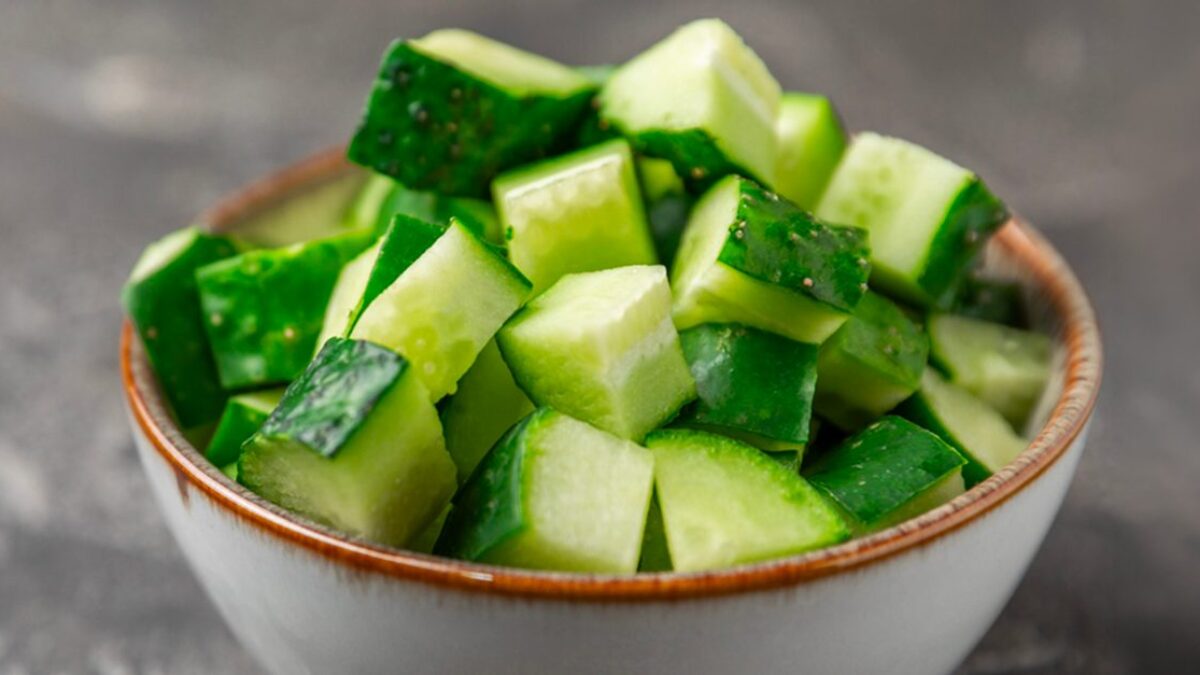
Composed mostly of water and very low in calories, cucumbers are undoubtedly among our best allies during the warm seasons. These fruits, belonging to the Cucurbitaceae family, with firm flesh, a crunchy texture, and a sweetish flavor, have a very rich nutritional profile, benefiting the body in many ways.
It's no coincidence that cucumbers, known since ancient times, have always been used not only for their culinary qualities but also for their properties: it's certain that the Egyptians cultivated them, and through them, they became known to both the Greeks and Romans, who appreciated their medicinal properties. Cultivated and loved throughout the Middle Ages and into the modern era, they were apparently used to lower fevers and also for their emollient and cosmetic properties (as early as 1500, their use was recommended for beautifying and toning the skin).
Cucumbers' Properties and Benefits
Few vegetables are as good for the body as cucumbers: composed almost entirely of water (about 96.5 percent per 100 grams), they are low in calories (just 16), and are a true elixir of well-being with a powerful cleansing effect. Although their micronutrient content is slightly lower than that of other vegetables, cucumbers are still a good source of minerals, especially potassium, as well as phosphorus and calcium, plant fiber, and some vitamins, particularly thiamine and vitamin C. The latter is concentrated primarily in the peel, so unless you have digestive issues, we recommend buying them locally, preferably locally sourced, and enjoying them whole, without removing the outer peel. Their unique water content, combined with a moderate vitamin and mineral content, makes fresh cucumbers precious allies for the well-being and health of the body and skin. Let's take a look at all their unparalleled properties together.
Excellent Natural Purifiers
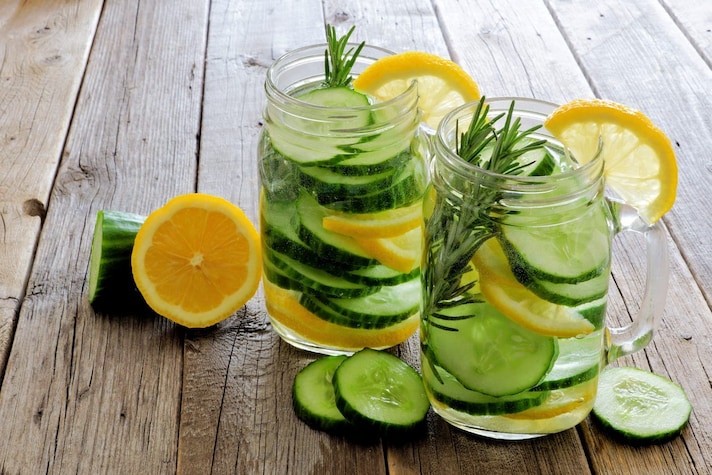
Thanks to their water and potassium content, cucumbers have an important detoxifying effect, eliminating waste and toxins and also promoting kidney function. Furthermore, their water content has a draining and diuretic effect on the body, combating fluid retention and contributing to the onset of problems like cellulite. The best way to take advantage of this? Prepare cucumber-infused water or cucumber juice.
Friends of Figure
Rich in water and very low in calories, cucumbers are excellent if you want to lose weight or simply maintain a healthy diet. Furthermore, despite their lightness, they also have a satiating effect thanks to their high fiber content, which also makes them mildly laxative.
They Help The Heart and Brain
Low in sodium and rich in potassium, cucumbers are particularly beneficial for those with high blood pressure and heart problems in general. They also have a high concentration of flavonoids, which help keep the brain young by counteracting aging.
Excellent Natural Cosmetics
Cucumbers are truly natural cosmetics, rich in sulfur and therefore excellent for skin care. They were used as beauty masks in ancient Rome, and even today they are sliced and applied to the face to decongest the skin (thanks to the presence of azulene, an anti-inflammatory substance), brighten it, restore freshness, and reduce bags under the eyes. Cucumbers also contain tartaric acid, which stimulates the production of collagen, a protein essential for keeping skin elastic and smooth and preventing the onset of wrinkles. They also benefit hair health, which is why they are often found in lotions and shampoos with a refreshing effect on the skin.
Cucumbers' Contraindications
Barring specific intolerances or allergies, cucumbers don't present any particular contraindications. However, many complain that cucumbers are difficult to digest: some may actually find this effect, mainly due to the presence of cucurbitacin, which is responsible for the vegetable's bitter taste. It's usually concentrated at the ends and in the peel, which is why sometimes simply removing these parts is enough to curb the problem; removing the seeds can also certainly help those with digestive difficulties or irritable bowel syndrome. Also, be careful if you're taking diuretics or anticoagulants, as the substances in cucumbers could conflict with these medications; in this case, consult your doctor before consuming them.
Should You Peel Them or Not?
This is a common question when it comes to cucumbers, and the answer depends on both their nutritional benefits and digestibility. Cucumber peel is a valuable source of fiber, vitamins, and antioxidants: eating it unpeeled allows you to fully exploit its cleansing, anti-inflammatory, and digestive properties. Naturally, in this case, choose organic vegetables if possible, and wash the cucumber thoroughly under running water. For a deeper clean, you can, for example, add a little baking soda.
However, not everyone tolerates the peel well: for some people, it can be difficult to digest, causing bloating or intestinal discomfort, especially if the cucumber is large or not very fresh. In these cases, it's better to peel it or adopt a compromise: peel it, cut it into thin slices, salt it lightly, and let it rest to soften it.
;Resize,width=767;)
