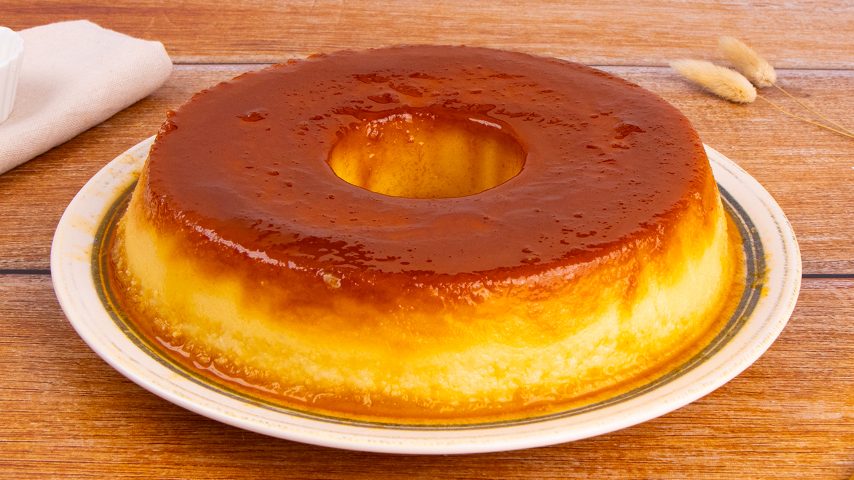
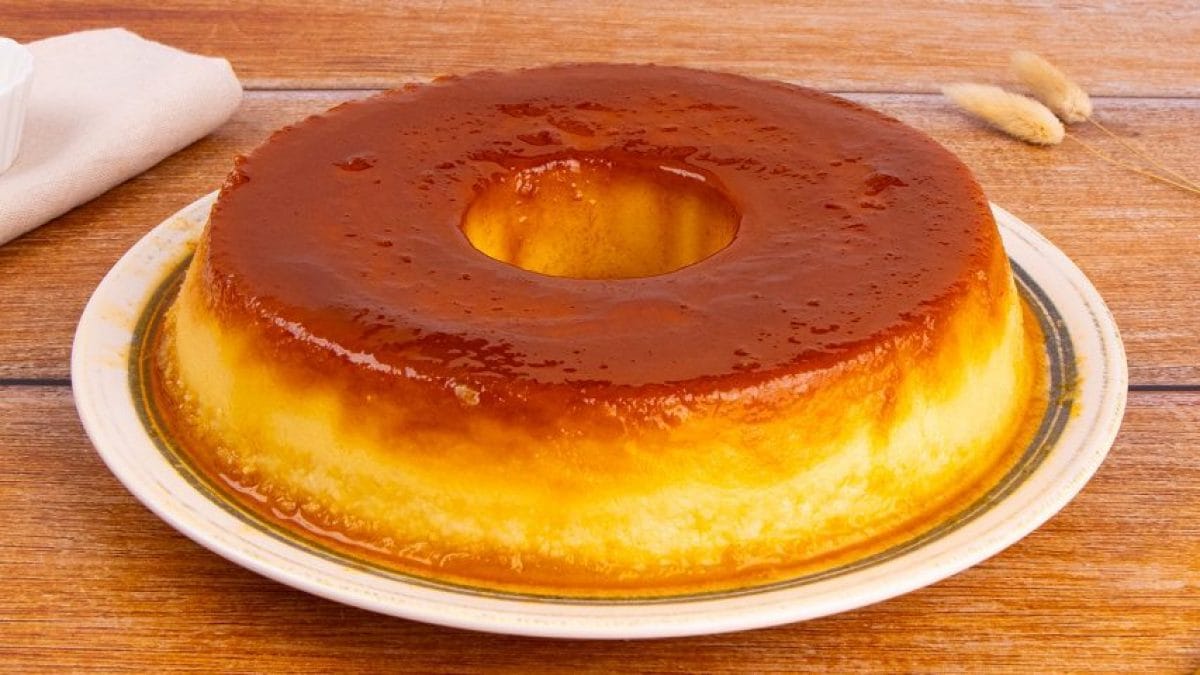
Instead of tossing out yesterday's loaf, this dessert transforms stale bread into something rich and comforting. It is made with simple ingredients like bread, milk, eggs, sugar, and lemon zest. Everything is blended, baked gently in a caramel-lined mold, and turned into a smooth, custardy treat with a caramel topping. This is the kind of dessert that appeals to practical cooks, dessert lovers, and anyone who hates food waste.
What Is Bread Pudding?
Bread pudding is one of the world's oldest examples of culinary resourcefulness. Long before food waste became a popular discussion topic, home cooks were finding clever ways to give stale bread a second life. Rather than discarding hardened loaves, they soaked them in milk, combined them with eggs and sweeteners, and baked them into comforting desserts.
Bread pudding was often called a "poor man's dessert" because it used inexpensive ingredients. Today, however, it appears everywhere from family kitchens to upscale restaurants, which is not bad for a dessert built from leftovers.
Pro Tips for the Best Bread Pudding
- Bread that has been sitting for a day or two works best. Slightly dry bread absorbs the milk mixture more efficiently than fresh bread.
- Caramel can go from golden to burnt surprisingly quickly. Keep a close eye on it once it starts changing color.
- A thorough blend creates the silky consistency that makes this version different from chunkier bread puddings.
- Freshly grated zest provides a brighter flavor than bottled alternatives and adds a pleasant citrus note.
Frequently Asked Questions
What Type of Bread Works Best?
Many types of bread work well, including white bread, sandwich bread, brioche, and French bread. Avoid strongly flavored breads that may overpower the dessert.
Why Is My Caramel Hardening in the Mold?
Caramel naturally hardens as it cools. During baking, the moisture from the pudding helps soften the caramel again, creating the delicious sauce that coats the finished dessert.
Can I Add Other Flavors?
Cinnamon, vanilla, orange zest, nutmeg, raisins, and chocolate chips can all work wonderfully. The recipe serves as a great foundation for experimentation while still maintaining its classic character.
How Do I Know When the Pudding Is Done?
The center should appear set rather than liquid when gently shaken. You can also insert a knife near the center. It should come out mostly clean with only a little moisture attached.
Why Is a Water Bath Necessary?
The water bath creates gentle, even heat around the mold. Without it, the edges may cook too quickly while the center remains undercooked, resulting in an uneven texture.
How to Store Leftovers
Allow the bread pudding to cool completely before storing it in the refrigerator for up to 4 days. You can also freeze it for up to 2 months. Whether served cold or gently reheated, the pudding maintains its rich texture beautifully.
Ingredients
How to Make Bread Pudding
;Resize,width=712;)
Cut the stale bread into small cubes.
Cut the stale bread into small cubes.
;Resize,width=712;)
Blend the bread cubes, eggs, milk, sugar, and lemon zest until smooth.
Blend the bread cubes, eggs, milk, sugar, and lemon zest until smooth.
;Resize,width=712;)
Pour water and sugar into a saucepan and place it over medium heat until it develops a rich golden-amber color. Once it reaches that stage, remove it from the heat.
Pour water and sugar into a saucepan and place it over medium heat until it develops a rich golden-amber color. Once it reaches that stage, remove it from the heat.
;Resize,width=712;)
Pour the hot caramel into a 24cm mold. Tilt and rotate the mold so the caramel spreads evenly across the base before it sets.
Pour the hot caramel into a 24cm mold. Tilt and rotate the mold so the caramel spreads evenly across the base before it sets.
;Resize,width=712;)
Pour the blended bread mixture directly over the caramel layer and place the filled mold inside a larger baking tray. Pour boiling water into the tray until it reaches about halfway up the sides of the mold.
Pour the blended bread mixture directly over the caramel layer and place the filled mold inside a larger baking tray. Pour boiling water into the tray until it reaches about halfway up the sides of the mold.
;Resize,width=712;)
Transfer the tray to a preheated oven at 160°C (320°F) and bake for 90 minutes.
Transfer the tray to a preheated oven at 160°C (320°F) and bake for 90 minutes.
;Resize,width=712;)
Remove the mold from the water bath and allow it to cool to give the pudding time to firm up and make unmolding much easier. Run a knife around the edges of the mold if necessary, and place a serving plate over the mold and carefully invert it.
Remove the mold from the water bath and allow it to cool to give the pudding time to firm up and make unmolding much easier. Run a knife around the edges of the mold if necessary, and place a serving plate over the mold and carefully invert it.
;Resize,width=712;)
Slice and enjoy!
Slice and enjoy!
;Resize,width=767;)
